

Country with ‘Widespread Human Rights Abuses’ to Become Vice-Chair of Kimberley Process


The Source Team chose to repost this article because we think all our readers and EM Members should be aware that Zimbabwe is set to become vice-chair of the Kimberley Process—an occurrence we found shocking. Zimbabwe’s Marange diamond fields have been the location of mass atrocities including forced labor, mass shooting, and torture—yet their country is being given a leadership position in the KP, with no resistance by other country members. We hope you find this article informative and we hope to shed light on the ongoing circumstances in Zimbabwe.
This article was originally posted on November 23rd, 2021 here on Professional Jeweler. We have received written permission from author Sam Lewis to repost this article and included images.

Chloe Beaumont EDITOR-IN-CHIEF
The country of Zimbabwe is set to become the vice-chair of the Kimberley Process in 2023, according to recent reports. Zimbabwean publication NewsDay stated that a vote was held in Moscow earlier in November. Russia is the current chair.
But, asks Ryan Atkins, CEO of Nightingale, is Zimbabwe the right country to head up the Kimberley Process?
It’s common knowledge for those in the diamond industry that the Kimberley Process scheme is in somewhat of an existential crisis at the moment. Critics see the system as slow to effect change and generally ineffective at policing the global diamond trade as it was intended to do.
For many, the turning point came when the Kimberley Process decided to approve the sale of diamonds from the Marange fields of Zimbabwe, a diamond mining area infamous for its human rights violations.
The atrocities committed by the government-run diamond mines in this area continue to this day, with the most recent reports detailing a culture of corruption, violence and torture.
So it was surprising to us that Zimbabwe has just been announced as the new vice-chair of the Kimberley Process. There wasn’t a single objection to this appointment from the 56 participants, which collectively represent 82 countries who have signed up to the scheme.
The decision will put Zimbabwe in a leadership position of the Kimberley Process for the year of 2023, taking up the mantle alongside Botswana as chair.
Zimbabwe’s track record in diamonds
The diamond trade in Zimbabwe has been a human rights disaster ever since the vast resources of precious gems were discovered in the Marange Fields in 2001.
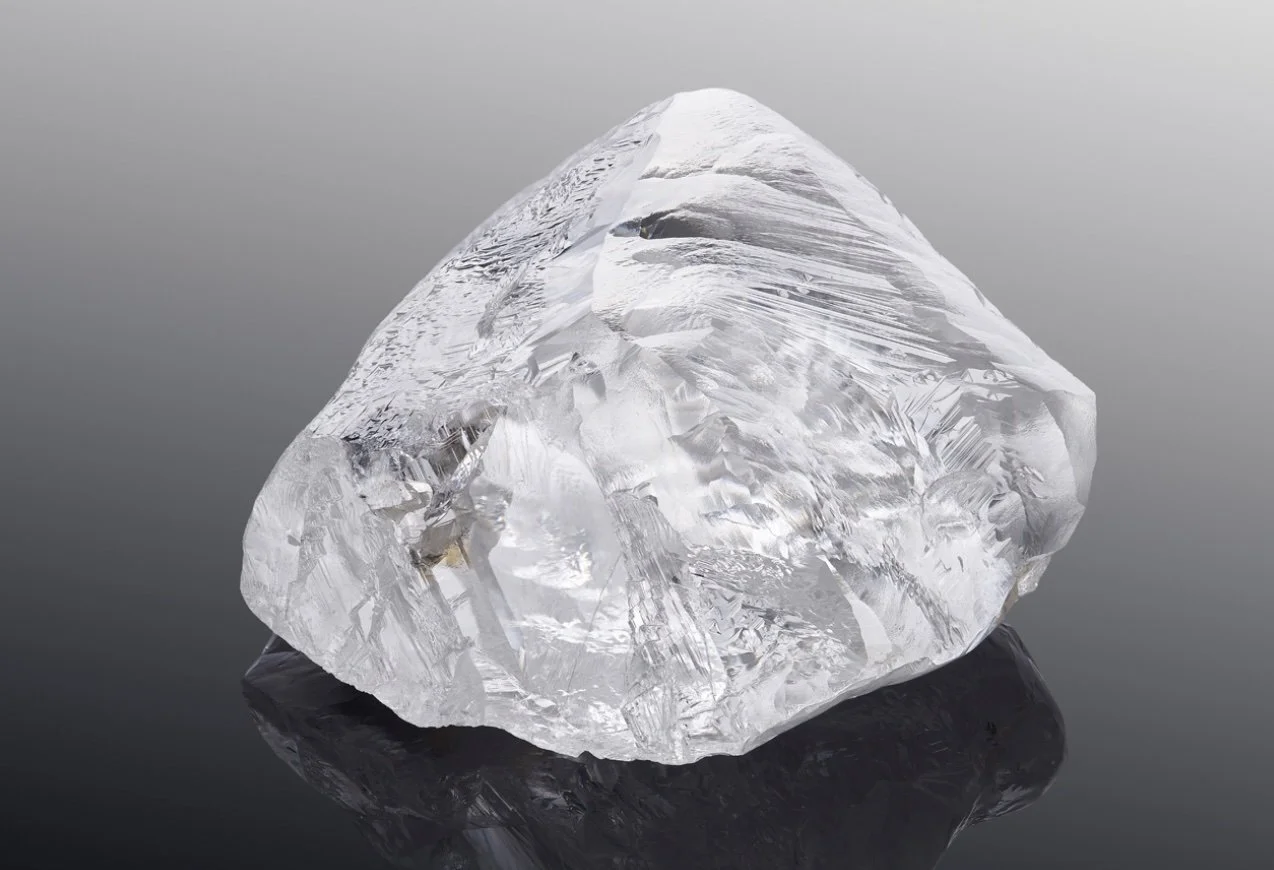
A rough diamond from Zimbabwe. Photo courtesy of Sam Lewis.
De Beers controlled the mines until 2006. Their withdrawal from the area led to an artisanal mining rush, until the government brutally took control of the fields using military force. 9,000 miners were arrested. Hundreds were killed. An estimated 35,000 were ejected from the fields which were their livelihood.
Four years later, the Kimberley Process approved the sale of diamonds from Zimbabwe in international markets, certifying them as ‘conflict-free’.
Here’s a non-exhaustive list of incidents that have occurred since that approval happened:
In 2017, villagers in Chiadzwa, close to the diamond fields, were forcefully evicted from their homes, with the promises of houses being given in another area as compensation. This didn’t happen.
In 2018, police fired tear gas canisters at villagers who were protesting against the lack of transparency about where the profits of the locally extracted diamonds were going.
In 2019, it was reported that security forces apprehended several diamond panners who had trespassed onto the fields. They were beaten and then subjected to maulings by vicious dogs whilst handcuffed.
In October of 2020 it was reported that members of the Zimbabwe National Army, who guard the fields, extorted local businesses in the area taking almost all profits.
Local NGOs have accused the government-owned mining company of large-scale pollution of local water sources.
The supply chains involving Marange diamonds are routinely accused of smuggling non-certified diamonds into Kimberley-approved shipments.
And despite all these atrocities, there’s no sign of life in the local area improving. The villagers still don’t have running water or properly maintained roads.
The Kimberley Process under the microscope
Looking optimistically at the situation, this appointment could be seen as the Zimbabwean government wanting to really work on the issues in their diamond trade. But the fact that not one participant in the Kimberley Process objected to this appointment really highlights the collective timidness of the organisation.
The Kimberley Process was established to prevent the flow of conflict diamonds, but now has a country with widespread human rights abuses in line for a leadership position.
This absurd situation has been allowed to happen because the Kimberley Process only cares about diamonds that are used to fund violent rebels and other non-government conflicts. Diamonds that fund national militaries such as the Zimbabwe National Army aren’t included in this ban.

Someone looking through a loupe at a rough diamond. Photo courtesy of Sam Lewis.
That means ‘Conflict Free, Kimberley Process approved’ diamonds can come from utterly inhumane origins and still be certified. The organisation has publicly stated it wishes to expand the definition of conflict diamonds, but for almost 10 years has failed to reach a consensus amongst members.
For this very reason, as a business, we put very little faith in ‘conflict-free’ diamonds. Traditional retailers use this badge as a synonym for ethical, but it couldn’t be further from reality.
Instead, we choose to use lab-grown, Canada Mark or mined diamonds that include a Certificate of Origin, which clearly states the specific country where the diamond was mined.
Our hopes for the future
As an ethical jeweller, we couldn’t let this news go by without commenting on it. And despite us trying to see the positive in this situation, it’s hard to see how this appointment will help the Kimberley Process scheme make the dramatic changes it needs to in order to stay relevant.
The organisation needs to expand its definition of conflict diamonds to include factors such as forced labour, workers’ rights abuses and the actions of government-run militaries. If it can’t achieve this, then it needs to step aside for a more robust certification scheme to take its place.
Zimbabwe is in a unique position where it can affect this change both in their own country, and all others signed up to the Kimberley Process. Whether or not it has the ability, or desire, to do this is a question only time can answer.
“What can I do about this?”
Susan Wheeler, EM Board Member and founder of Virtu Gem as well as the Chicago Responsible Jewelry Conference, started a nonprofit called the Responsible Jewelry Transformative. It is a “structural home” for projects that blossom out of the Chicago Responsible Jewelry Conference. One of these projects is the Marange Women’s Alliance, “a grassroots movement to prevent human rights abuses by providing education and self-empowering support and by raising awareness in the international community.”
Susan Wheeler wants the EM community and Source readers to know that:
“The best way to support the work of the MWA is to donate so that the women can continue their community based interventions.”



What do beekeeping and fish ponds have to do with diamond mining?