

So Fresh + So Clean 2025
The annual online international student exhibition
All applicants are Student Level Members
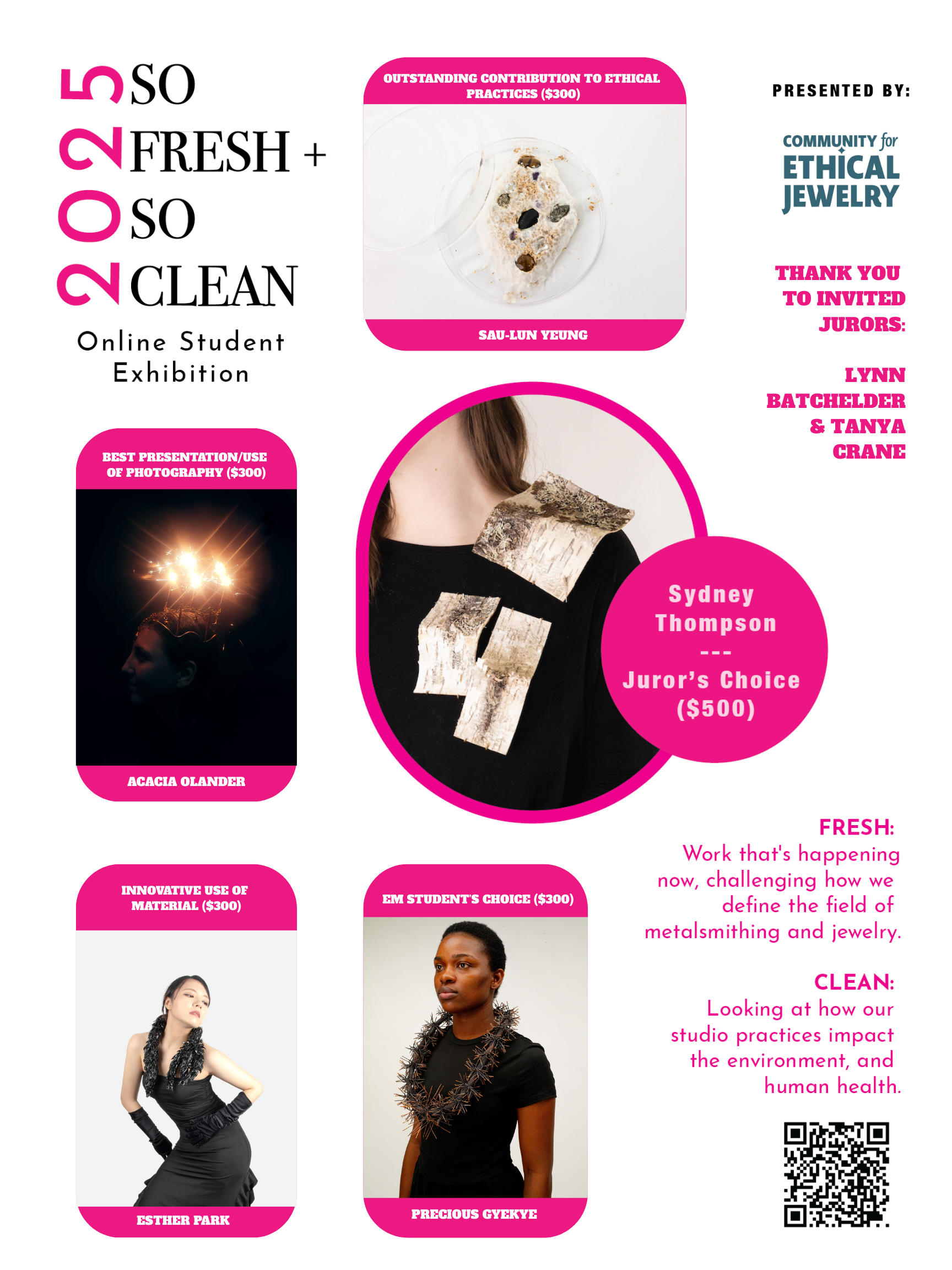
FRESH
Work that is happening now, challenging how we define the field of Jewelry and Metalsmithing.
CLEAN
Objectively looking at how our practices intersect with environmental concerns and human health.
A Message from the Student Committee
In the SF+SC 2025 prompt, artists were asked to consider what role the individual maker has to play as a steward of the craft.
They were encouraged to explore how jewelry and metalsmithing embraces or can become a powerful tool for sustainability. The prompt asked artists to examine how their practice can contribute to a more sustainable future. Consider what jewelry has to offer, both to society, and to the maker themselves. Applicants were charged to explore how the transformative process of making jewelry shapes an artist into a more thoughtful, responsible person who makes work that meaningfully contributes to the good of all people, and the health of our planet?
Artists were also tasked to look into the future and share what they envision. For example, how does the jewelry and metalsmithing field evolve in a world of limited resources? What does this mean to be an artist in this ever-changing landscape? And lastly, they were challenged to consider what alternative processes and materials jewelers and metalsmiths might use in a future where materials like gold continue to rise in price and have economic, social, political, and environmental impacts.
To this year’s artists -
Congratulations! And thank you for participating in SF+SC 2025. The work you submitted was thoughtful and inspiring! We hope that you continue to experiment, and make sustainability a key part of your practice.
Warm wishes,
Debra Dowden-Crockett, Cole Kamerick Alfelt-Eller
Student Committee
AWARD WINNERS
The exhibition is managed by the SF+SC Student Committee, a collection of graduate students at Virginia Commonwealth University. Each year an esteemed guest(s) is invited by the committee to join the jury process.
Five award winners were chosen from the collection of applicants.
Prize $500
Award chosen by Guest Jurors
2025 GUEST JUROR’S CHOICE
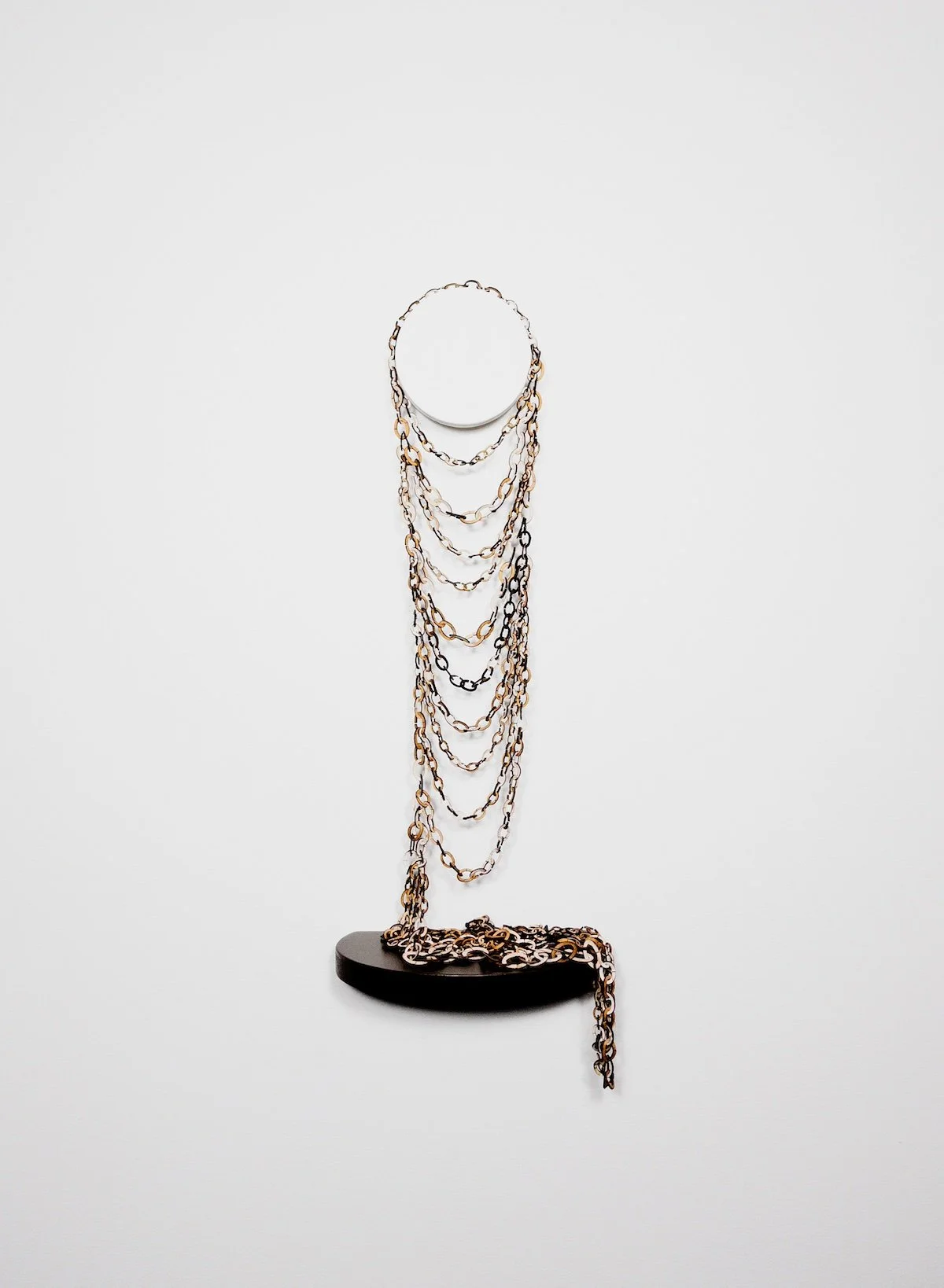
Sydney Thompson
Artist Statement:
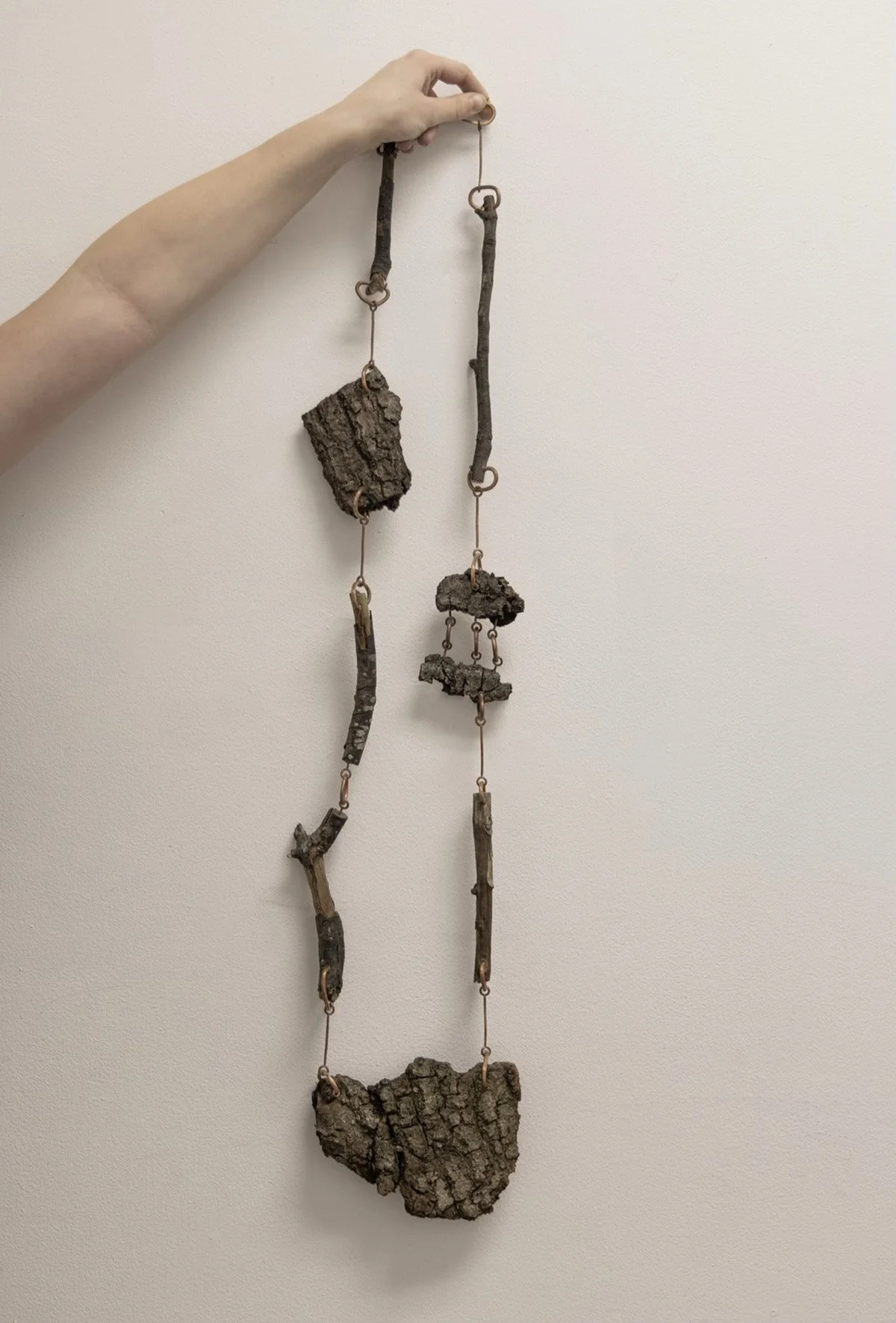
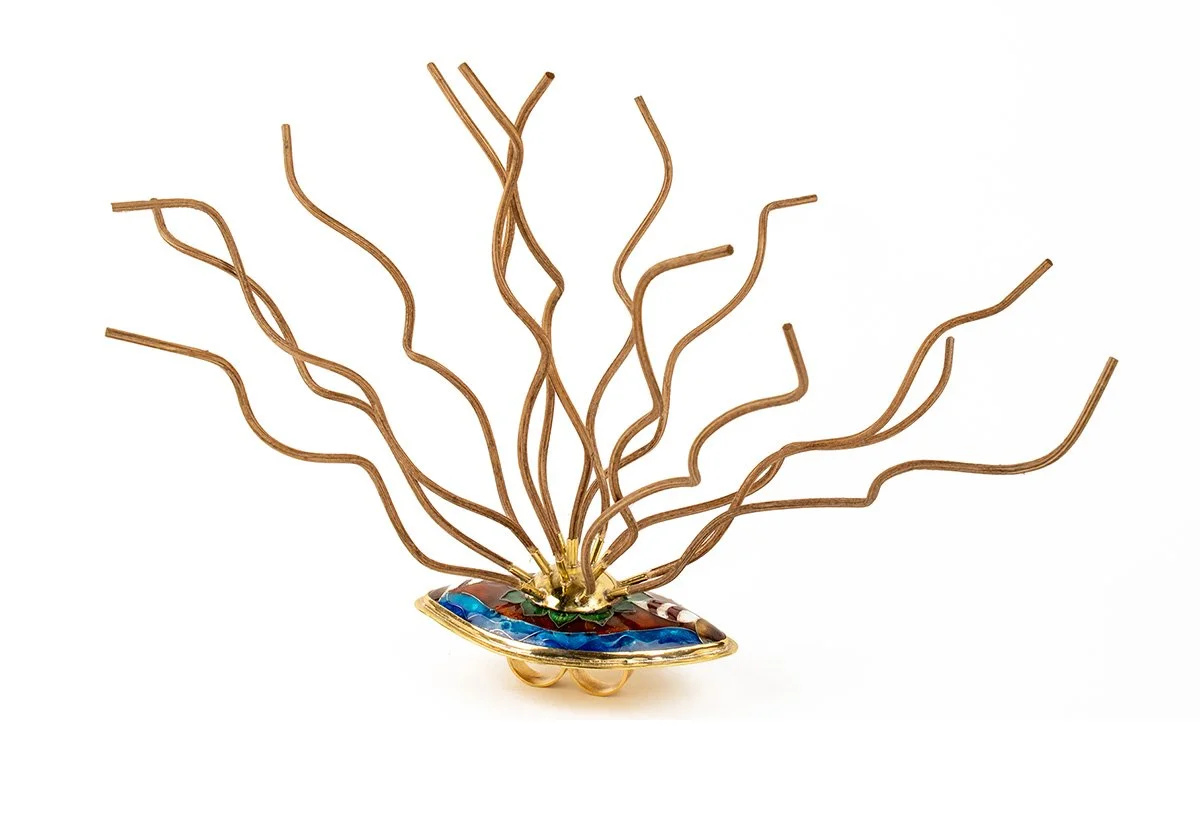
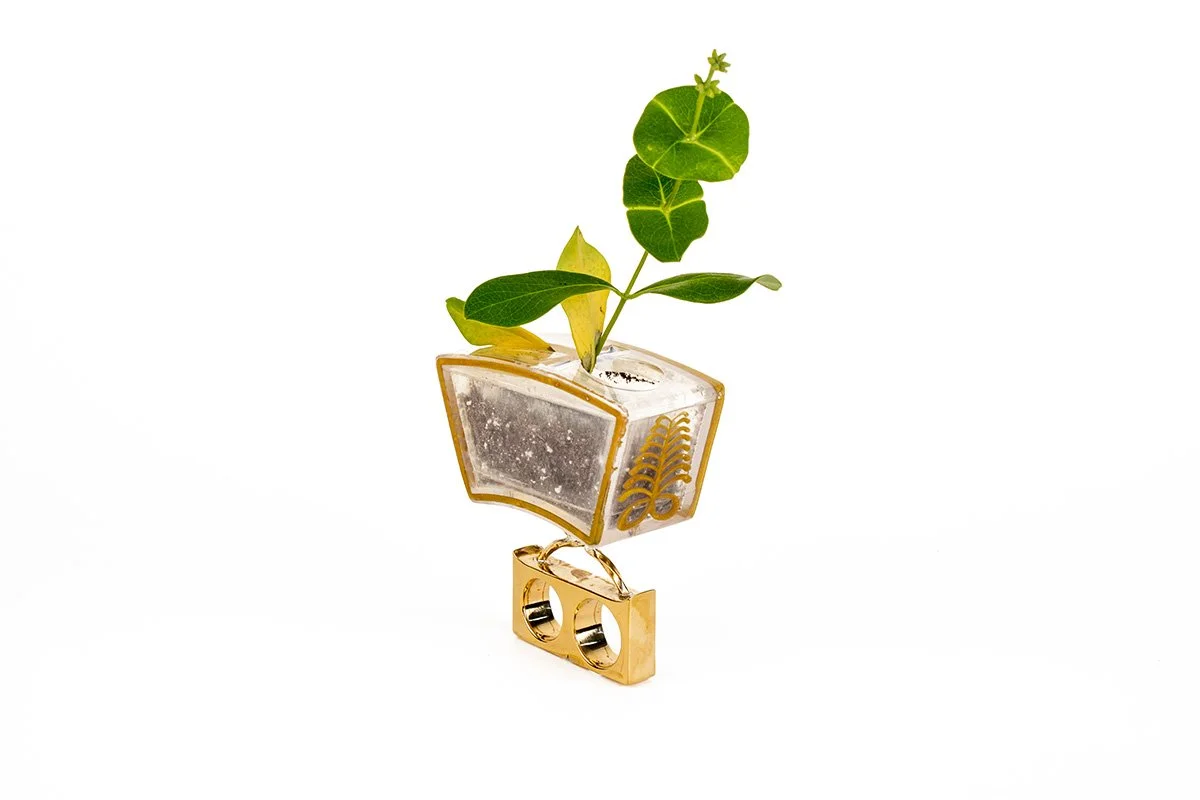
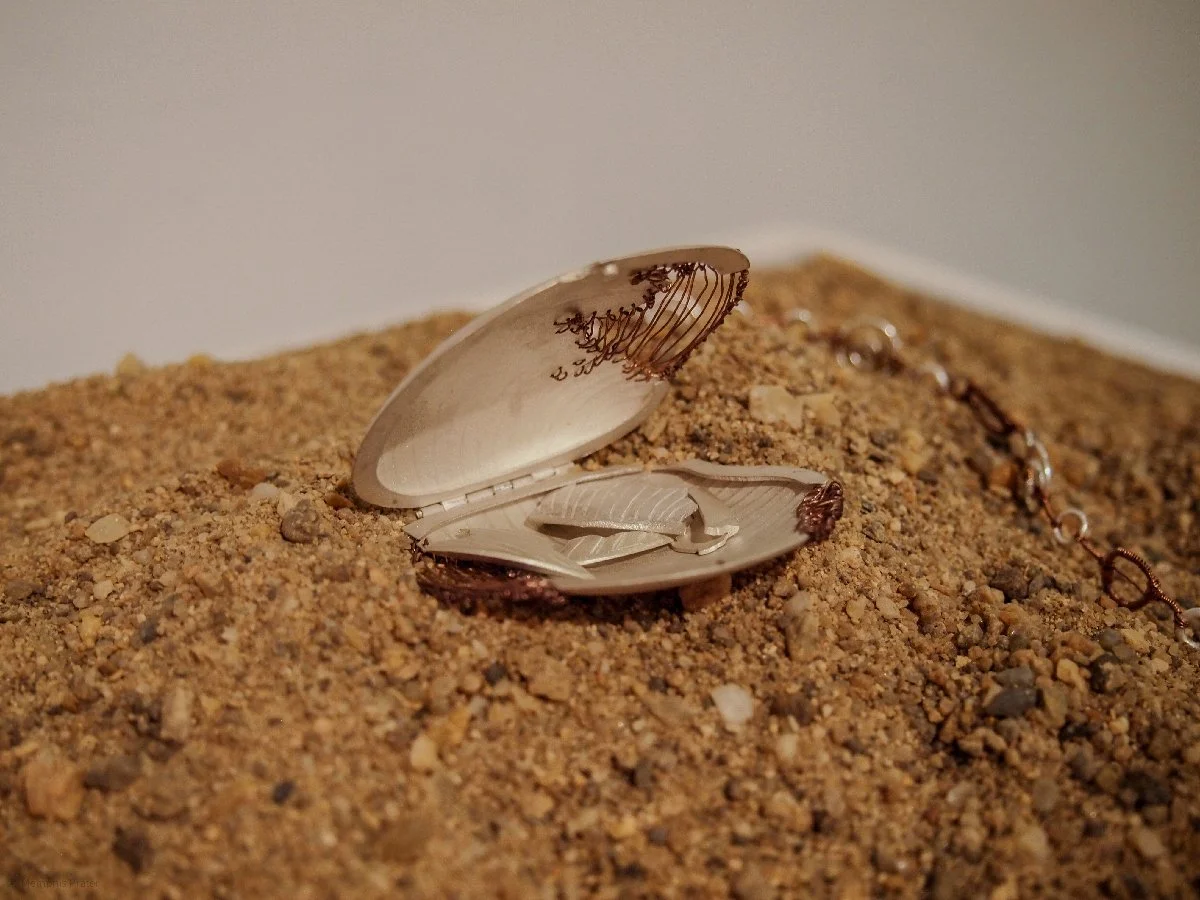
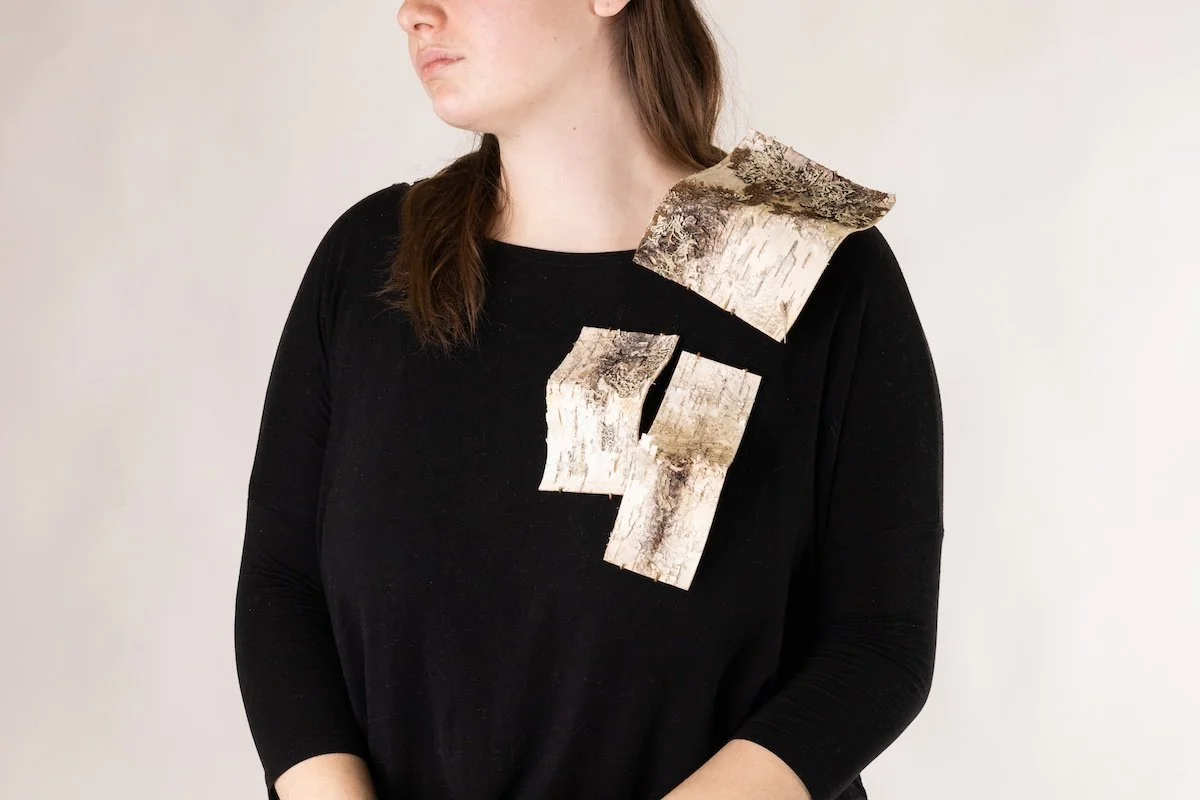
My work explores the continuous cycles of dynamic systems that connect the human experience to the natural world. By incorporating natural materials such as living plants, birch bark, and wood, one can examine how an individual may mirror nature's resilience in their own journey. The joining of natural elements into wearable art works brings viewers the ability to examine and question the parallels between the cycles of nature and the human experience. Acting as a reminder that growth, decay, and regeneration are not just biological processes but fundamental aspects of existence.
Responsibility Statement:
My practice fosters sustainability by prirotizing natural and found materials, which reflect cycles of growth, decay, and regeneration. Rather than relying on newly mined metals or mass-produced components, I prioritize organic materials and reclaim elements that minimize environmental impact.
2025 STUDENT COMMITTEE’S CHOICE
Prize $300
Award chosen by the SF+SC Student Committee
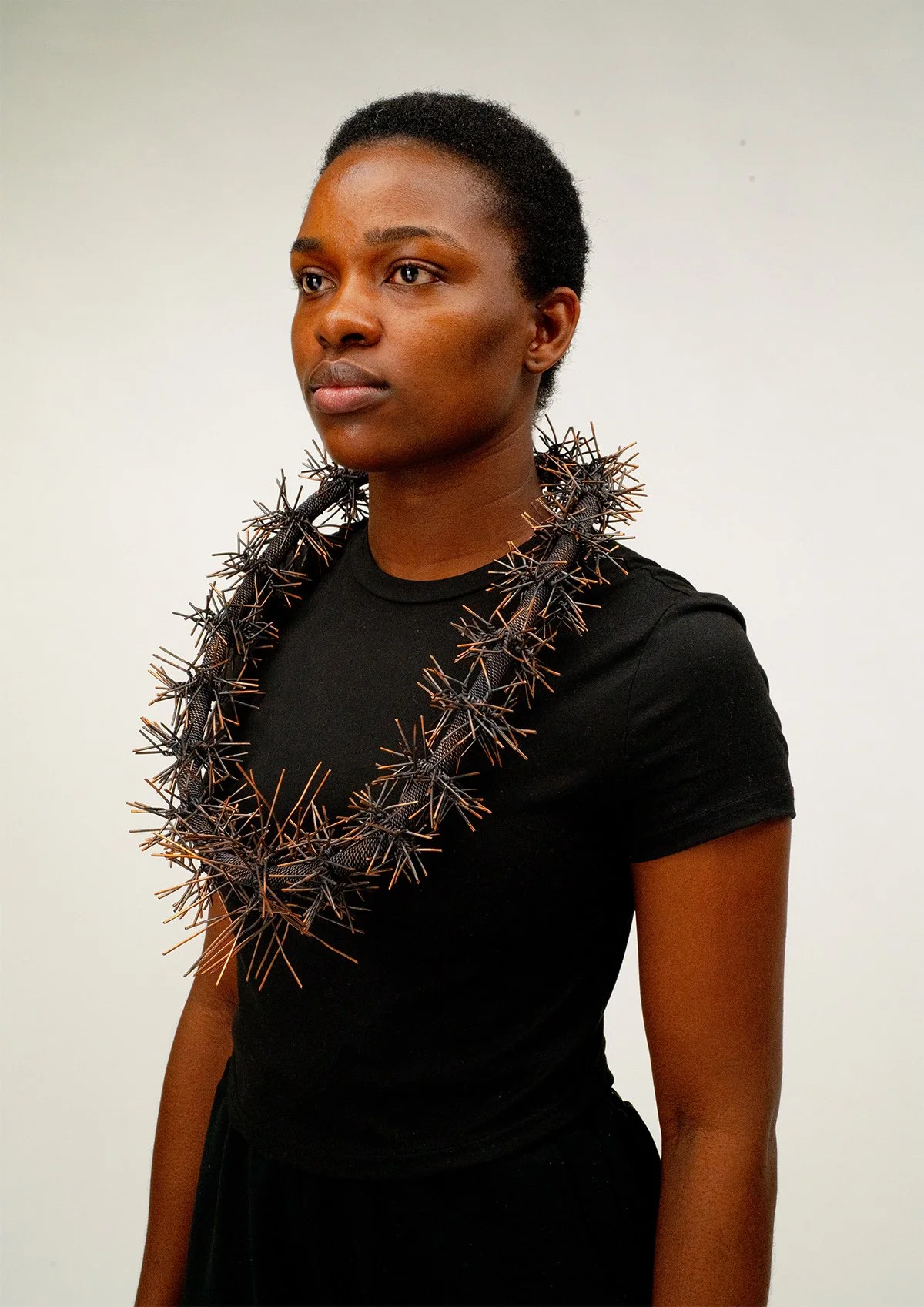
Precious Gyekye
Artist Statement:
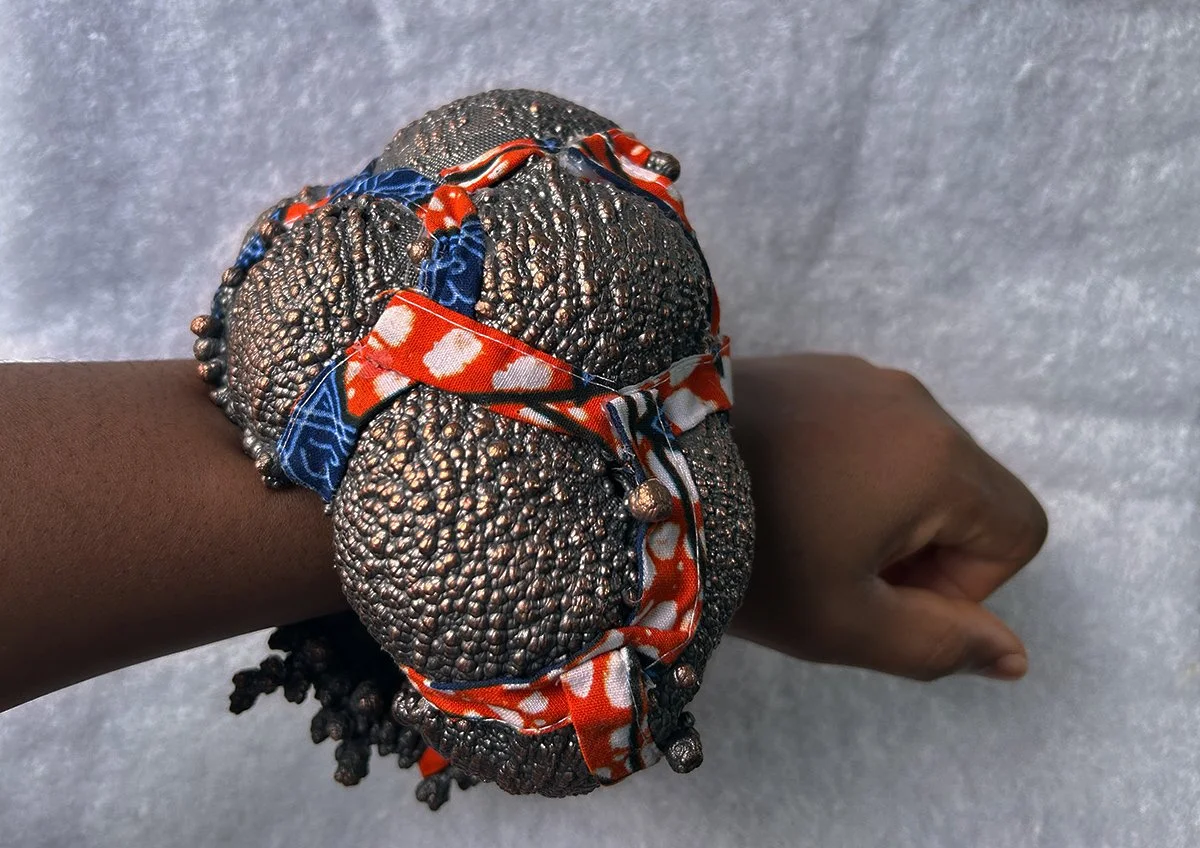
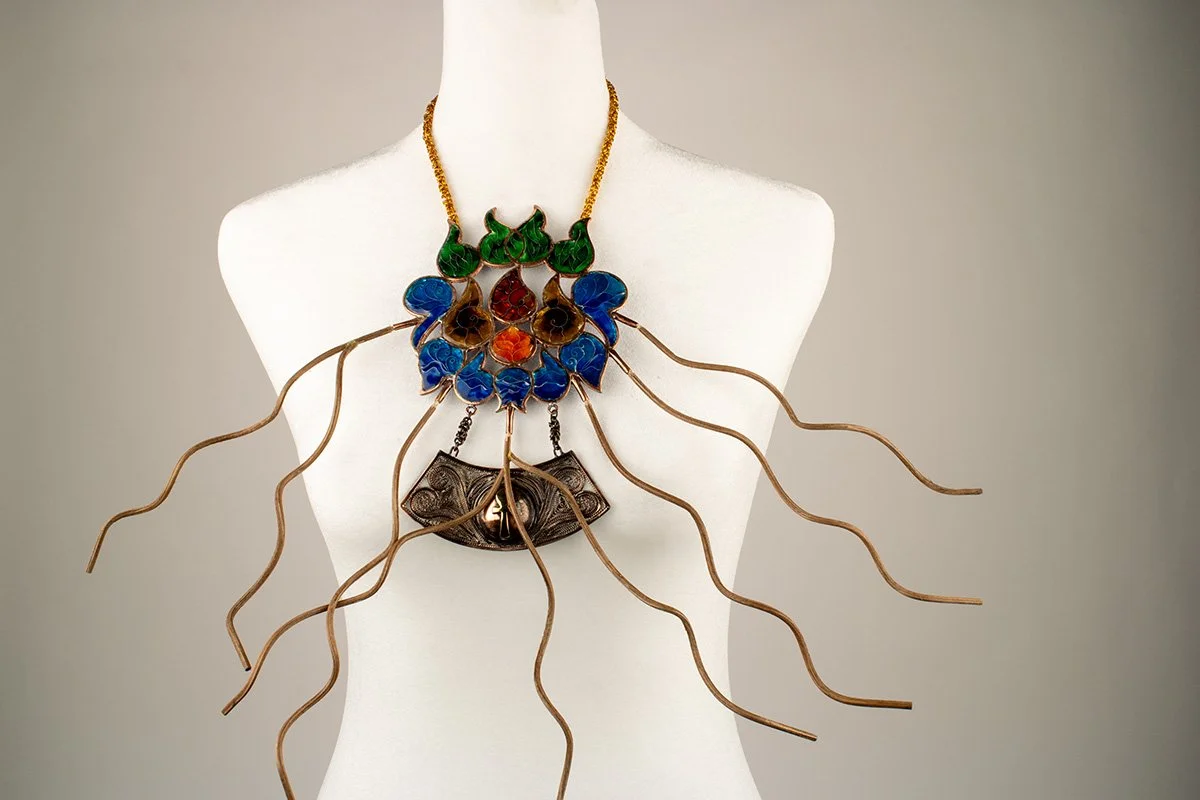
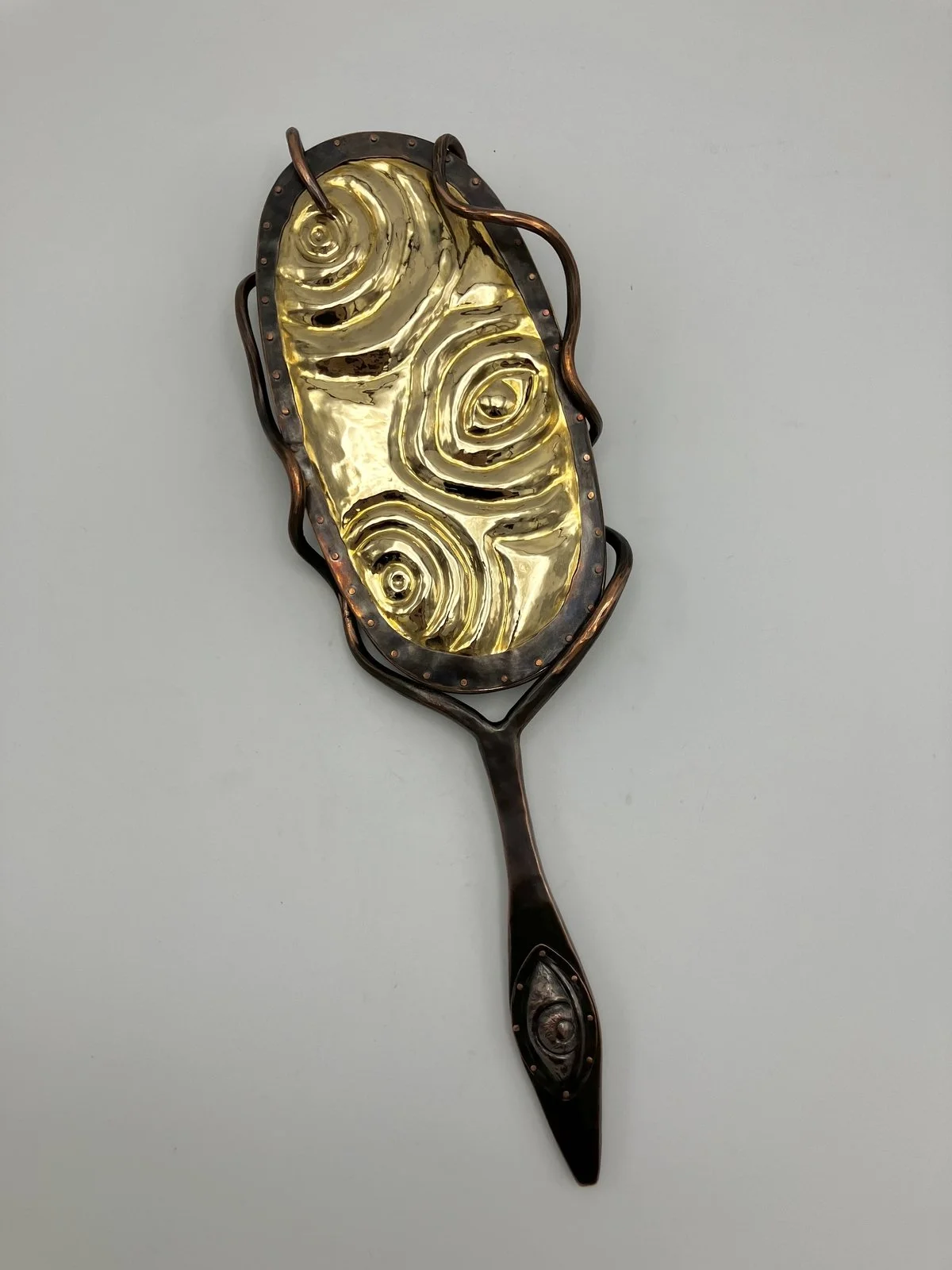
Being born and raised in a country where personal circumstances are frequently used against people shaped my perspective on life. This experience has made me more cautious, reserved, and hesitant to express my thoughts and feelings openly. Over time, I realized how common this was; many people carry invisible burdens, concealing pain behind smiles and composure. Making artwork is a form of therapy through which I also get the chance to express myself. This realization significantly impacted my artistic expression and gave me a sense of purpose. My works discuss how people hide their suffering and hardships from the public. The fear of being judged or looked down upon has made many people reserved; hence, they deal with their problems in secret places. Most of my works, which explore materiality and hidden emotions, are self-portraits in some ways.
Responsibility Statement:
How do you manage and minimize waste materials like metal scraps, chemical byproducts, and polishing compounds during production?
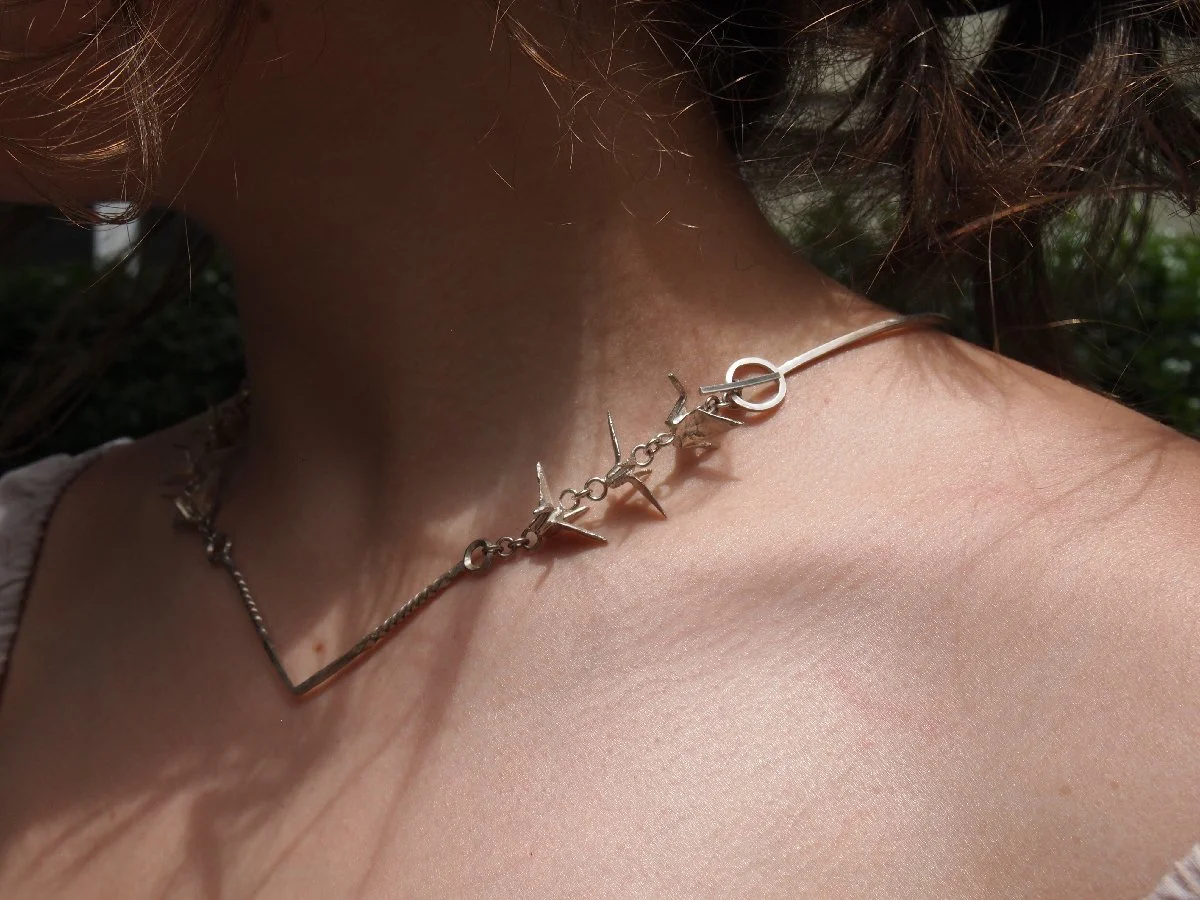
There is a lot of waste and leftovers while working with metals and artworks in general. All of my metal scraps are stored in my toolbox for use in future projects. The majority of the time, I end up using those bits for various projects until I am left with the smallest piece, which I then dispose of in the scrap bin provided in the studio for recycling.
I started using this practice when I was in undergrad, and I've found it to be beneficial. By employing scrap metals, I not only save money but also contribute to a cleaner environment. I occasionally look into the scrap bin to see if there are any metal sheets or wires that fit my needs, rather than using new metal.
OUTSTANDING CONTRIBUTION TO ETHICAL PRACTICES
Prize: $300
Award chosen by all Jurors
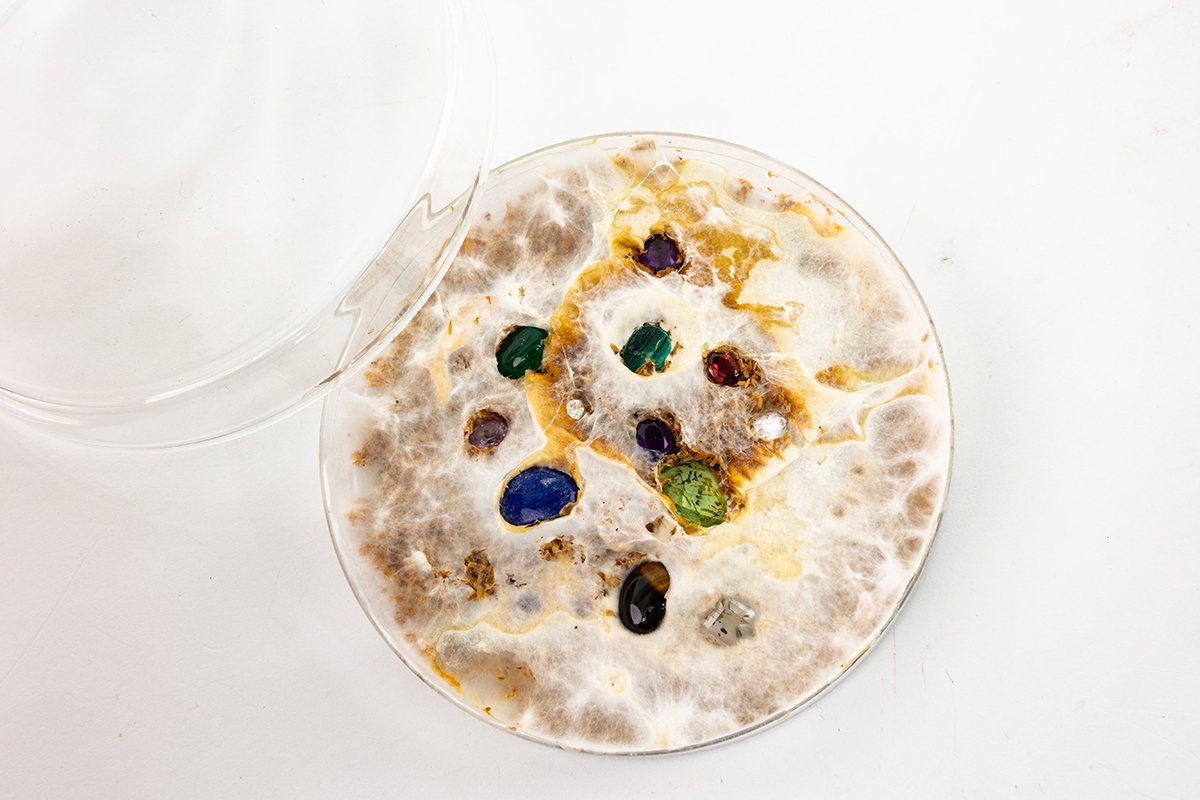
Sau-Lun Yeung
Artist Statement:
Sau-Lun Yeung is a multidisciplinary artist who combines traditional silversmithing and jewelry techniques with found objects and bio-materials, creating contemporary works infused with themes of symbiosis, transformation, and cultural dialogue.
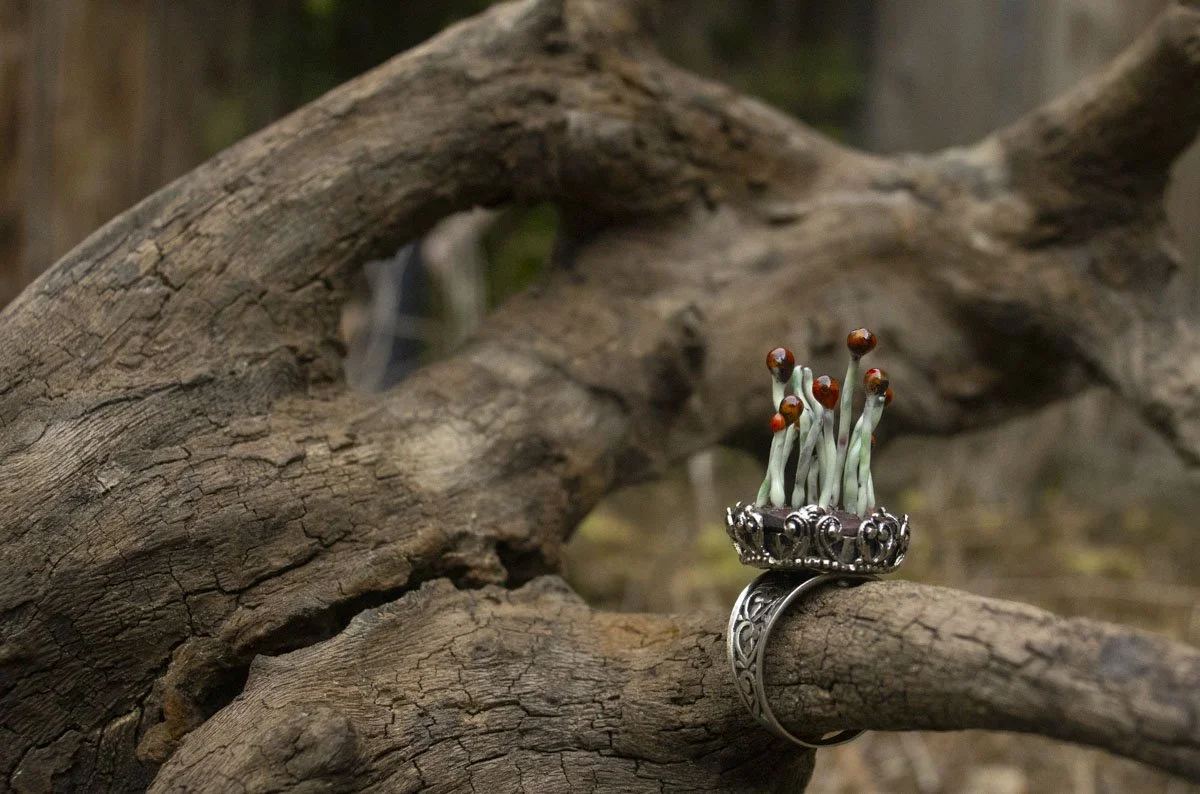
His research, Cabinet of Symbiosities, reimagines the traditional Cabinet of Curiosities, showcasing jewelry and objects that explore colonialism and parasitism through crystallization and mycelium growth. By growing crystals and fungi on found objects—such as insect specimens, porcelain, gemstones, coffee, and hardwoods—He blurs the boundaries between natural and artificial, transforming these materials into symbols of cultural exchange and ecological interconnectedness.
Starting with objects collected across the UK, many from former colonies, Yeung examines the complex relationships between Britain and its colonies. His work questions notions of ownership and influence, encouraging viewers to reconsider historical narratives and the interconnected ecosystems of nature, culture, and politics.
Responsibility Statement:
Most of my jewelry pieces and objects are based on found objects or recreations of found objects sourced from second-hand markets and waste within my school. These materials provide a foundation for exploring symbols of colonialism, but also prompt me to consider how repurposing waste can reduce environmental impact in the creative process.
For example, in Cabinet of Symbiosities Object 25: Growing Brooch, I investigated future possibilities for gemstone setting. During research and testing in the biolab at the Royal College of Art, I discovered that coffee grounds (collected from the campus cafeteria) and sawdust (from the wood workshop) can serve as substrates for mycelium growth. As the mycelium develops, gemstones can be embedded into the substrate, creating living, growing jewelry objects. I see this as a promising low-carbon-footprint method for future gemstone setting.
Additionally, Cabinet of Symbiosities Object 02 White Insect Specimen Crystal Jewellery are grown from found objects (insect specimens), which are crystallized using a natural alum solution I developed. These crystals are formed directly on the objects, eliminating the need for mining or external sourcing.
INNOVATIVE USE OF MATERIAL
Prize: $300
Award chosen by all Jurors
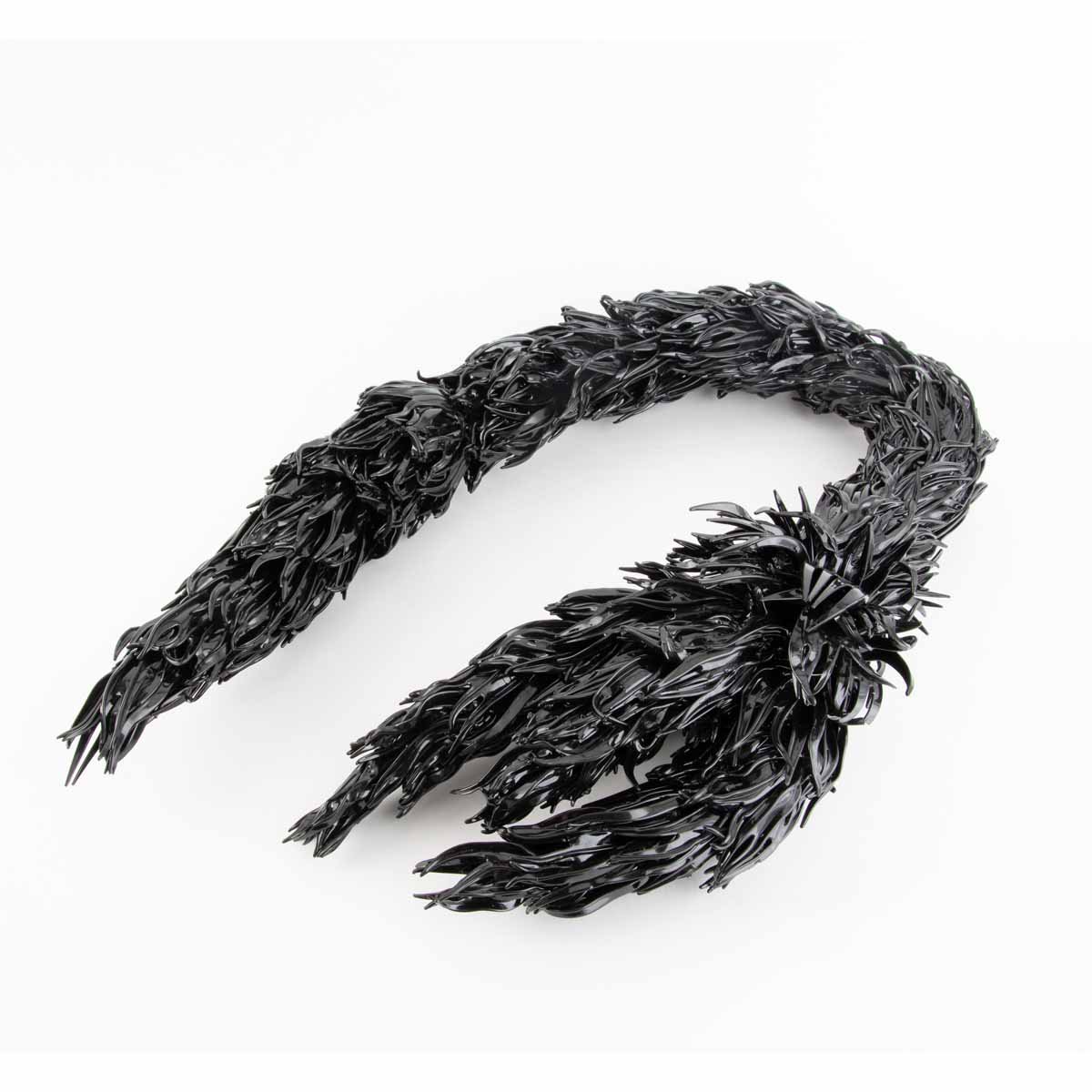
Esther Park
Artist Statement:
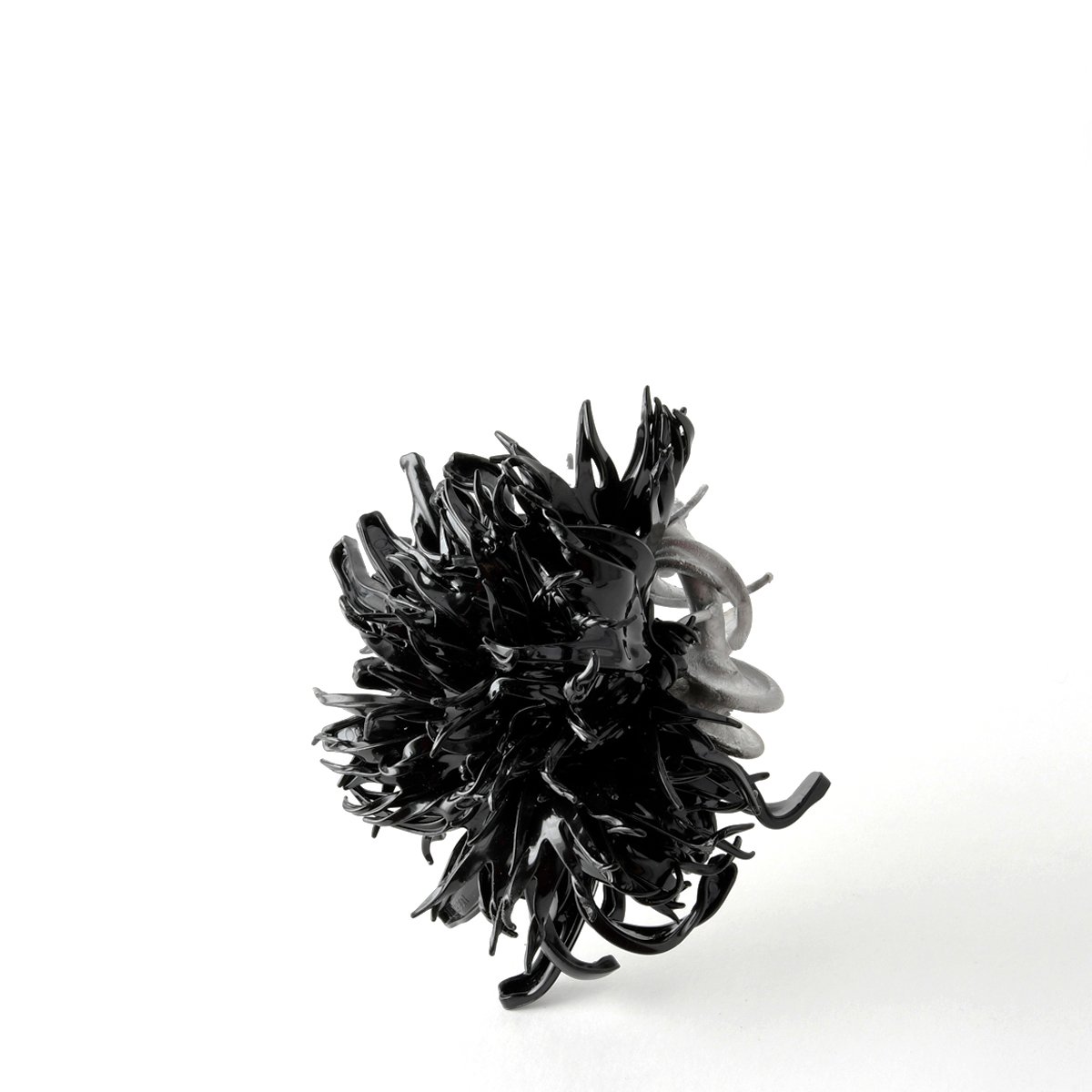
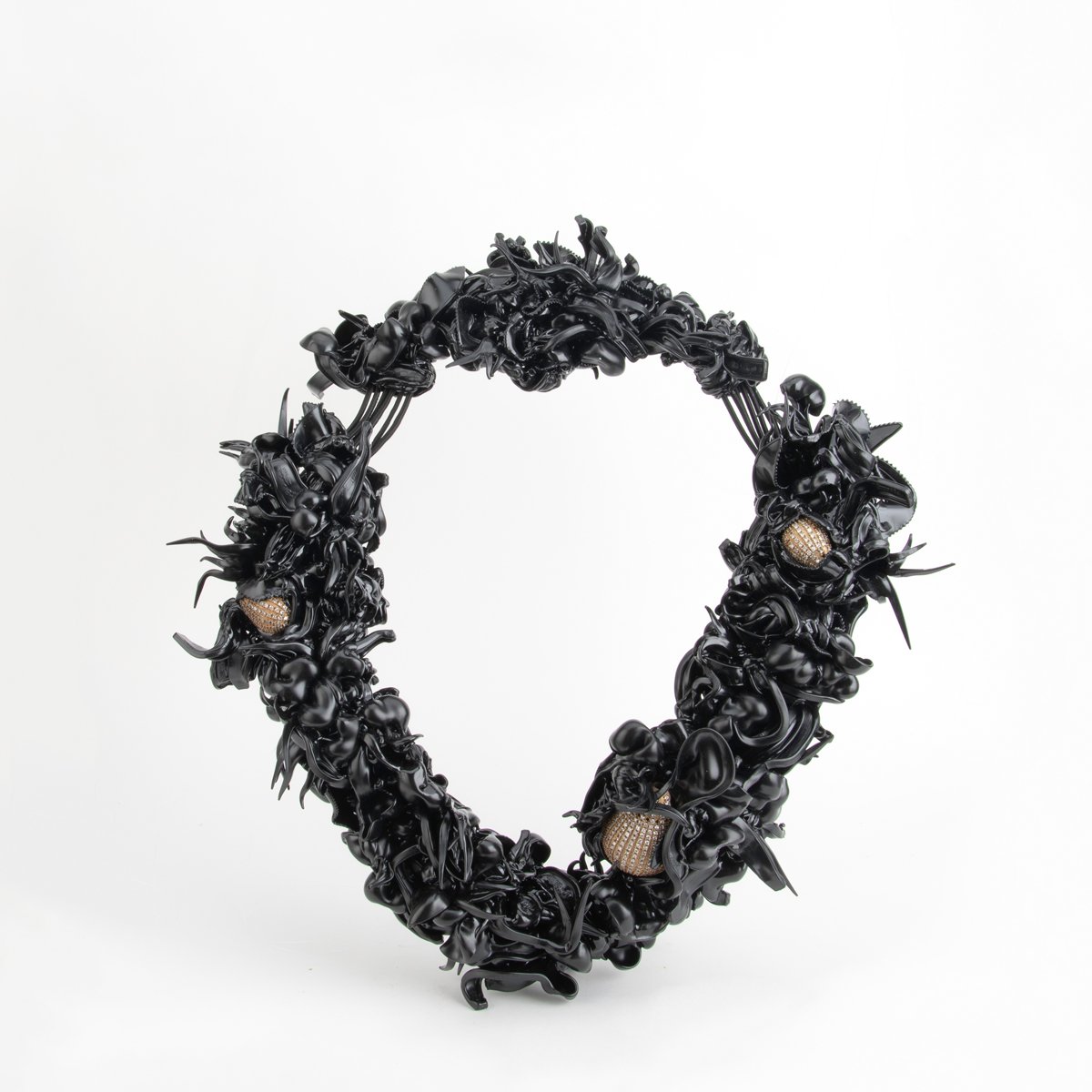
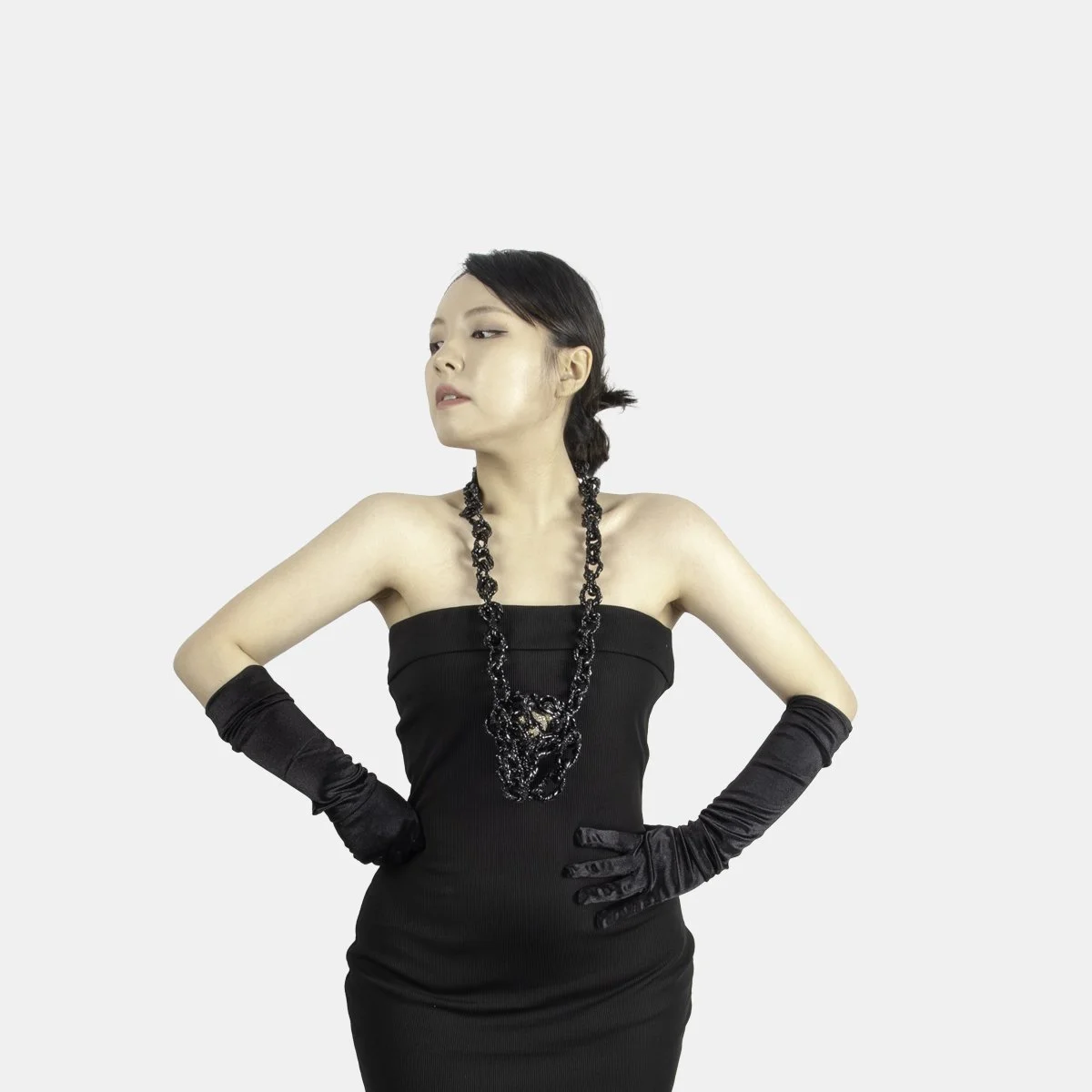
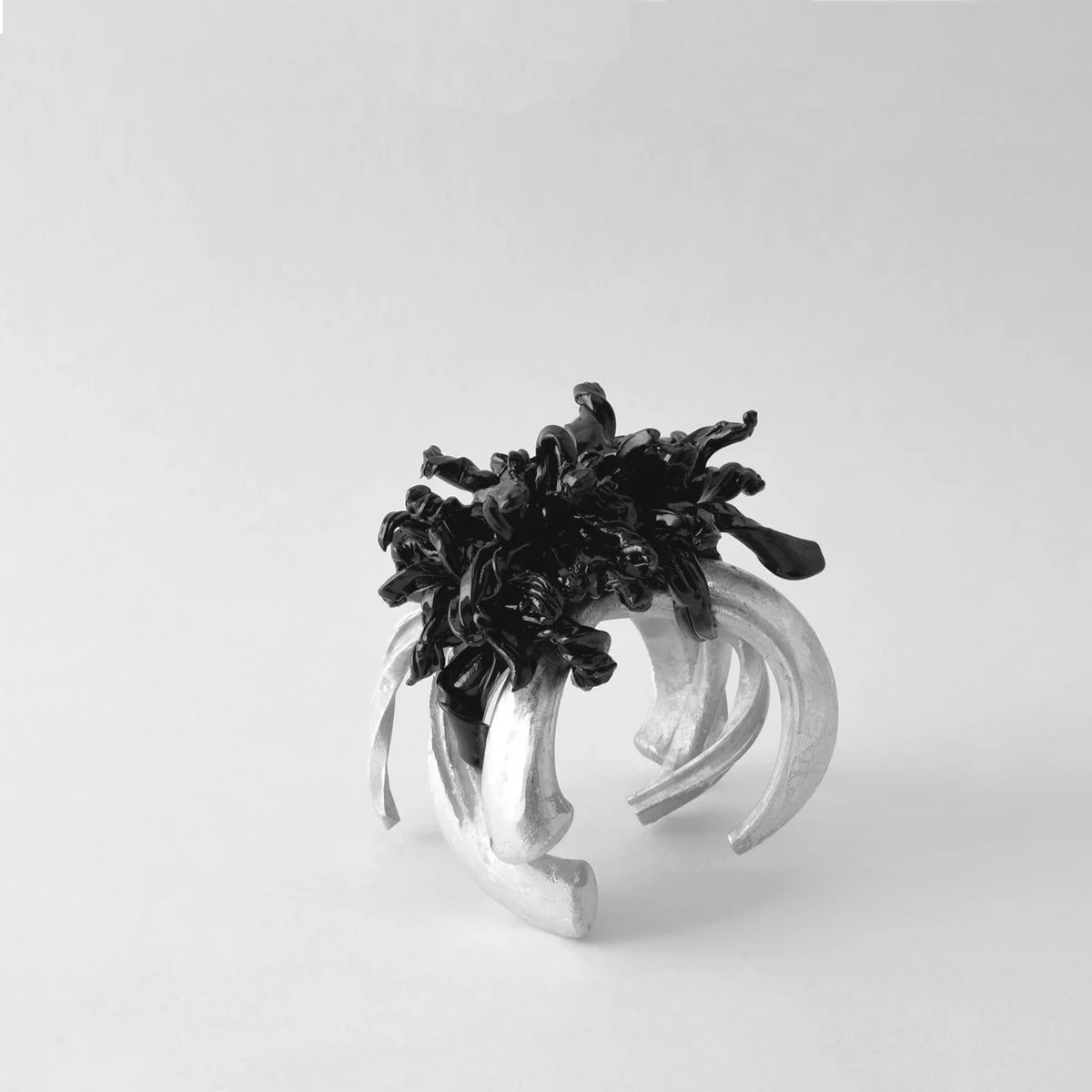
My work transforms disposable materials—especially single-use plastic utensils—into wearable forms that question their original function. I focus on plastic’s abundance and familiarity, reflecting on how it permeates our bodies and environment, symbolizing a throwaway culture. Through heat manipulation, familiar shapes shift into abstract, organic forms guided by semantic associations—fragments of the original remain, inviting new interpretations.
I am especially drawn to black plastic, which, due to NIR sorting limitations, is largely unrecyclable and often discarded. Yet, black holds symbolic richness, embodying all colors and visual depth. I also melt and recast aluminum from soda cans, reimagining waste as enduring material.
Visible jewelry techniques like casting and stone setting highlight craftsmanship and elevate these overlooked substances. When worn, my pieces invite tactile engagement—through texture, sound, and weight—creating personal connections. My practice challenges perceptions of value and permanence, transforming the disposable into intimate, meaningful adornment.
Responsibility Statement:
I contribute to sustainability in metal and jewelry by repurposing single-use plastics that would otherwise become waste. Instead of relying solely on metals, which require energy-intensive extraction and generate chemical byproducts, I transform discarded plastics into wearable art. This reduces demand for new metal resources and minimizes environmental impact.
By diverting plastics from landfills, my work challenges traditional ideas of value and permanence. Heat manipulation reshapes familiar plastic forms into abstract, organic shapes while visible jewelry techniques emphasize craftsmanship.
This practice reduces industrial waste, including metal scraps and chemicals, by promoting material reuse and circularity. It encourages rethinking consumption and the lifecycle of materials, fostering sustainability in craft.
Through transforming disposable plastics into meaningful adornments, I advocate for more responsible material use and aim to inspire environmentally conscious art-making that balances creativity and ecological care.
BEST PRESENTATION/USE OF PHOTOGRAPHY
Prize: $300
Award chosen by all Jurors
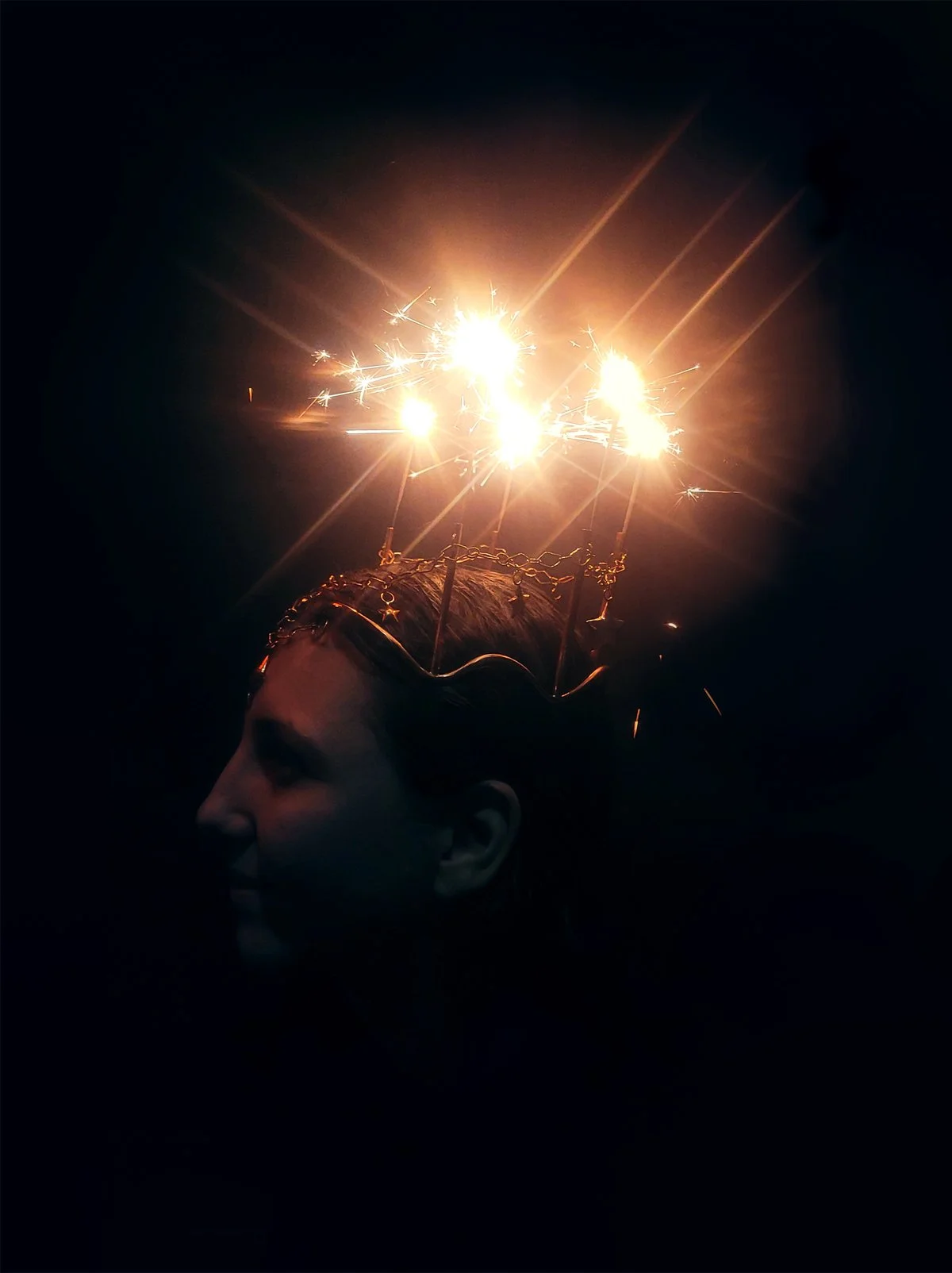
Acacia Olander
Artist Statement:
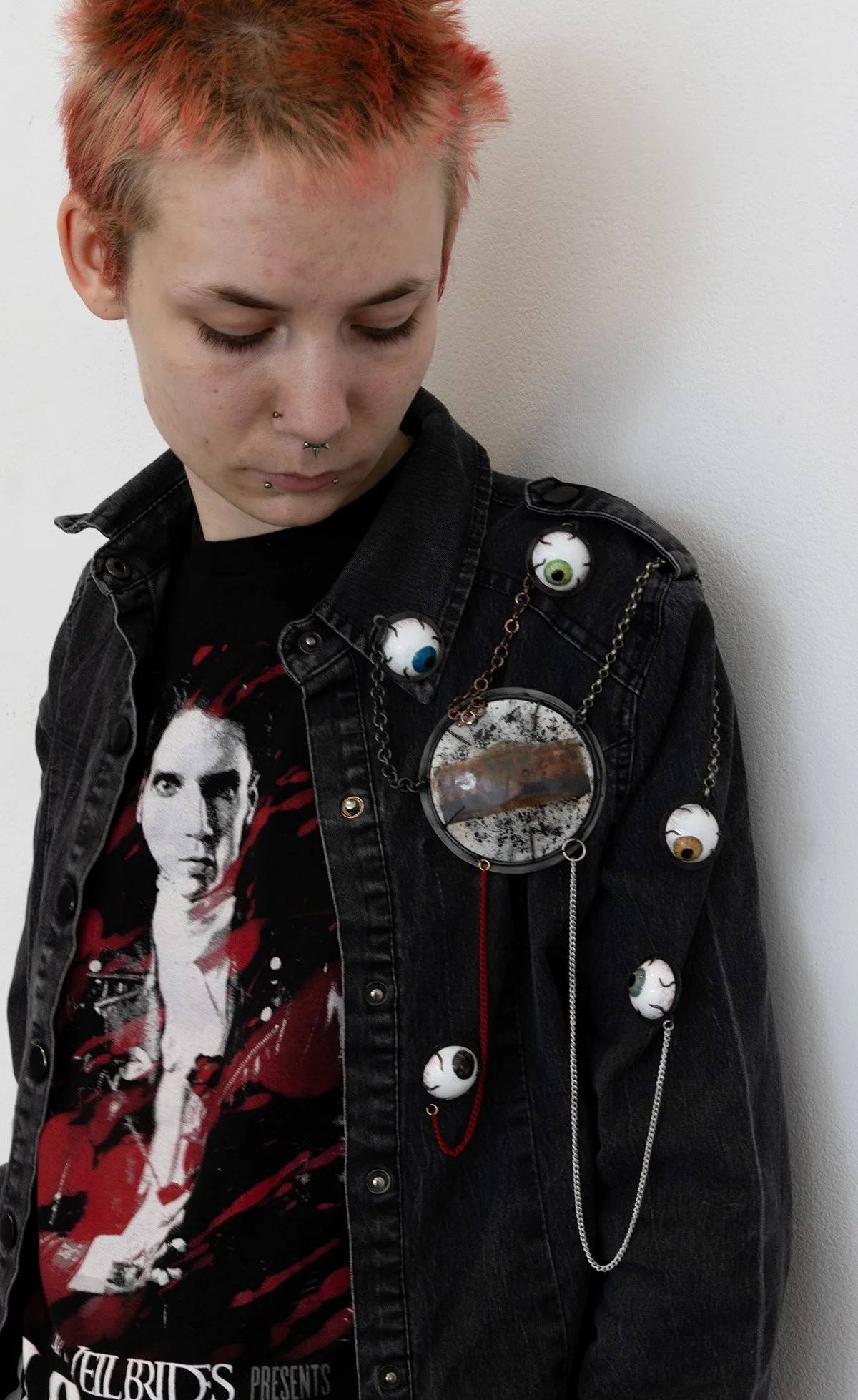
When people think of warmth, they think of the sun, a fireplace, a body, a source of heat. I think of the weight of my eyelashes as they rest just above my cheeks. Of the soft brush of my fingers against each other that is only noticed in moments of silence or when putting on a ring. I think of my hair that creates a pillow around my head and drapes across my forehead like an arm across a friend's shoulders. I think of the potency of feeling understood when art has the same emotions that bubble inside you with each thought. Reaching out with open arms while whispering to your soul, “your feelings are okay.”
Acacia Olander is a young artist at Virginia Commonwealth University majoring in Craft & Materials Studies and Art Education. A large majority of Acacia's art centers around themself as an individual, exploring being nonbinary or their various mental disabilities such as autism, adhd, anxiety, and depression. Acacia hopes that by sharing their struggles and personal experiences, they will help others grow confidence in sharing and accepting their own emotions - whether positive or negative as all emotions connect us to others.
Responsibility Statement:
As much as possible, I focus on using found materials in my work, sourcing most of my metal from my university’s recycling bins. Fellow students discard scrap metal, often still usable despite imperfections. A few times a week, I dig through the bin, salvaging any piece with at least a square millimeter of surface. I’ll flatten it or clean the surface of solder as necessary, maximizing material use before the more energy-intensive refinement process.
I also reclaim abandoned projects like lopsided spheres, misaligned rings,and unused chain links. Along with pre-owned jewelry that no longer sparks joy, I can use these pieces to shape my design process, ensuring the original effort in crafting them isn’t wasted.
While the metal itself is endlessly recyclable, refining it consumes energy, electricity, and labor. Transporting materials, factory conditions, and carbon emissions all come at a cost where I don’t have control over the environment. By reshaping metal with my hands instead of relying on refinement, I can replace that larger environmental burden with the smaller cost of my time.
Introducing the
So Fresh + So Clean 2025 Student Exhibition!
VIEWING TIPS
To enlarge, click on a thumbnail image, and hover over the image to view additional text.
When viewing from a phone, notice a small dot in the lower corner on individual images, this will bring up additional text.
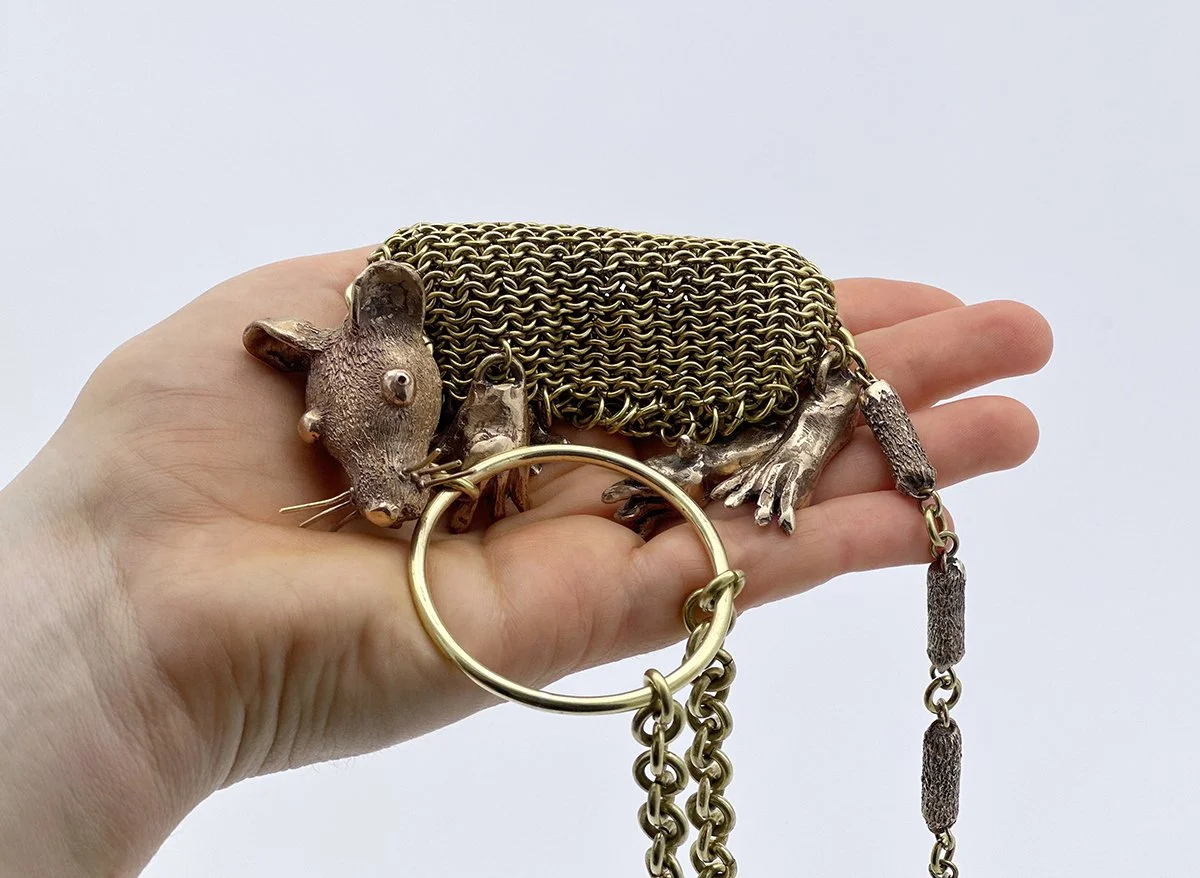
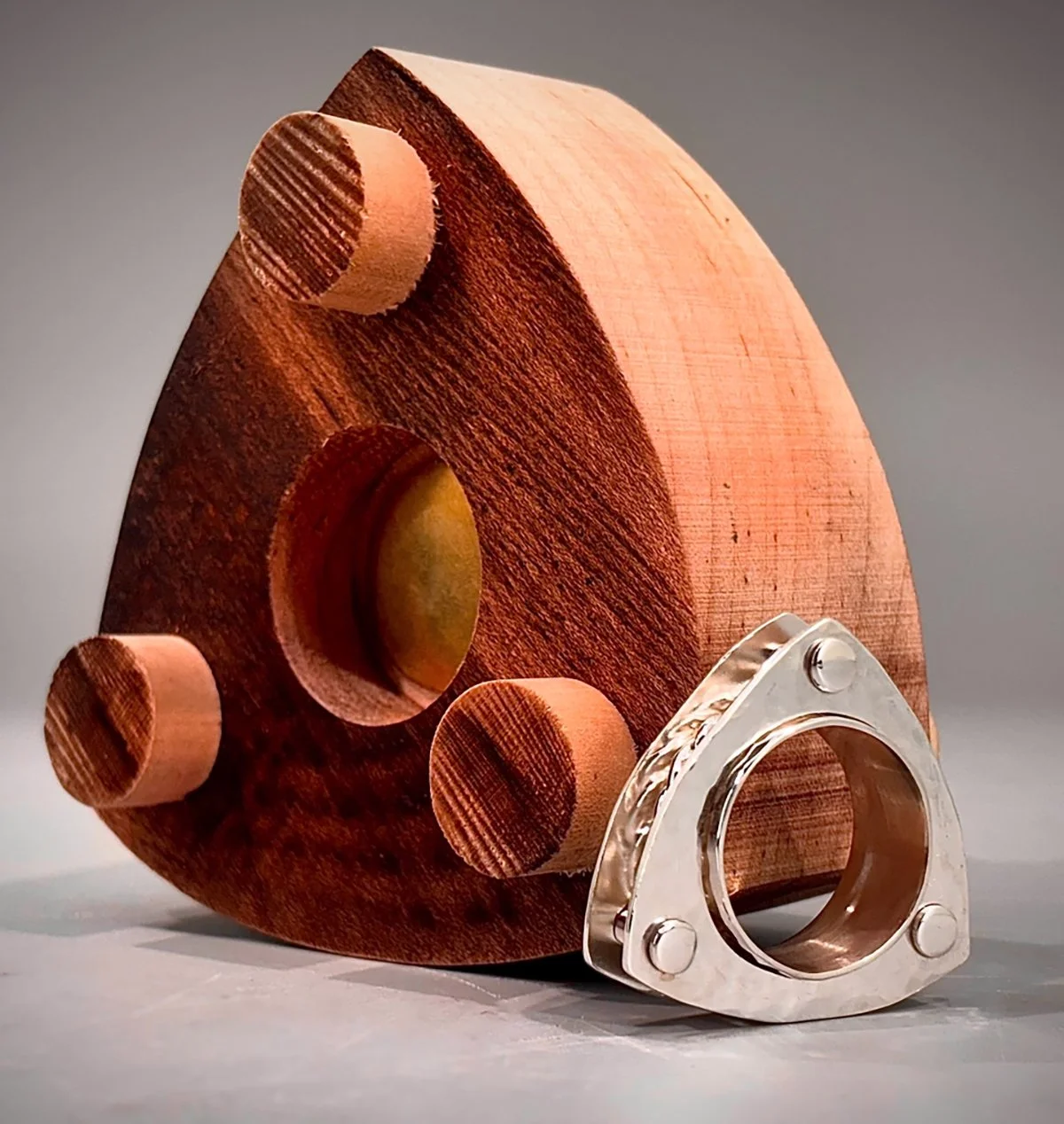
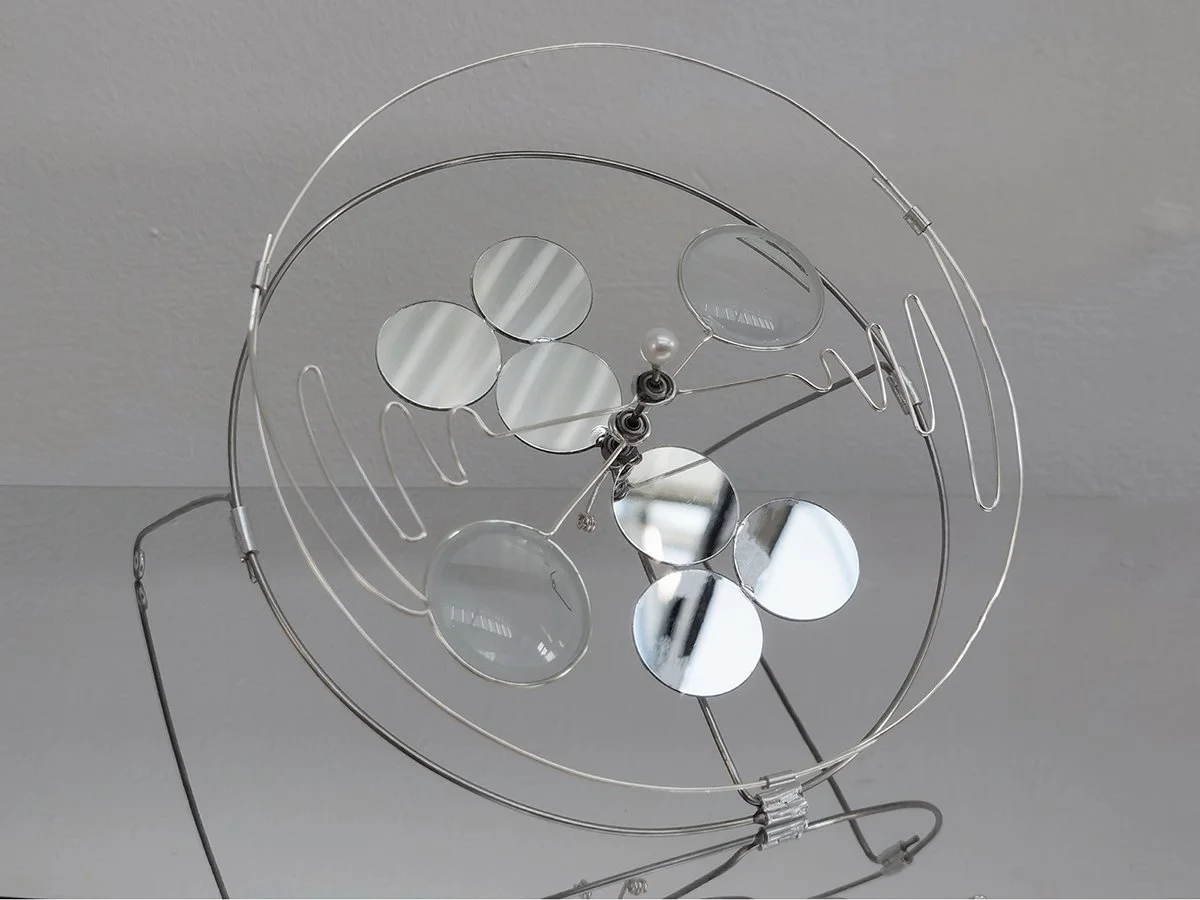
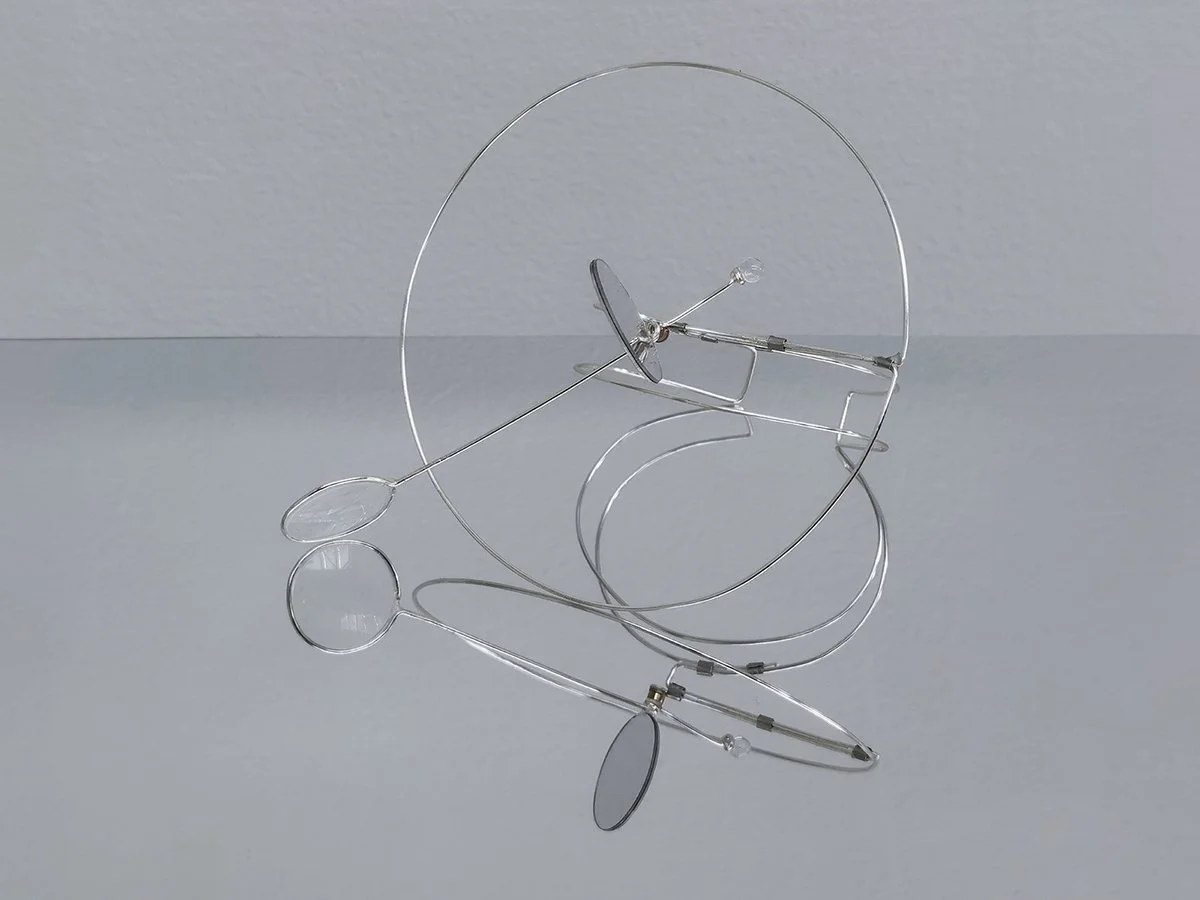
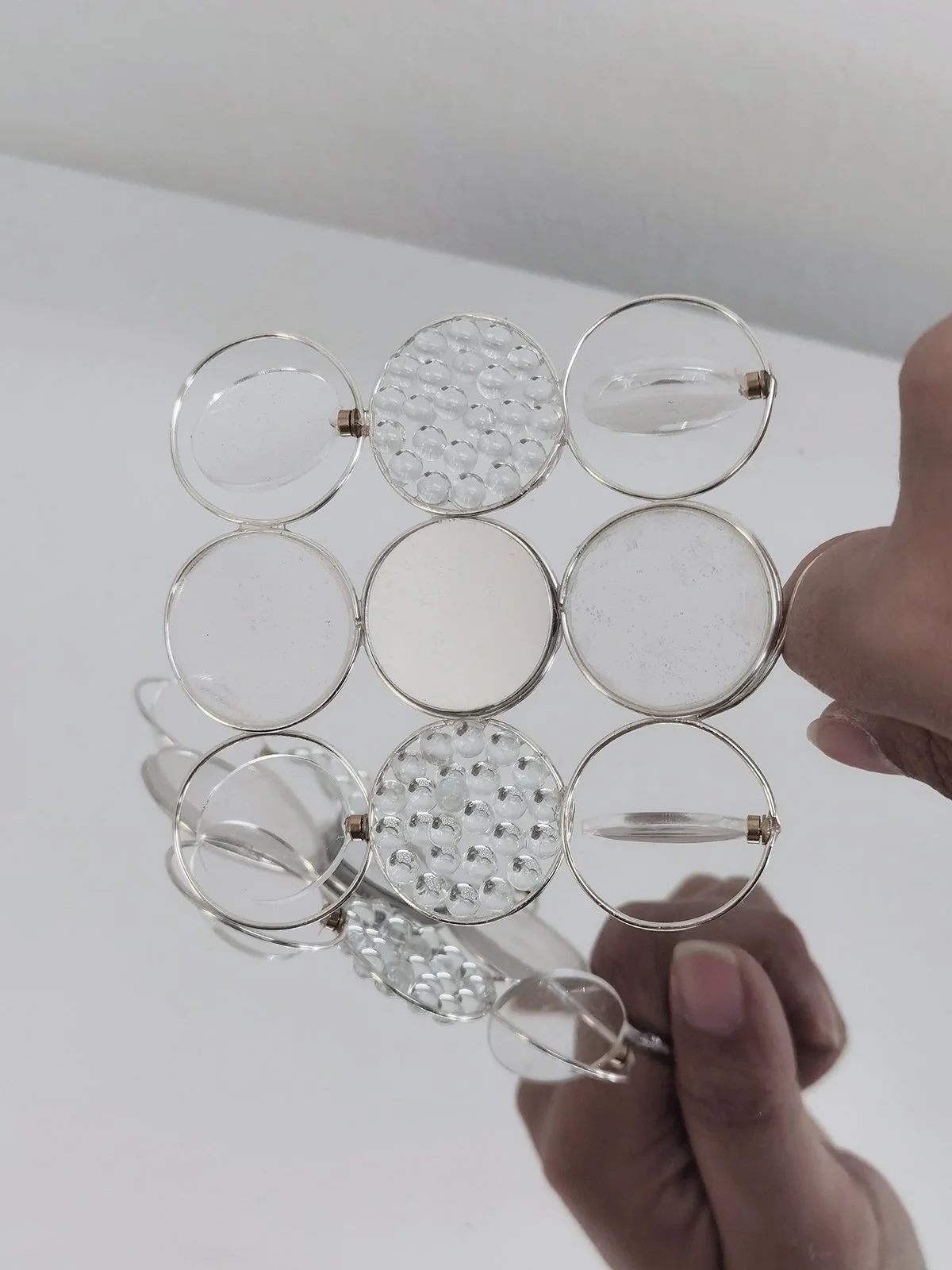
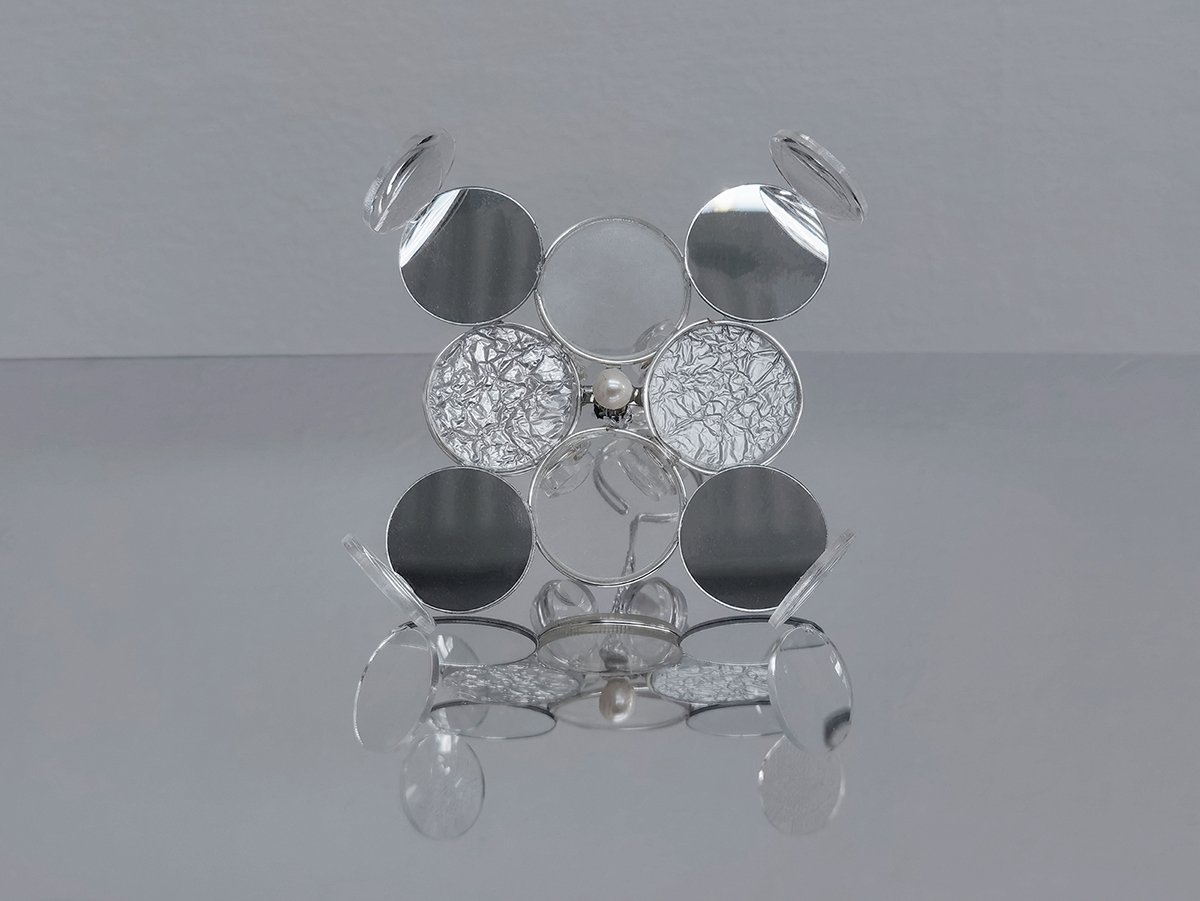
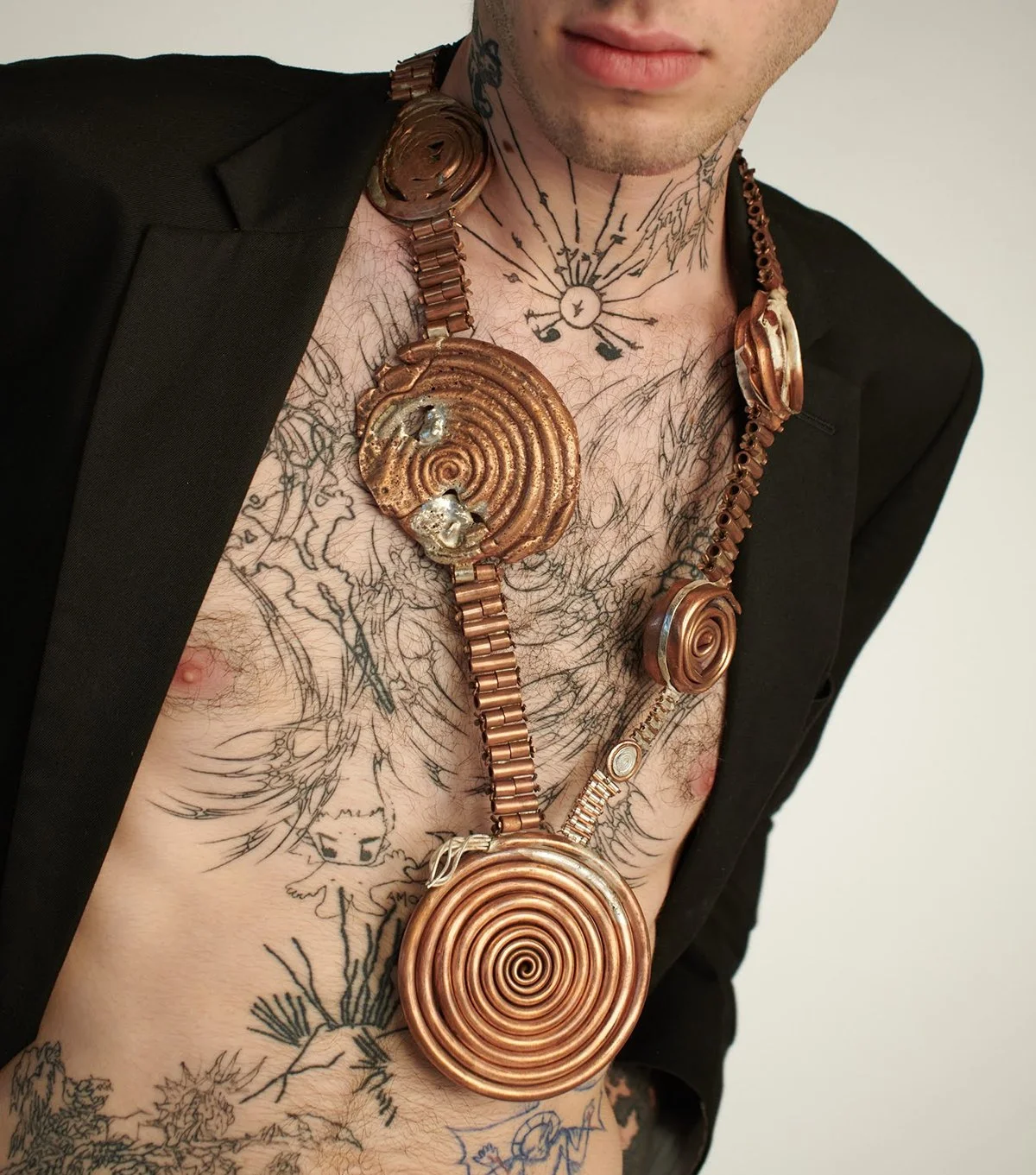
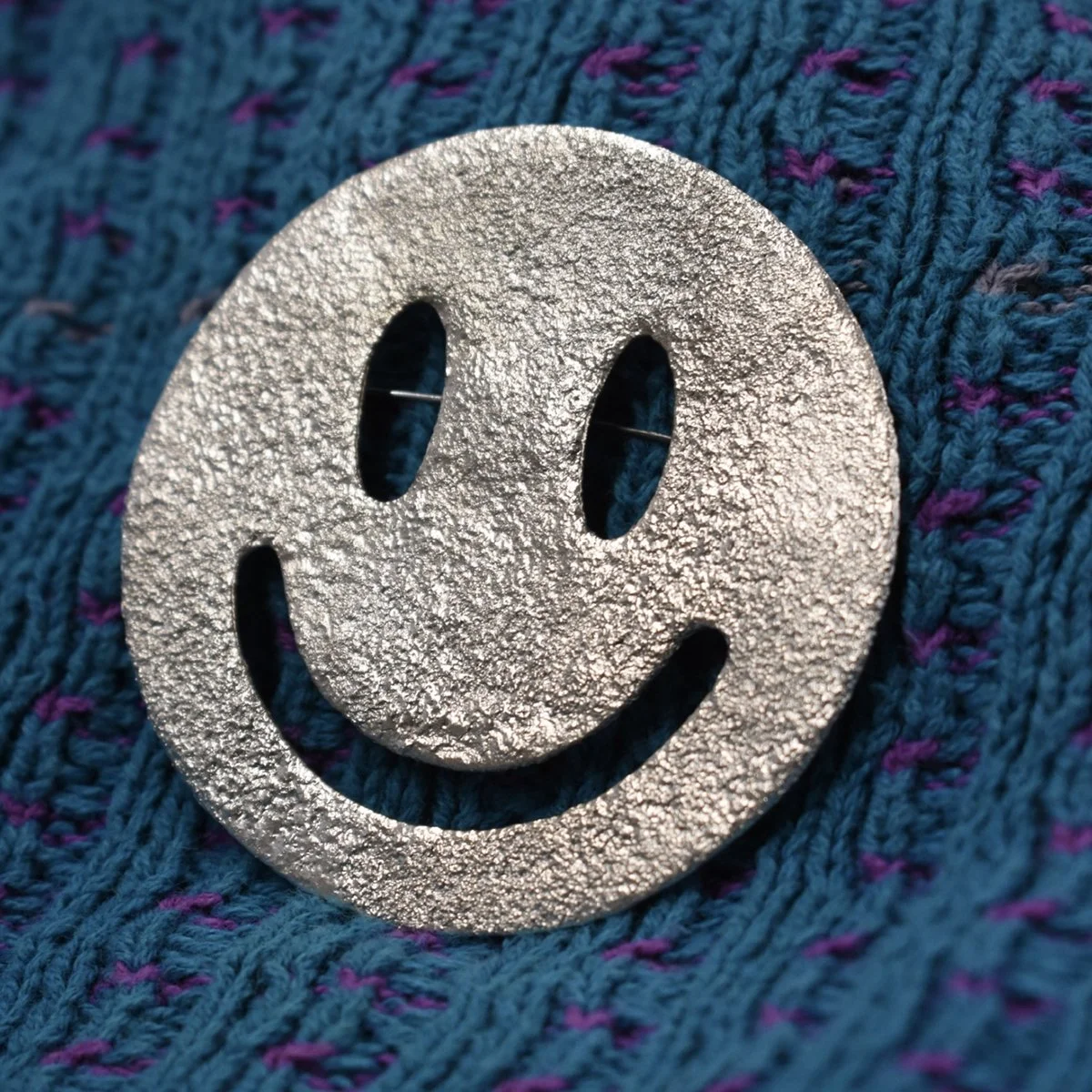
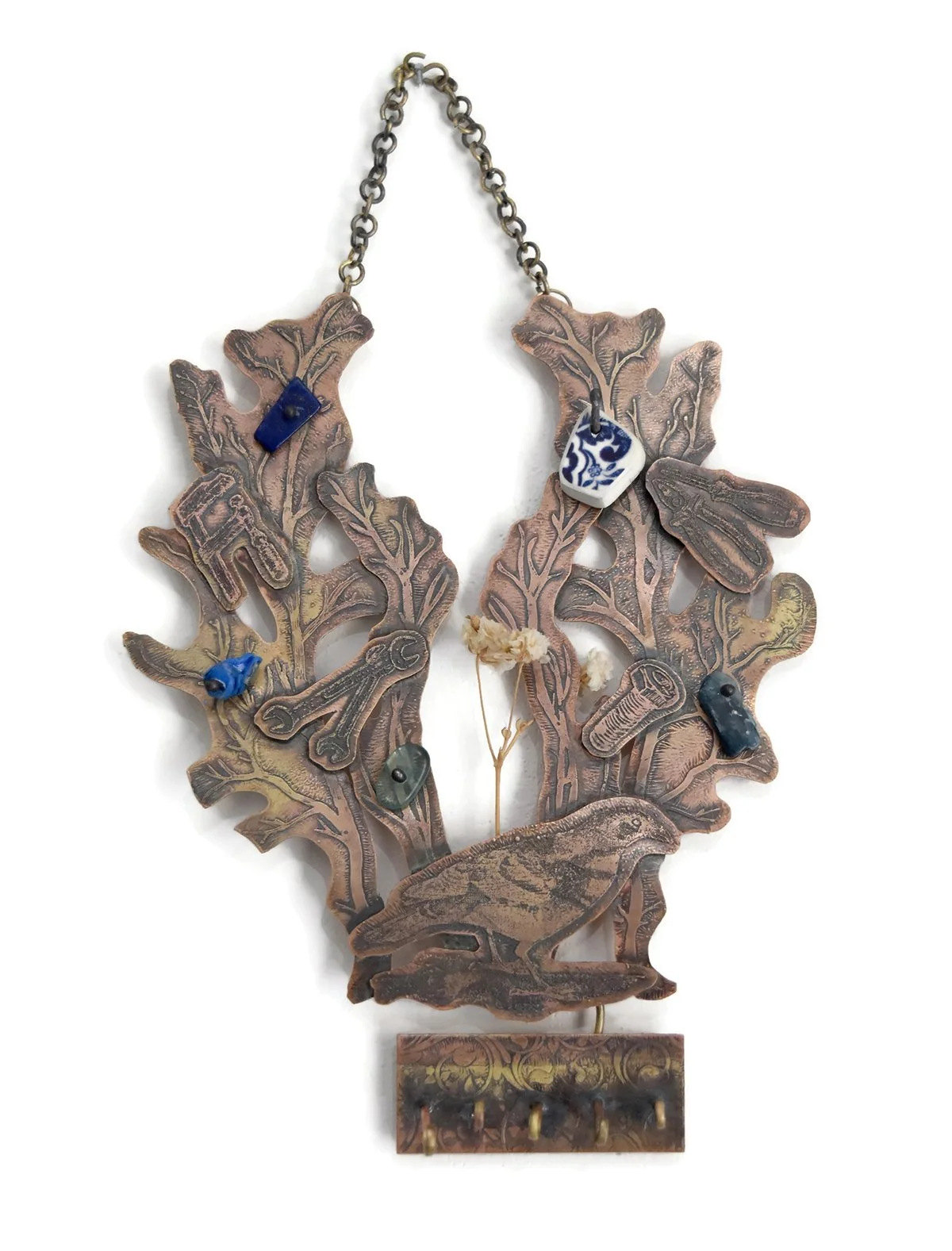
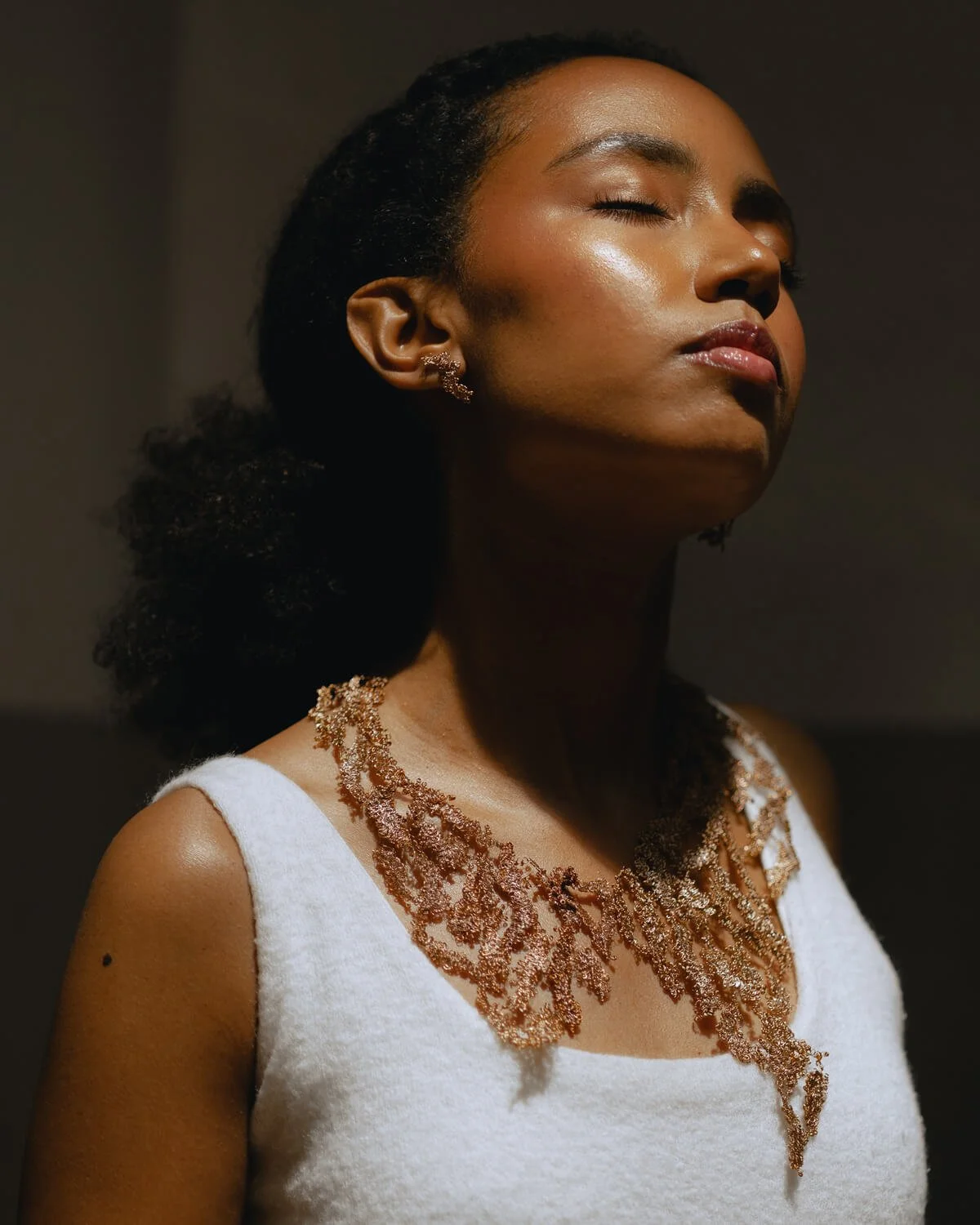
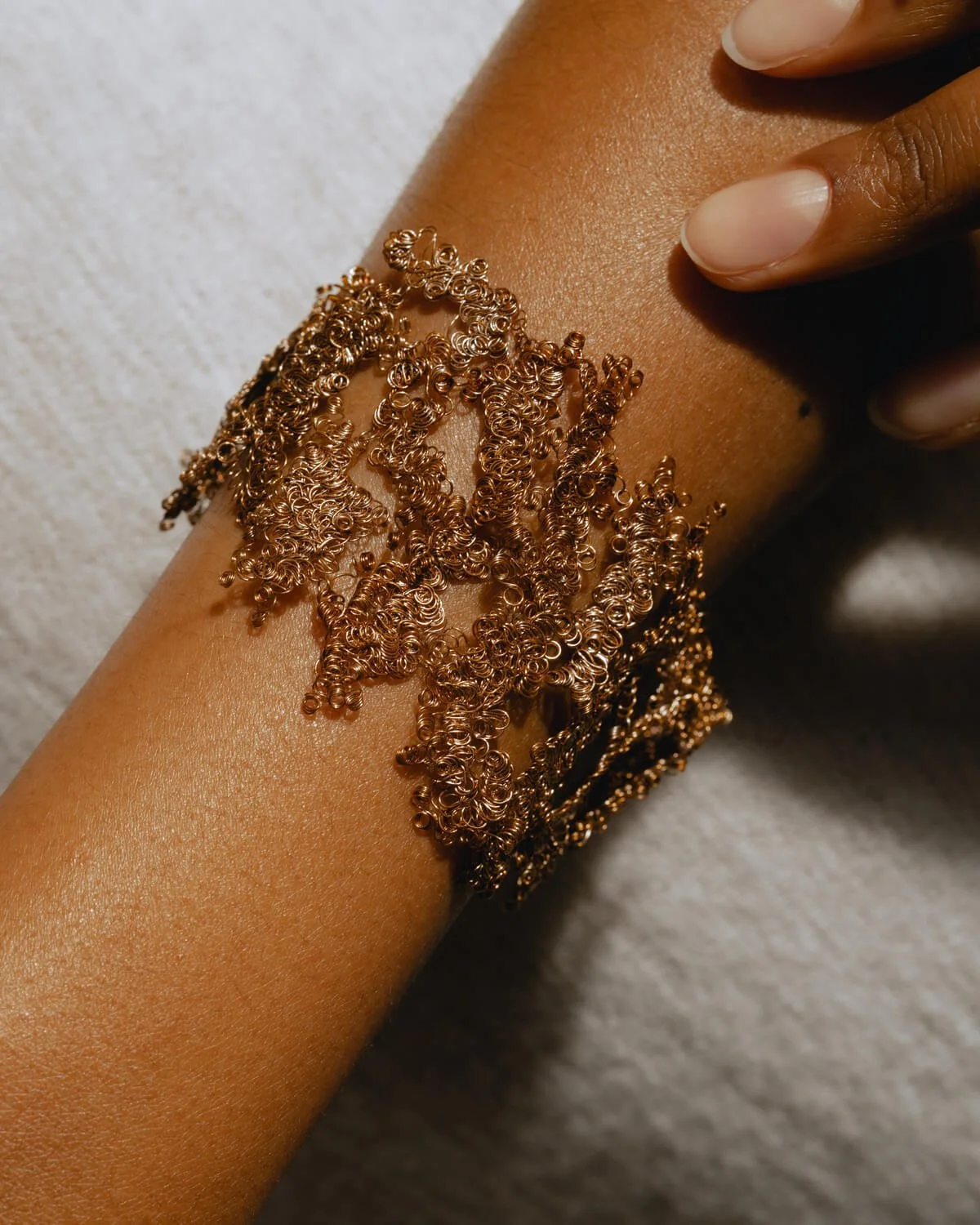

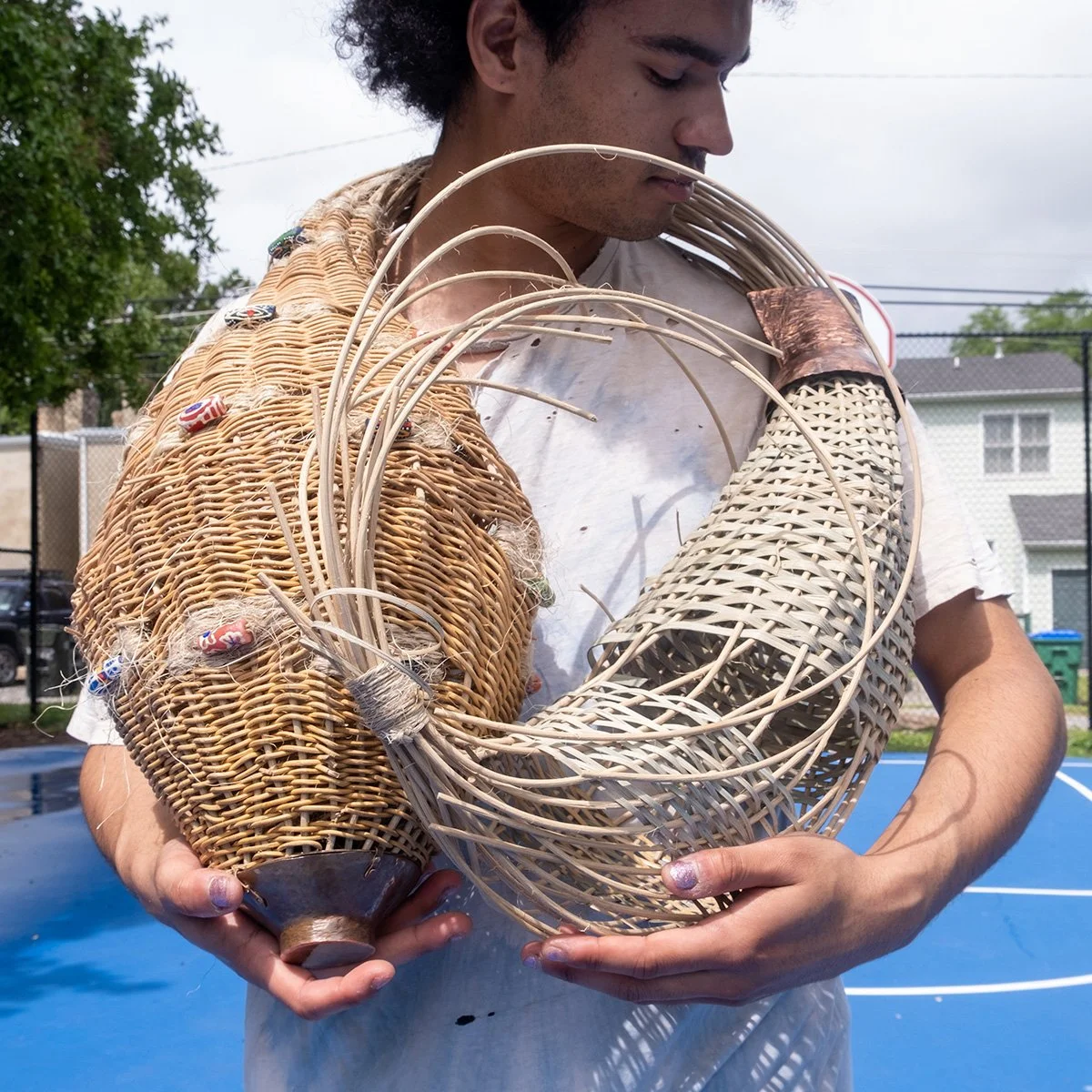
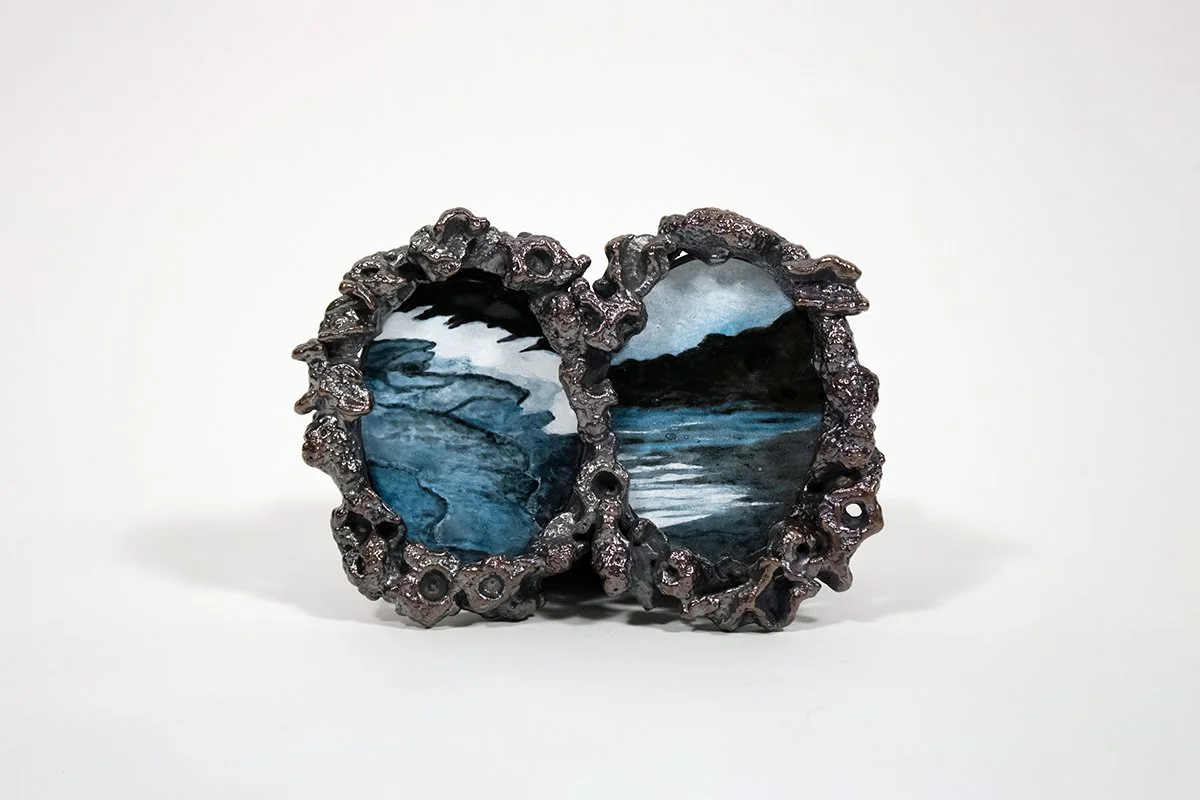
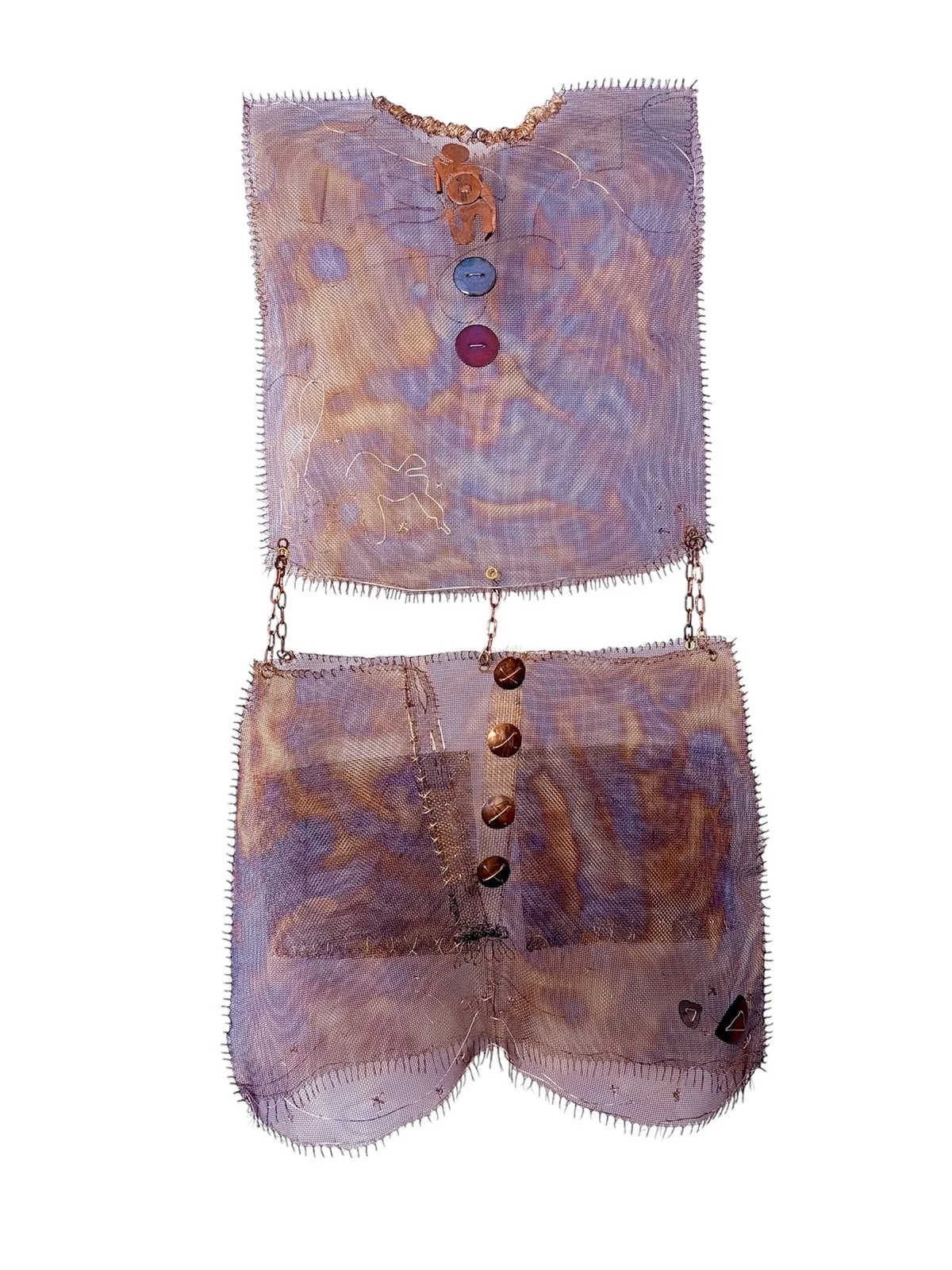
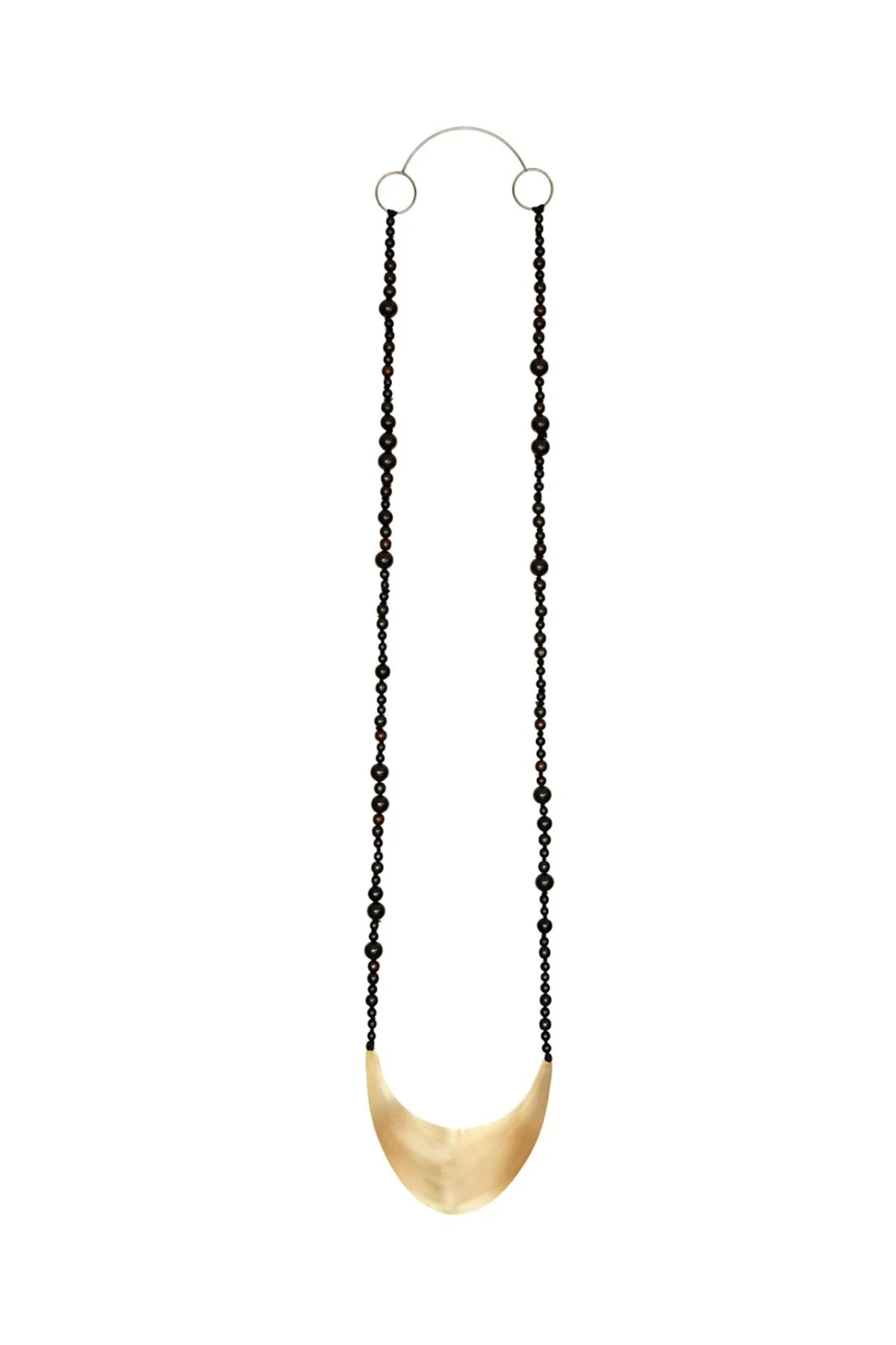
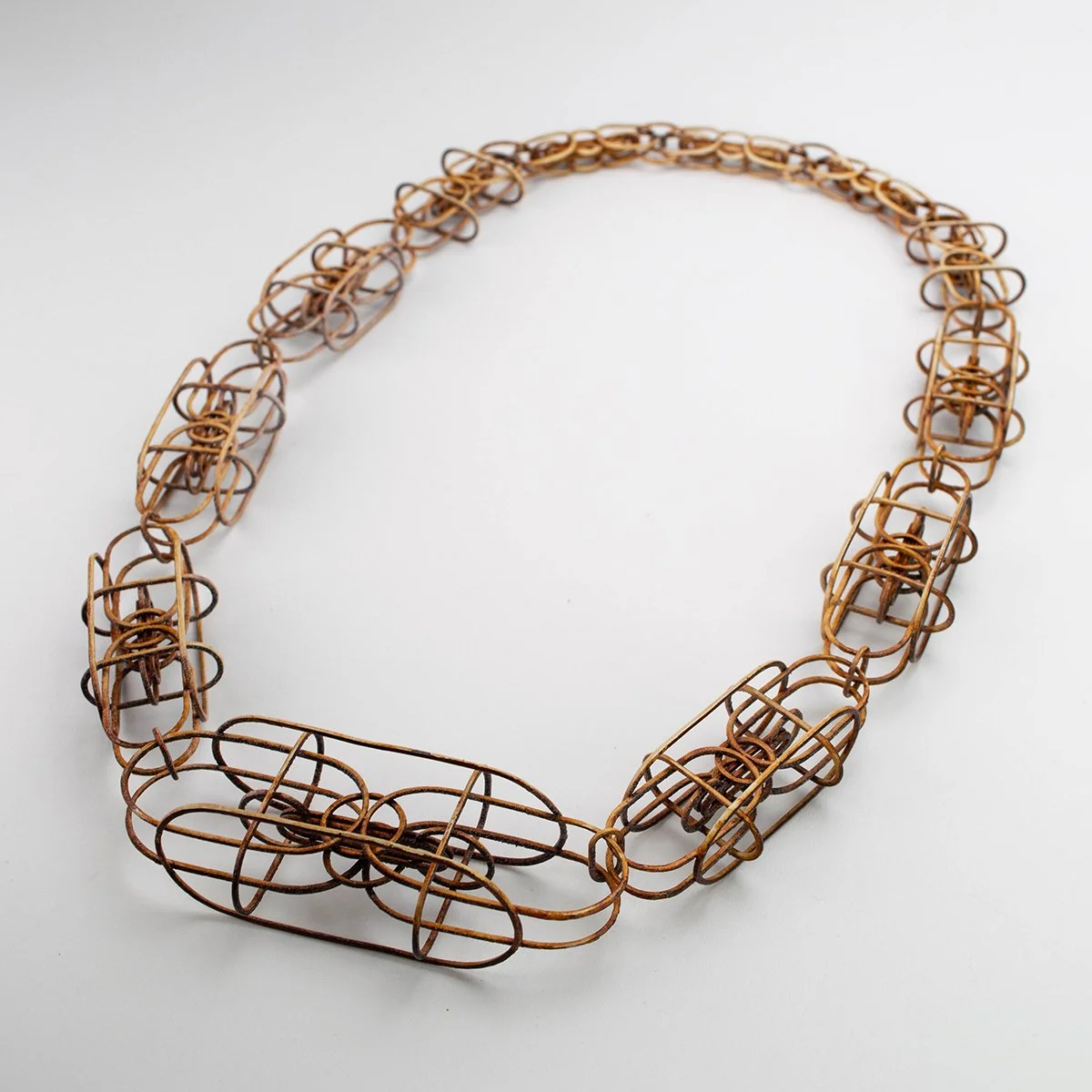
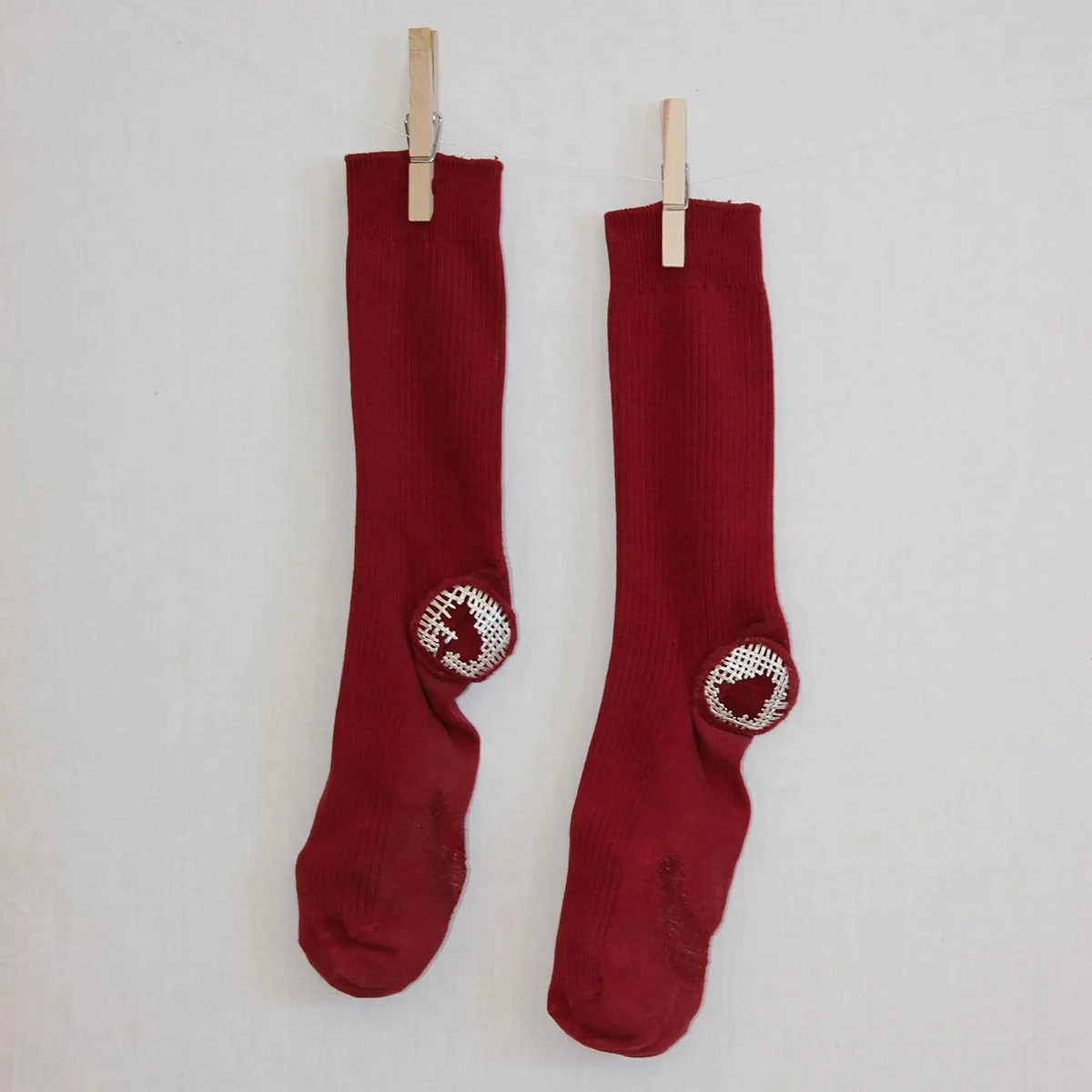
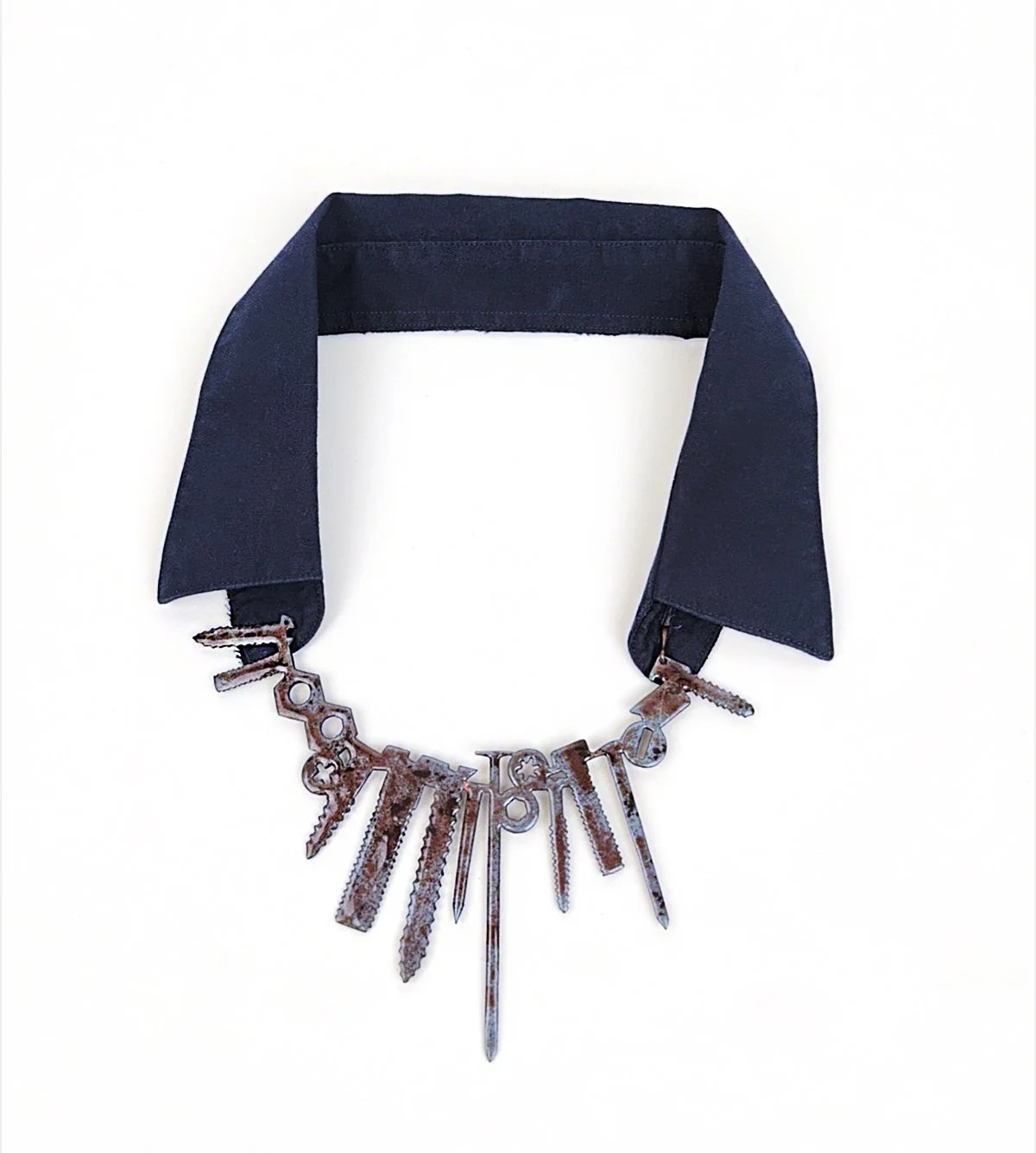
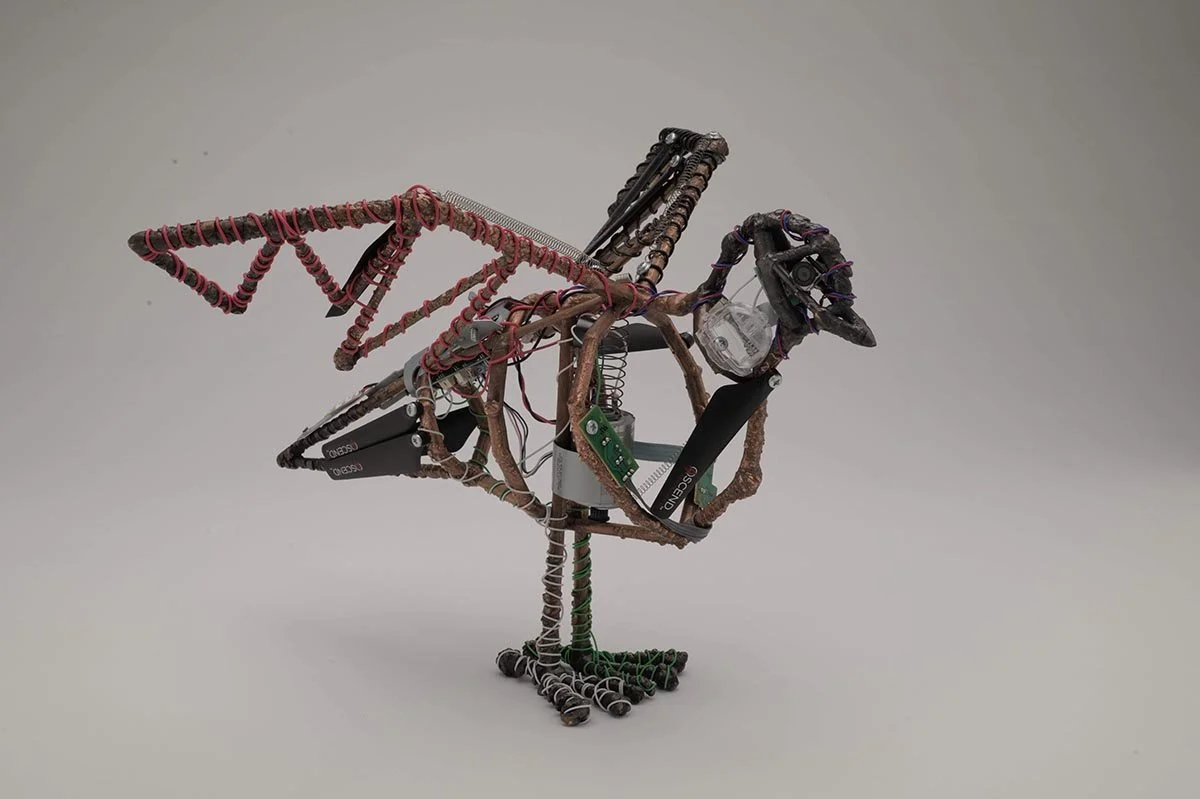
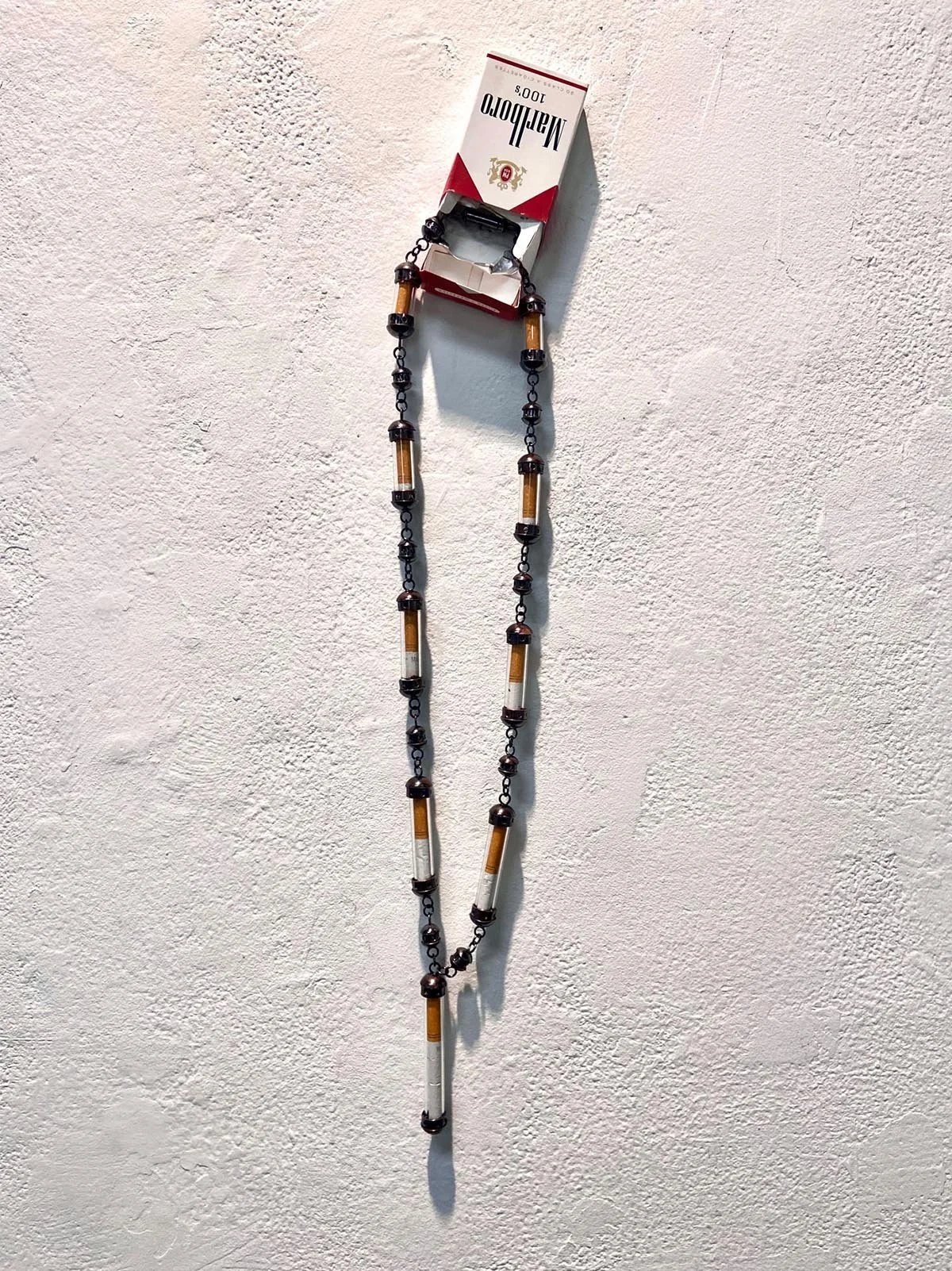
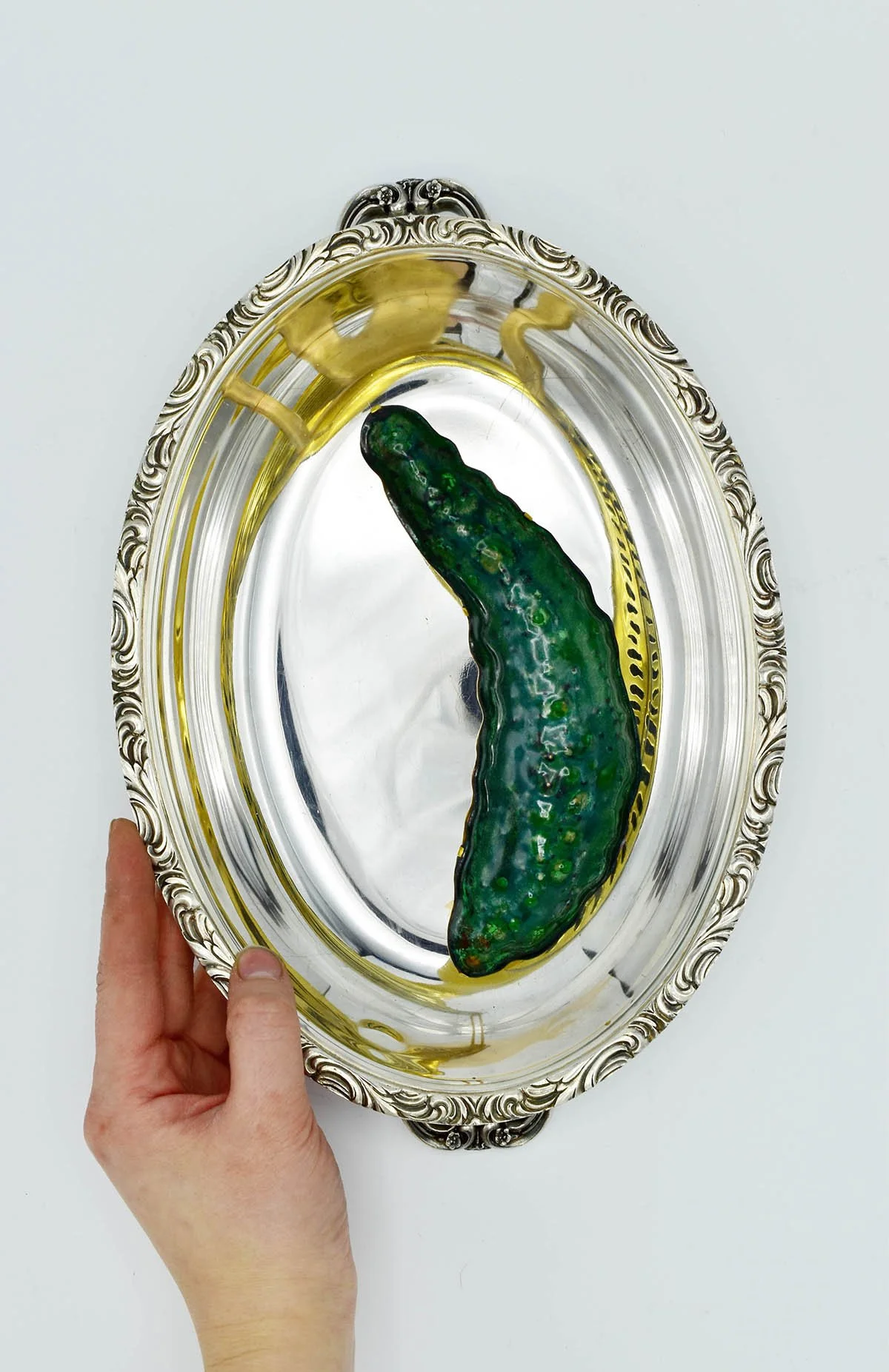
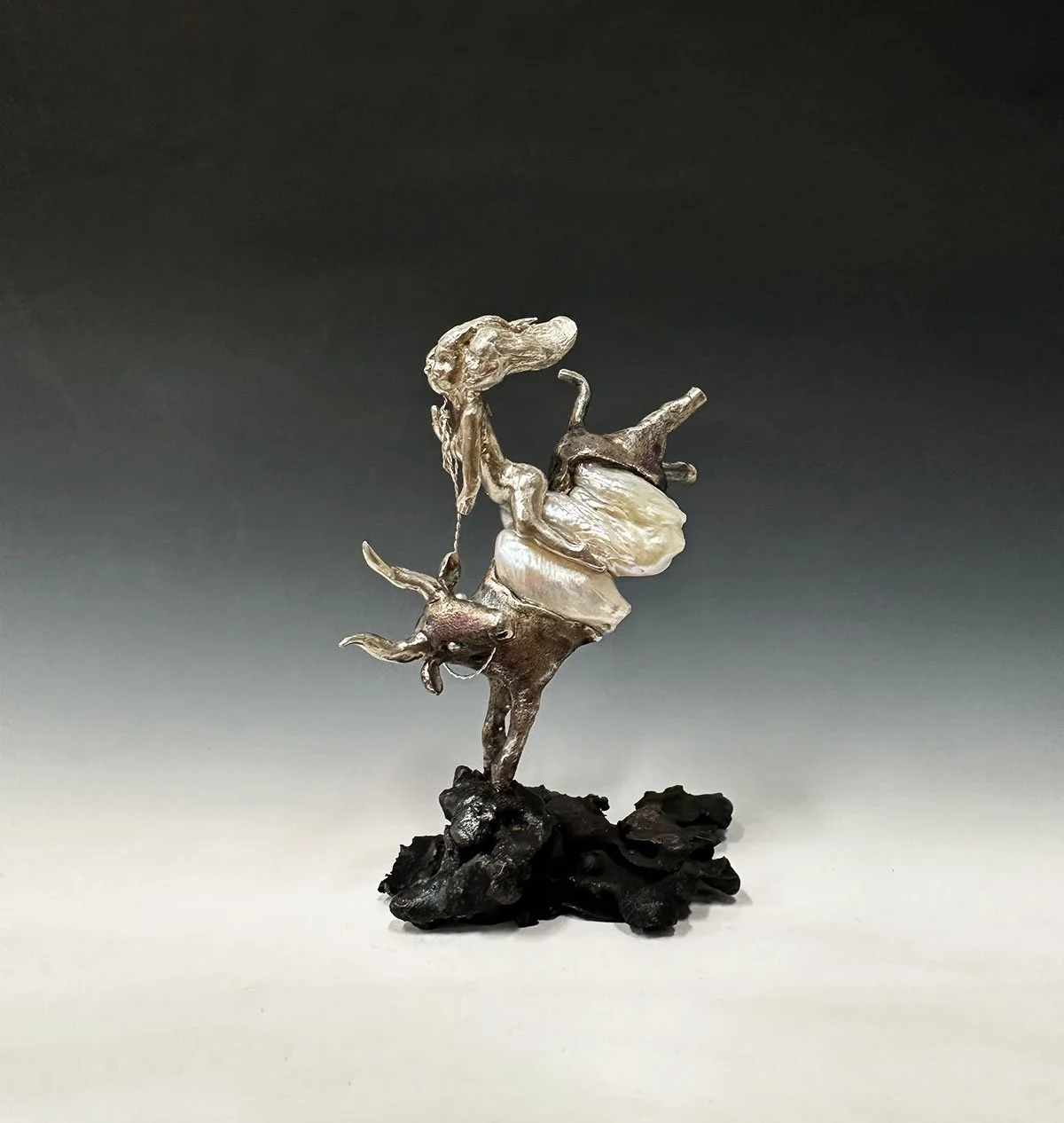
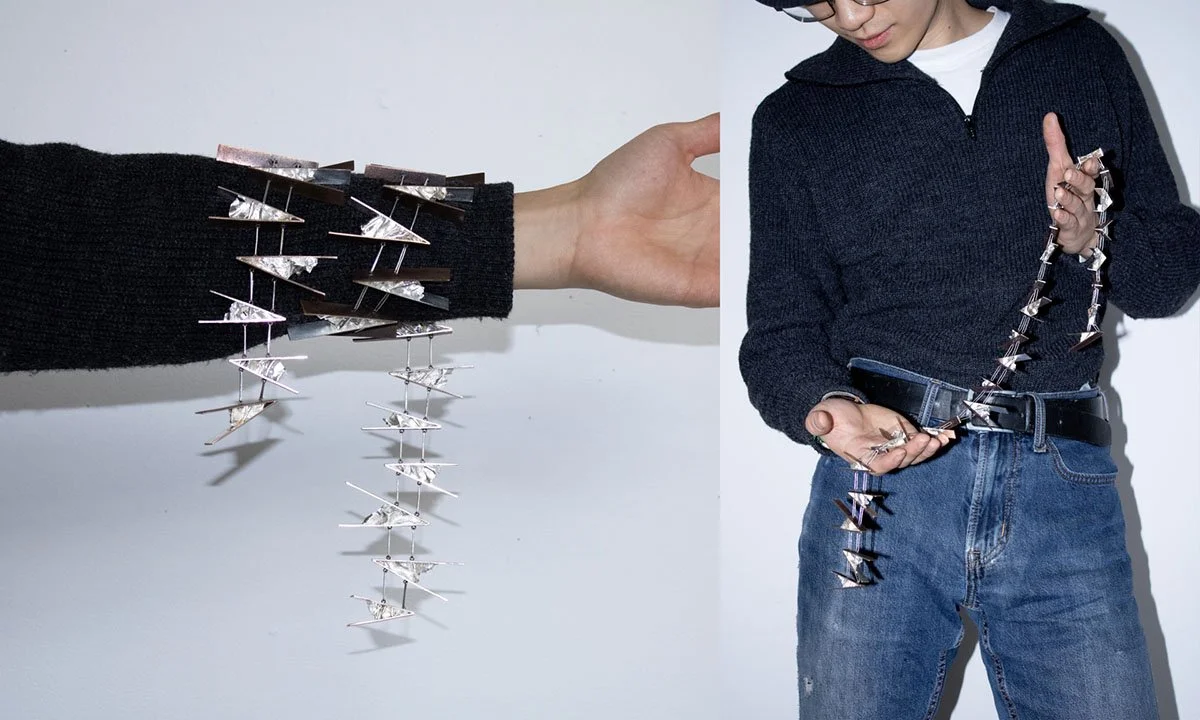
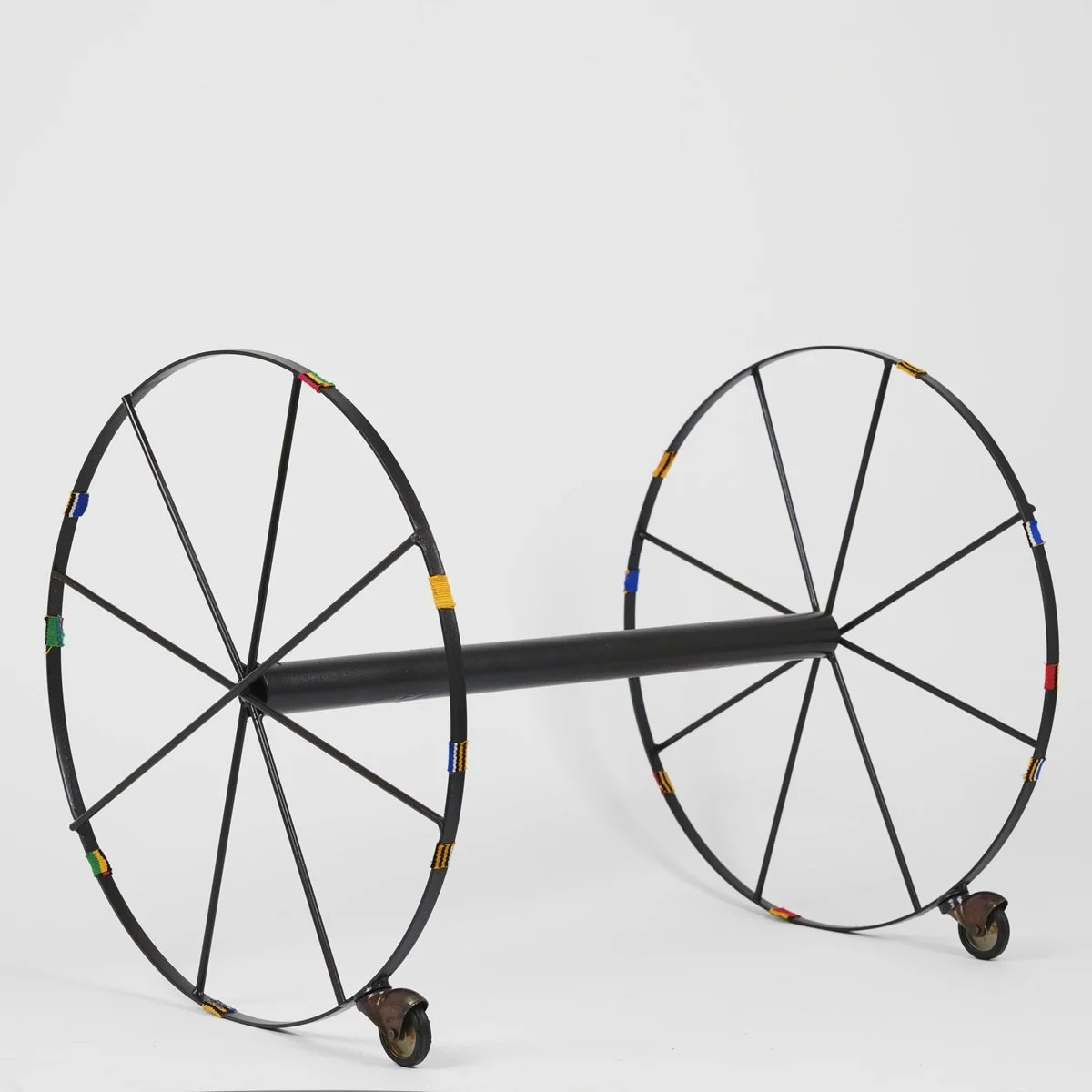
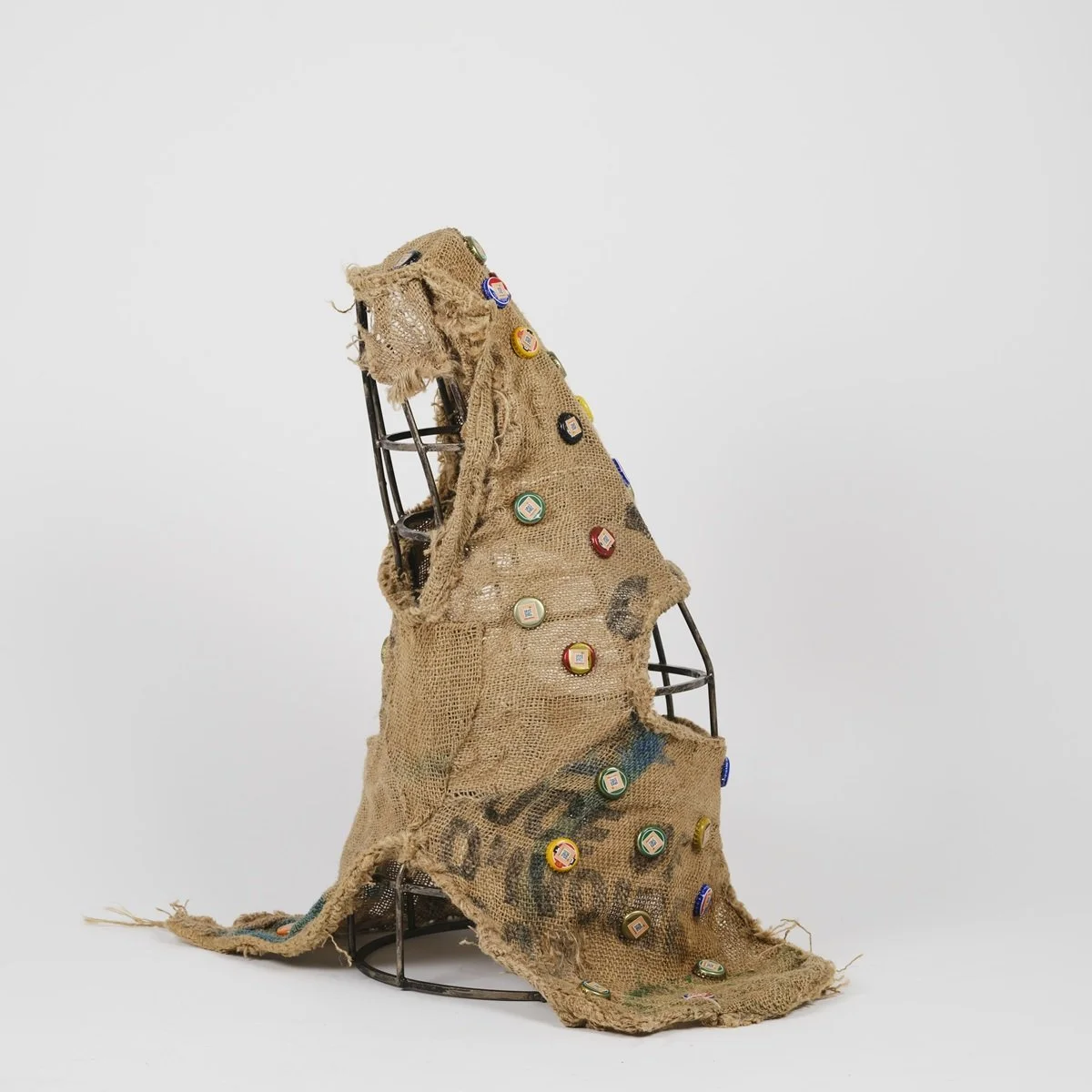
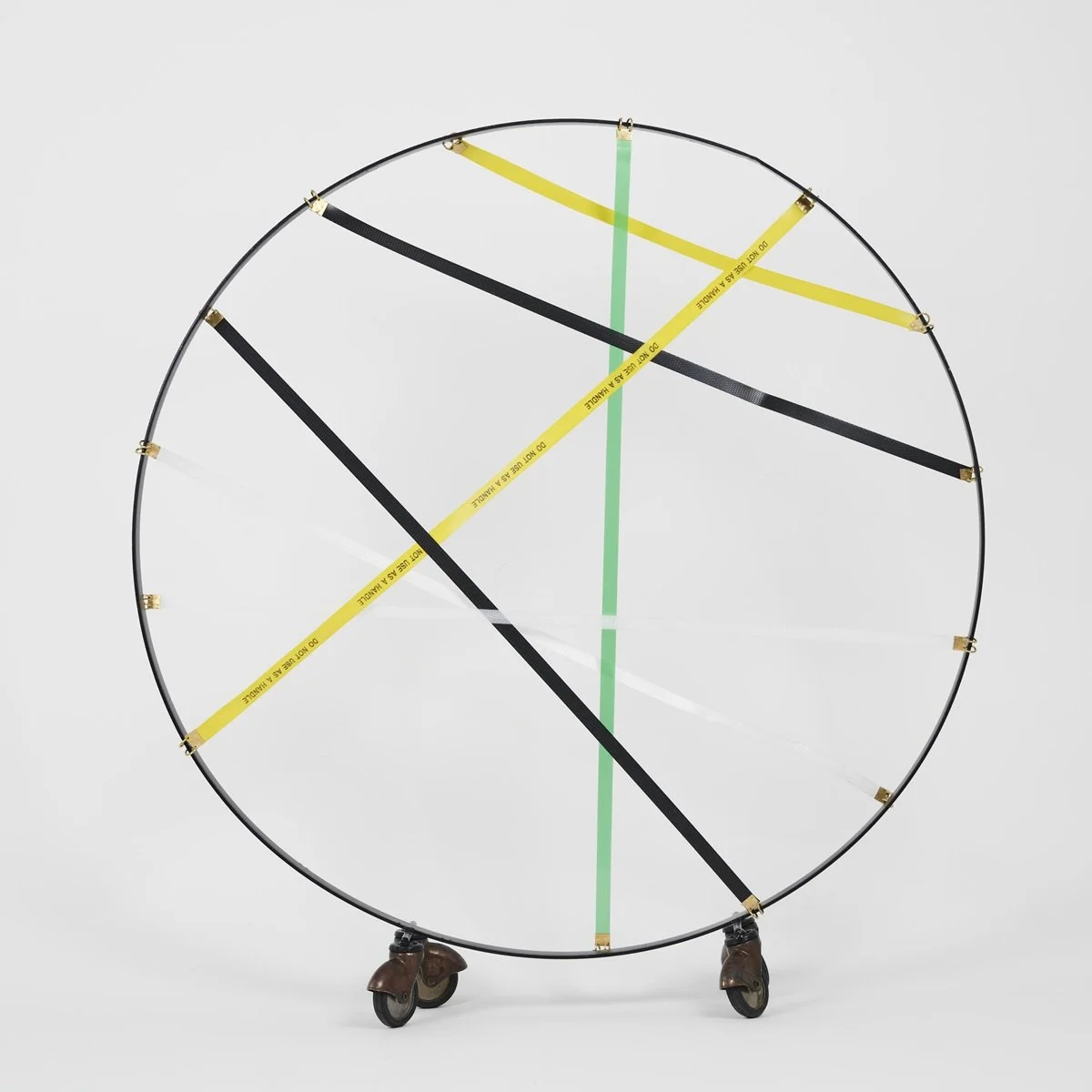
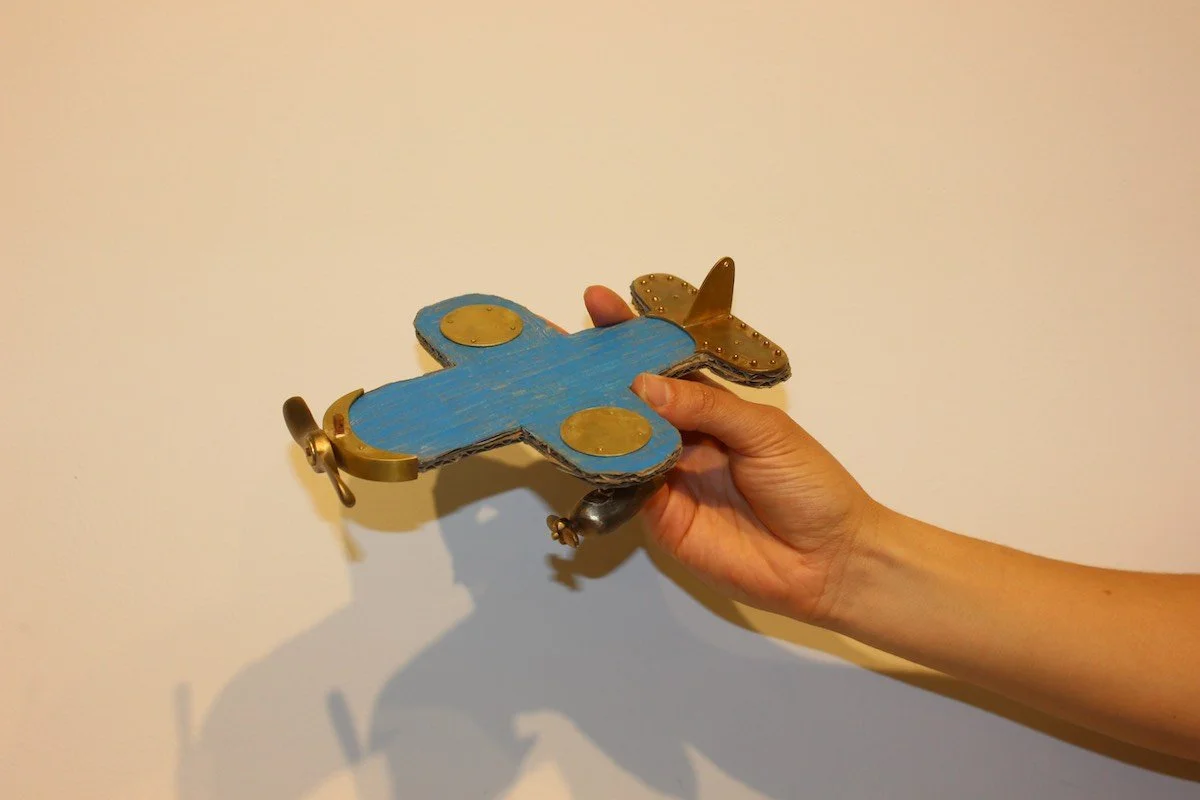
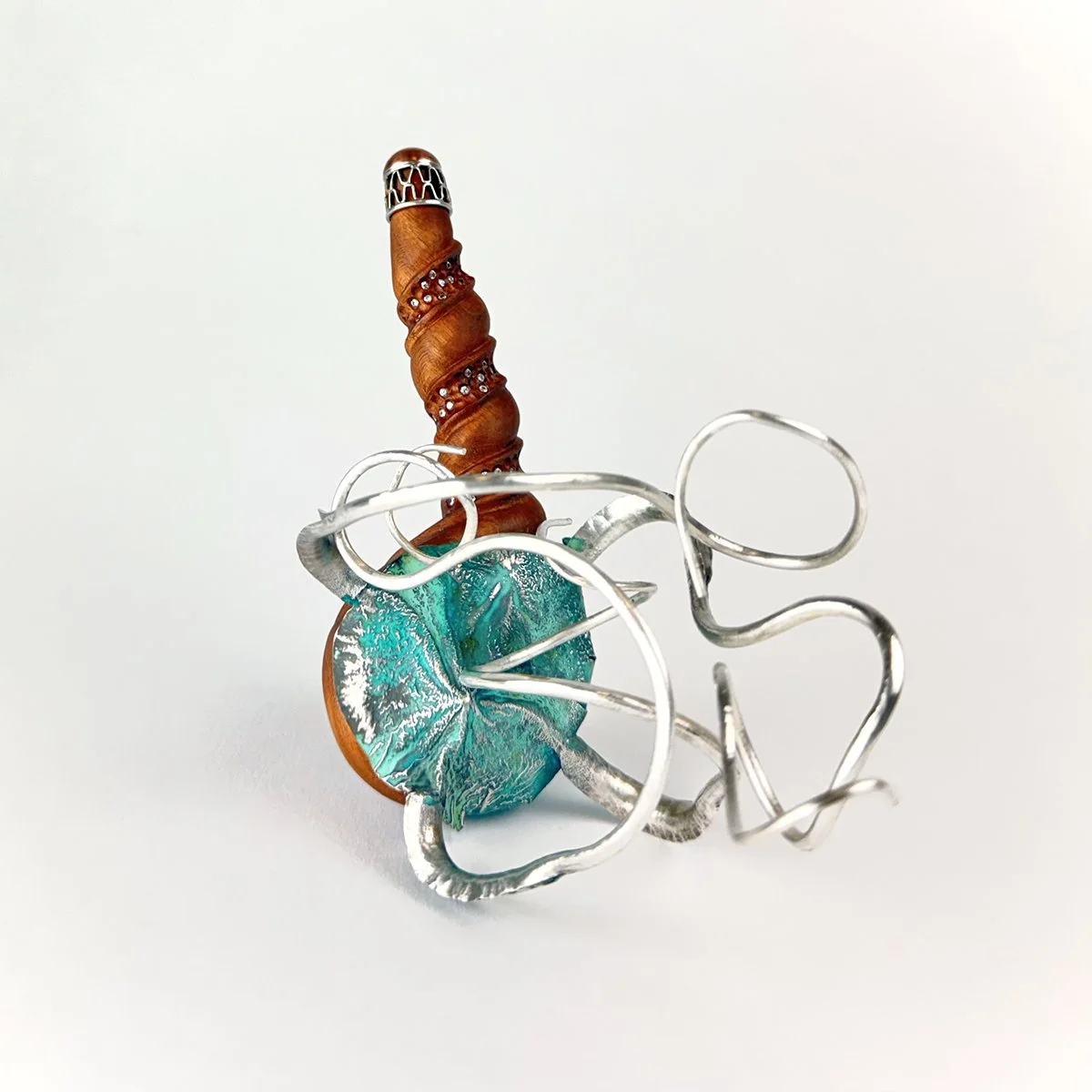
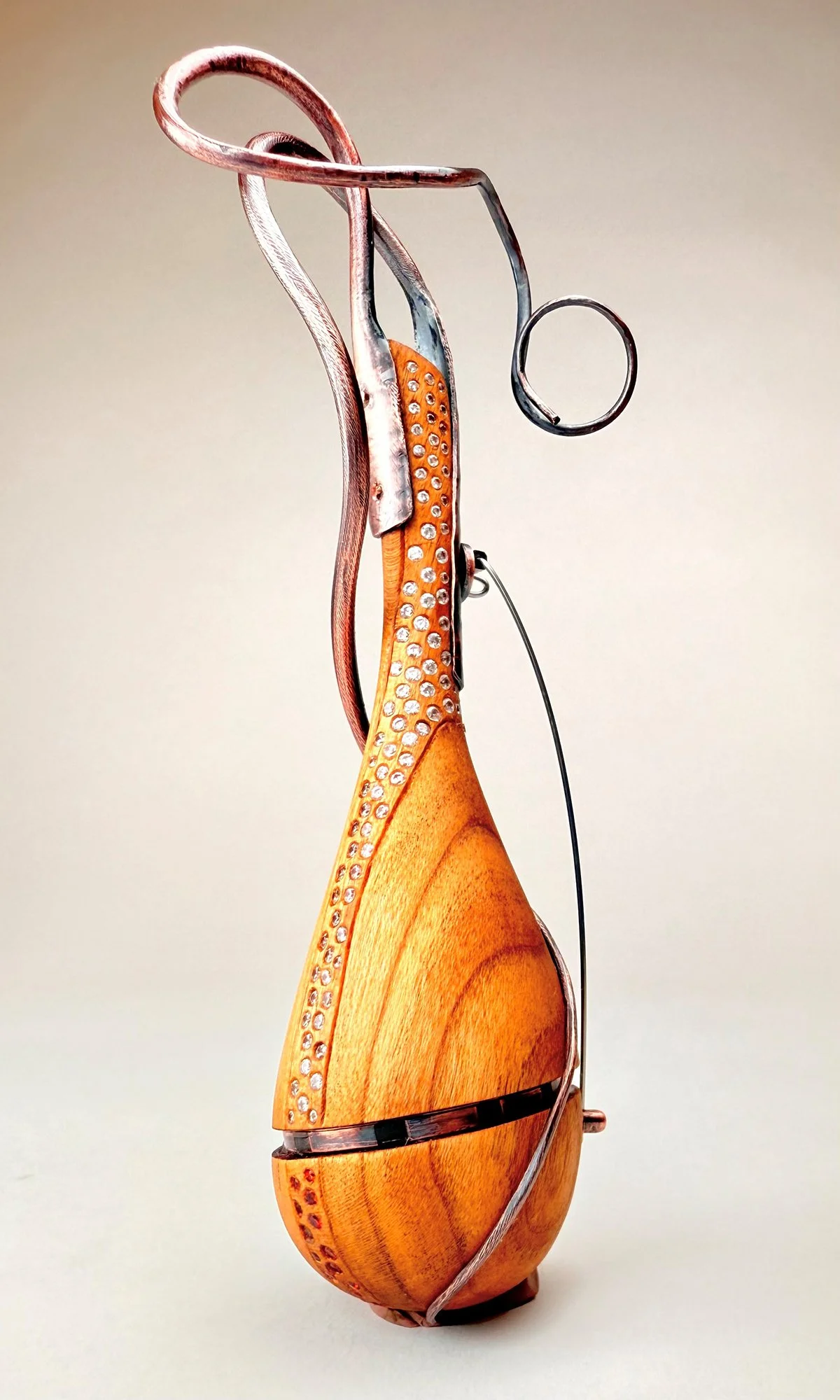
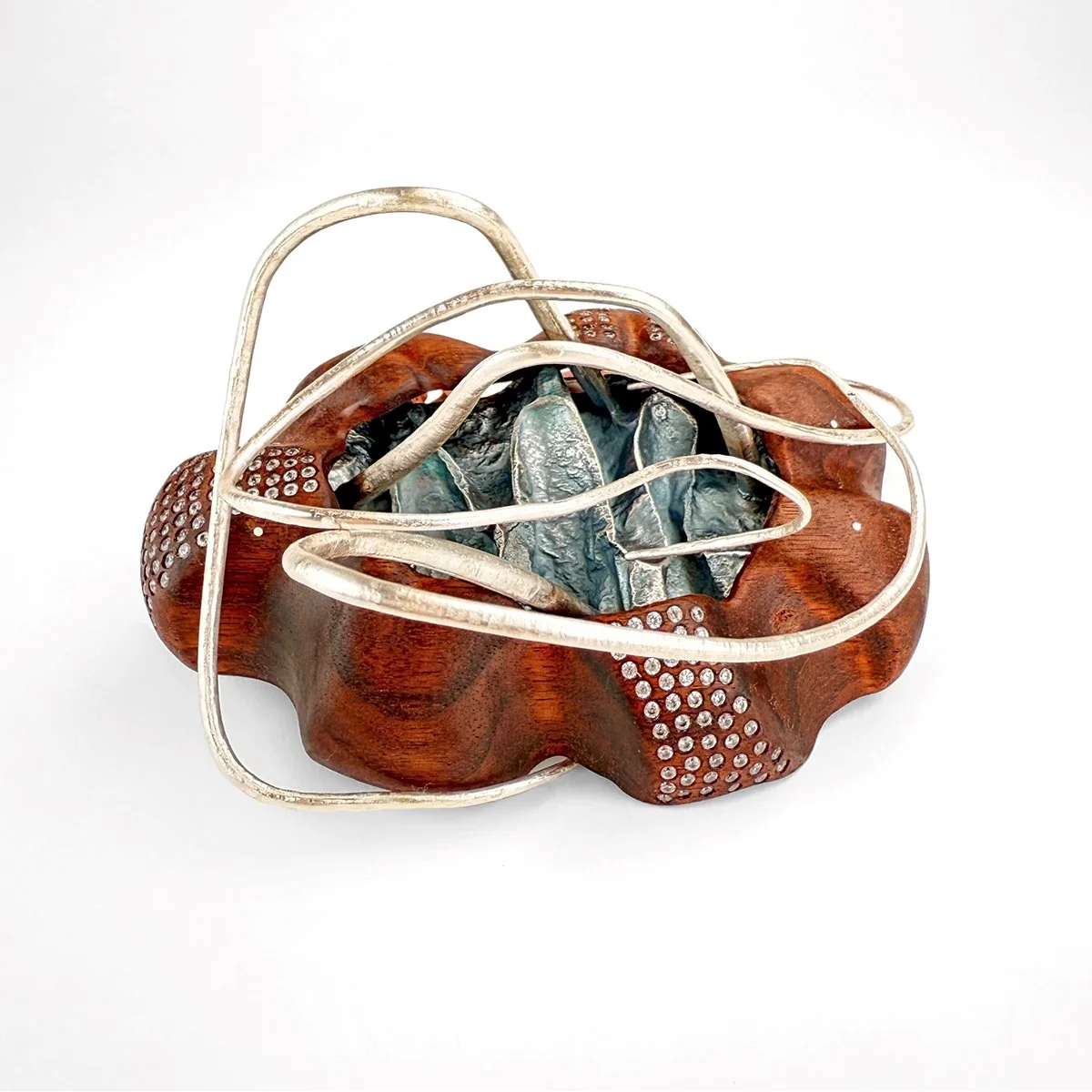

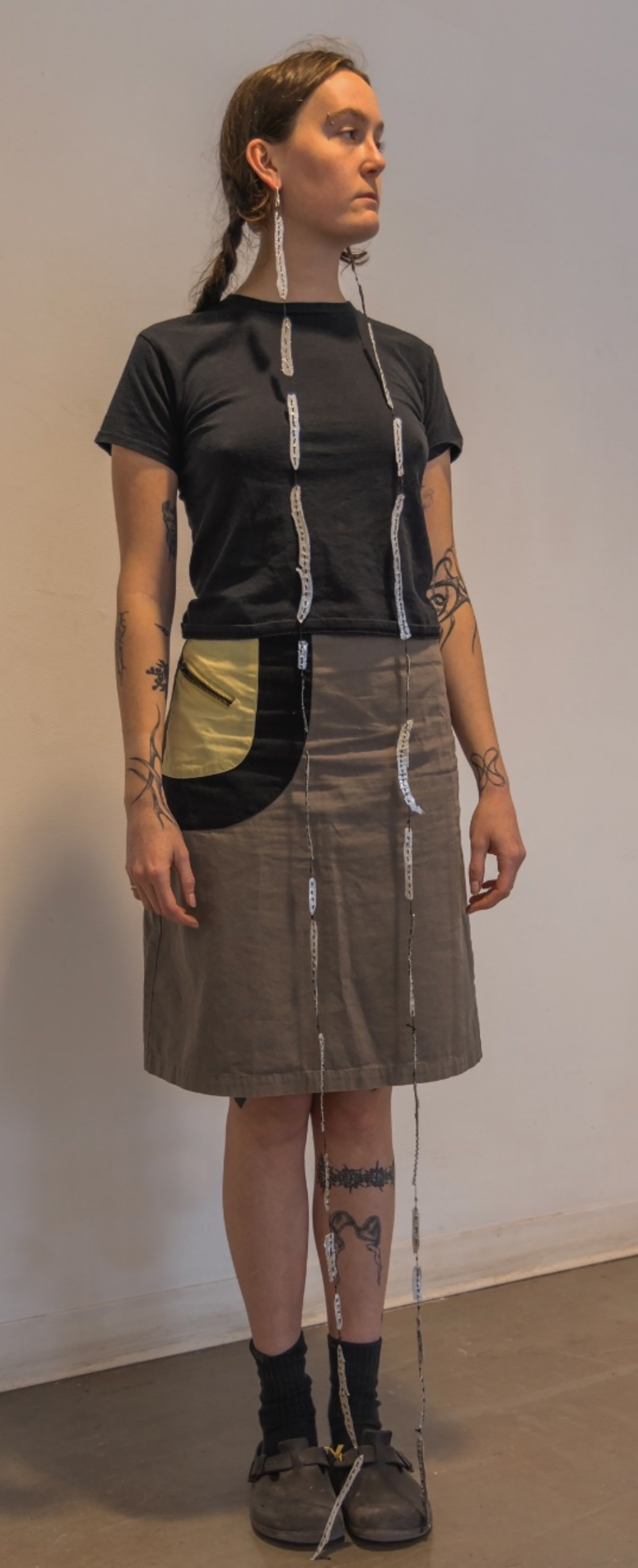
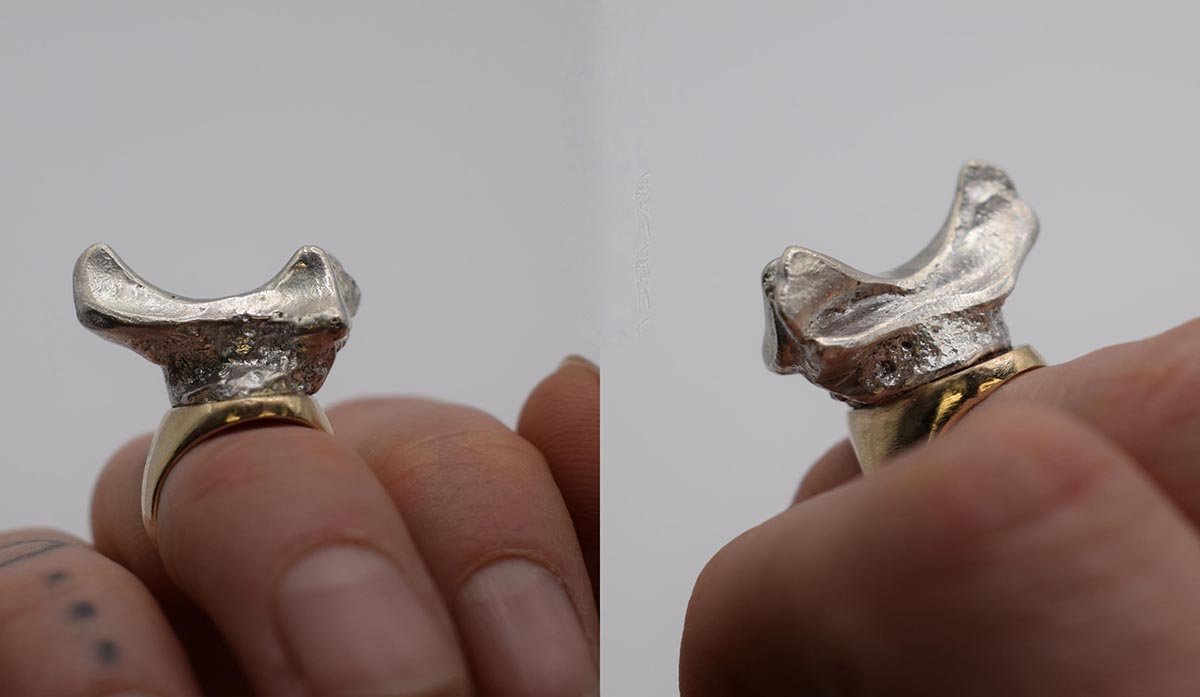
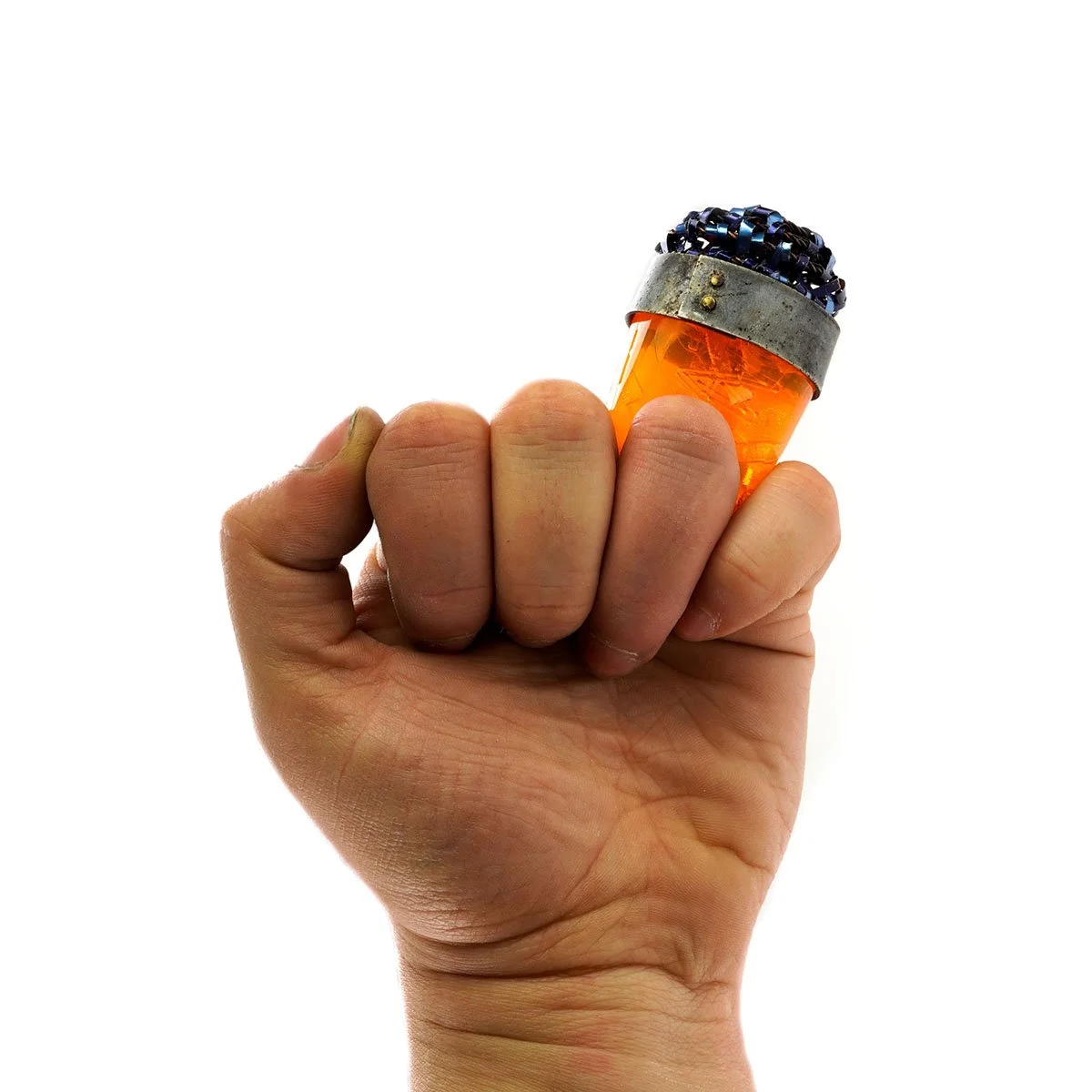
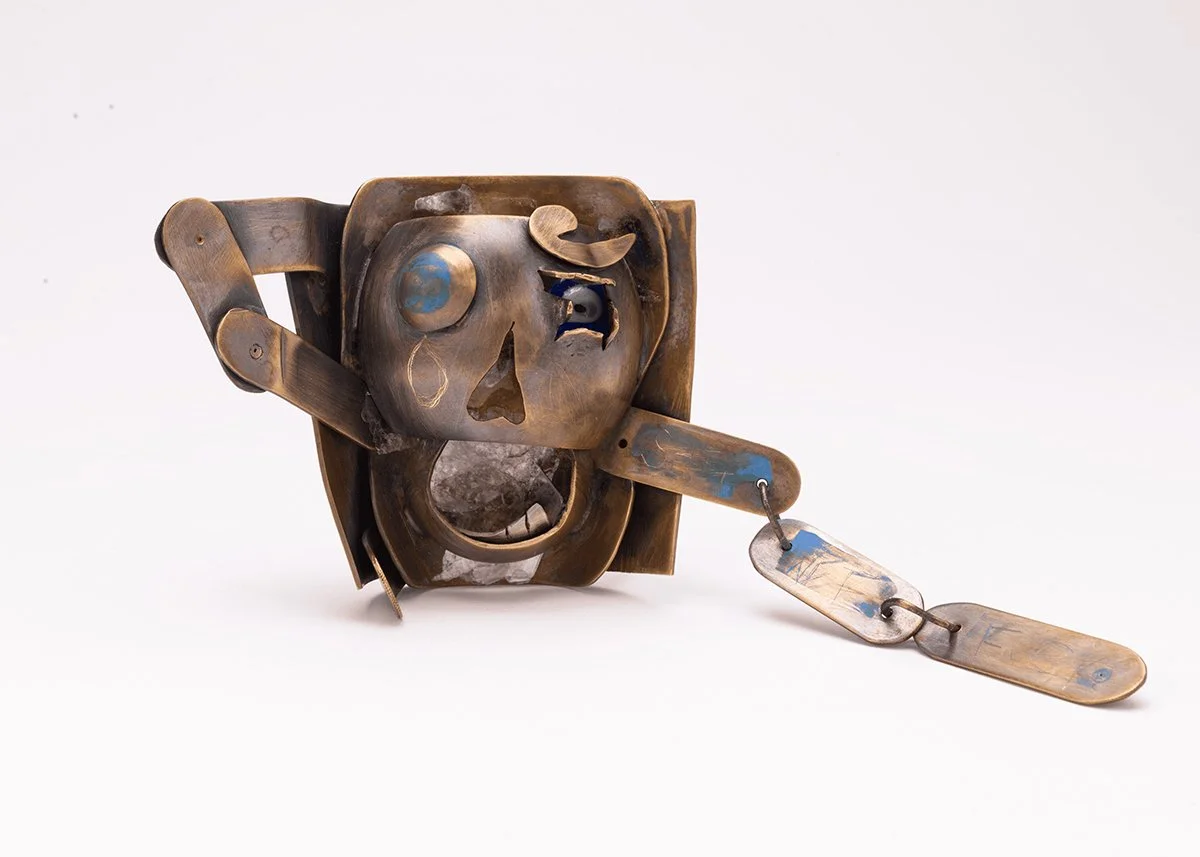
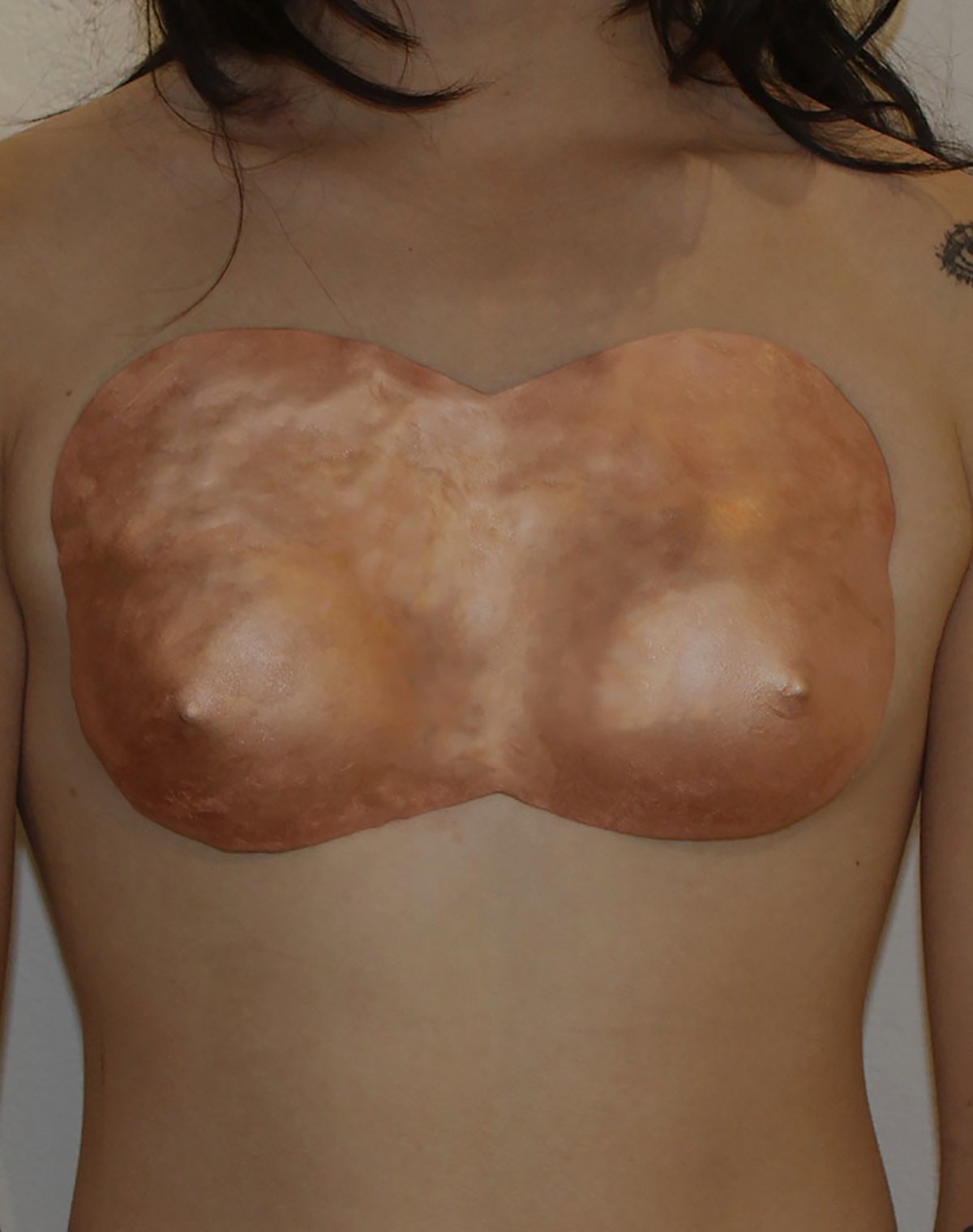
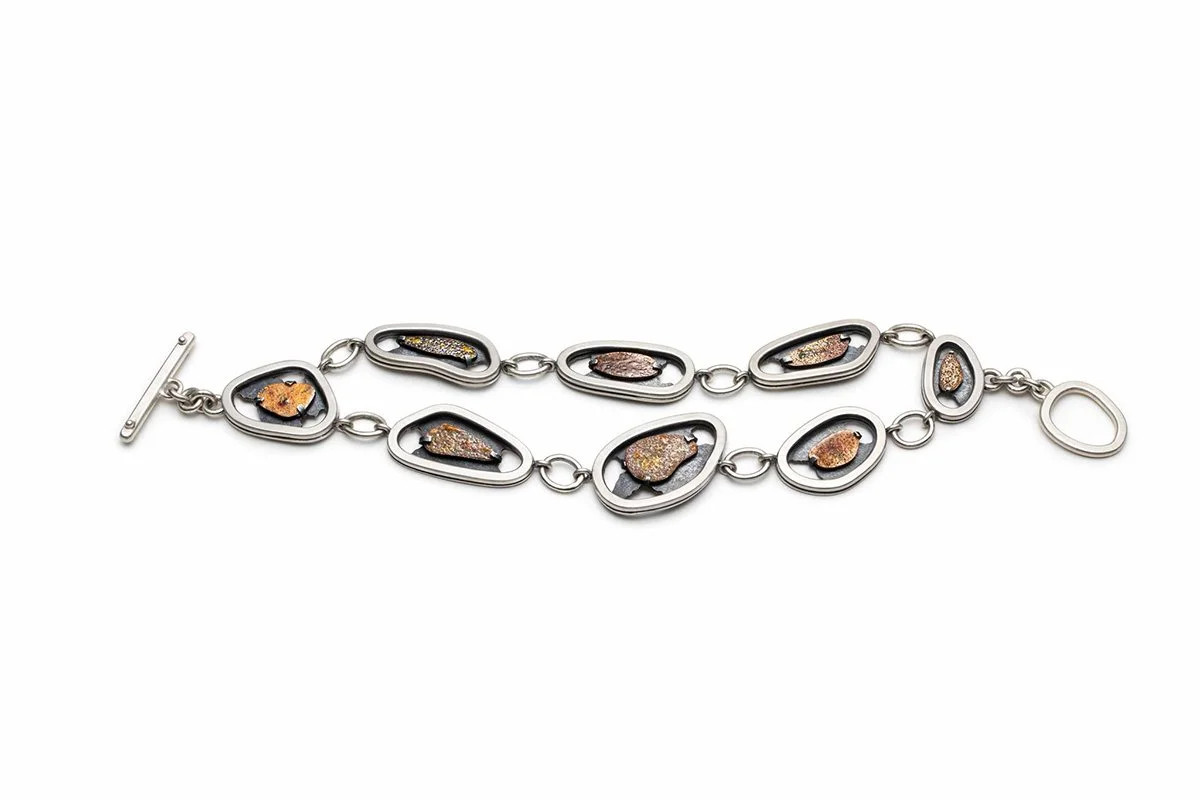
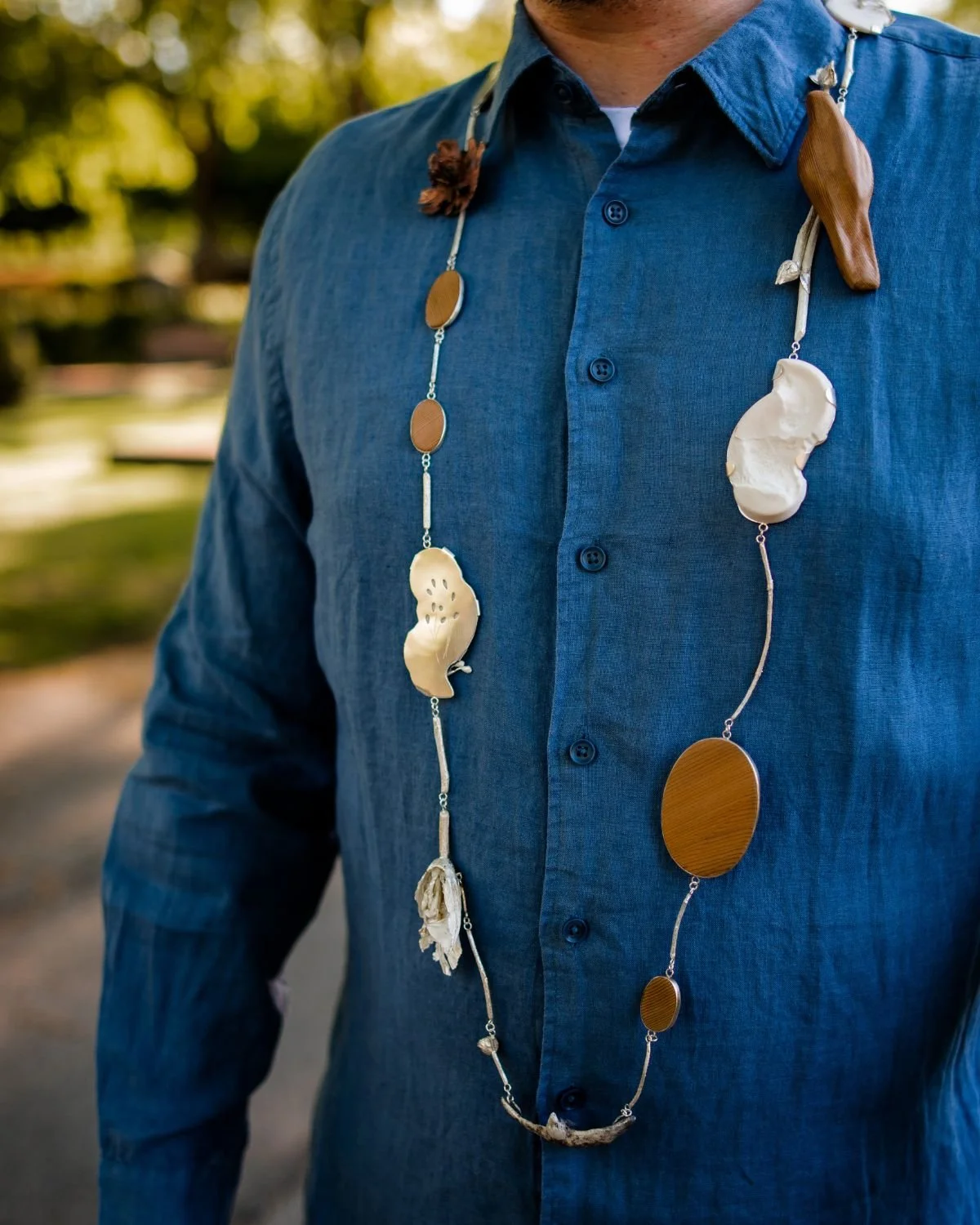
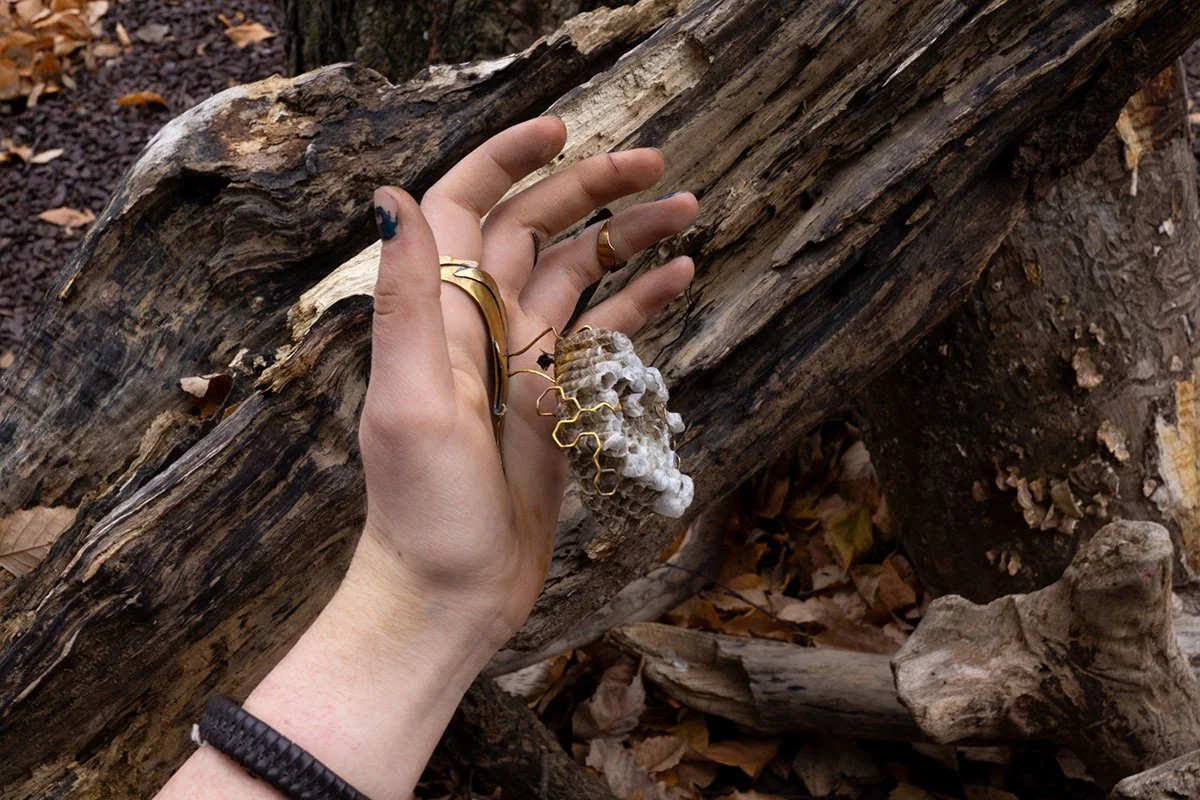

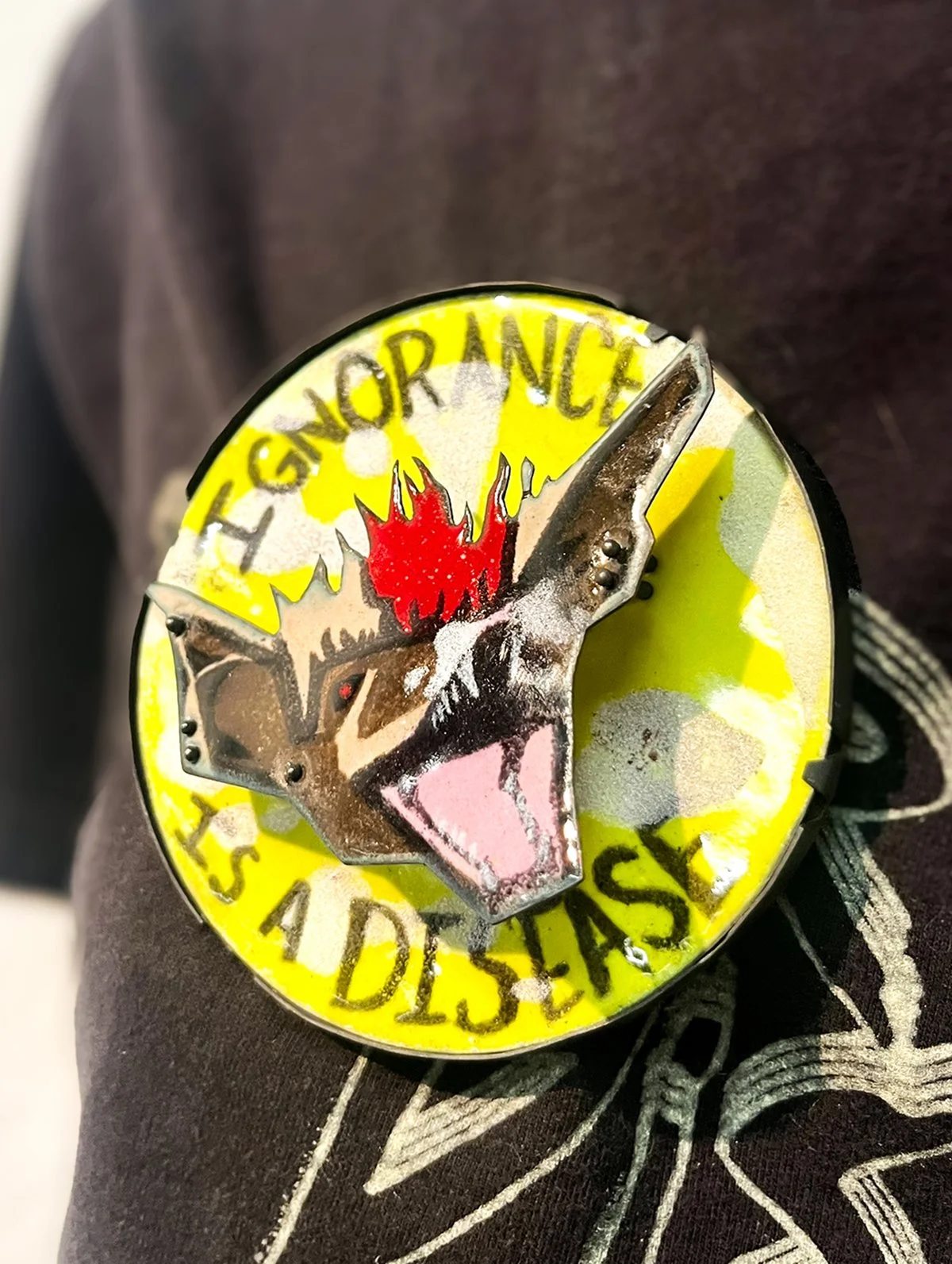
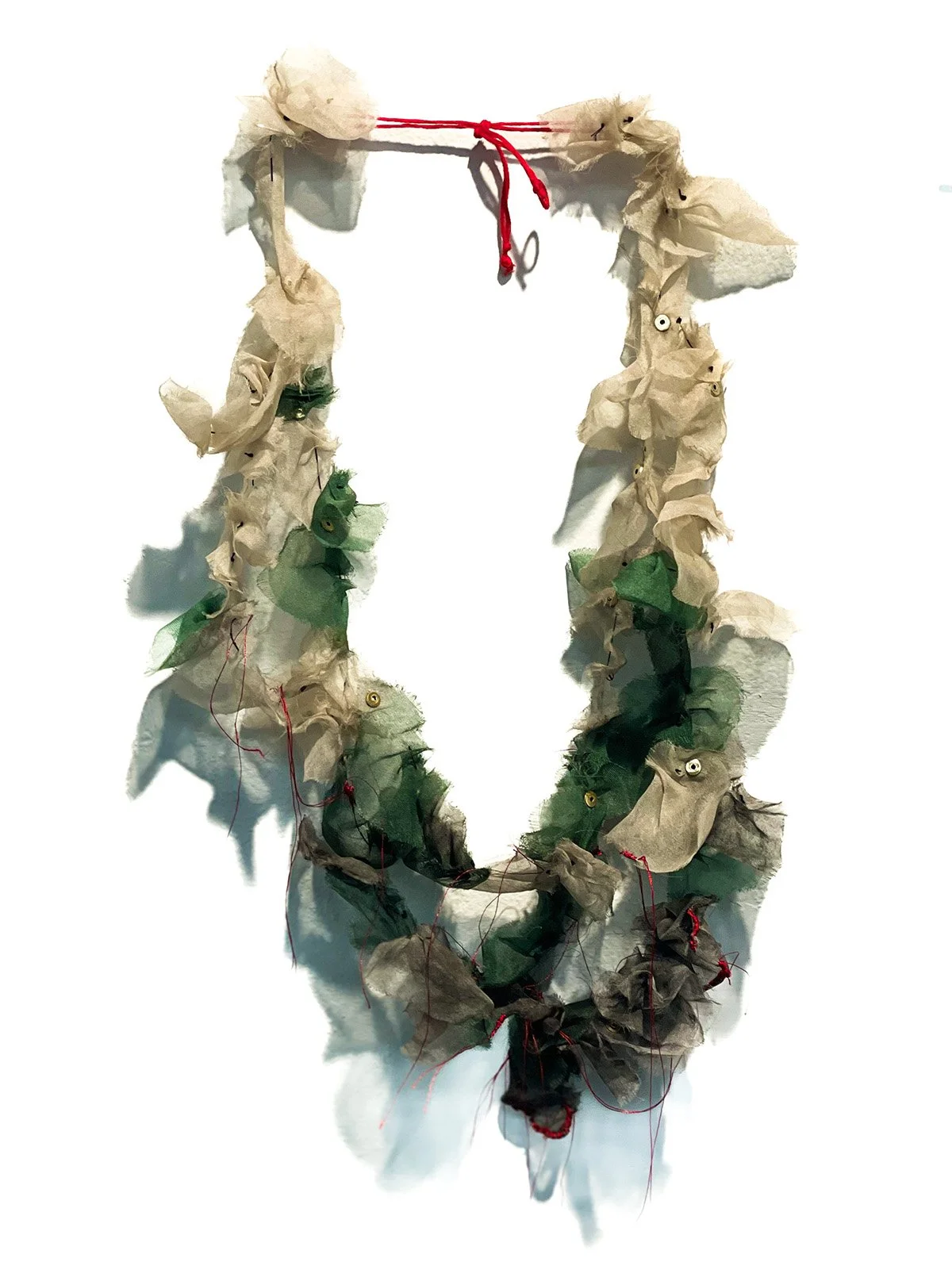
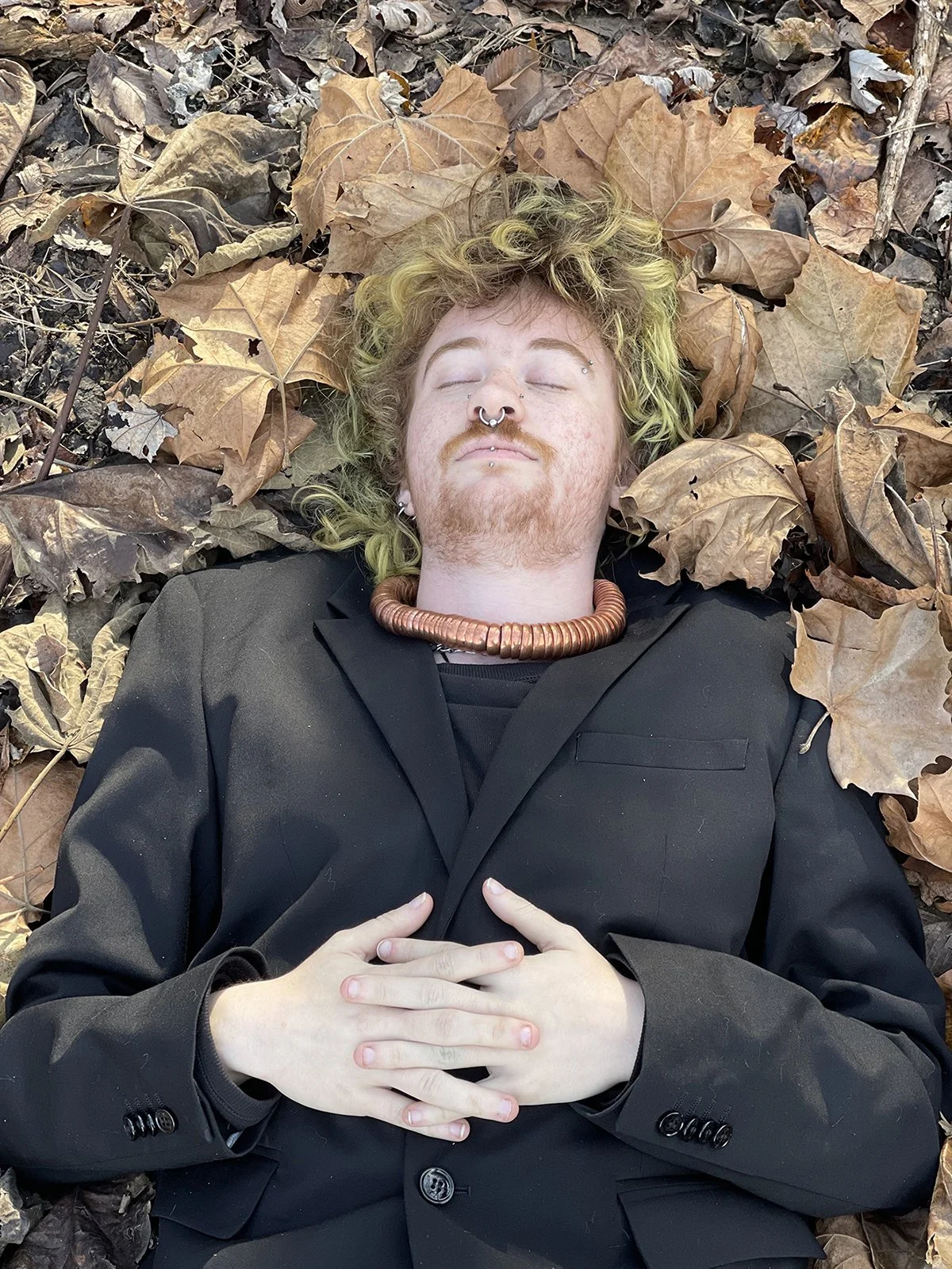
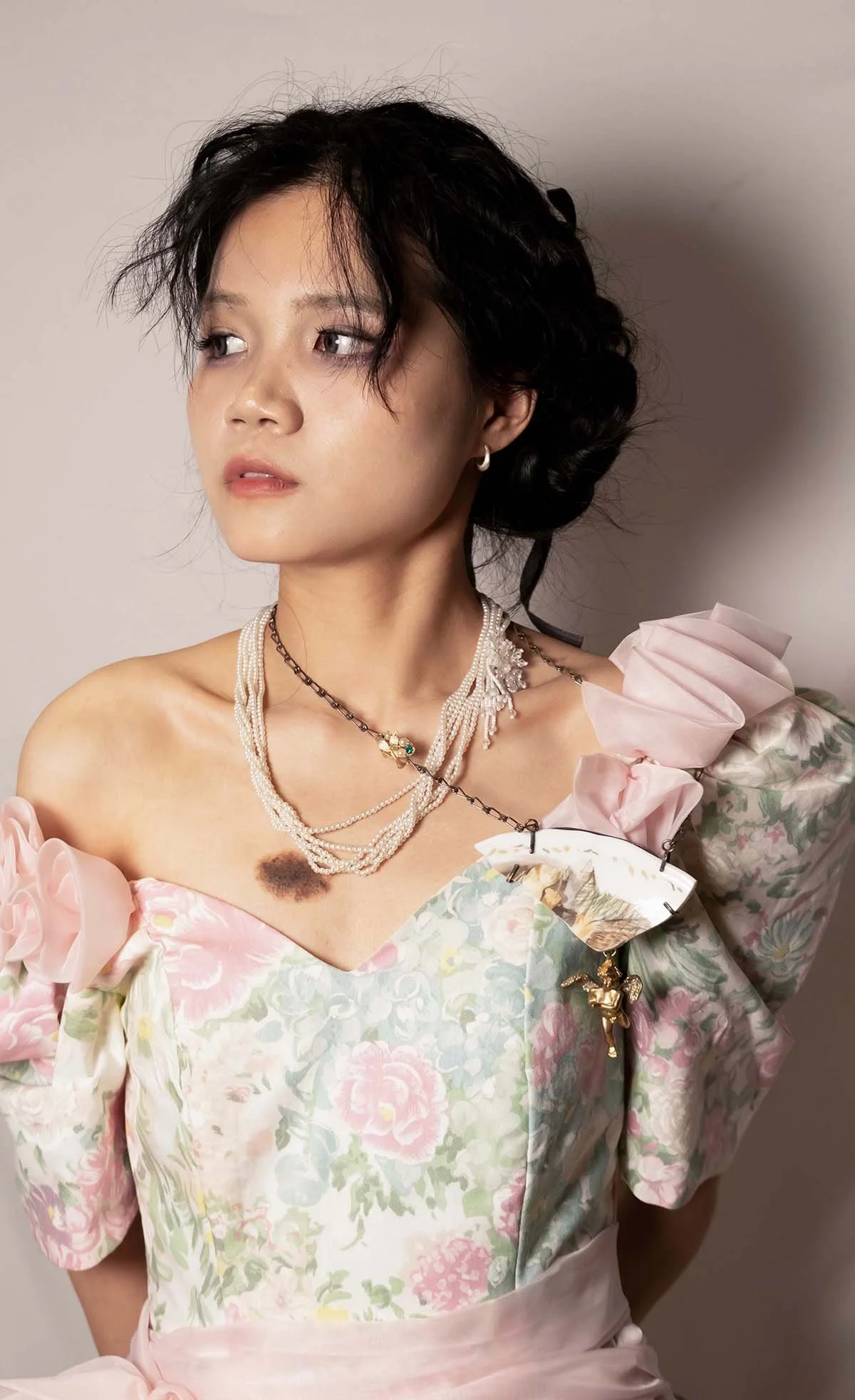

We celebrate the significant impact students have, amplifying their voices in an effort to shift the contemporary conversation.
We challenge you to investigate your studio, processes, methods, and personal goals. Tell us about it, ask questions, and then show us the work you are making!
Thank you to our So Fresh + So Clean Sponsors!


So Fresh + So Clean 2025 JURORS

-
Tanya Crane is a multi-disciplinary artist working mainly within the context of jewelry and sculpture for the body. She is an Assistant Professor in 3D Foundations + Jewelry + Sculpture at Long Beach City College. Craft has become a bridge between her artistic practice and her dedication to serving communities through education and active involvement.
Crane was the 2024 winner of a United States Artist Fellowship. She was a 2023 Artist in Residence at Hewnoaks in Lovell, Maine, and a 2022 Artist in Residence at Indigo Arts Alliance in Portland, Maine. In 2018, Crane exhibited her work in a solo exhibition at the National Ornamental Metal Museum in Memphis, Tennessee.
Her work is part of several prestigious collections, including the Museum of Fine Arts Boston, Racine Arts Museum, Stewart Program for Modern Design in Montreal, Canada, Yale University Art Gallery, Philadelphia Museum of Art, Arkansas Museum of Fine Arts, Museum of Fine Arts Houston, Crocker Museum, and the National Ornamental Metal Museum in Memphis, Tennessee.
-
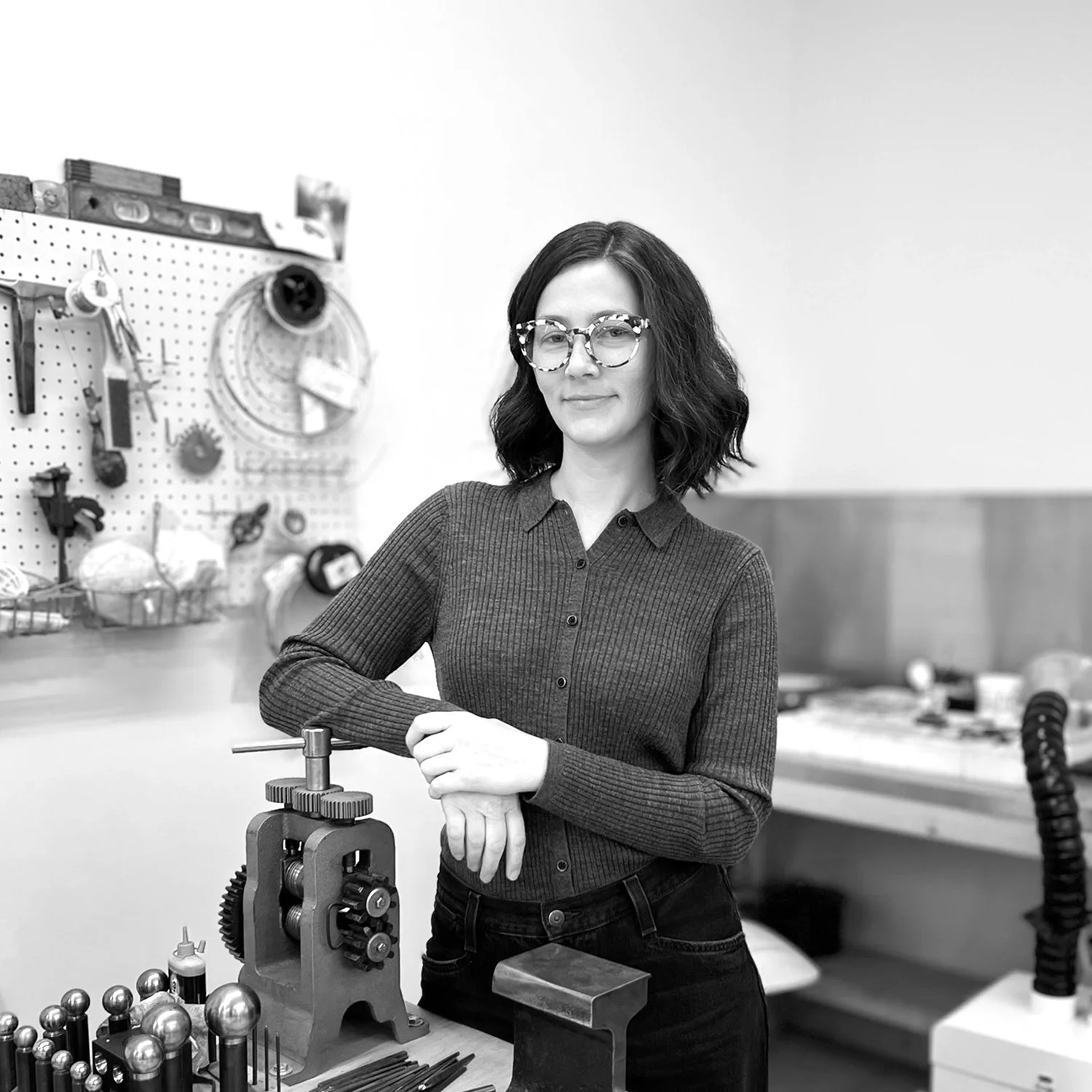
Lynn Batchelder is a contemporary jeweler and educator living in the Hudson Valley, NY. She explores the act of drawing and history of mark making to create jewelry and works on paper. She received an MFA in Metal from SUNY New Paltz, and a BFA from Western Michigan University. Batchelder is a recipient of the Art Jewelry Forum Artist Award and was recently included in the prestigious Schmuck 2024 exhibition in Munich. Batchelder’s work has been exhibited extensively in the United States and abroad, and is represented by Gallery Loupe in Montclair, NJ. She has completed residencies at Arrowmont School of Arts and Crafts, Penland School of Craft, Haystack Mountain School of Crafts, Women’s Studio Workshop, and the Estonian Academy of Art. Batchelder frequently leads intensive jewelry workshops through craft schools in the United States. She is currently Chair of the Art Department and Associate Professor in the Metal Program at SUNY New Paltz.

-
Debra Dowden-Crockett (she/her) is a metal, glass, and mixed media artist whose practice explores topics of impermanence, alchemy, cycles of life, grief, and loss. She is a second-year Craft/Material Studies Graduate student at Virginia Commonwealth University. She received a Bachelor of Science degree in Philosophy at Baylor University in Texas. She is a member of Ethical Metalsmiths, the Society of North American Goldsmiths (SNAG), the Glass Art Society, The Enamelist Society, and the Virginia Glass Guild, where she has served as President.

-
Cole Kamerick Alfelt-Eller is a jeweler, craftsperson and artist, currently pursuing an MFA at Virginia Commonwealth University. He received his BFA in Craft and Material Studies with a minor in Critical Theory from College for Creative Studies in 2023. In addition to metal, Cole works in performance, video, installation, and a variety of other mediums to create work concerned with social conditioning and the process of ornamentation. Cole is a member of the Tentative artist collective, Ethical Metalsmiths, and the Society of North American Goldsmiths.

So Fresh + So Clean is powered by our Student Committee
The Student Committee mission is to examine what it means to be an artist in the 21st century by curating the most innovative jewelry and metalsmithing that challenges the political and environmental implications of our field.
We understand a 100% sustainable practice is an unachievable goal.
But, how close can we get?
The first step is becoming aware of the ways your work impacts environmental and human health, hopefully affecting the creative decision making of artists. Becoming a member of the Community for Ethical Jewelry is one small step that places you within this essential dialogue, and your membership fee helps our non-profit organization to continue to make a difference!