

My Trip to Liberia’s Diamond-mining Communities
The content of this article reflects the views of the writer, and not necessarily those of Ethical Metalsmiths (dba Community for Ethical Jewelry). This article was written for The Source.
By Saskia Shutt
The long-awaited visit to the Diamonds For Peace (DFP) communities has finally arrived.
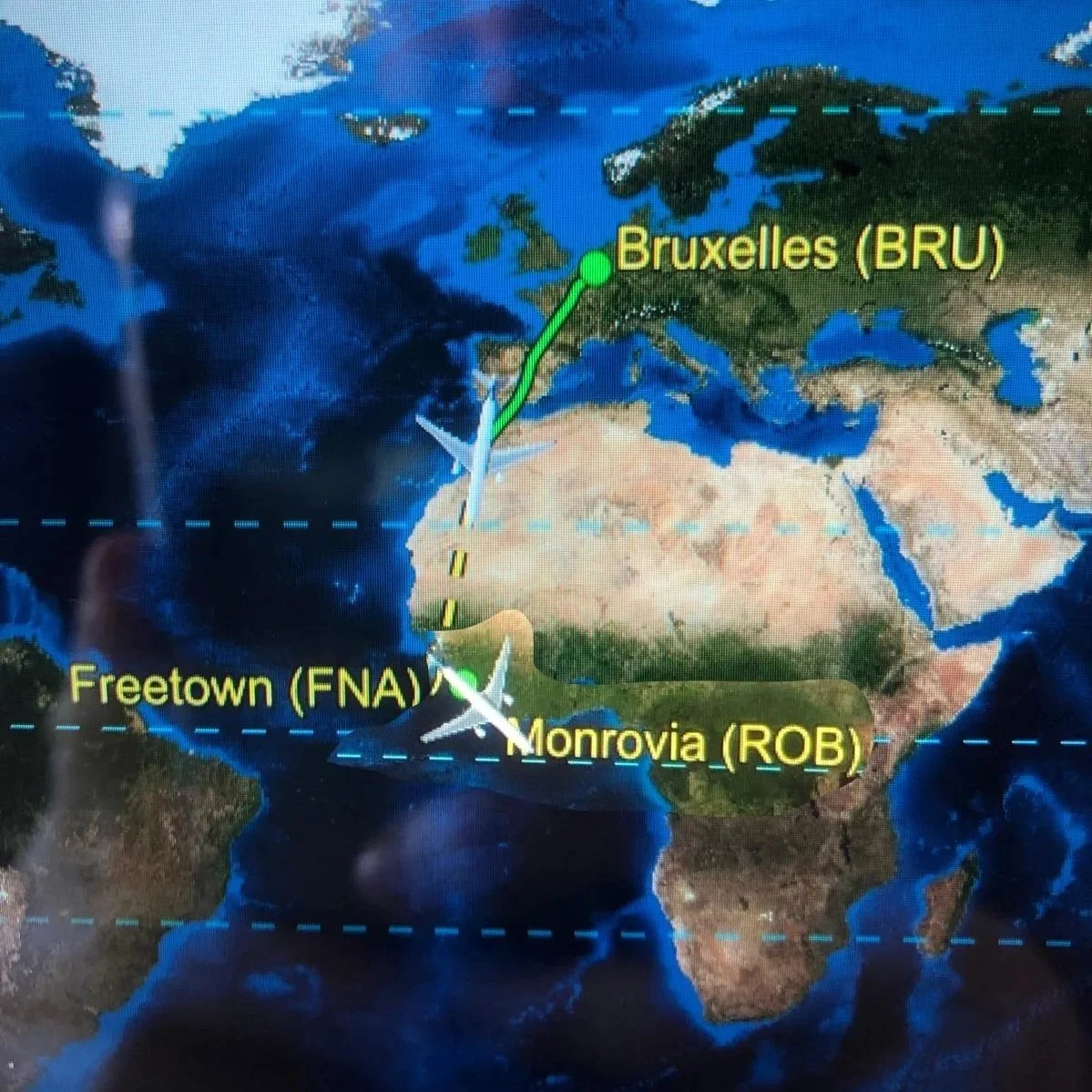
Accompanied by fellow goldsmith and travel companion Mara Bragaglia, we touched down in Monrovia amid the rainy season.
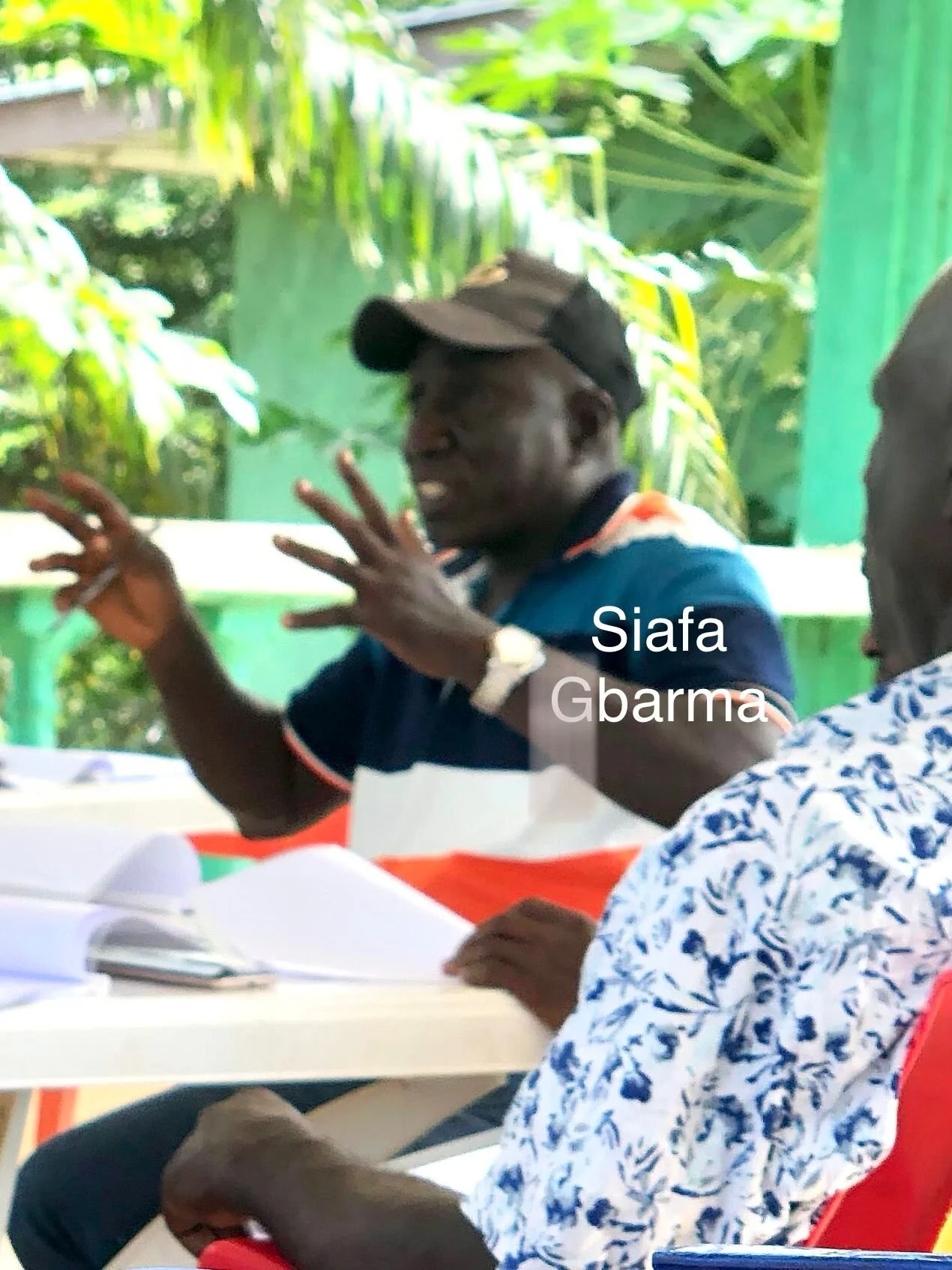
Chie Murakami, the visionary founder of DFP, welcomed us at our guest house, where we spent the night preparing for our journey. Early the next morning, our transport arrived with our driver, Marvin, and Winston, a dedicated DFP employee. Together, we embarked on a four-hour journey to Gbarma, where a three-day workshop awaited the leaders of the Gbarma - GBAMUCOSO (Gbarma Multi-purpose Cooperative Society: 24 members), Weasua - WECMACOS (Weasua Clan Mining and Agricultural Cooperative Society: 42 members), and Camp Alpha - PAMCOS (Pampaya Multi-Purpose Cooperative Society: 31 members) cooperatives.
Photographer: Saskia Shutt
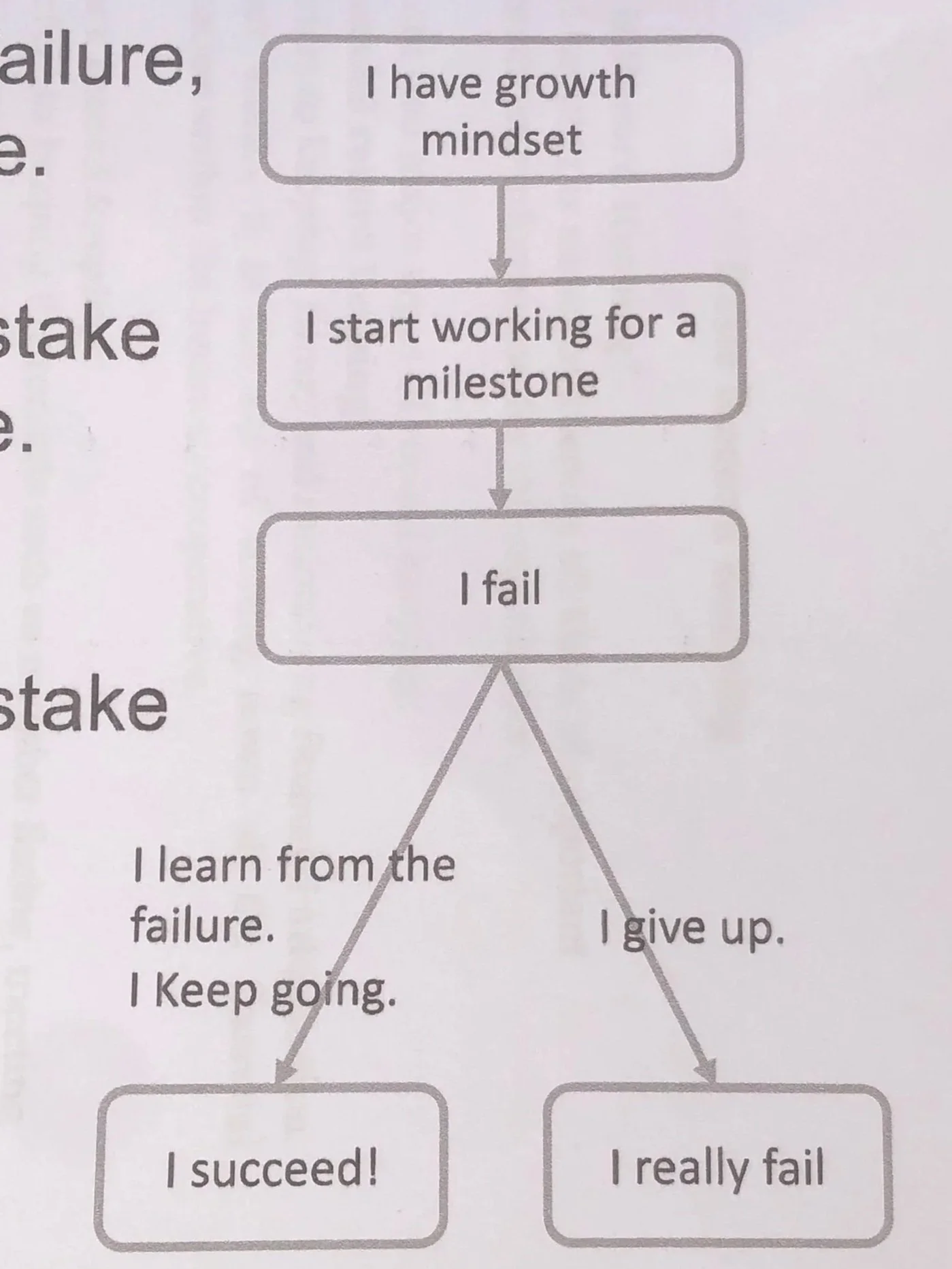
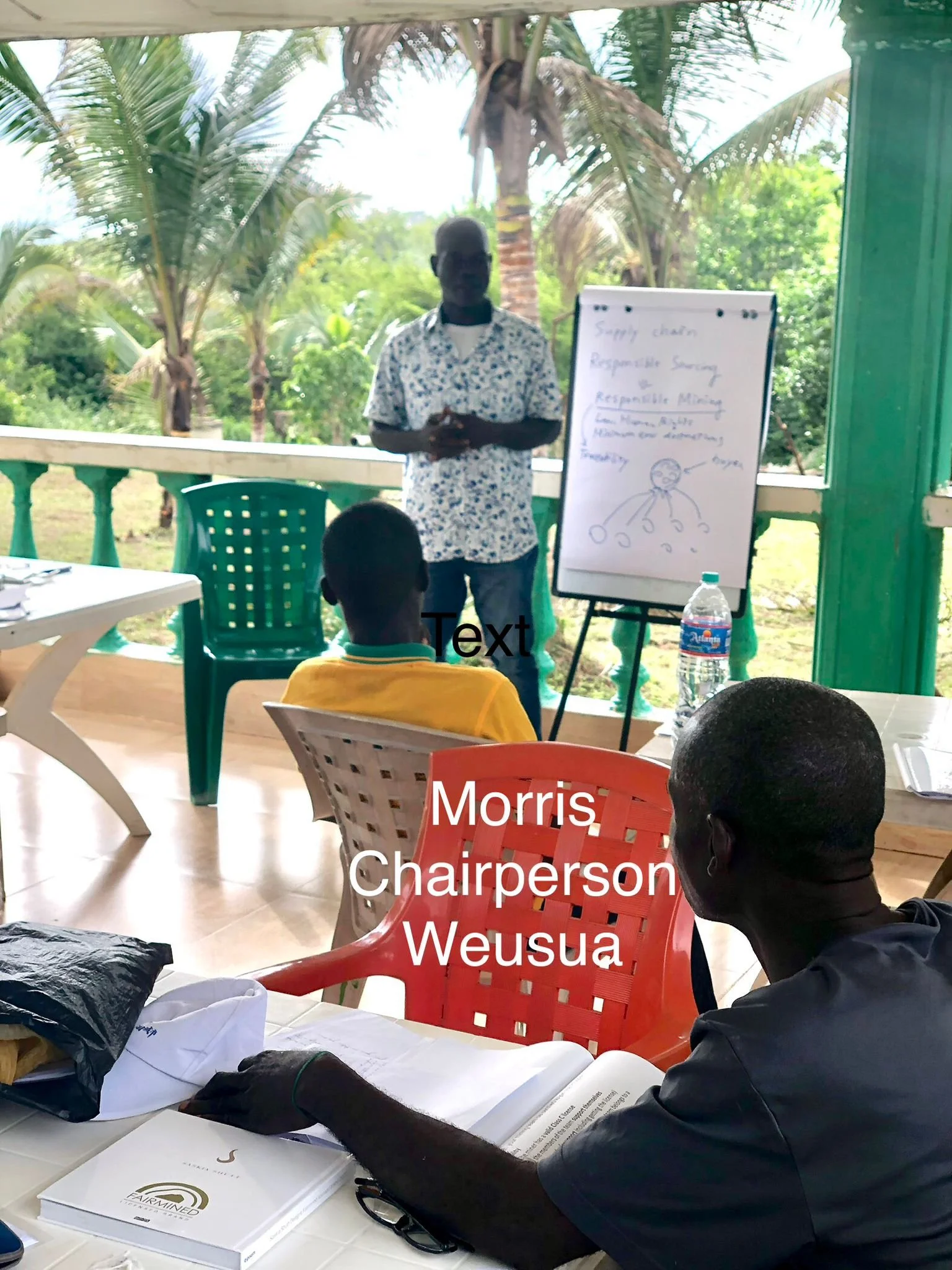
The workshop was designed exclusively for cooperative leaders, equipping them with the necessary skills and knowledge to educate their members upon their return. Over the first two days, the participants delved into essential topics such as “Mindset,” “Business Plan,” and “Record-Keeping” – critical competencies required to establish and effectively manage the cooperatives. Gbarma, in particular, is navigating the rigorous regulations imposed by the newly elected Liberian president and government to achieve cooperative status.
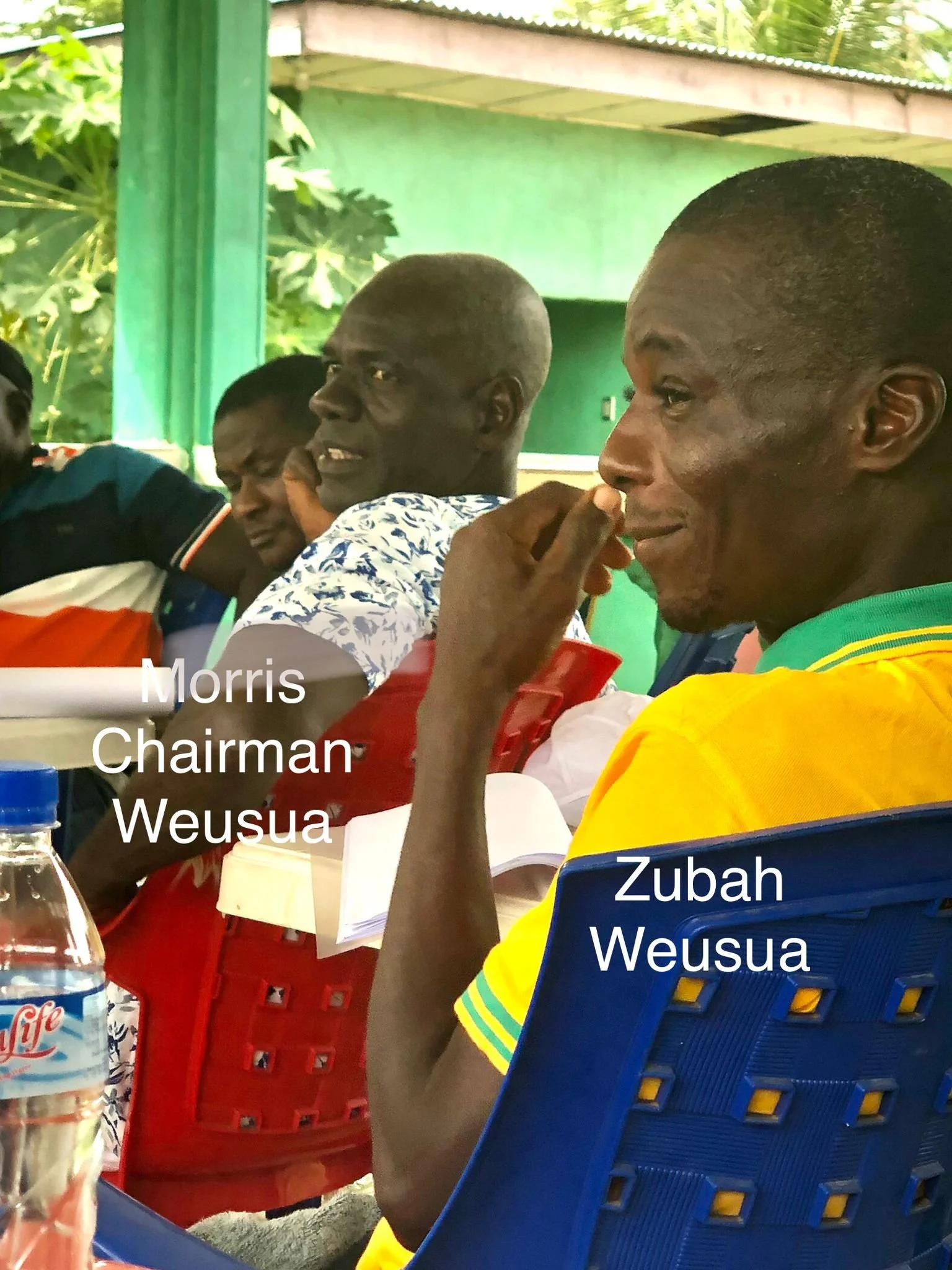
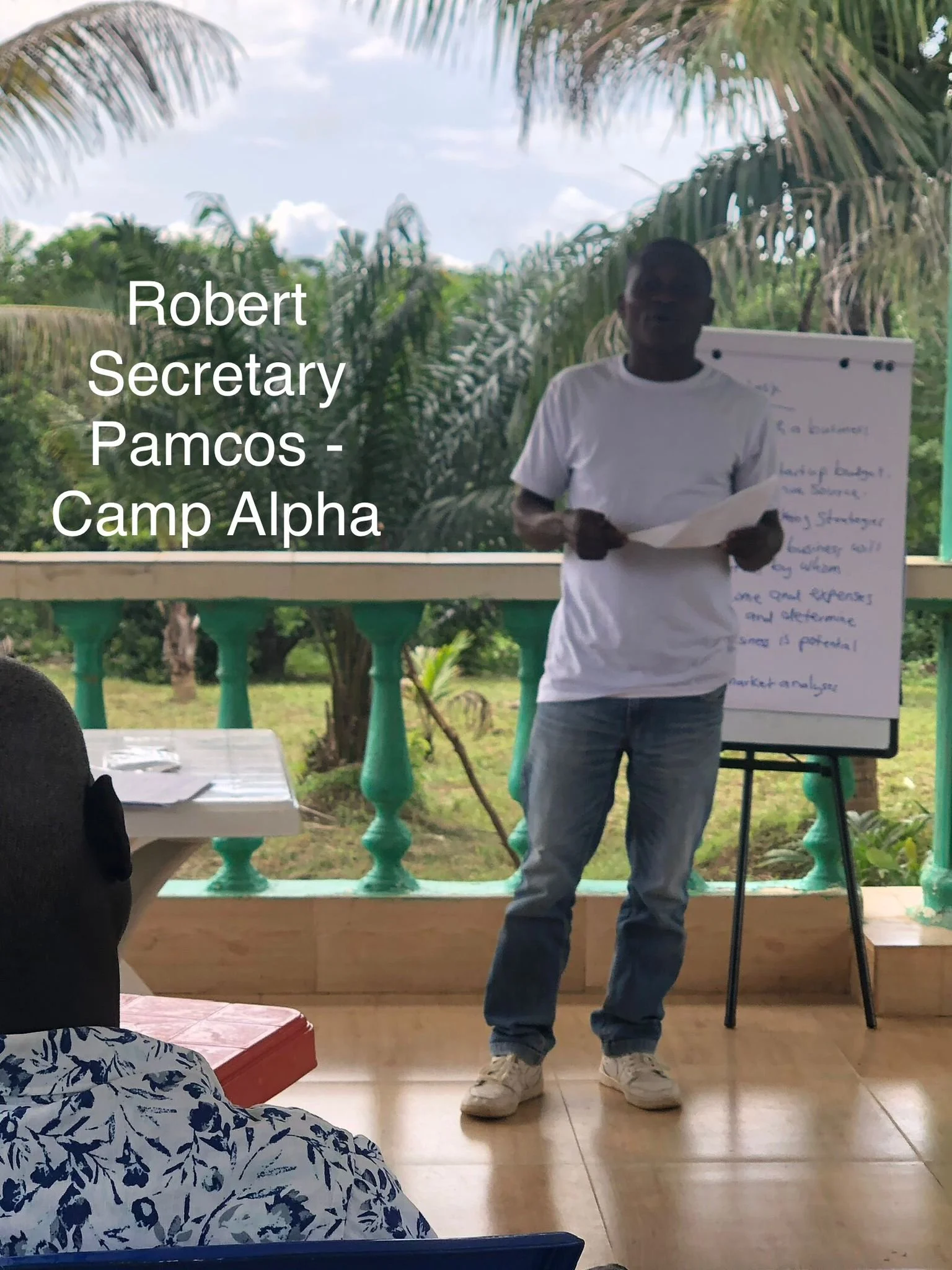


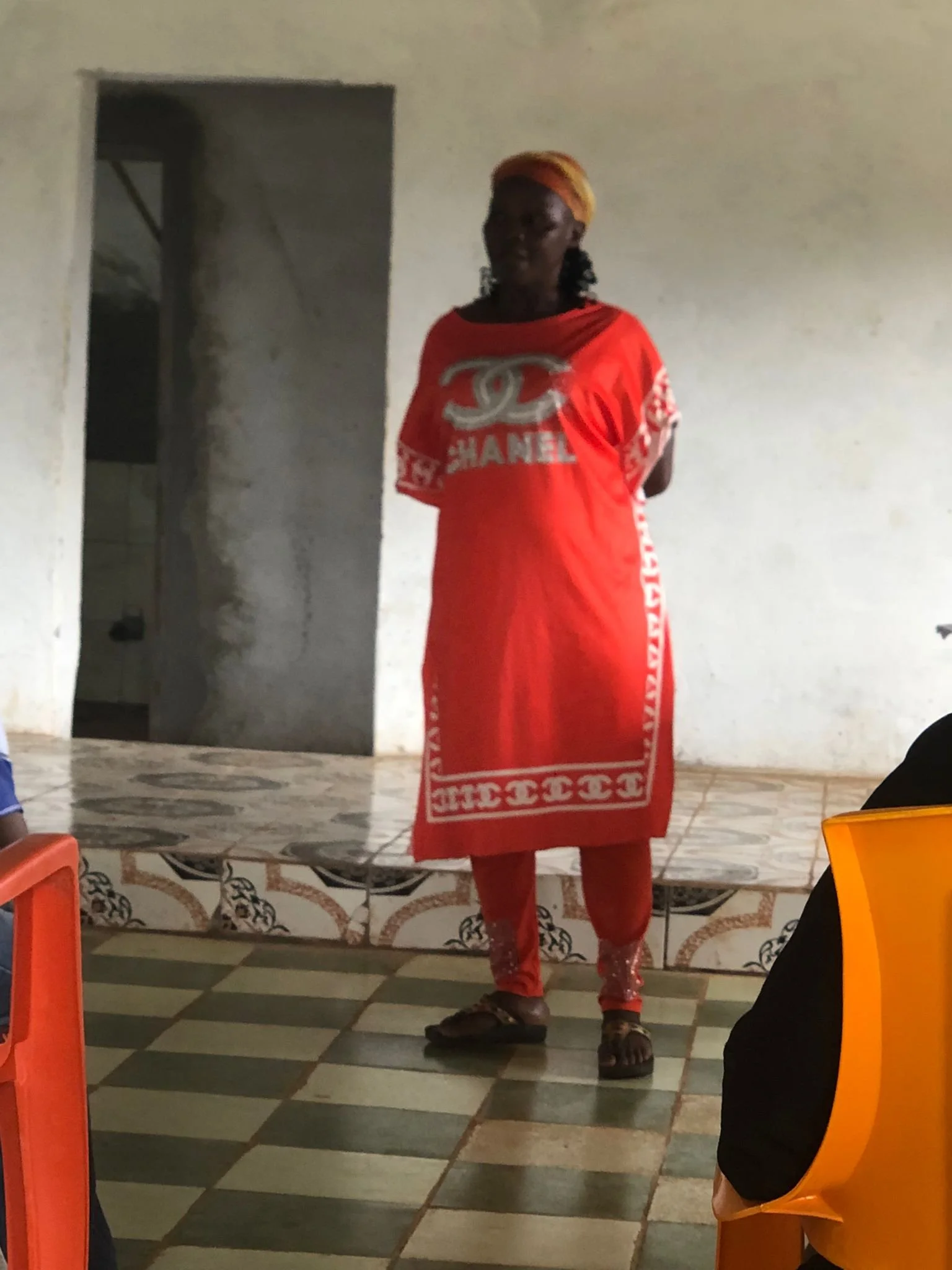
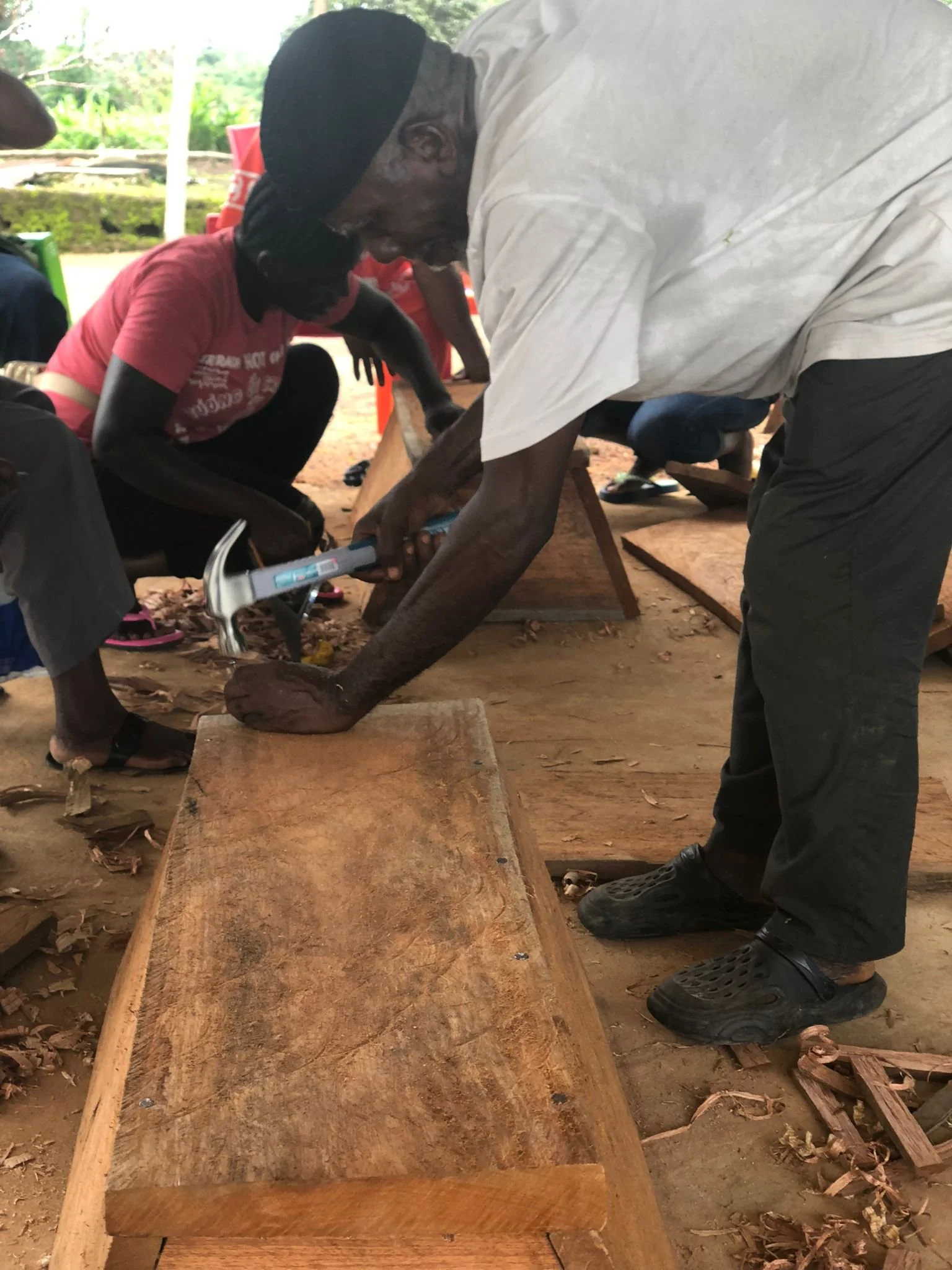
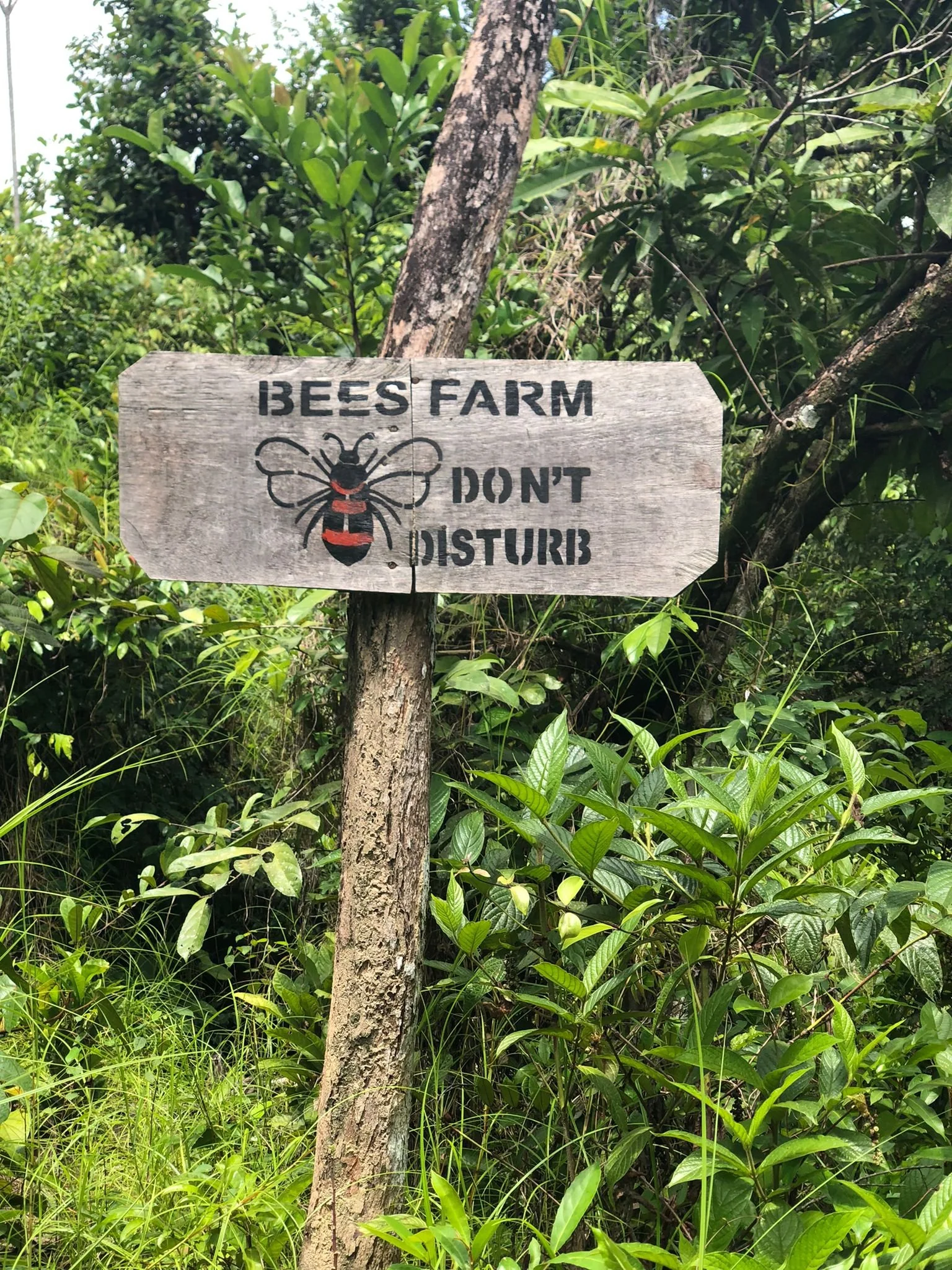
On the third day, the focus shifted to beekeeping. Victoria, a miner from Weasua well-versed in beekeeping, along with Moses, another expert, conducted an enlightening workshop. They introduced the cooperative leaders and select Gbarma miners to the intricacies of beekeeping, covering the hierarchy of a beehive, maintenance, and identifying natural enemies. In the afternoon, the leaders learned to construct hives using locally sourced wood. By the end of the practical session, eleven bee hives were installed in Gbarma, marking the beginning of their beekeeping venture.

Photographer: Saskia Shutt
Day four saw us embarking on a trek to Weasua in a Land Cruiser. We stayed with the local inhabitants for two nights. The miners installed additional beehives, and we checked on existing ones, which were thriving with bee colonies producing honey.
We also visited the fish ponds, another DFP initiative aimed at providing a secondary income source for the cooperative.
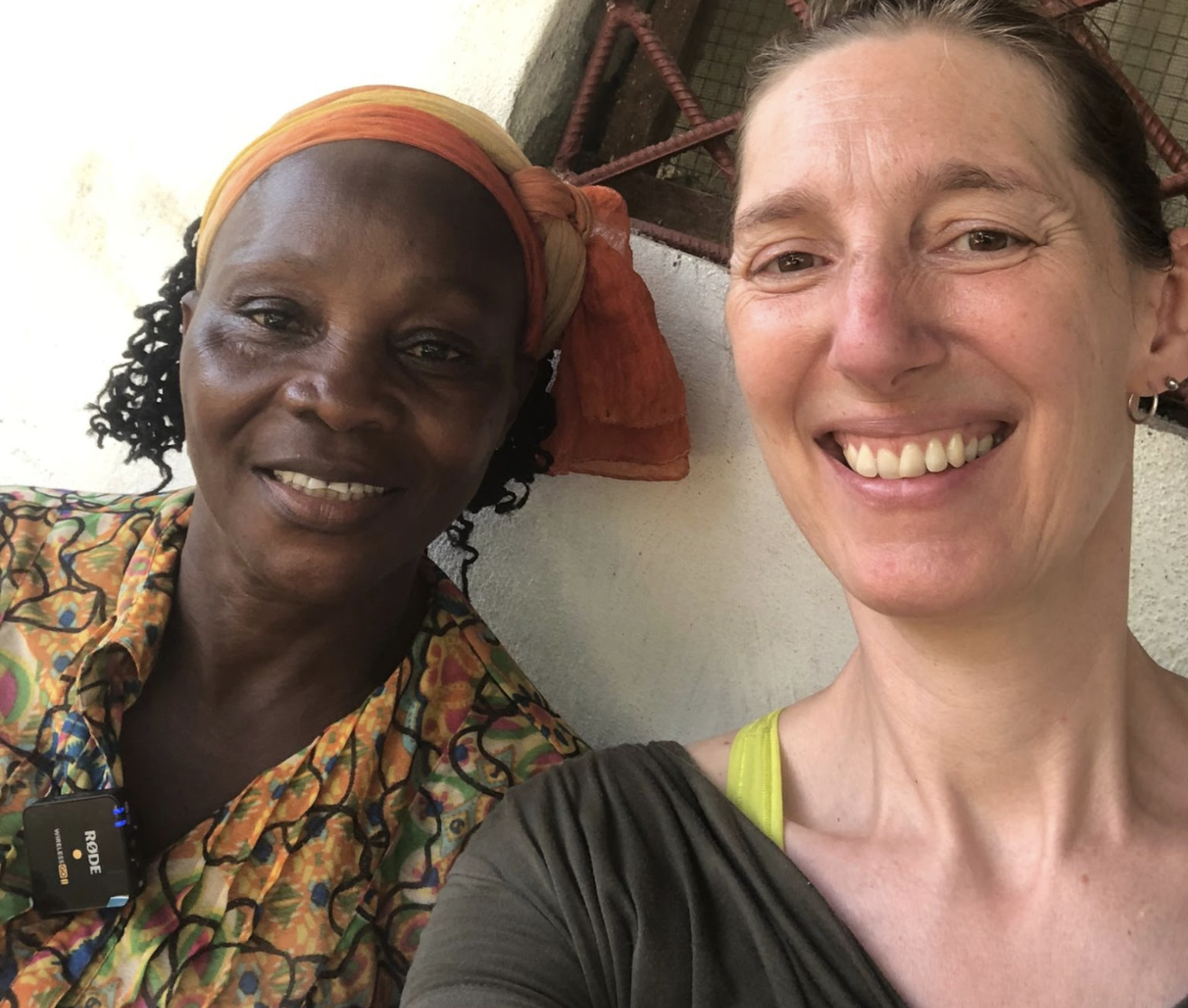
Saskia and Victoria. Photography: Saskia Shutt
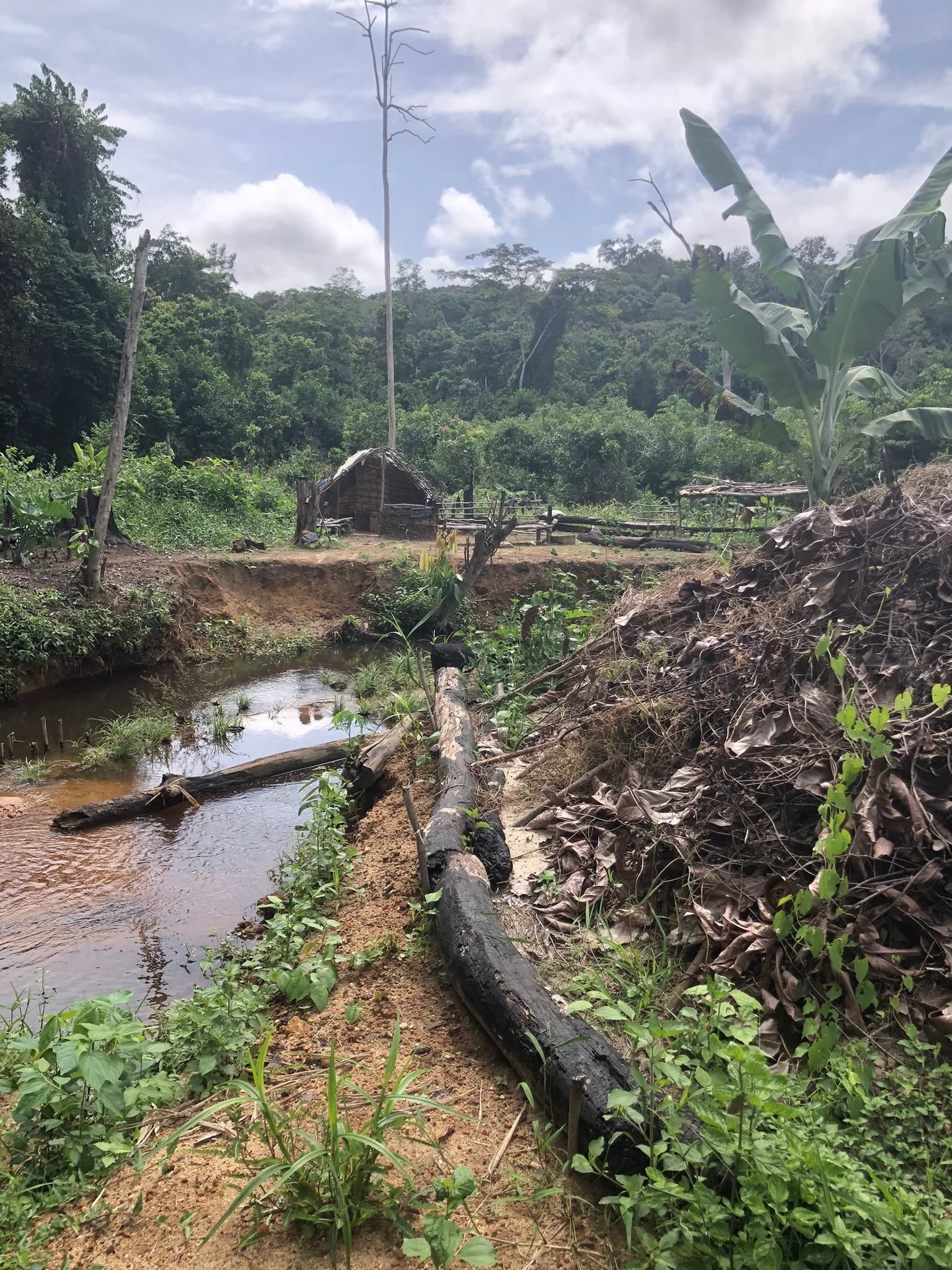
Our visit to Weasua included a tour of our first mine, generously opened to us by a miner. Although not a DFP-led site, the dual-purpose mine for gold and diamonds offered us valuable insights. Legally, miners should hold separate licenses for gold and diamonds, but this is often not the case, so one is mined legally, while the other is not. Most ASM in Liberia are informal miners. This is due to the fact that they live in poverty and that the diamond mining licences are $150 per year. They may have held a license at one point, but were not able to renew it due to a lack of income, and continued their mining activities after the license expired. There are some that probably had a diamond license at some point, but are too poor to renew or obtain the license. However, I am happy to announce that Victoria (see image of the two of us above) is the first miner (and first woman miner) to obtain a legitimate diamond mining license in August 2023, and a second miner, Mariama, is also going through the process of obtaining hers.
In January 2024, a new Liberian government came into power. They hiked up the diamond licence price at the beginning of 2025 from $150 per year, to $250 per year. Despite the price increase, DFP informed me earlier this year that there are now five diamond miners who have their licences. DFP has been working with the cooperative in Weasua for six years. It was the first community they started working with, and they were most receptive to DFP’s criteria such as accepting women miners. DFP had a list of criteria that they specified. They visited about a 100 mining communities, and they wanted to work with the communities who ticked all the boxes, or most of the boxes and the few boxes that they didn't tick, they would have to implement as much as possible to meet all the criteria of DFP. For instance, one of the criteria DFP had was working with the communities which included women miners. As in Liberia, there is a stigma/superstition about allowing women onto the diamond mining sites. In many communities, women are not allowed to mine (see article on Superstition: an uphill battle for Diamonds For Peace)
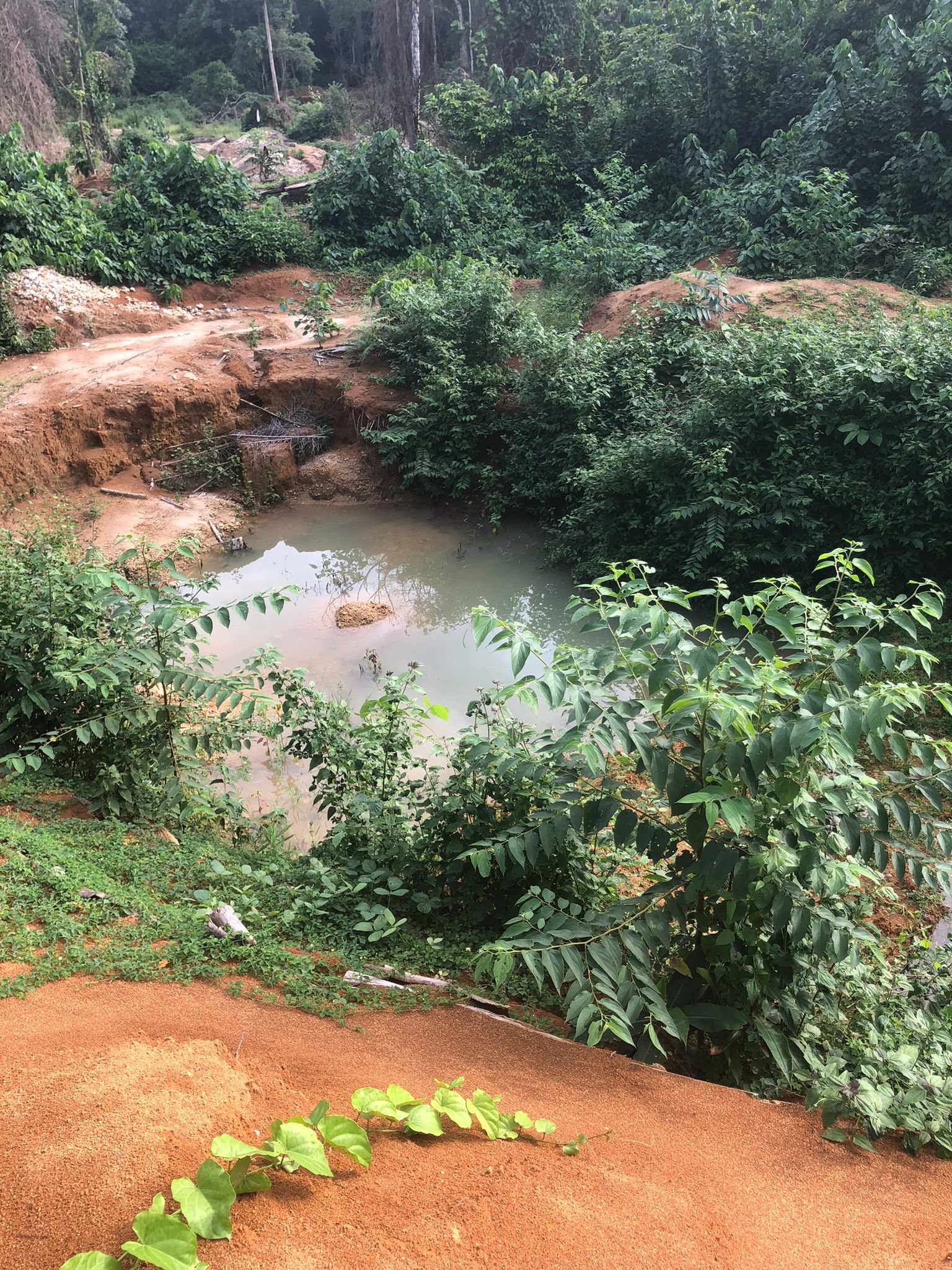
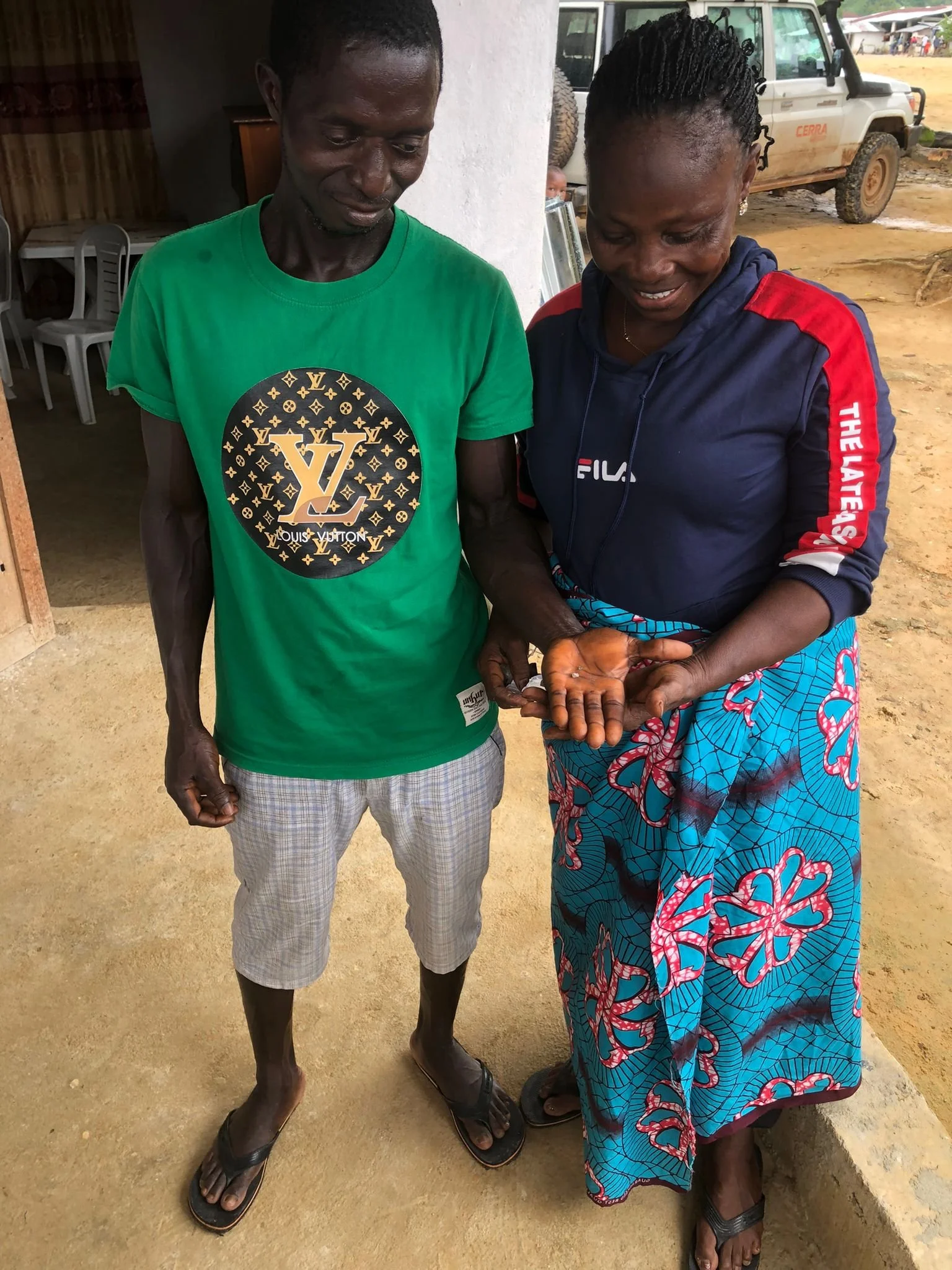
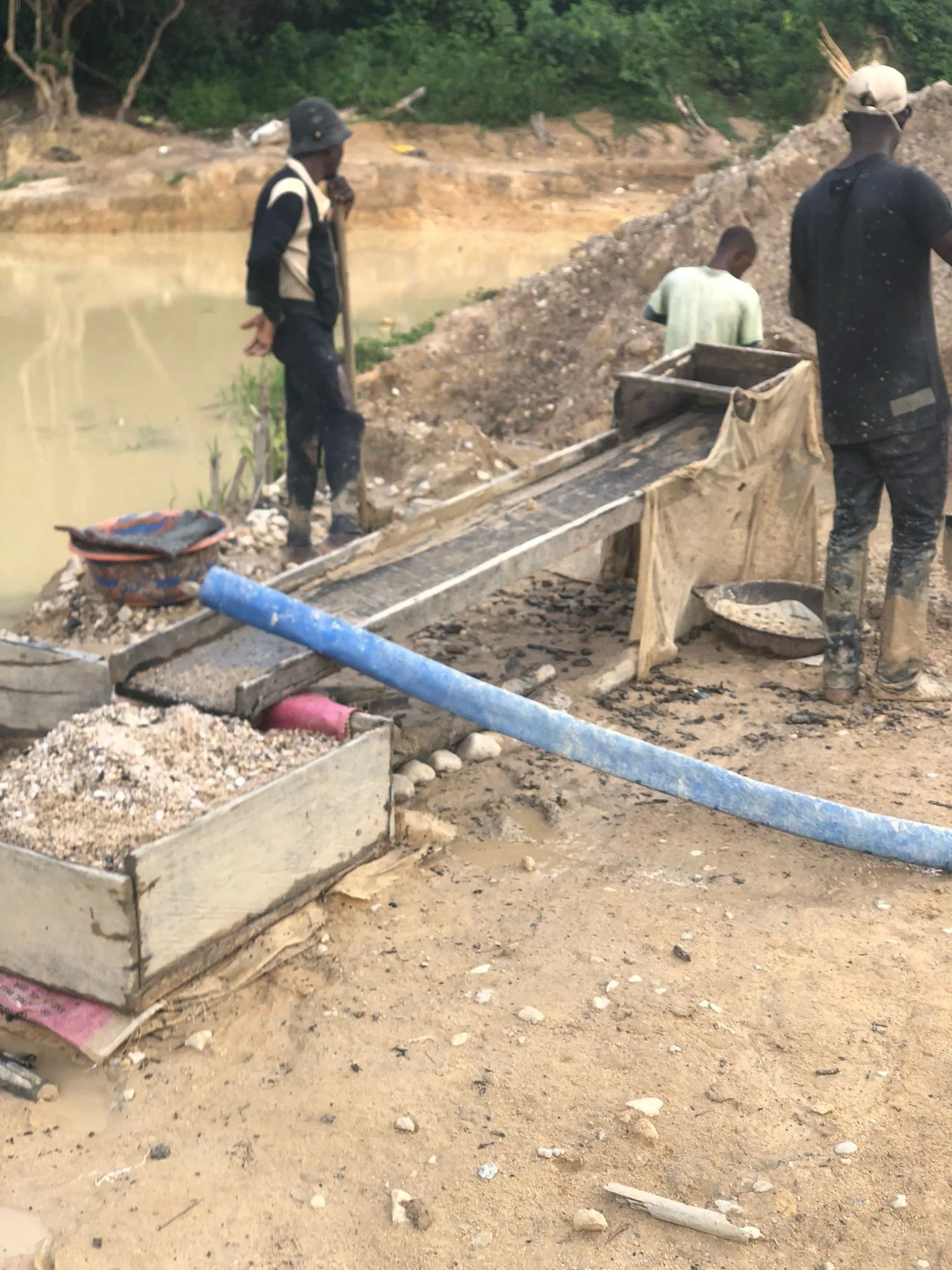
DFP is advocating for changes that would allow miners to sell rubies and quartz that are also found in diamond mines, which could diversify and enhance their income streams. Change in the government is a slow process, as DFP does not adhere to bribery, so negotiations take a lot longer.
Our final destination was Camp Alpha, where we installed the remaining beehives and visited three diamond prospecting areas. Last year, DFP hosted a diamond prospecting workshop with an expert from the US, imparting scientific and responsible prospecting techniques to cooperative members in Camp Alpha. Despite initial enthusiasm, miners often revert to traditional methods, turning prospecting into mining.
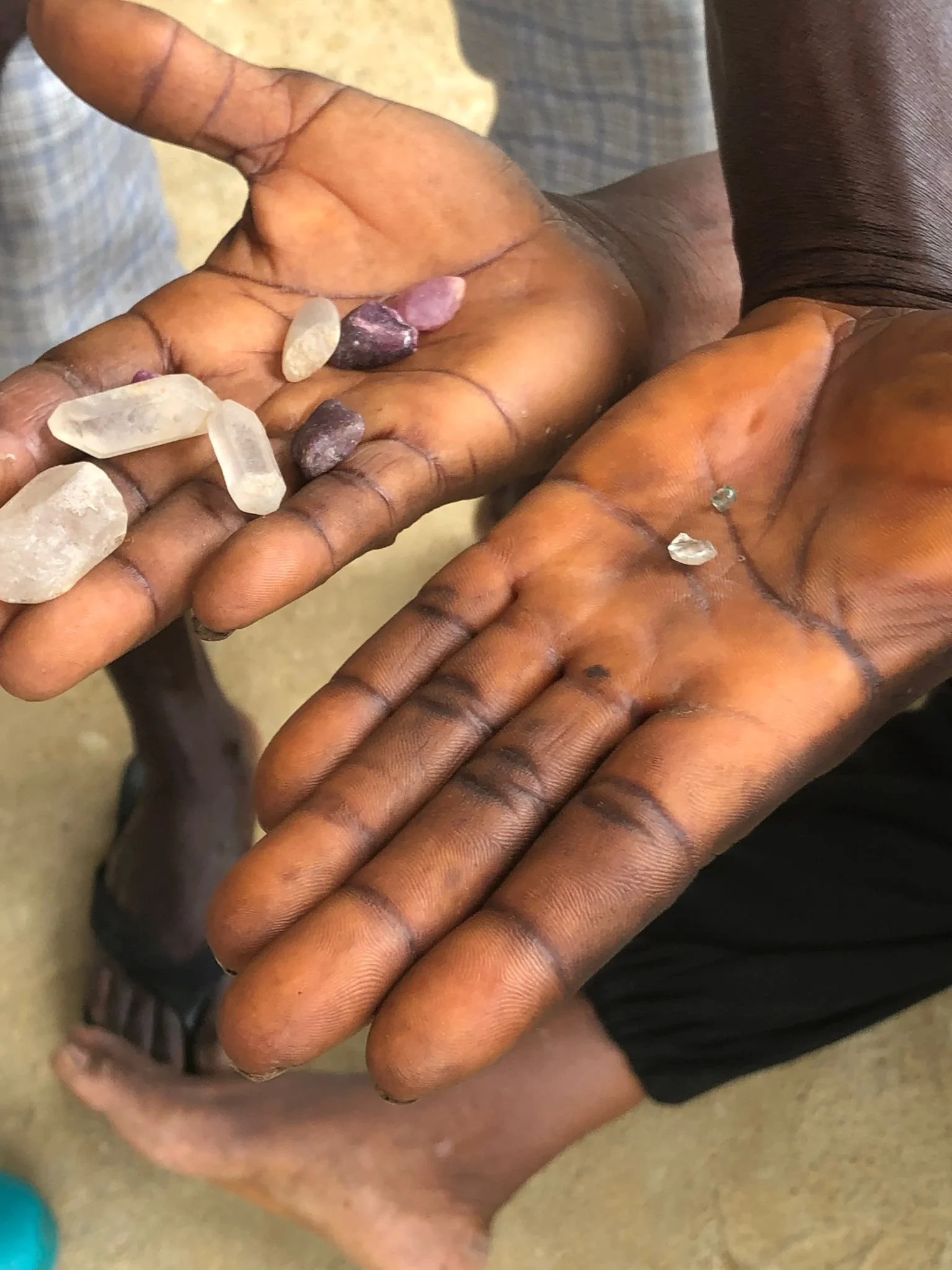


Two small rough diamonds each under 40 points. Photography: Saskia Shutt
The workshop emphasized responsible prospecting, encouraging miners to keep initial test holes small and shallow to conserve resources and make refilling easier if no diamondiferous gravel was found. Unfortunately, the sites we visited showed that miners had already started mining instead of prospecting, illustrating that sometimes change is challenging.
I left Monrovia with a renewed sense of hope. Meeting Victoria and Mariama was particularly inspiring; their eagerness to learn and progress was palpable. Victoria, in particular, stands out as a beacon of motivation for her fellow miners. With more than 50 beehives under her care and having obtained her diamond mining license, she exemplifies the success and potential that Diamonds For Peace aims to cultivate within these communities. Witnessing the unwavering dedication of Diamonds For Peace in empowering these communities, equipping them with the skills to recognize and value rough diamonds, and promoting responsible mining practices was truly inspiring. Their work is a beacon of sustainable development and community empowerment.
You can find out more about Diamonds for Peace and their initiatives here.
“We are a small team of passionate jewelry industry professionals and writers. We’d appreciate your support to grow our team and continue to be able to provide the best responsible jewelry content for years to come!”
Editorial Sections



Chloe interviewed Jessica Hudson of The Nomad Jeweler on her latest collection that features ASM Colombian gold and Tahitian Kamoka pearls. Read the full article to learn more about Jessica’s story and why she chose to design with traceable artisanal gold and sustainable pearls.