

What on earth is in that pickle pot?

The content of this article is the opinion of the writer and was written for The Source
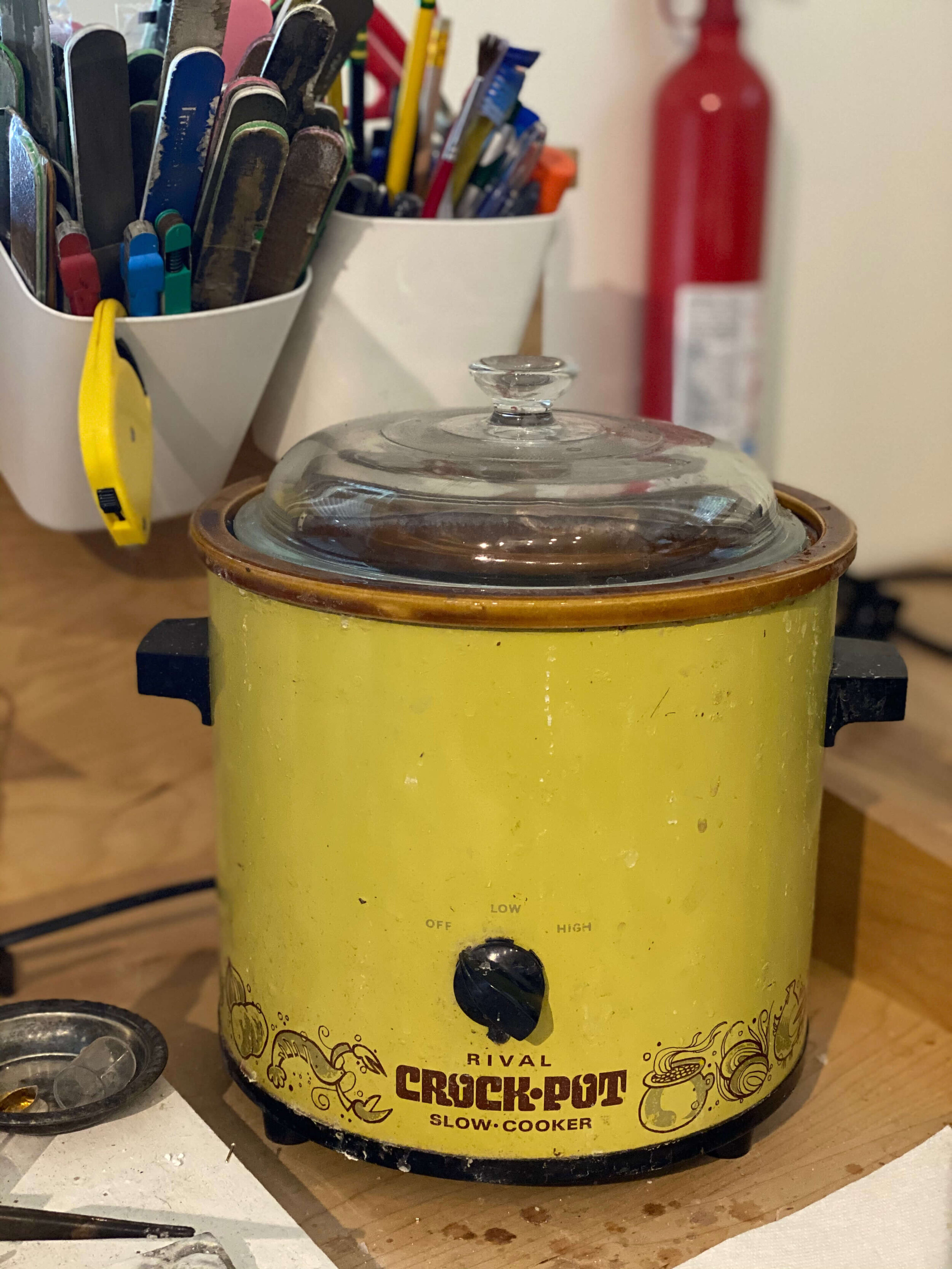
What makes the safest and “greenest” pickle? Photo credit: Wendy Woldenberg
Benvenuto Cellini, of salt cellar fame, wrote his Treatises on Goldsmithing and Sculpture in 1565. He detailed several goldsmithing techniques, including how to clean gold; he used vinegar and salt and let it “bide” overnight.
Metalsmiths over the years used what they had available, such as vinegar, salt, or a combination of both.
Today’s jeweler will likely encounter a pickle agent based on sodium bisulfate or a similar and equally harsh chemical. Although I am not a chemist, it seems that when water is added to sodium bisulfate and the solution is heated, acidic fumes can be released. Since jewelers do heat pickle solutions in the studio, toxic fumes are an everyday and real hazard. In August 2020, I called a well-known jewelry supply company in New York’s jewelry district, looking for pickles that are safer for people and the planet. It turns out they sell one product only: Sparex®. Since it is ubiquitous among 47th Street (NY’s jewelry district) workshops, and probably beyond, it seems worth examining the ingredients of that chemical. What exactly is it?
Here’s a description of Sparex® from the website of Krohn Industries, the parent company that manufactures it: “The prepared solution has 1½ times the available acid content of a 5% sulfuric acid solution and is more effective than citric acid pickle. Use it to replace expensive acid or sodium bisulfate based plating neutralizers and activators.” Krohn Industries, Inc.’s website.
Krohn's website also cautions against allowing Sparex® to enter drains or sewers. Similarly, it suggests that you avoid breathing its vapors and dust. Other companies manufacture similar products based on similar ingredients. If you don’t see the chemicals listed on the label of the product, look for the Safety Data Sheet, or “SDS” on the company’s website. It may not be highlighted with bells and whistles on the landing page of every website, but I believe regulations require every company to make the SDS available to the consumer.
The good news is that alternatives are available.
Some jewelers use baking soda, which seems to be especially effective with silver. There are several sites that provide instructions for cleaning silver with baking soda or other alum. Other jewelers prefer vinegar and salt, which would have been familiar to Cellini. Please note that baking soda and salt can both be abrasive and may cause scratching if not dissolved fully.
Several EM members suggest using citric acid as the pickling agent. Alexandra Hart, an accomplished metalsmith and the Executive Director of Ethical Metalsmiths, finds citric acid effective with both silver and gold. She starts with a proportion of 1/3 cup citric acid to two cups of water. Citric acid is widely available to consumers, as it is frequently used for preserving food.
A pickling solution based on citric acid seems to be weaker than one based on sulfur-adjacent chemicals. Therefore, oxidized pieces may need to bathe longer in a citric acid solution to achieve the desired results. Please know that even food-grade citric acid can cause eye irritation, and its dust can be combustible. To learn more, read the fine print in the parent company’s website, and look for the Safety Data Sheet. If you can’t find answers to your questions about ingredients, safe handling or safe disposal, try calling or emailing the company directly.
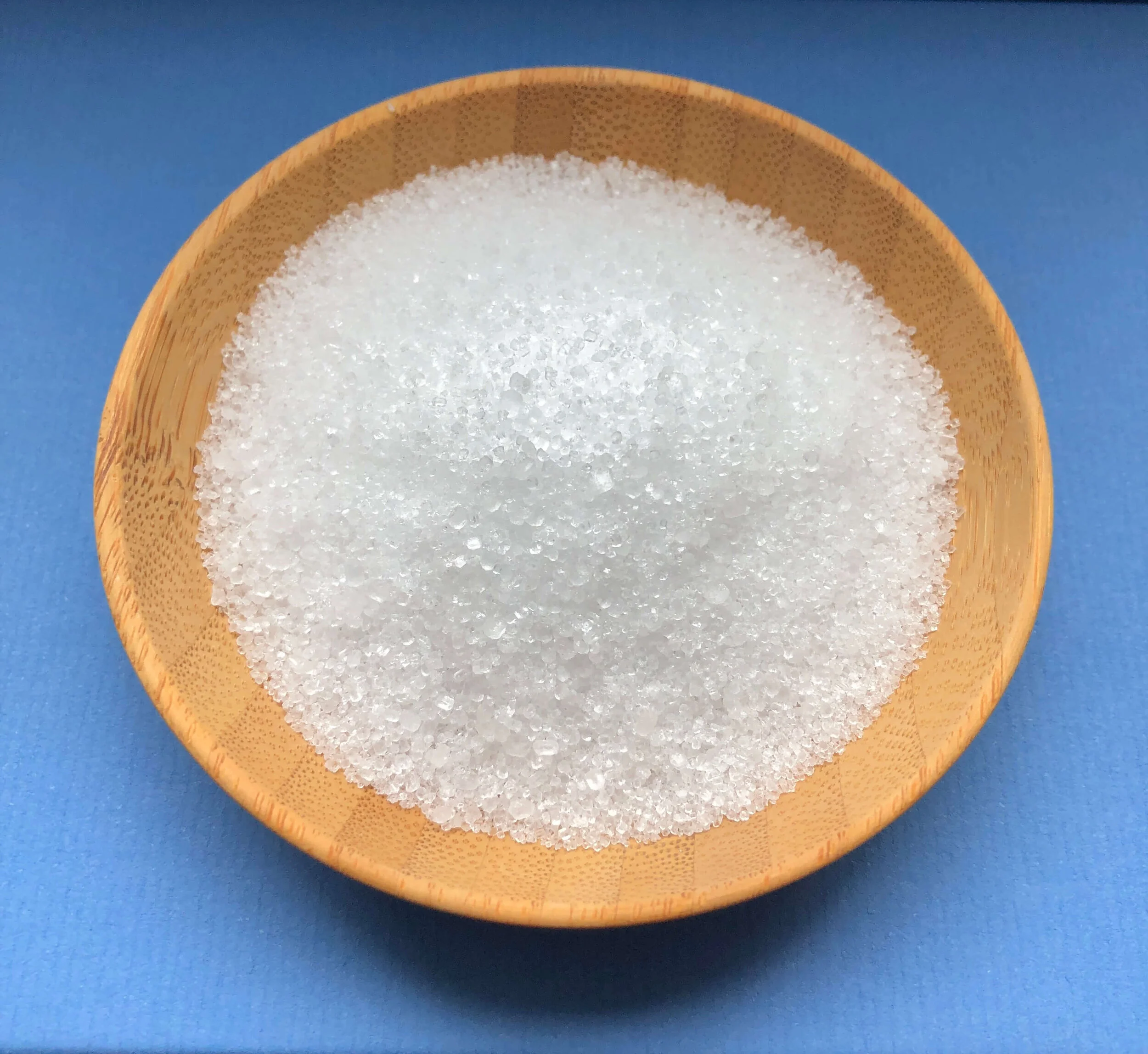
Granules of food-grade citric acid, which is widely available in the States. Citric acid and water make an alternative solution for your pickle pot. Photo credit: Christina Malle
A book by Christine Dhein explores these topics and more. The book is called the Eco Jewelry Handbook and Dhein compares several different pickle solutions. She covers a host of other topics as well. Please note that this entire discussion is about cleaning metals, not jewelry with gemstones.
Do other ideas and suggestions come to mind? If you are already a member of Ethical Metalsmiths, the EM forum is a great place to start or join a conversation. Or, please email your thoughts to eic@ethicalmetalsmiths.org.
Many thanks to the members of Ethical Metalsmiths’ email forum, who have previously shared their thoughts on this topic.

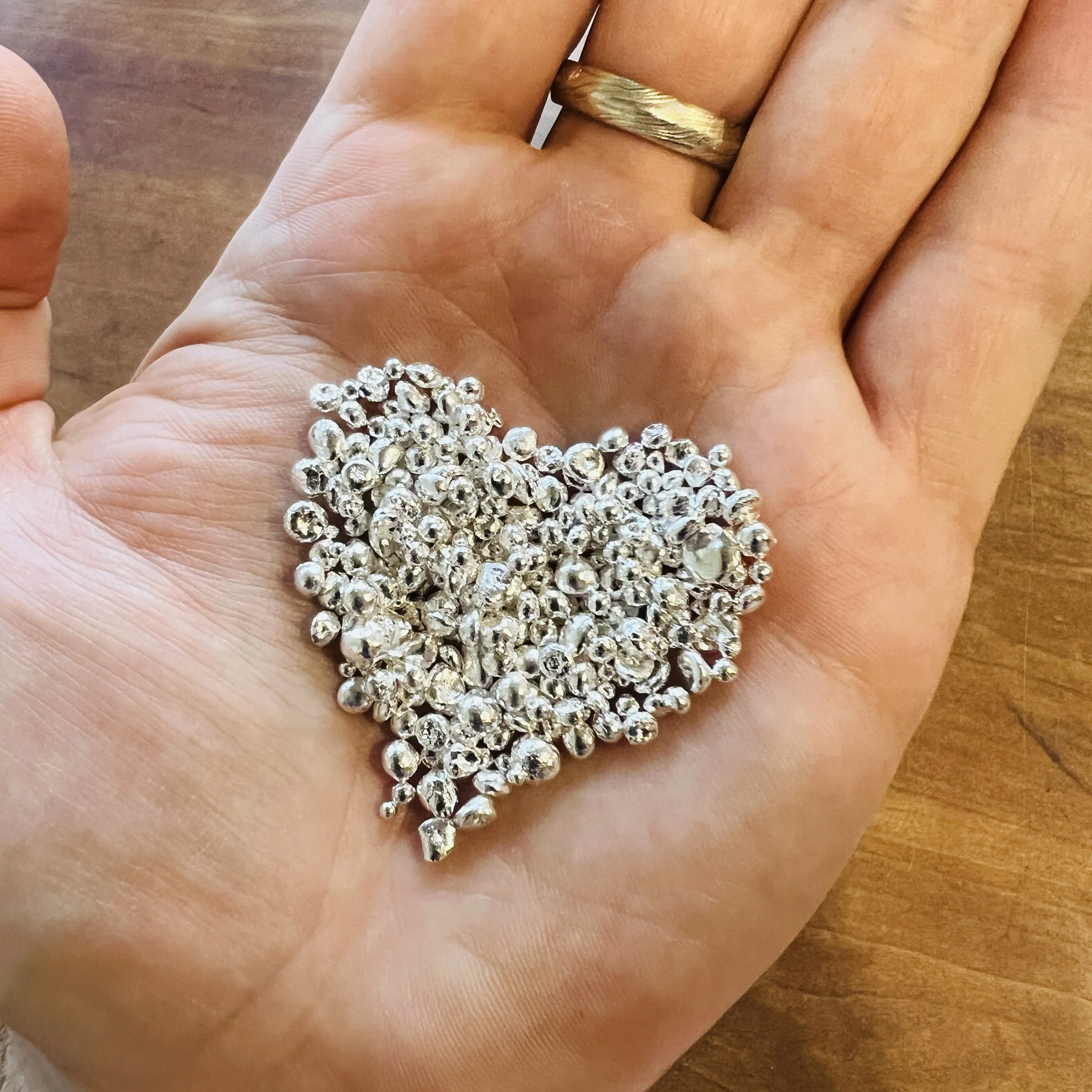




Chloe interviewed Jessica Hudson of The Nomad Jeweler on her latest collection that features ASM Colombian gold and Tahitian Kamoka pearls. Read the full article to learn more about Jessica’s story and why she chose to design with traceable artisanal gold and sustainable pearls.