

Will Alderfer on Fairmined Silver

The content of this article reflects the views of the writer, and not necessarily those of Ethical Metalsmiths. This article was written for The Source.
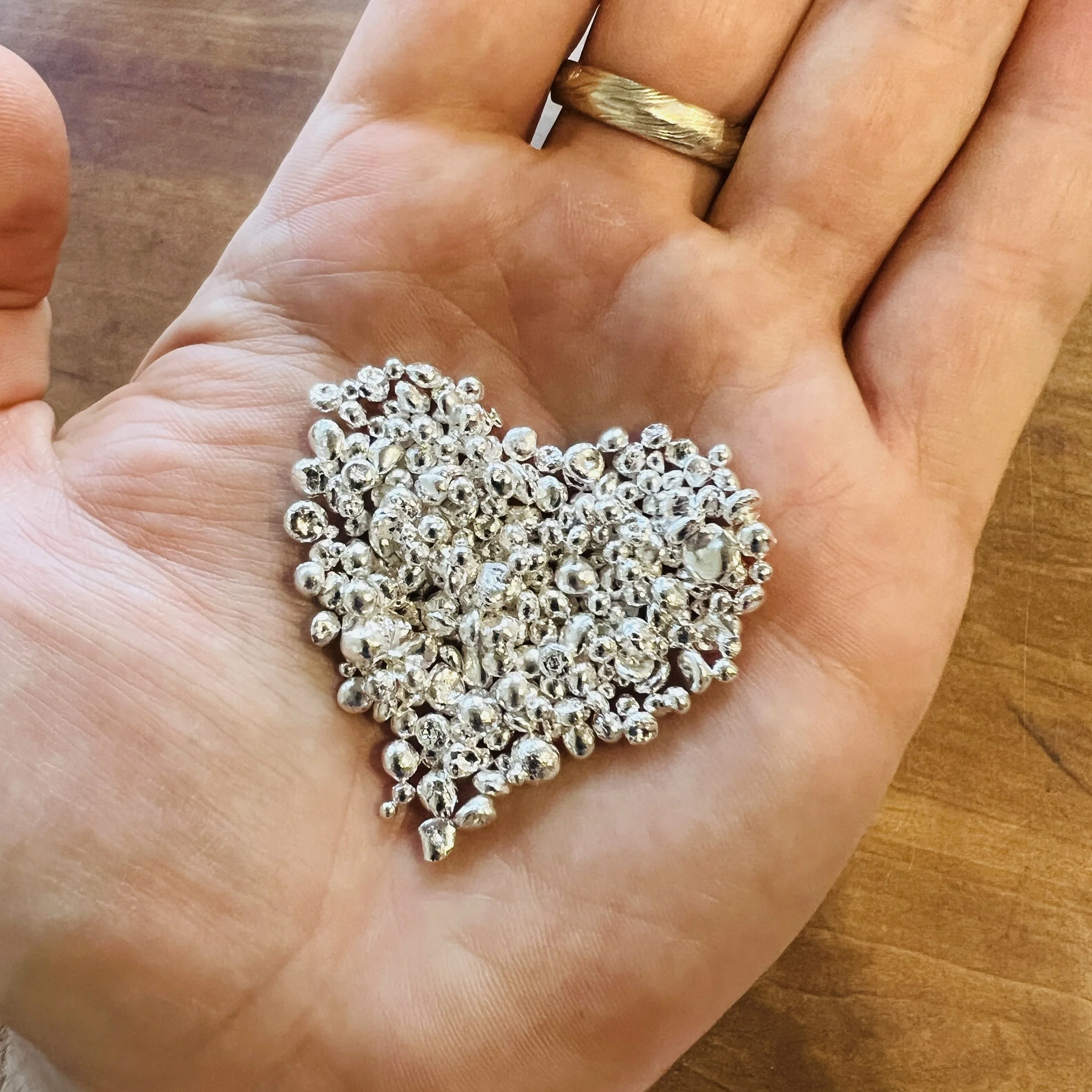
Fairmined silver casting grain. Photo courtesy of Will Alderfer.
CB: During the Chicago Responsible Jewelry Conference 2023, you spoke on a panel about Fairmined Silver, which was the first time I had ever heard of it! We learned that silver is often mined as a byproduct of gold, as well as several other metals like zinc and lead. Do you know the percentage of silver as opposed to gold that is coming out of the Fairmined mines in Peru and Colombia, or does it vary so much based on the particular mine site?
WA: It definitely varies by the area. There’s actually a bit of secrecy with small-scale gold mining regarding how gold-rich the ore they have is. I can tell you definitely the vast majority is gold. If the miners are too public with that information, they have a valid fear that militia groups will come along and take their mine site away from them somehow or illegally mine on their site.
CB: Are they using cyanide like they do in the gold separation process?
WA: Yes–silver and gold both go through the same process at the Fairmined sites. In Colombia, the Fairmined sites that I visited were all hardrock mining. In Peru, it’s alluvial mining where they are simply taking the topsoil, washing the gold out of it, and then replacing that topsoil.
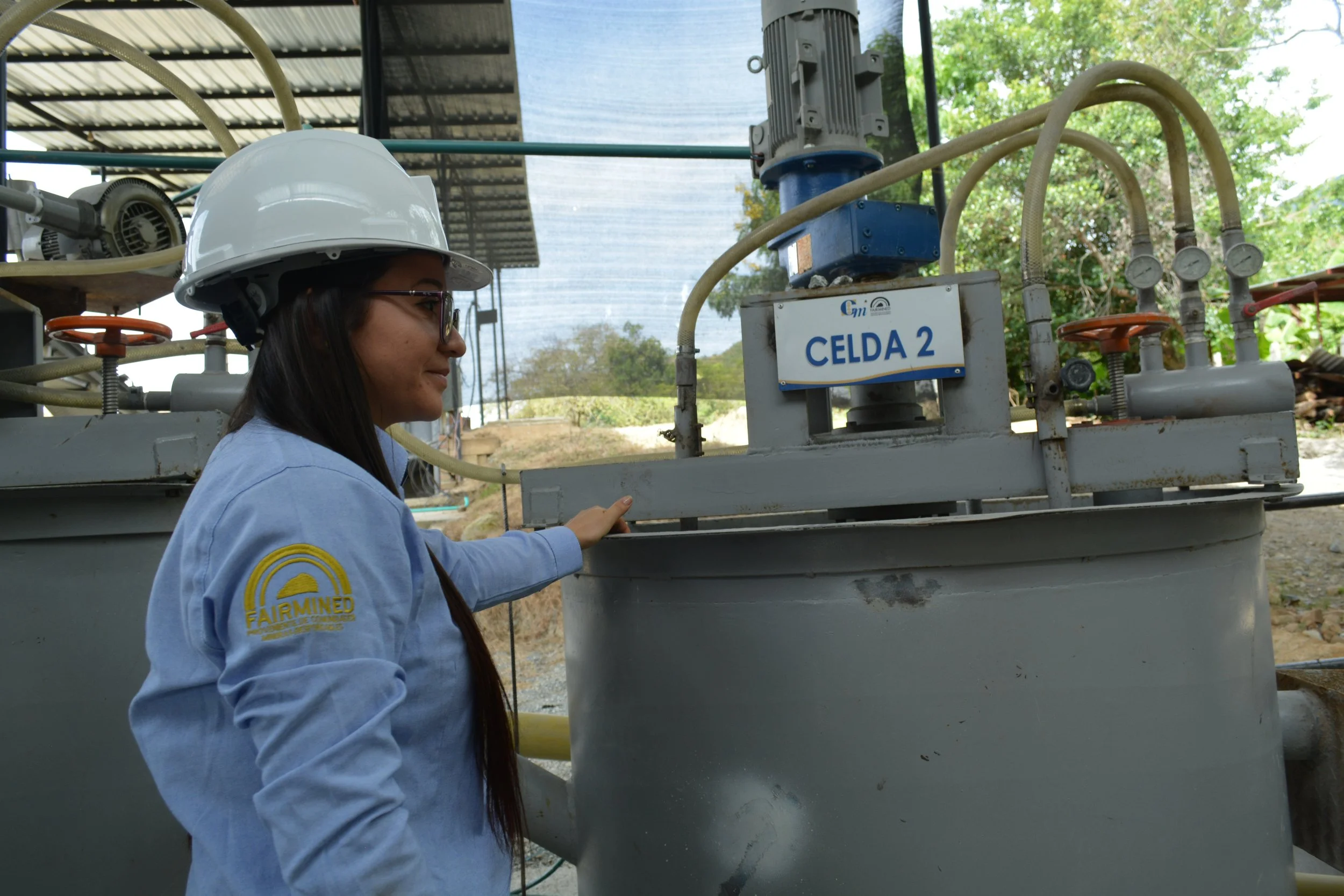
The ore is broken up into smaller pieces, which is then transferred to a shake plate that combines the ore with water and separates out around 50% of the gold and other metals. After that, the “sludge” mixture is put in large vats and cyanide is used to extract the remaining half of the metals. When cyanide is used properly, it’s actually pretty safe. The cyanide can be reused multiple times until it is “spent,” and at that point they neutralize it so that it is non-toxic to the environment and can be disposed of. At the end of the process, the miners are left with a doré bar which is a mixture of mostly gold, silver and lead. A refiner will then take the doré bar, pull out the lead, then the silver, then the gold and pay the miners for what percentage of each metal the bar contained.
A Fairmined miner working at Íquira mine in Colombia. Photo courtesy of ARM.
If the artisanal miners weren’t using cyanide, they currently wouldn’t have a means to extract the other half of the gold and precious metals they mined. So, I’ve actually come to favor regular Fairmined gold over the “Eco Fairmined” gold, and I don’t see regular Fairmined gold as being a lesser option. The "ecological" label really doesn't make sense for some mines as it is written now, and the miners I talked to were extremely eco-conscious.

Fairmined miners at La Coqueta mine site in Colombia processing ore. Photo courtesy of ARM.
CB: Thank you for clarifying that and bringing these nuances to light. I think it’s really important to have an understanding of miner’s realities before we as jewelers make a decision on what we feel comfortable supporting. For those that don’t know, last year you also went on a trip to Colombia that was organized by Alliance for Responsible Mining (ARM) to meet Fairmined miners at the Chede mine. Was there anything you were surprised to learn that you could share with us?
WA: For sure. It was eye-opening to learn more about the miner’s realities especially when it comes to the constant fear they have, especially at the Chede mine site in Colombia, of being robbed. It’s a huge privilege check on my end–I never have to worry about some random violent group coming and taking over my business and all my assets. Even if the mine sites themselves don’t get robbed, there are a lot of checkpoints in Colombia that miners have to show paperwork at when they are transporting the doré bars. There’s a lot of corruption and they can easily be robbed at any one of these checkpoints.
On top of that, Fairmined miners often have excess amounts of silver and struggle to sell it fast enough to Fairmined authorized buyers. After all that work, the miners don’t have enough demand and are resorting to selling the silver outside of Fairmined channels on the open market. The miners have even had to do this recently with their Fairmined gold, too, which I find heartbreaking.
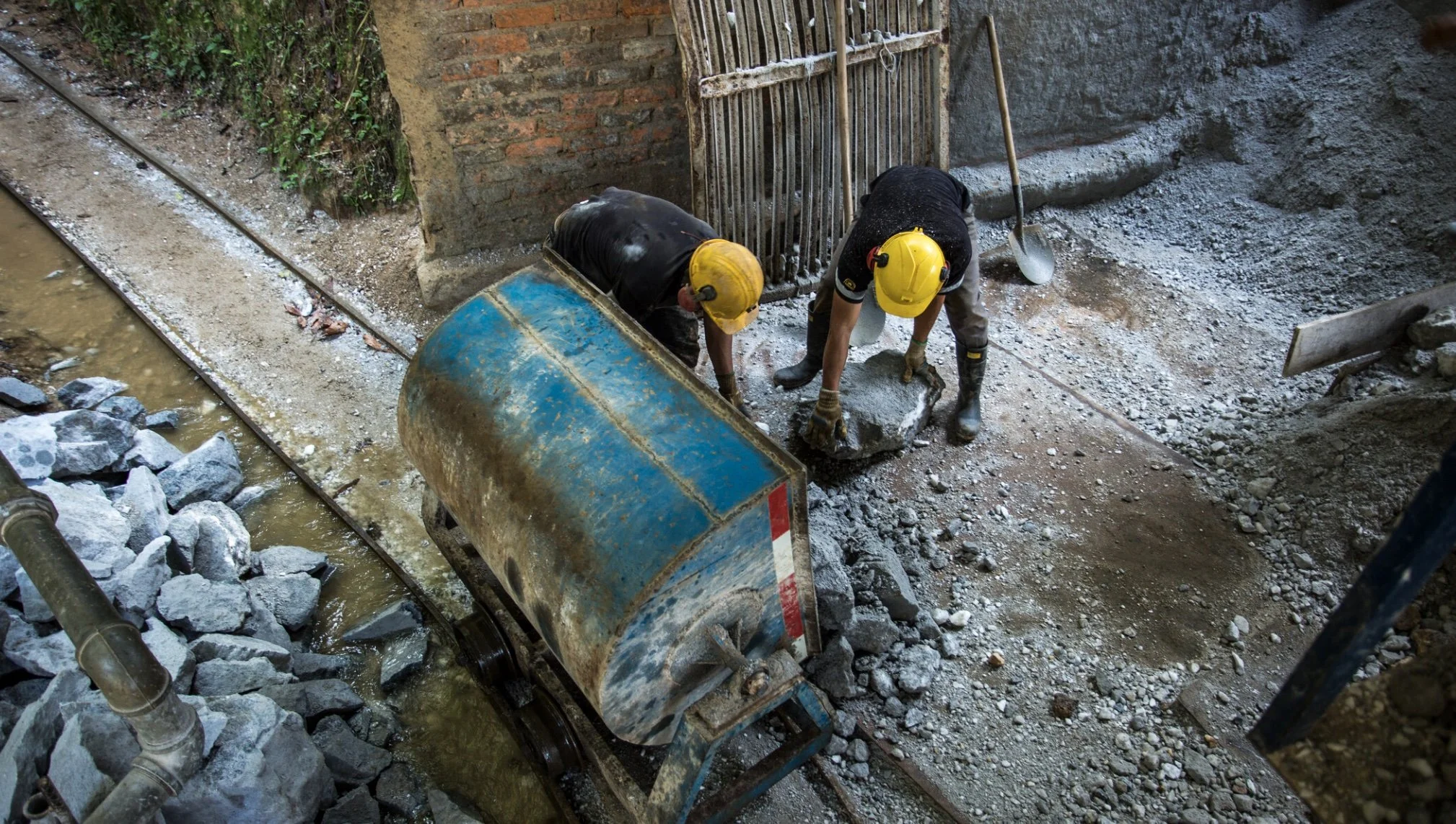
Fairmined miners working to process ore at Chede mine site. Photo courtesy of ARM.
CB: That really is disheartening. I can’t imagine going to all that extra work, and then still having to sell it to people that they know have no intention or ability to keep their Fairmined gold or silver separate to preserve traceability and tell the Fairmined story.
WA: Exactly. One of the facts that motivated me to start a buying consortium for Fairmined silver was hearing that the miners have been selling the silver at only 50% of the spot price. I know with the gold, they can be more competitive and sell it at closer to the spot price, but for the silver, they are getting a small amount for all the same amount of work put in to adhere to the Fairmined Standard.
The great thing about buying Fairmined silver is that we pay the miners 130% of the spot price. Yes, it makes the retail price of Fairmined silver so much higher than your everyday silver–but in my opinion, this way the miners are getting fairly compensated for their work.
The second reason I wanted to use Fairmined silver was to include it in our W.R. Metalarts alloy of Fairmined gold. You are allowed to have non-Fairmined metals in your gold alloy as long as only the gold meets the percentage requirements, but for me personally, I wanted to use as much Fairmined metal as I could. I think all Fairmined alloys should include Fairmined silver.
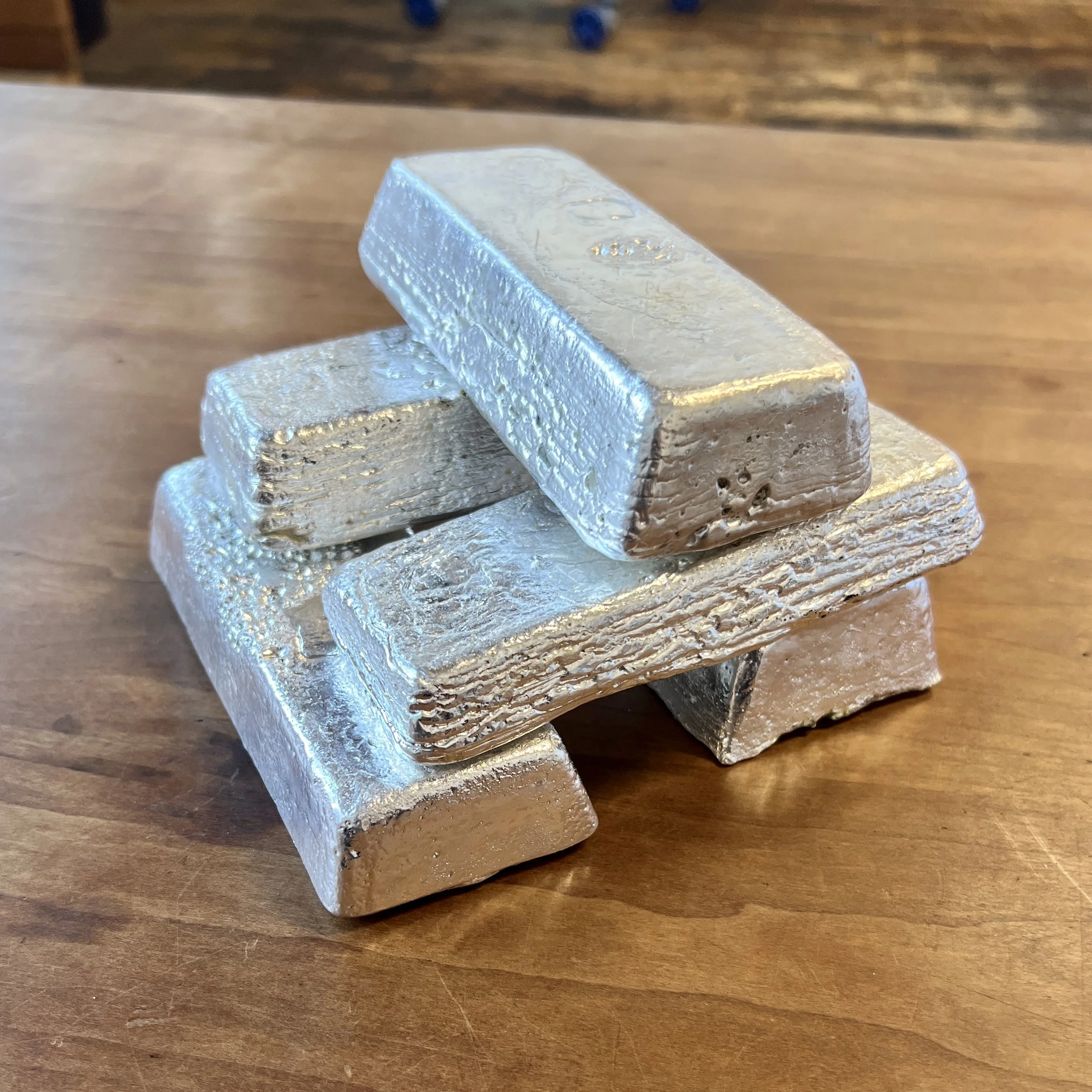
Fairmined silver bars. Photo courtesy of Will Alderfer.
CB: I think that especially compared to the skyrocketing price of gold, Fairmined silver still seems affordable! It’s all relative. We have a huge storytelling opportunity with Fairmined silver, too, which I really think will resonate with a growing number of consumers.
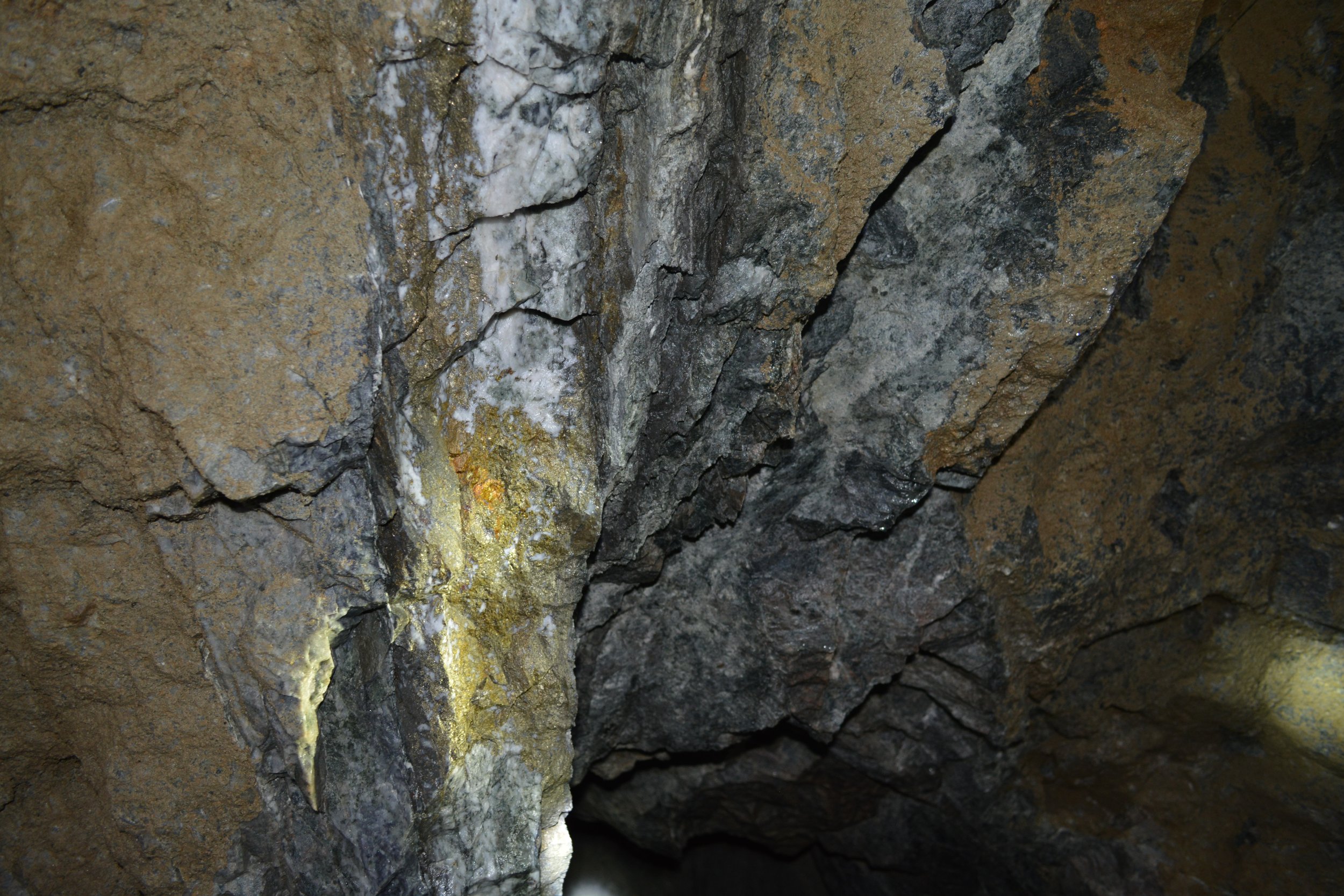
Gold in a quartz vein at a Fairmined mining site. Photo courtesy of ARM.
WA: My hope is that Fairmined silver will be a “gateway metal” for consumers to eventually get into Fairmined gold.
It’s easy to focus on the fact that Fairmined silver is approximately triple the price of non-Fairmined sterling silver. Yet, for jewelers, $3 a gram for Fairmined silver sounds a lot more doable than $70 a gram for Fairmined gold!
I see Fairmined silver as a fun way for us jewelers to support artisanal miners and tell their story, without having to initially make an entire collection out of Fairmined gold. That’s amazing if you can do that, but not everyone has that capability, especially if they are a new designer.
CB: It does sound a lot more affordable. As a consumer myself, I like having silver options for jewelry purchases that I don’t have to wait months and months (or years and years) to save up for, with gold being so expensive. I’d love it even more if I knew my silver pieces were not only traceable, but were supporting artisanal miners and their families.
WA: On another note about supporting these communities–artisanal miners can often go months without finding any gold. Yes, people like Sebastian and Anny went to school for mining, so they have a lot of knowledge, but they are still making educated guesses on where the quartz veins (quartz is the indicator mineral) are. Even when Fairmined mining co-ops don’t find gold, they still have to pay their 60-100 employees. Banks don’t always love supporting the mining industry, especially in Colombia where mining is considered more risky.
Buying Fairmined silver is a great way to help make up for when the miners aren’t finding gold, but still need to make a living. It’s really helpful for them to have a stable, continual income. A lot of the miners, for example at Íquira and Chede Fairmined sites, grow coffee beans as a secondary income, which does help as well.

Coffee plants growing near Íquira mine site in Colombia. Photo courtesy of ARM.
CB: After knowing all this, now you’ve definitely got me dreaming about how much impact we could have on these communities if we had say, 100 jewelers, consistently buying Fairmined silver.
WA: I think the consistent support for both Fairmined silver and Fairmined gold is what we need. For instance, during my importing of the Fairmined silver I have learned that adding Fairmined gold to a Fairmined silver shipment doesn’t make the customs fees more expensive. Sure, it makes insurance more expensive, but not the customs component due to Colombia’s trade agreements with the US. The miners prefer to sell in bigger batches all at once, so they know they can move their product. Yes, consistent demand is important, but that has more to do with us jewelers here in the US building that demand.
There’s always going to be supply and demand issues, but I see it as crucial that we keep telling the story of Fairmined so that more and more consumers know about it, and bigger jewelry industry actors feel the need to get involved.

W.R. Metalarts custom Fairmined silver, 14kt yellow gold and diamond ring. Photo courtesy of Will Alderfer.
CB: Can you tell me more about the buying consortium you started in Winter of 2023 to import Fairmined silver?
WA: Yes, about a dozen people went in on the purchase to buy 10 kilos of the Fairmined silver and the first shipment got here in Spring of 2024. I really wanted to make it accessible, so since then we’ve listed it on the W.R. Metalarts website for anyone to be able to purchase it, even if they only want an ounce. I’ve been alloying it into Sterling Silver upon request using reclaimed copper, but it’s also available as fine silver.
I continue to chat with Anny and Sebastian at the Chede mine, so if there’s interest in doing a bigger order in the future, we can make that happen!
CB: Will, thank you so much for this big update, all your insights and for becoming my latest Illuminator!
Are you a jeweler interested in buying Fairmined silver now, or being a part of another Fairmined silver group order? Contact will@wrmetalarts.com!
Fairever also has Fairmined Silver casting grain and sheet metal.
“We are a small team of passionate jewelry industry professionals and writers. We’d appreciate your support to grow our team and continue to be able to provide the best responsible jewelry content for years to come!”
Editorial Section
What to read next from The Source
Like what you are reading? Please help support our editors and writers today.
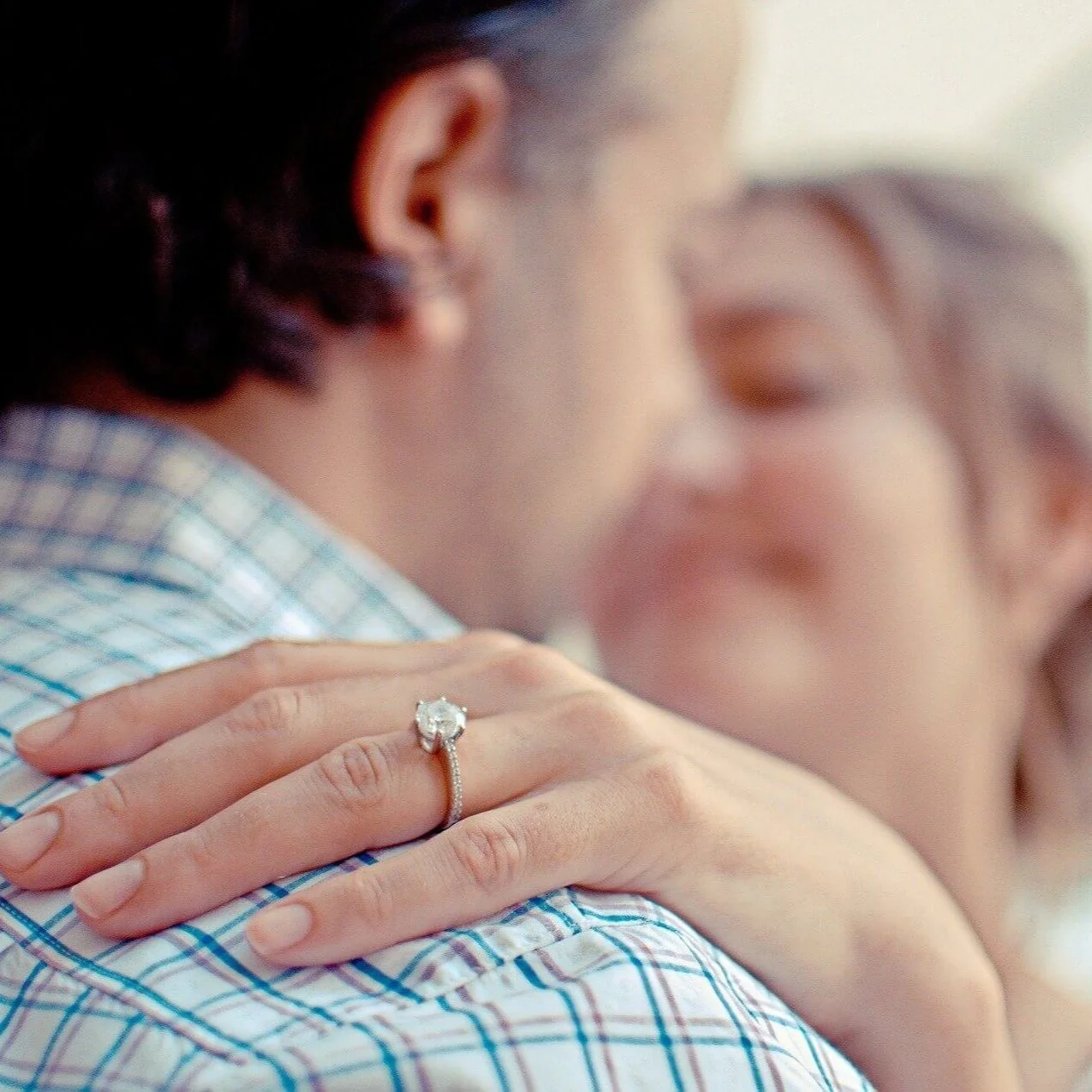
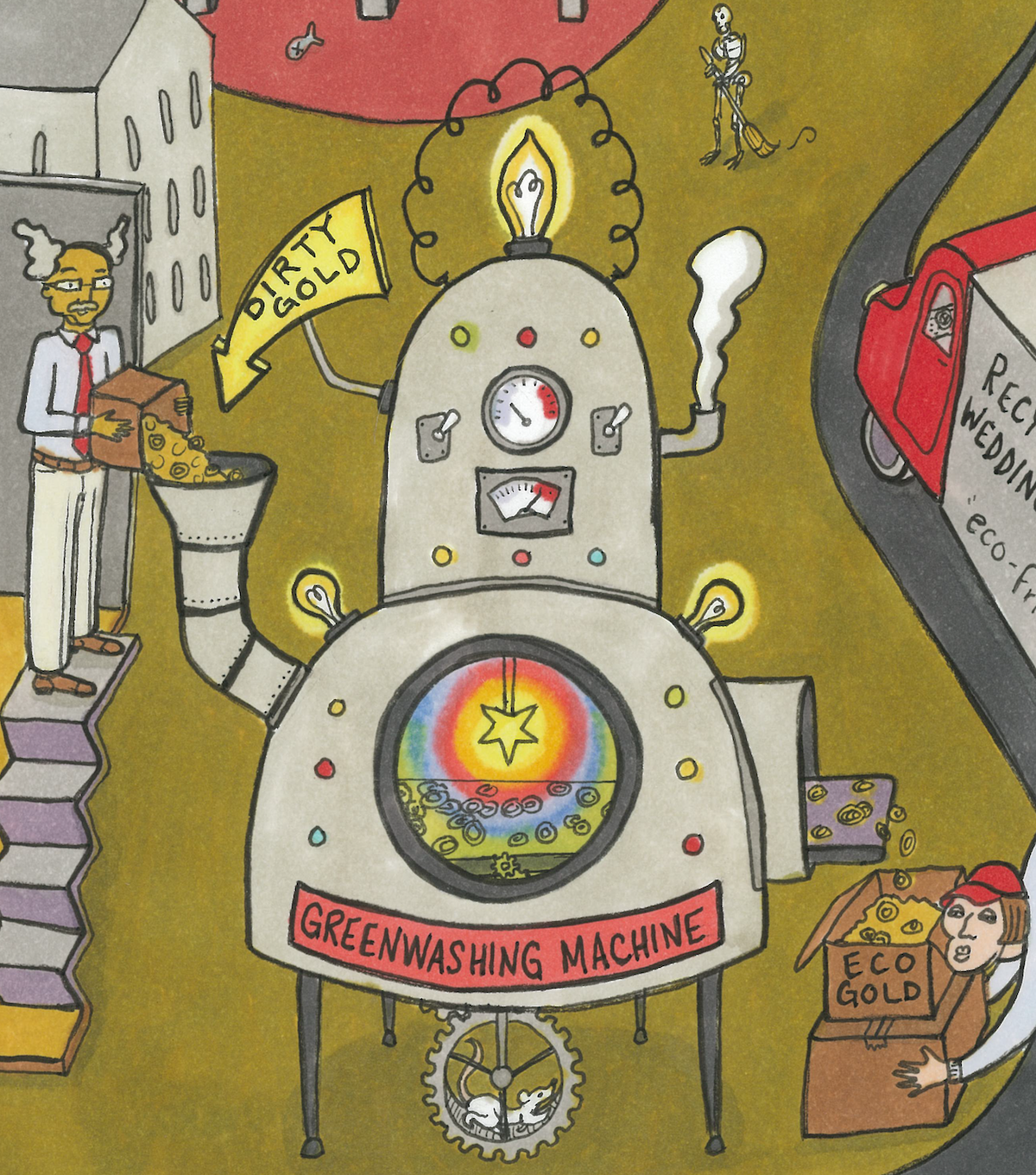
Chloe interviewed Jessica Hudson of The Nomad Jeweler on her latest collection that features ASM Colombian gold and Tahitian Kamoka pearls. Read the full article to learn more about Jessica’s story and why she chose to design with traceable artisanal gold and sustainable pearls.