

Jessica Hudson on Designing with Artisanal Colombian Gold and Kamoka Pearls

The content of this article reflects the views of the writer, and not necessarily those of Ethical Metalsmiths. This article was written for The Source.
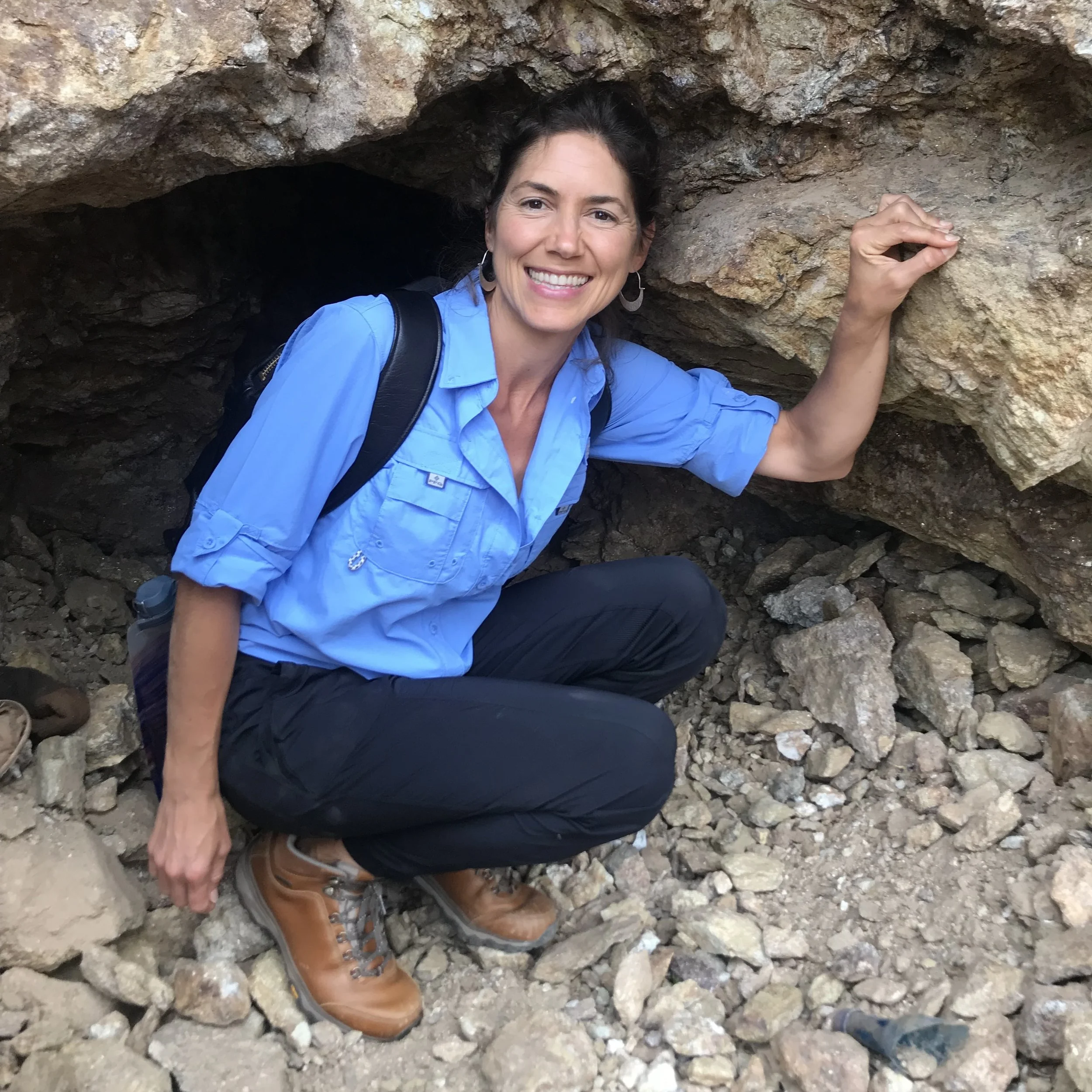
Jessica Hudson visiting a mine. Photo courtesy of Jessica Hudson.
Chloe Beaumont: First things first: how and why did you get into the colored gemstone and jewelry business?
Jessica Hudson: I can remember making jewelry as a young girl, whether it was stringing flowers together or beads from the local bead store, I loved using my hands to create handcrafted pieces for my friends and family. This passion led me to working at a metaphysical crystal shop on the North Shore of Oahu, Hawai’i, which eventually led me to studying gemology at the Gemological Institute of America in Carlsbad, California.
After graduating from GIA, I moved to San Francisco to study jewelry fabrication at the Revere Academy of Jewelry Arts. While studying at the Revere Academy I was introduced to the concept of “Green Jewelry” that completely transformed my perspective and path in the jewelry industry. After graduating from the Revere Academy of Jewelry Arts I moved to Florence, Italy to study jewelry design. Although my time in Italy was incredibly inspiring and expanded my perception of design, I returned back to the US feeling a bit lost and conflicted with my place and purpose in the jewelry world. I felt the answer was to dive deeper into the so-called “greener” side of the industry, which led me to an independent study of Sustainable Jewelry Design in Brazil through Prescott College.
My time in Brazil was beyond magical and fulfilled my desire to dive deeper while igniting a flame to journey across the globe to visit gem mines, meet as many miners, cutters at the source as possible. I felt as if the dots from my heart and purpose were finally connecting. I’ve always had a humanitarian heart and a love for nature, travel, and cultures around the world. I visited India at the age of sixteen and can still remember what I saw while driving through the slums of what was then Bombay (now Mumbai); the heartache I felt forever changed me.
I am now an advocate for artisanal mining communities across the globe. For me, every step involved in creating a piece of jewelry, from mine to market, must have purpose and intention behind it. Whether it be through traveling to Colombia to meet with the men and women artisanal gold miners, to Sri Lanka to learn about the mining and cutting practices of sapphires, or to Tahiti to learn more about eco-pearl farming, the aim is always the same; to develop trust and transparency within our jewelry industry.
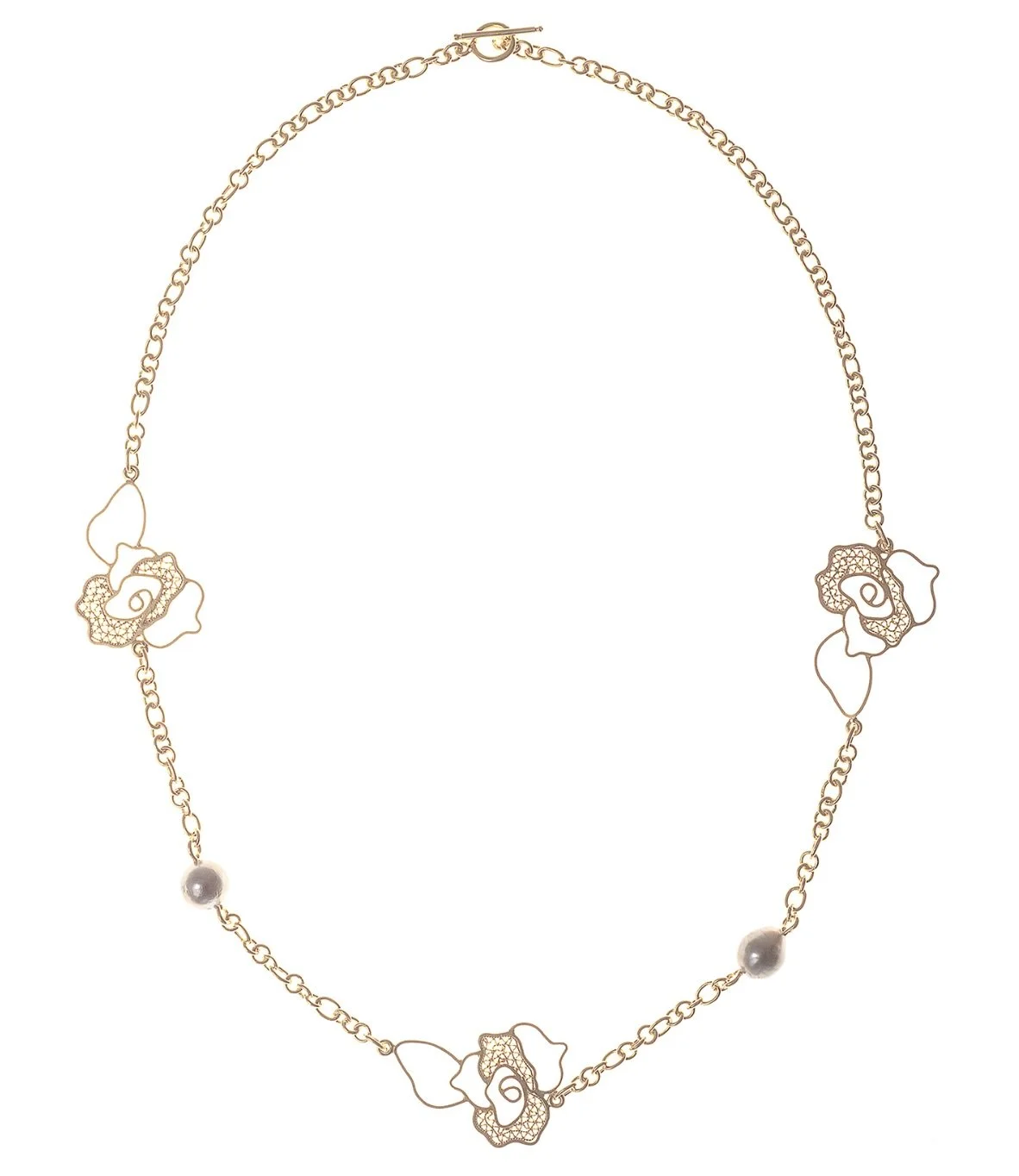
18kt yellow single-origin Colombian gold Maui Kamoka chain, hand-crafted by Deisy Ortiz, a member of Morro Joyeros Association in Tumaco, Colombia. Photo credit: Alberto Sierra. Photo courtesy of Jessica Hudson.
CB: I love your intention and mission. After all your world travels, how did you end up choosing Hawaii as your home base?
JH: What an excellent question. I should probably mention I was called to move to Hawai’i for the first time after graduating high school in 2002, and between then and now I have moved back to Hawai’i five times. I guess you could say my nomadic nature was trying to tell me something. So what made me finally decide to call Hawai’i my home? Easy. It’s a land like no other, the people, language, and ʻāina. Once you align to the rhythm of nature here, you can feel the aloha in everything. It’s truly magical and healing, there is a deep respect for relationship to each other and nature as one together. Hawai’i has helped to show me my intention for place and purpose from yesterday to today.
CB: Your latest collection for your brand The Nomad Jeweler, named “Pilina,” actually is centered around flowers native to Hawaii. What does the word “Pilina” mean?
JH: The Hawaiian language, like many indigenous languages, is one of feeling and embodiment. Therefore, a simple translation doesn’t exactly capture the true essence of Pilina. Yet if we have to translate it more simply, the word “Pilina” in Hawaiian can mean association, relationship, union, connection, meeting, joining, adhering, or fitting.
The Pilina collection represents a connection between all peoples through the rhythm of nature, the beauty of creative expression and the power each person has to bring unity and build relationships from around the world.
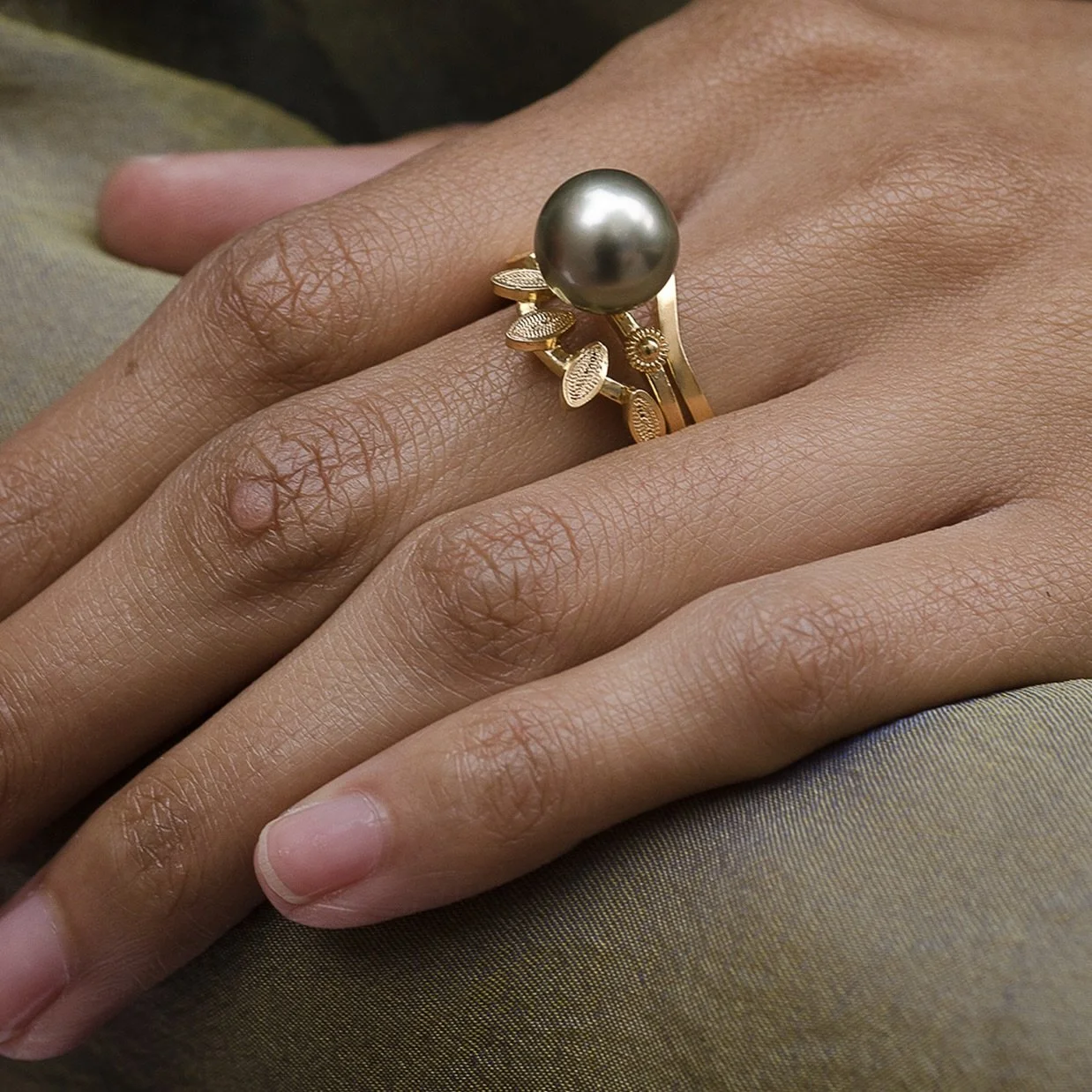
18kt yellow single origin Colombian gold, hand crafted by Andrea Quinonez, a member of Morro Joyeros Association in Tumaco, Colombia. Model: Vanessa Mora. Photo credit: Alberto Sierra. Photo courtesy of Jessica Hudson/The Nomad Jeweler.
CB: Can you tell us more about the process behind designing this collection and why you chose this specific gold to work with?
JH: As far as the materials and process, I also wanted Pilina to shine with the values of connection between all people through the rhythm of nature: single origin alluvial hand-panned gold from biogeographical Chocó, Colombia and Kamoka pearls from Tahiti. The pieces have been masterfully crafted by young women afro-jewelers who are keeping their legacy alive. What better way to share the cultural wealth than by working with artisanal miners and jewelers around the world and by imbuing the peace of mind that Hawai’i has brought me.
As for the gold, I specifically chose to incorporate 18kt yellow single origin hand-panned Chocó gold from Colombia. In one of my recent trips, I was lucky enough to get to know a bit of this magical region and its warm people. During my visit to Tumaco, located in the south of the Chocó region, I was able to meet some women miners and also with master jewelers from this Afro-Colombian community.
After conversations with the miners and the jewelers, I could see how the culture that flourished in this region has been massively shaped by gold and what a rich symbology they have around jewelry. I learned that for centuries, gold has gone directly from the river to local jewelers´ benches. benches. The ancestors of these Afro-Colombian communities were brought from West Africa by the Spaniards as enslaved people to extract the gold of this remote region. In the 18th century they bought back their freedom and started to produce and trade their own jewelry. Gold and jewelry for them signifies a celebration of life as well as protection and inner beauty.
The alluvial gold from Chocó, which is delicately hand-panned by these women miners, is carbon neutral in its origin. It is also mined without the use of mercury and is part of a transparent supply chain that dignifies the miner’s hard work. The Afro-Colombian jewelers are very versatile and are masters of various traditional techniques such as filigree, assembly, chain making, and stamping. Each piece in the Pilina collection was hand-crafted by Deisy Ortiz and Andrea Quinonez who are members of Morro Joyeros, a local jewelers’ association.
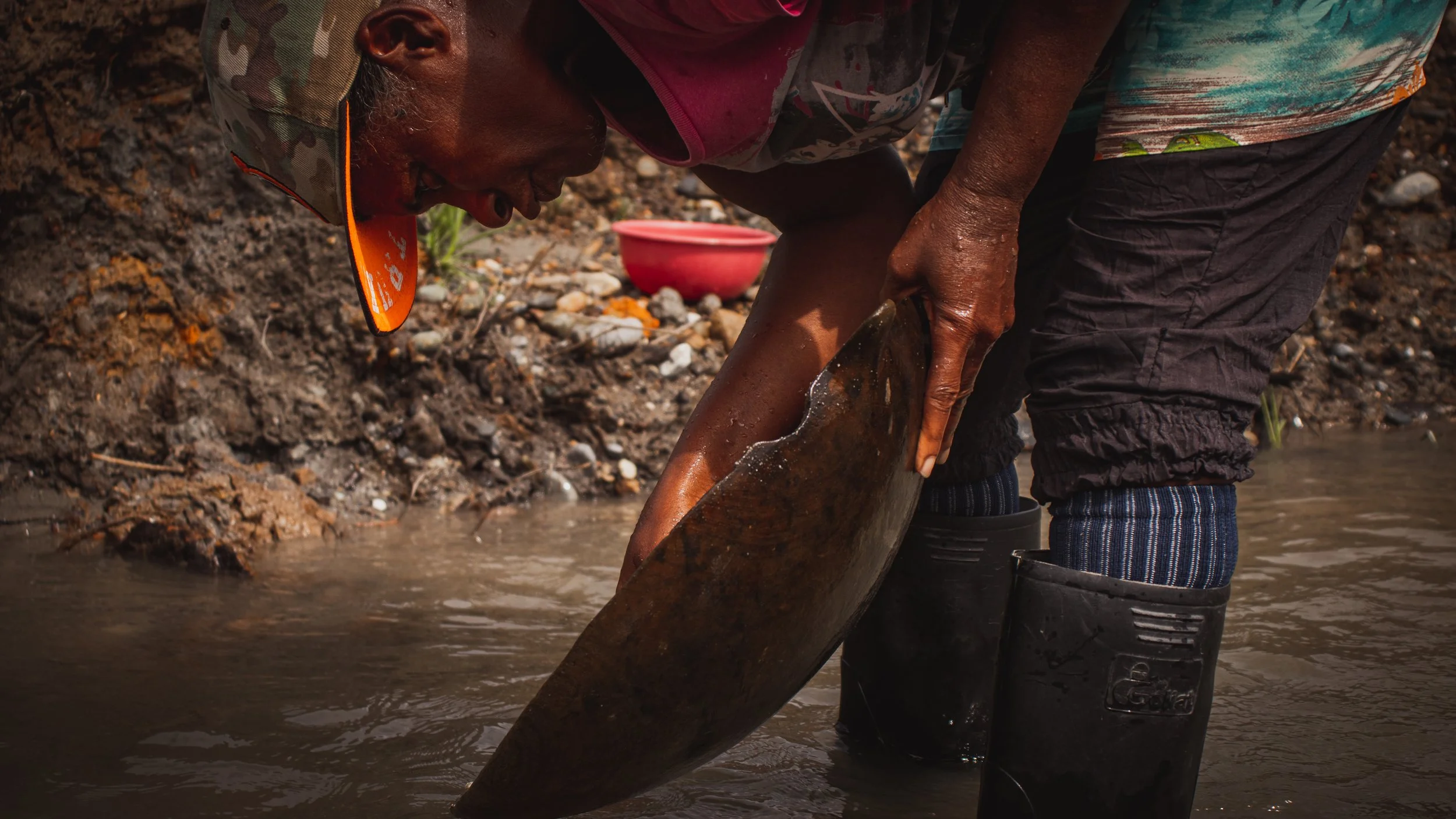
Rosa Elena, a member of the Choco Women Miners Association, works every day for long hours searching for scarce alluvial gold. Photo credit: Jarod Pena, © Moda Elan.
CB: What a rich cultural heritage, and a huge plus that the miners can find gold without using toxic mercury at all. What is the biggest obstacle that the miners and jewelers face?
JH: The main challenge is that irregular mechanized gold extraction since the 1990s has deforested the jungles and contaminated the rivers with mercury. It is increasingly difficult for the artisanal miners to find the gold necessary for their families' livelihood and for the jewelers to obtain mercury-free gold.
Their resilience despite these challenges is yet another reason why I wanted to use this gold, the sale of which directly supports the mining and jewelry communities. This partnership is possible in large part thanks to Ana Sierra, founder of MODA ELAN, whom I met in 2018 on a trip to visit the Fairmined gold mines in Colombia. MODA ELAN is a brand renowned as a Latin American pioneer of ethical jewelry sourcing and sustainable practices. Ana has articulated the supply chain of this “single origin eco-gold” and has made it possible for us to work directly with the Afro jewelers' workshops.
CB: I really appreciate that you are working with artisans right there in Colombia. You’re not only helping the Colombian jewelers and miners preserve their cultural heritage of metalsmithing and gold mining, but you’re creating added value for your brand with such a rich story to tell!
I also wanted to ask about the Tahitian pearls you sourced; I know these are special too. Can you tell us more about what makes these pearls a responsible choice?
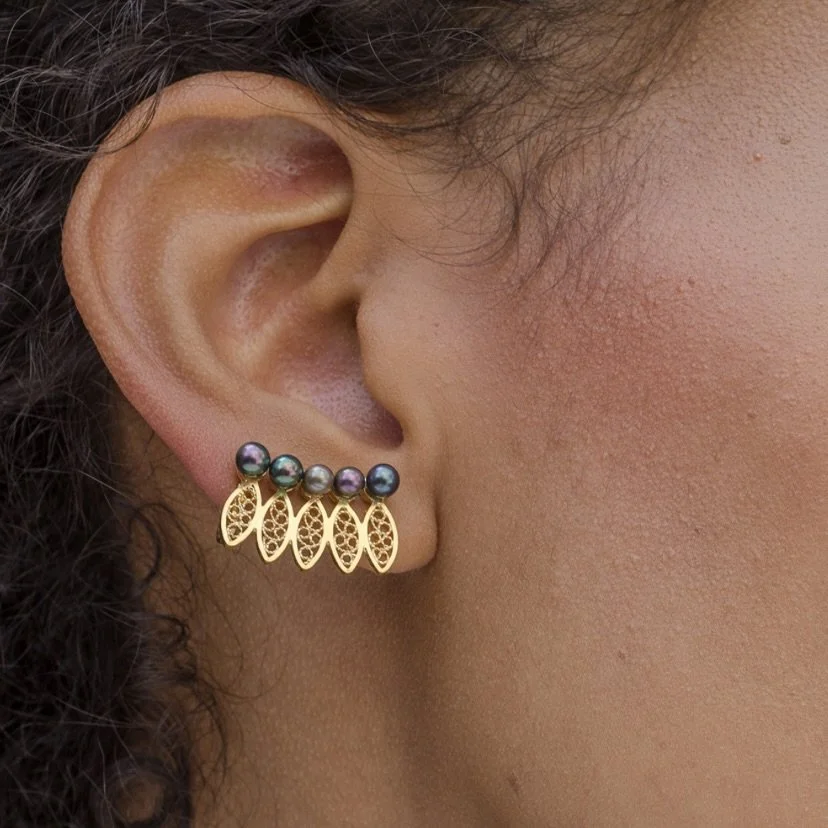
Mokihana Kamoka earrings with Tahitian pearls and hand-panned Colombian gold. Photo courtesy of Jessica Hudson/The Nomad Jeweler.
JH: Yes, all pearls in the Pilina collection are sourced from the Kamoka Pearl Farm located 300 miles off Tahiti, and are indeed very special. Kamoka pearl produces pearls from the nutrient-rich lagoon of Ahe Atol. Kamoka Pearl has implemented several responsible practices. One example is that they hang their oysters in shallow zones near the reef where they can be cleaned naturally by innumerable species of tropical fish, rather than cleaning with high powered hoses that wreak havoc on the local ecosystems.
A reserve has been created where the lagoon’s fish populations can safely reproduce, with no fishing allowed in their farming area. They also use nuclei made from mother of pearl -- a renewable resource of the oysters we cultivate instead of using the mussel shell nuclei that is used in most pearl culturing which actually contributes to the decline of this species.
Furthermore, farm employees live and work together in a communal setting. Because fair wages are paid and turnover is low, the farm is able to retain knowledge and foster a shared sense of enterprise. I have had the privilege of visiting Komoka Pearl several times to help harvest pearls and can confirm all the practices I mentioned are in place. There is a continual conscious effort to keep their underwater zone pristine and conserve the coral reefs.
CB: What is your favorite part about being involved in the responsible jewelry movement?
JH: Oh wow, can I say everything? Ok, I’m going to try to sum everything up into my favorite “part”. My favorite part of being involved in the responsible jewelry movement is feeling the collective force of hope, compassion, and positive change that is able to overcome any challenge that we may face as a community.
The key is to always work together and to never give up! I’m a strong believer in that anything worth anything is worth every challenge. Together, we got this!
CB: Jessica, thank you so much for educating us more on these two wonderful sources of gold and sustainable pearls, and for becoming my latest Illuminator!
“We are a small team of passionate jewelry industry professionals and writers. We’d appreciate your support to grow our team and continue to be able to provide the best responsible jewelry content for years to come!”
Editorial Section
What to read next from The Source
Like what you are reading? Please help support our editors and writers today.


Chloe interviewed Jessica Hudson of The Nomad Jeweler on her latest collection that features ASM Colombian gold and Tahitian Kamoka pearls. Read the full article to learn more about Jessica’s story and why she chose to design with traceable artisanal gold and sustainable pearls.