

The Importance of Sustainability During a Pandemic

The content of this article is the opinion of the writer and was written for The Source
“Jewelry: Who does it benefit? What can it do?"
These questions posed by Brian Cook, founder of Nature's Geometry, are central to how sustainable the jewelry industry will be in the future. As many of our “non-essential” businesses were shut down and continue to be closed due to the Coronavirus pandemic, answers to these questions have never been more relevant.
The pandemic has brought values connected to sustainability into sharp focus, as well as intensified discussions around materialism, over-consumption, and irresponsible business practices. It has been an opportune time to re-evaluate our lives and what is most important to us.
If you've been going to trade shows and industry gatherings the past few years, you've no doubt noticed how responsible sourcing is becoming more and more of a hot topic. Each show boasted at least one panel discussion or fireside chat on the matter. For the last three years, we've even had the Chicago Responsible Jewelry Conference which connects international stakeholders from miners and designers to tech companies and government representatives.
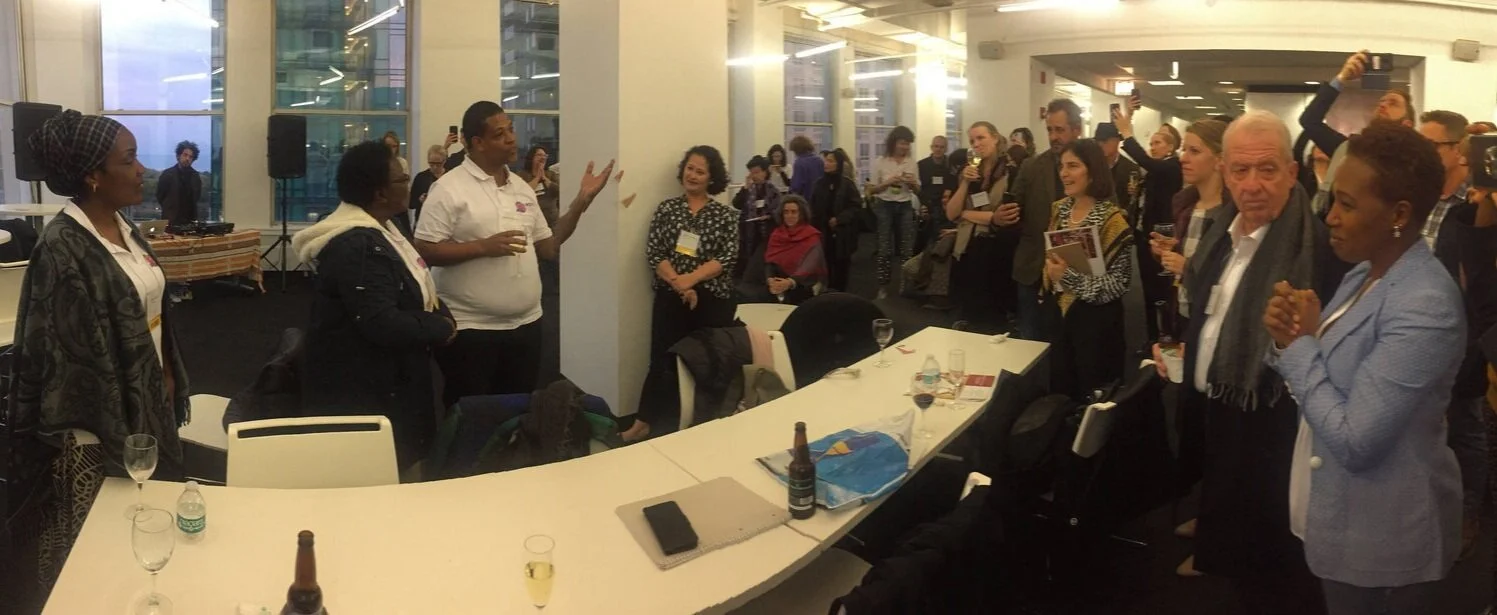
Chicago Responsible Jewelry Conference 2019. Photo Credit: Alix Hart
“The pandemic shutdowns have forced many of us to rethink how we are conducting our businesses; it is vital that we all consider how we can become more responsible going forward.”
While the issues surrounding the responsible jewelry movement may seem vast and overwhelming, by working together, so much progress is already being made. A growing number of industry members are joining the ranks and commanding the charge.
The jewelry industry has been evolving rapidly and now the pandemic has only sped up the change. We've all been feeling the tumult, with storefronts temporarily shuttering and studios moving home where they can. Some of us have lost jobs or mourned loved ones.
It's hard not to think about how the pandemic is affecting those further down our supply chains as well. Artisanal mining communities already tend to be marginalized and underserved by governments, making them particularly vulnerable to the economic shock already underway as a result of COVID-19. For many miners, the reality they are dealing with is "What I make is what I eat," according to Cristina Villegas, an EM advisory council member who works with the NGO PACT. Due to the international gem trade coming to a sudden halt in March, and no buyers traveling to purchase gemstones indefinitely, miners suddenly are left food insecure and with no source of income.
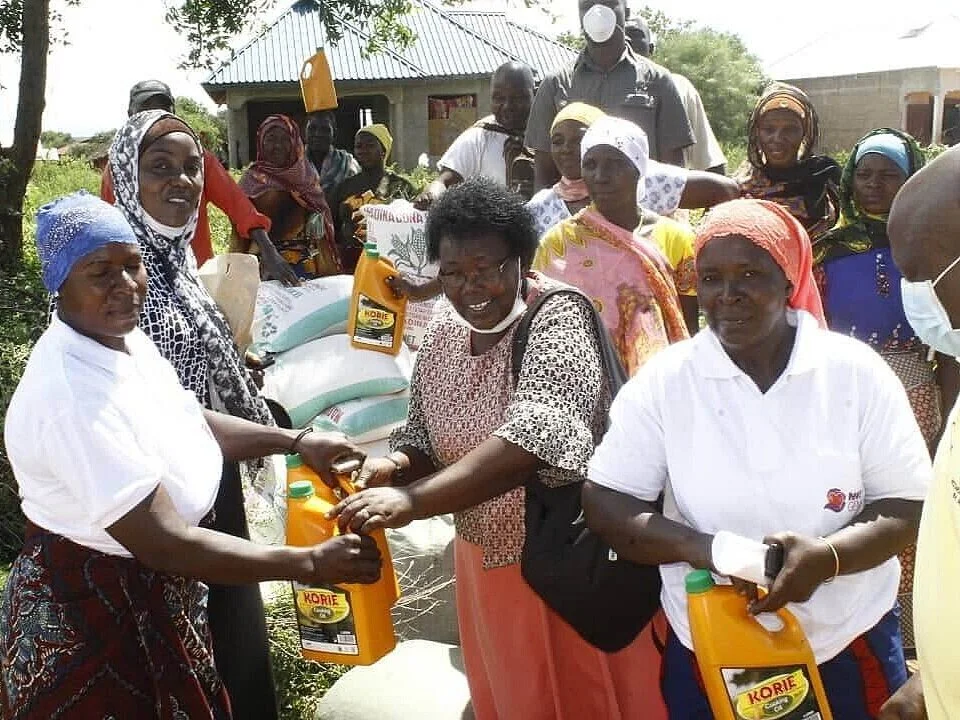
Gem Legacy and TAWOMA miners
Rachel Dery, Gem Legacy's director of communications and outreach, reports that the urgent needs in these areas right now are essentials for survival: food, water, and sanitation. Thankfully, Gem Legacy was quick to offer relief to some East African mining communities with their COVID-19 Emergency Fund. Retailers and designers from throughout the industry also heard the call and were ready to contribute by donating and offering percentages of sales to help take care of the people in our supply chain. If you've been following along with Gem Legacy on Instagram, you can see the direct impact they're having by delivering food, water, masks, and sanitation supplies to orphanages and mining communities in Kenya and Tanzania.
These miners are an essential part of our industry. They are our partners, not our beneficiaries, and play a vital role in sustaining our businesses. 80-90% of colored gemstones, 15-20% of diamonds, and 20% of our gold supply comes from artisanal miners, 30-50% of whom are women.
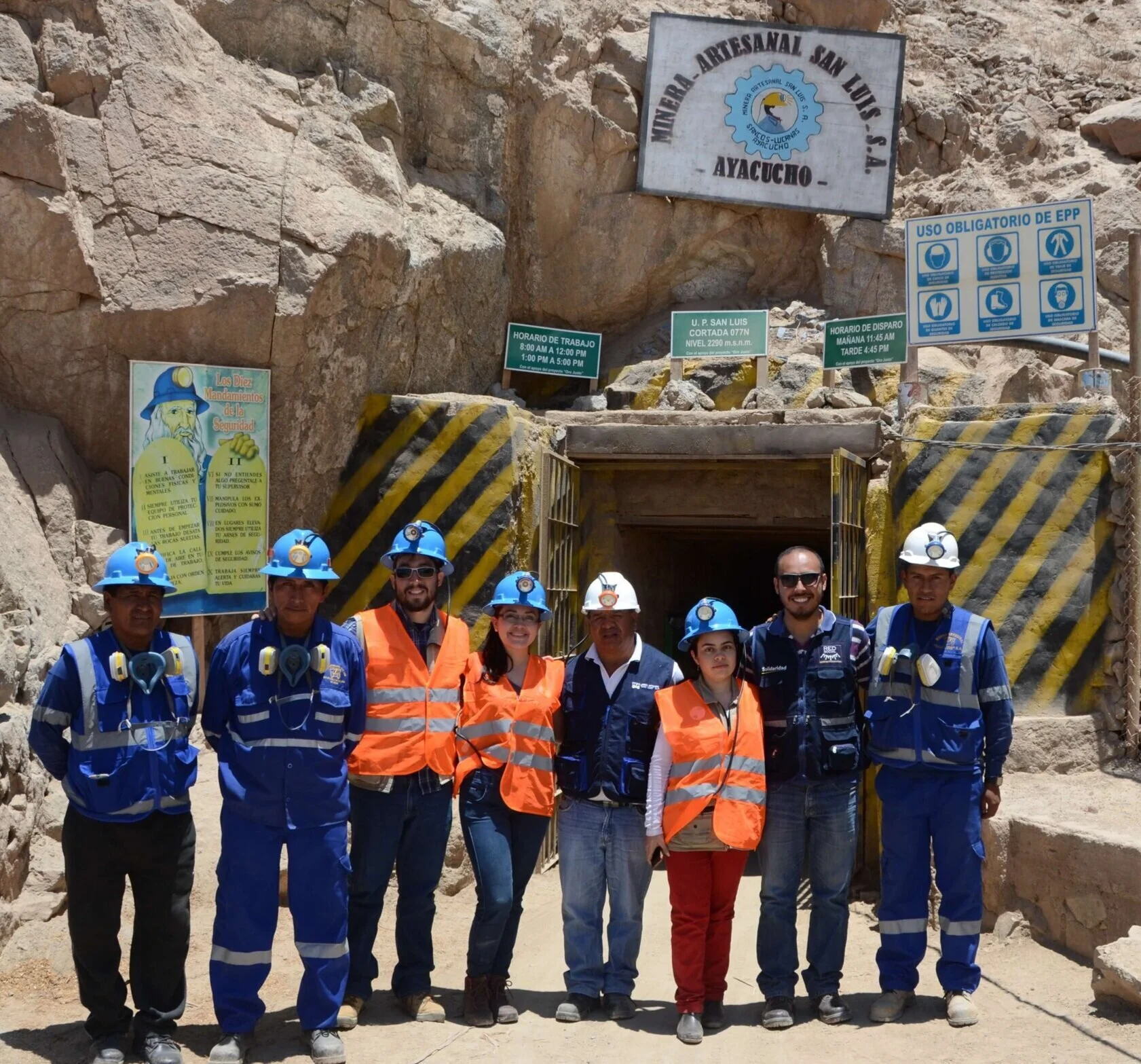
Gold miners at the Fairmined San Luis Mine in Peru
Monica Stephenson, EM board member and owner of ANZA Gems, strongly believes that, "True sustainability is making sure that our supply chain is empowered and thriving even when we aren't there. We have to make sure we all benefit from this. If you look at colored gemstones, if you sell them—we have a responsibility as an industry. Miners' stories are our stories, and we don't have a story unless they survive this."
Who does jewelry actually benefit? For the first time, we have the industry at large thinking about the answer to this question. The ripple effects of the Coronavirus pandemic have forced people to acknowledge key supply chain players such as miners who are often kept invisible to the broader public. The jewelry industry can no longer afford to ignore them and must instead let them know they are seen and supported, even when times are undeniably tough. Amidst all the tragedy, this global pause has given us an incredible opportunity. This is our moment to define what we want “normal” to look like when this is all over.
Let’s ask ourselves:
How can we support a more compassionate industry? We have the ability to cast a vote with our dollar for what we want our “new-normal” to be post-pandemic. Collaboration among different facets of the industry is critical now more than ever for our future. We can choose to work together and support initiatives that will shape a more responsible and sustainable industry that benefits everyone along the supply chain.

Moyo Gems Miners
For example, by purchasing Fairmined gold, you're casting your vote for responsibly-mined gold that benefits the community who mined it and doesn't irreparably harm their health and the Earth. By buying gems from traceable sources, like the newly launched Moyo Gems, you show the industry that transparency and accountability matter. (Full disclosure: Moyo Gems is partly run by Monica Stephenson, an EM board member).
If you're concerned about mercury pollution (which is projected to increase because of the pandemic elevating gold prices), support projects like Better Without Mercury and the Mercury-Free Mining Project that help remove mercury and find viable alternatives for the miners to use. (Full disclosure: Mercury-Free Mining Project was started by EM Advisory Council member Toby Pomeroy). Join the conversation by becoming a member of Ethical Metalsmiths - we have several resources, such as the member forum, available to help you get started. Christina Miller, co-founder of EM, summed it up nicely in one of her monthly Living Room Sessions: "You can do good, while doing well."
It is possible to cast our vote for a world where jewelry benefits everyone involved. If there's something my time in this industry has taught me, it's that together, I know we can make it happen. These actions may seem small, especially when compared to the scale of the pandemic, but just like the virus, change starts small and grows exponentially.
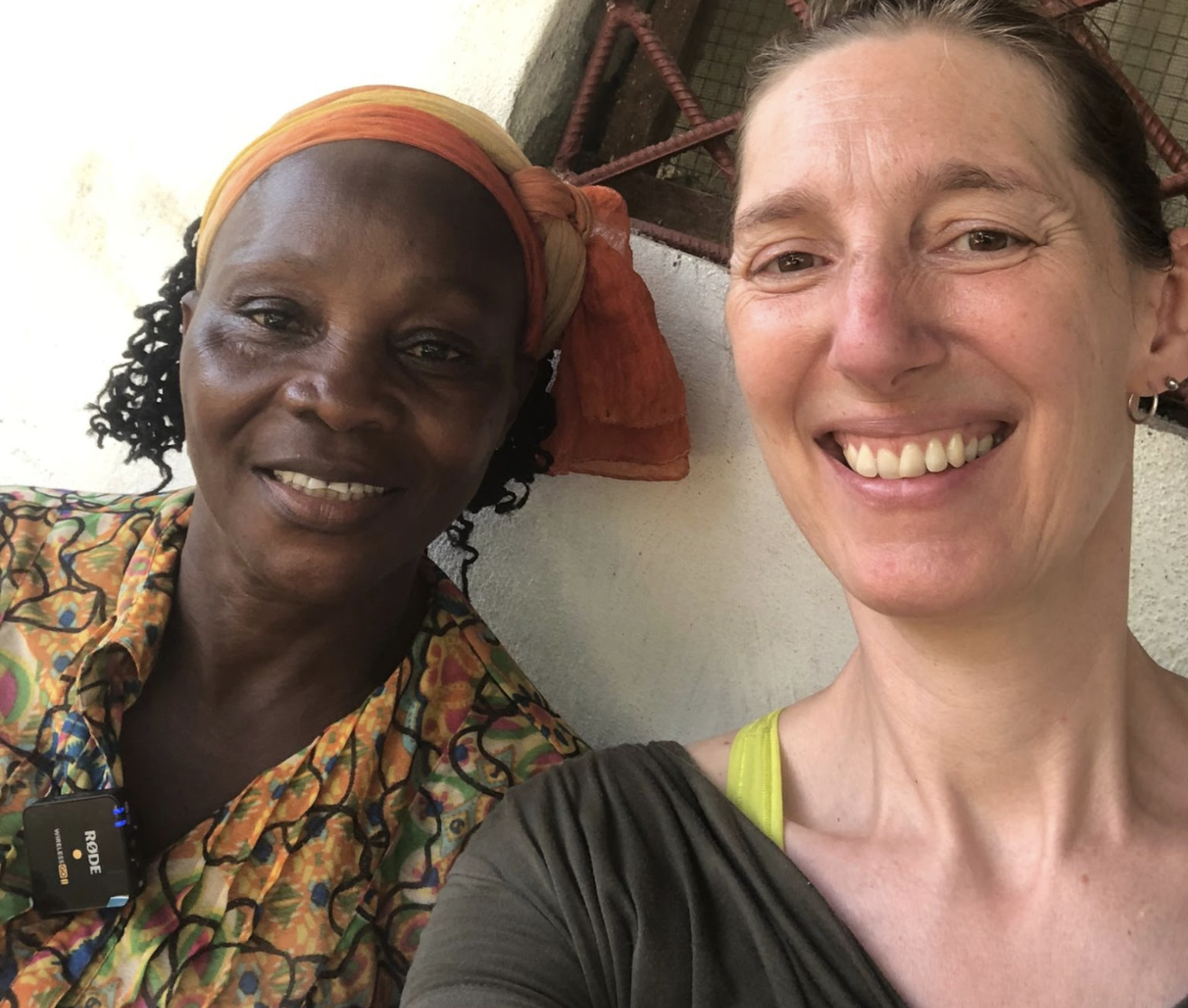

What do beekeeping and fish ponds have to do with diamond mining?