

Jewelry Journeys with Rachel Hill
The content of this article is the opinion of the writer and was written for The Source
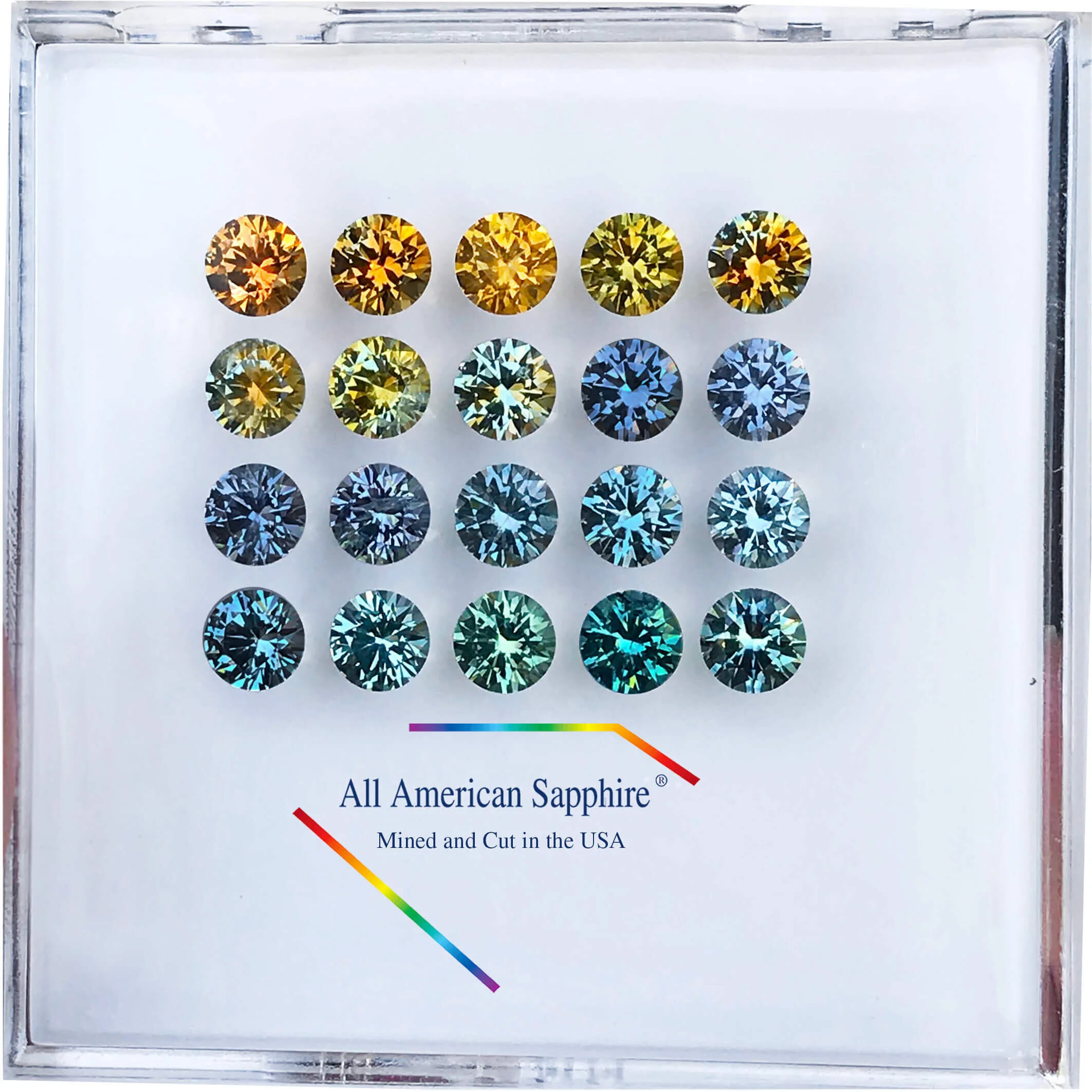
Rough Rock Creek Sapphires. Image Credit: Rachel Hill
Rachel Hill is owner of Americut Gems, a gemstone company whose “All-American Sapphires” are 100% mined, cut, and polished in America.
Americut Gems is the only company in the United States that is commercially producing precision cut and polished Montana sapphires in all sizes.
CB: Did you always know that you were going to join the family jewelry business, or if not, how did you get involved?
RH: My dad got into investment diamonds at first, which eventually led into designing custom jewelry for people. I by default kind of fell into it with him when I was around 30 years old after getting a Cross Cultural Communications degree and pursuing multiple other things. We then partnered with Kiwon Jang, our current gem cutter, and he was training me in how to use the cutting machine. When Americut first started looking for a steady supply of gemstones to start cutting, we tried Colombian Emeralds and Sri Lankan sapphires, and we tried partnering with mines in Zambia. None of these ventures worked out; the melee emeralds fell apart because we didn’t oil them, and then we got money stolen from us in transit from Sri Lanka. When we found the Potentate Sapphire Mine in Montana, we were so excited.
Finally, we could have a natural gemstone with a guaranteed supply that could also be completely mined and cut in America, as well as being environmentally conscious. Anyone issued a permit to mine in Montana is probably subject to the strictest mining regulations on the planet. Moreover, miners must comply with federal and local regulations, as well as those issued by the Montana Department of Environmental Quality. The regulations, which includes reporting information from miners and routine and unannounced, surprise site visits by regulators, are enforced. It is also important to remember that Potentate is an alluvial mine therefore environmental damage is minimized; the Rock Creek deposits are usually less than 2 feet below the surface and are recovered using a backhoe.

Rough Rock Creek Sapphires. Image Credit: Rachel Hill
CB: Is there anything that you would want people to know about your sapphires that they might not currently be aware of?
RH: Our added value at Americut is first and foremost traceability and transparency in our supply chain. Inscription with respect to the All American Sapphire takes the form of a Diascan report. CAD designs are downloaded to the robotic cutting machines and the polished stone, which reflects the CAD, is given a diascan. This scan generates a written report which is offered to the customer to illustrate the cutting pattern and verify domestic cutting claims. Also, we are the only company in America that is able to cut Montana sapphire melee here in our own country.
CB: It’s exciting that you can cut stones in the whole range of millimeter sizes, because it gives people plenty of options and the ability to choose the exact size of sapphire they want without having to go buy from another less-trusted source.
RH: Right. One thing that most people don’t know about Rock Creek, Montana is that there’s very few stones that we get to keep unheated. The majority of the sapphires from this source are highly included or a light green color without heat treatment. From my understanding, the reason why sapphires from this area weren’t very popular 30 or 40 years ago is because they didn’t have the technology to be able to heat treat the stones, and nobody wanted the light green or included sapphires. What heat treating does is it removes the “silk” inclusions and brings out more beautiful blue and blue-green colors. So now we can get these highly saturated, brilliant, beautiful gemstones because of the heat, but we are still fighting consumer aversion to any treatment. We treat them locally in Montana and all we do is put them in an oven and turn up the heat. Nothing else goes on them; they’re just “cooking a little longer”! I don’t think the general public knows that 95% of sapphires on the market are heat-treated because otherwise there wouldn’t be enough sapphire on the market to satisfy demand.
CB: Sure. That’s also true with other gemstones--almost all topaz.
RH: It’s kind of like oiling with Emeralds. There are lots of sapphires that don’t respond well to heat treatment, so we are lucky that ours do. You’re also getting the “hearts-and-arrows” top quality precision cut with every size we cut from the smallest melee to large sizes. When you get into larger stones, you can’t calibrate those, so you have to do them by hand. Now, that’s when you start getting into all the problems the Ethical Metalsmiths community knows there are in the Cutting sector, which sadly hasn’t been a big focus in the jewelry industry at large.
People today are most often concerned about poor mining conditions and knowing a stone’s provenance. I personally think the cutting factories are worse and there should be equal concern surrounding them. I mean, would you like to be 70 years old and sit with your legs crossed and have been cutting for thirty years for $1 a day? If you’re lucky? Not to mention you’re inhaling all that stuff that gives you lung disease.
CB: Like Silicosis.
RH: Right. I mean, even here in the United States, are people really prioritizing safety most of the time? Even if they say they do? A factory worker can hear that OSHA (Occupational Safety and Health Administration) is coming so they get all their gear on, but as soon as they leave they take it off. But at Americut we don’t have those issues because it’s all owner-operated; we have complete access to the cutting factory and are aware of what is happening there. Every gemstone is weighed and given an inventory number. This information is inscribed on individual packaging and sent to the factory, and it is then returned in the same individual packaging with the polished weight added.
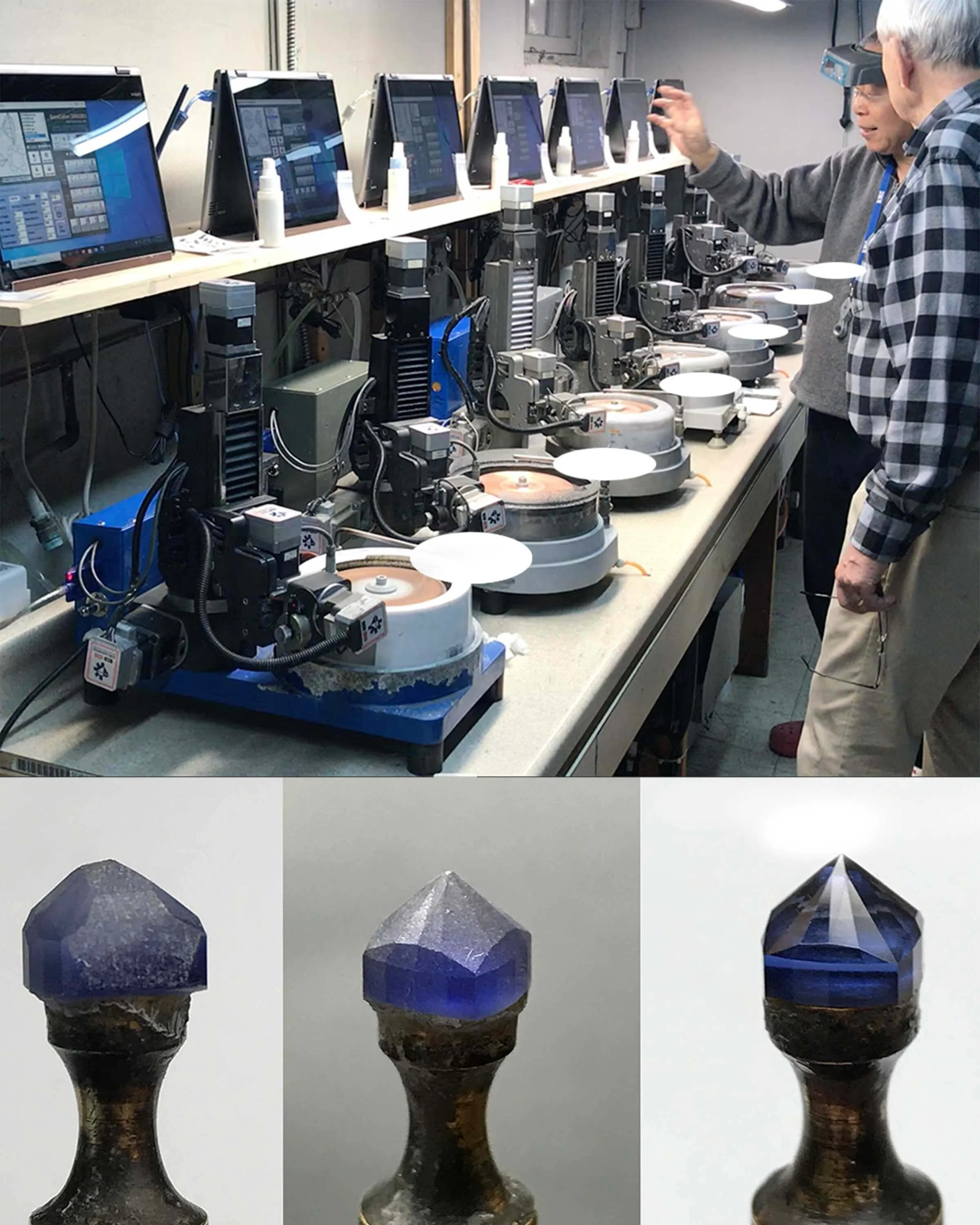
Cutting Machines at Americut facility. Image Credit: Rachel Hill
CB: A bonus being that you have a partner who you trust and who is extraordinarily talented.
RH: Yes—our clients are getting museum-quality cuts from Kiwon; he used to be an AGTA Spectrum Awards judge. My dad, the visionary that he is, decided that Americut Gems deserved to be an American product that was sold to American jewelers. We could take our stones from mine to market and do retail as well, but we decided we didn’t want to compete with the jewelers; instead we let jewelers select the stones. Then, customers can buy from their local jeweler and also support them. We want Americut Gems to be able to be in every jewelry store across the nation and be a product that Americans nationwide can be proud of.
CB: That’s awesome. What has the response been like from the jewelers and the retail part of the industry?
RH: Super good, especially since we transitioned to wholesale. We will still get calls from consumers about our gems, and then we ask them, “Well, who is your local jeweler?” Once their jeweler makes an account with us, they are making these found sales from the new clients and they are excited to keep their accounts going. It’s fun to have such a good feeling about being a part of this community.
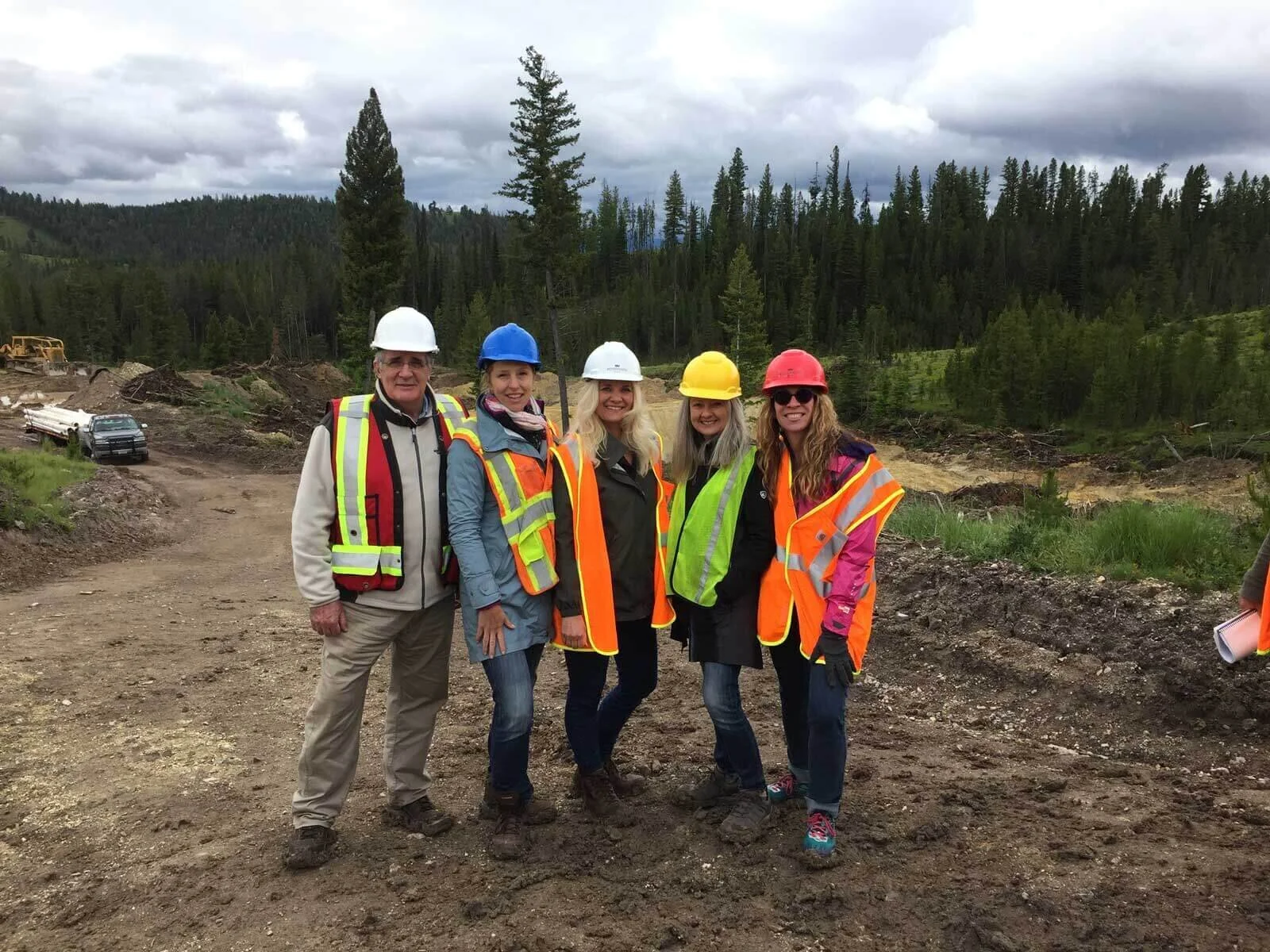
Warren Boyd (left) Rachel Hill (center) Alexandra Hart (Second left) Susan Crow (second right) and Wendy Woldenberg (right) visit Potentate Mine. Image Credit: Rachel HilL
CB: What is one thing you appreciate about being a part of Ethical Metalsmiths?
RH: What I love about EM is that they say, “Just start, and try to be better. Do your due diligence to try to be traceable; you’re not going to be 100%. We’re trailblazers in this.” I don’t like to be heralded as “the example for people to follow” because I know they can’t easily replicate our situation and what we have access to (an environmentally conscious mine in the US, a highly skilled cutter and top quality machinery, etc). However, you can learn to cut, you can support local cutters who want to cut your material. You’re going to pay a little more, but then you can say it’s cut here in the US, and that makes it worth it.
Editorial Sections
What to read next from The Source




Something we rarely talk about to the extent that it is almost taboo is what happens with a break-in, burglary or even a hold-up: How do we deal with the aftermath?