

Meet ASM Gold Traceability Implementer Suzanne Zave
The content of this article is the opinion of the writer and was written for The Source
Insights from ASGM Traceability Implementer Suzanne Zave
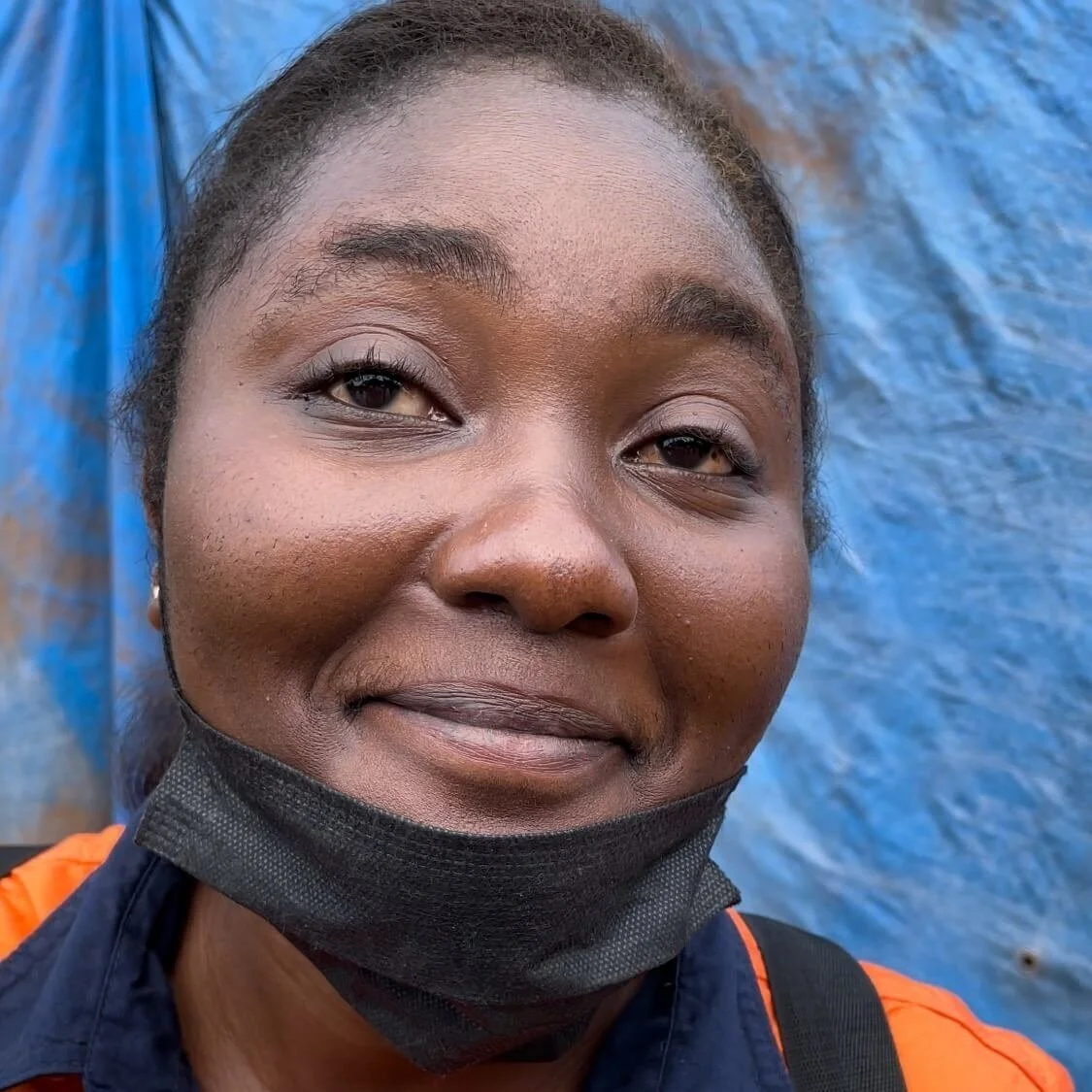
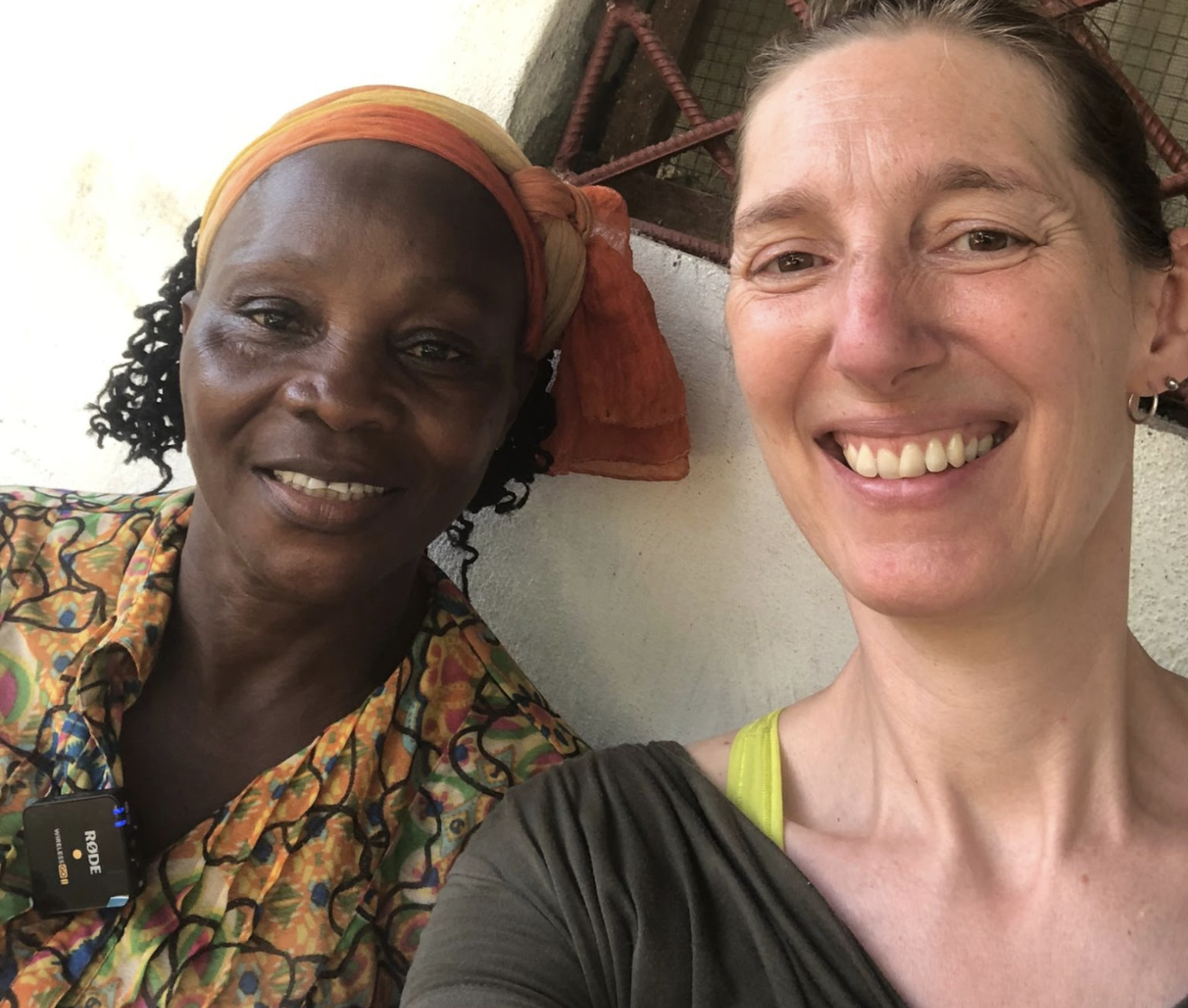
Caption: Suzanne Zave at the Luhihi mine site in South Kivu Province, Democratic Republic of the Congo. Photo courtesy of the author.
A note from the author:
I spent two weeks of October in the Democratic Republic of the Congo (DRC), touring several small-scale gold mining sites and meeting with a number of supply chain actors involved with the USAID-funded project known as Zahabu Safi. I was sent there by the company I work for, Reflective Jewelry, to answer the basic question of whether sourcing this gold could be right for us.
Despite having been in the ethical jewelry sector for close to 5 years, it seems there is always more to learn — and adding an in-person dimension has opened up a whole new world of considerations.
The interview below was conducted at Luhihi, a mining site in the South Kivu province of the DRC — about a two hour’s drive over dirt roads from the provincial capital of Bukavu. As I transcribed this piece, it struck me that even as illuminating as Suzanne’s answers are, some may bring to readers’ minds even further questions.
If this is the case for you, don’t fret! I will have another piece coming soon, which will address my experience in the DRC and with Zahabu Safi in greater detail.
Final note: All of Suzanne’s answers have been translated from French to English, with the assistance of two translators, to the best of my abilities.
—Kyle Abram
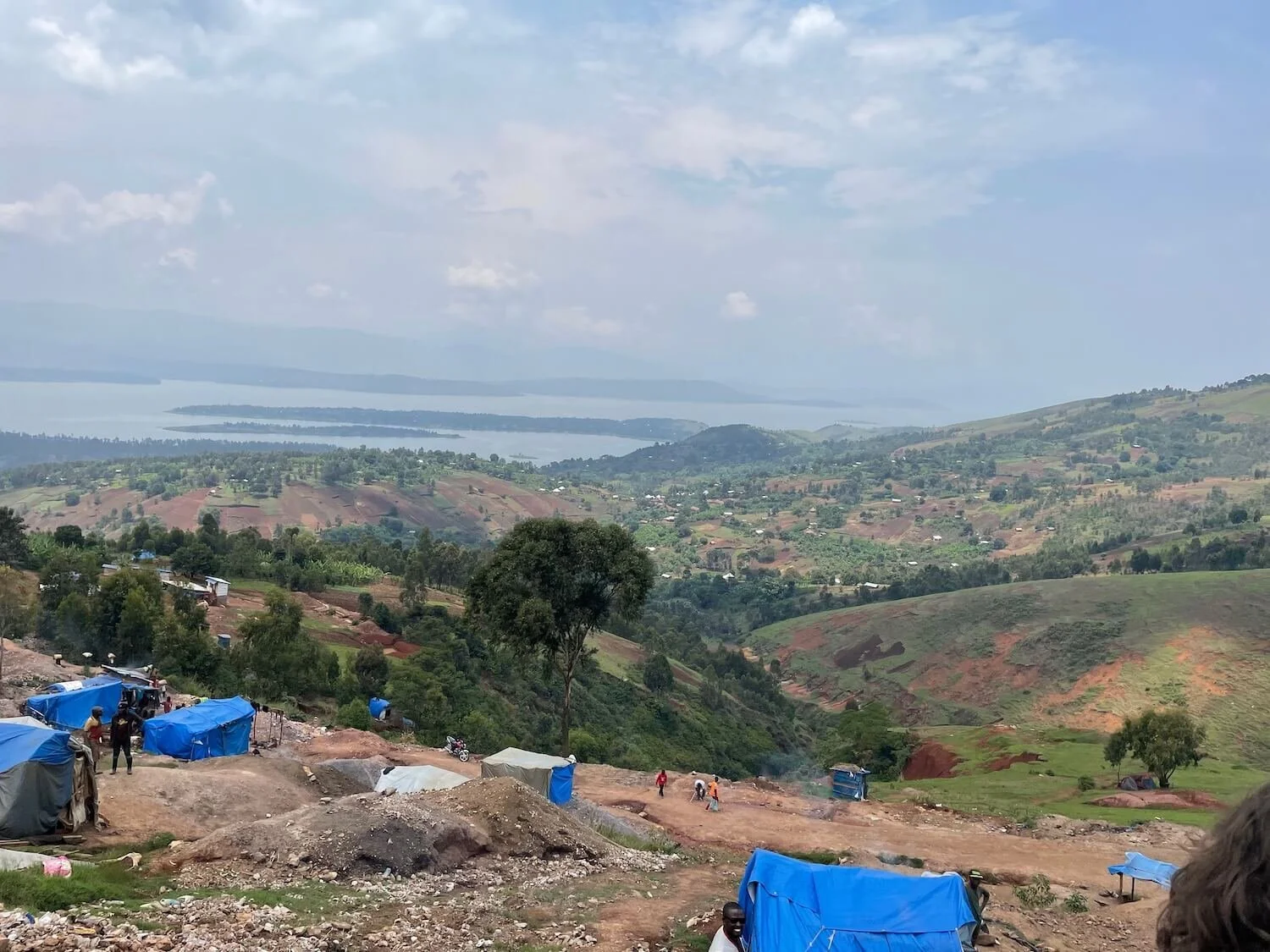
A glimpse of the Luhihi mine site, with miners in the foreground and agricultural communities in the background. Photo courtesy of the author.
Kyle Abram (KA): What is your name, and what is your job at the mine?
Suzanne (SZ): I am Suzanne Zave, I am in charge of monitoring the mine site for RCS Global. [RCS Global conducts traceability at this mine site.]
KA: And how long have you been working with RCS?
SZ: Since 2017.
KA: How do you like what you do?
SZ: I really like it, and love being here on the site.
KA: What are your impressions of Zahabu Safi and how it’s changed how the miners are working?
SZ: I want to say that the project has had a positive impact — in fact, with what we do, we strengthen their [the miners’] abilities by supporting them and teaching them to put in place due diligence.
I really appreciate helping to build the capacity of the miners so that eventually they’ll be able to do this themselves — without any oversight.
It’s important because most of the time they are participating in the activities, but don’t know how to do them in a way that conforms to national, international, and regional norms and standards.
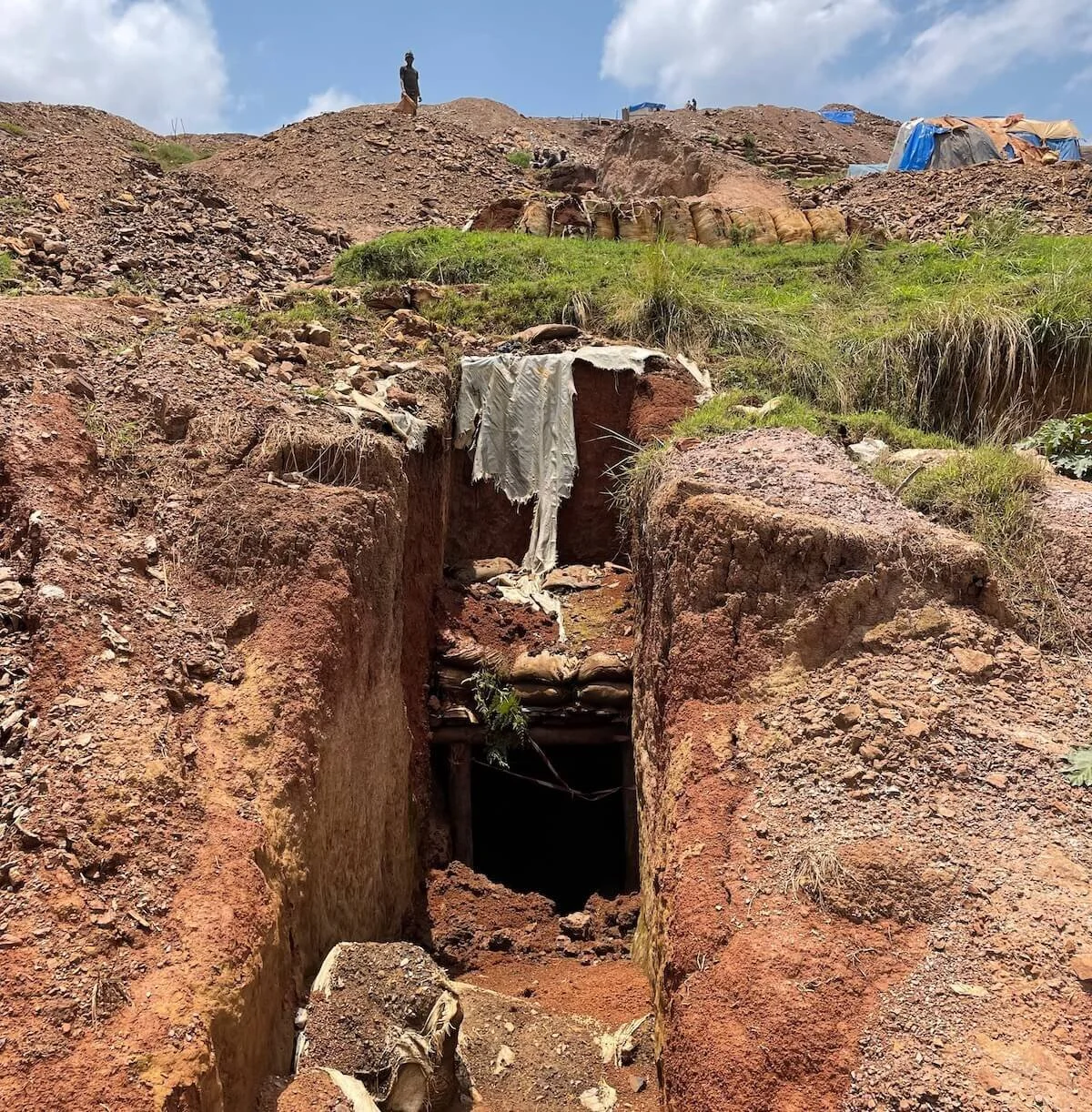
The entrance to a mining shaft at Luhihi. Photo courtesy of the author.
KA: Is there anything this project could do better?
SZ: Oh yes. In order for the activities to go as well as possible, traceability has to be respected in the project, to profit from the activity’s financing. Because if they include third parties who are not even part of the project, there can be a lot of fraud. [By “fraud,” Suzanne is referring to gold exported outside of the traceability measures at the mine.]
KA: What is your hope for this mine and for the surrounding community for the future?
SZ: With the implementation of traceability, when the production is known, everyone benefits — even on the local level everyone benefits from it, and the Congolese government benefits from it.
KA: Do you think that this mine has brought in any wealth for these miners and the surrounding community? And how could this situation be improved upon?
SZ: Yes, yes — since we started it’s been noticeable. Before, there were conflicts between the cooperative and the local community — but as soon as we arrived they understood that they are also going to benefit from the development of capacities.
They also have a contract with the cooperative — to contribute to local development, they will give 5% of the production profit.
KA: What do you think of the cooperatives in general? What have they done well and what could they do better?
SZ: I think that with this 5%, it’s already better — but it’s not up to the cooperative to do the development. That money stays in the community, there is a bank account, and it’s the community’s job to use it well and see what is needed first — for example to build hospitals or schools. It’s the community’s job to do that. The cooperative already did its part by giving the 5%, and the community has to manage it.
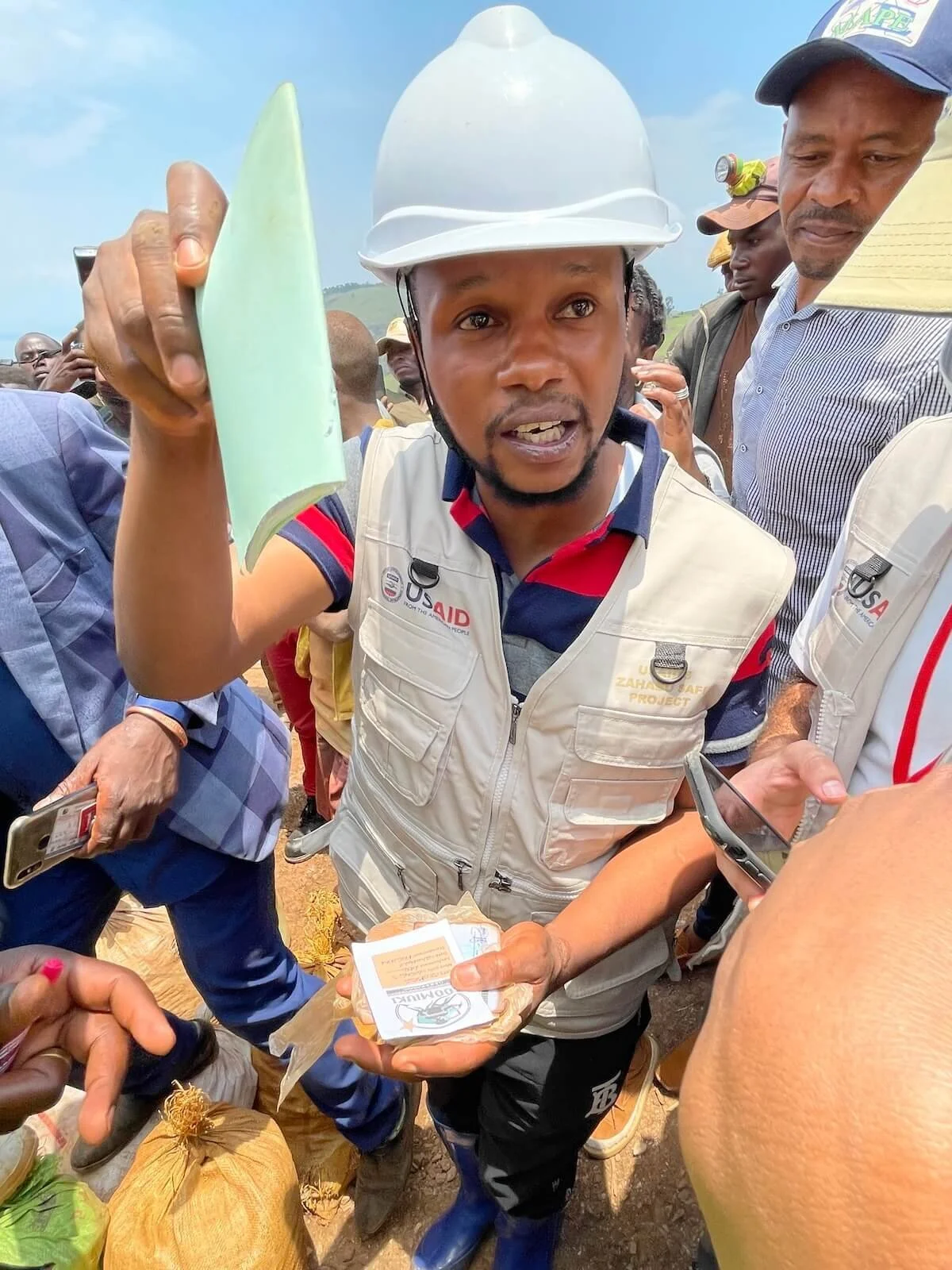
This author receives an explanation of the traceability methods at Luhihi. Photo courtesy of the author.
KA: Do you think the miners are being paid fairly for their work?
SZ: Those agreements are made with the pit owners at the mine, and they’re based off a percentage of the production. Each party receives a different percentage. Usually it goes well, there is no conflict. They are working together with the pit owners and cooperative to negotiate wages.
KA: Is there anything you would like jewelers interested in buying this gold, or their customers, to know?
SZ: The gold that is produced here — with the follow up we put in place, the gold can be exported without any problem. I am at this mine all the time, and know what we have put in place in terms of human rights. We respect human rights, and we conform to the OECD. I’m aware of our provenance, and anybody who buys gold from this site won’t have a problem.
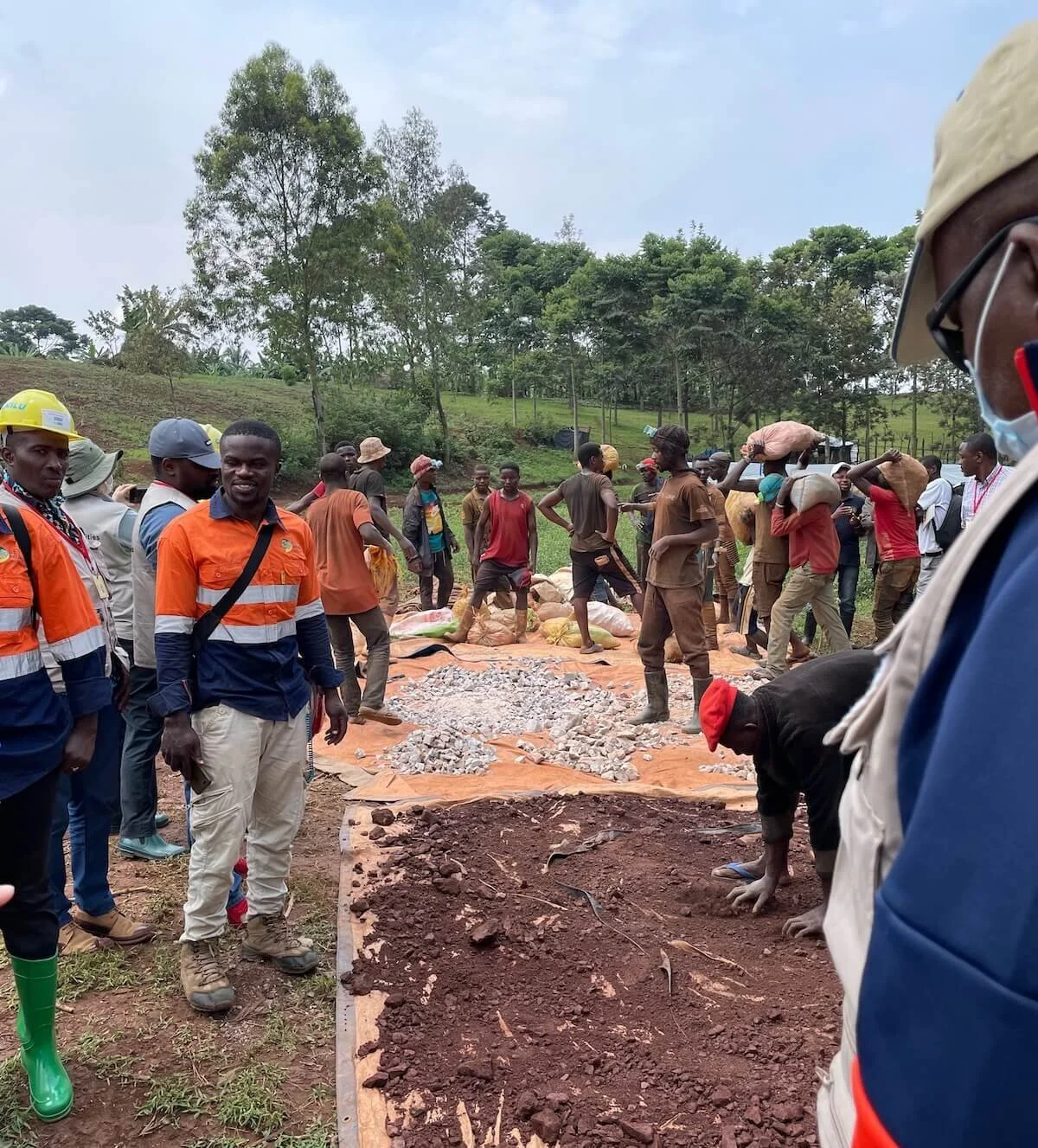
After sacks containing dirt and rocks are carried down the hill from the mine site, the material is sorted and dried as shown here. Photo courtesy of the author.
KA: What do you think of the experience of women on the site? Are there any ways you can see to make things better for the women here?
SZ: There are women who are even pit owners at the mine, so it is not a problem for women to work. The Congolese legislation allows women to work, except for women who are pregnant or who have babies. I am a woman too and I work, that is not a problem — but it is not easy to dig as a woman. So women are here just to supervise the work, they don’t dig.
KA: Is there anything else you’d like to add about women’s experiences?
SZ: It’s not always easy for women to work — if you don’t have a mine it’s not easy, and some diggers are not used to seeing women. When women are not used to it, they can be scared, but it’s not a problem. When they are used to it, it’s OK.
KA: What else do women do for a living in this area?
SZ: Most women work in the agriculture field.
KA: Do you have anything else you’d like to add?
SZ: No, that’s all I think. Thank you very much!
KA: Thank you!
Are you a member of Ethical Metalsmiths looking for ways to get involved?
Consider joining our newly-formed Action Coalition: an initiative where we tackle the real-world problems facing our industry.
Email mail@thicalmetalsmiths.org for more info.

What do beekeeping and fish ponds have to do with diamond mining?