Are Fairmined and Fairtrade Gold Elitist?
The content of this article is the opinion of the writer and was written for The Source
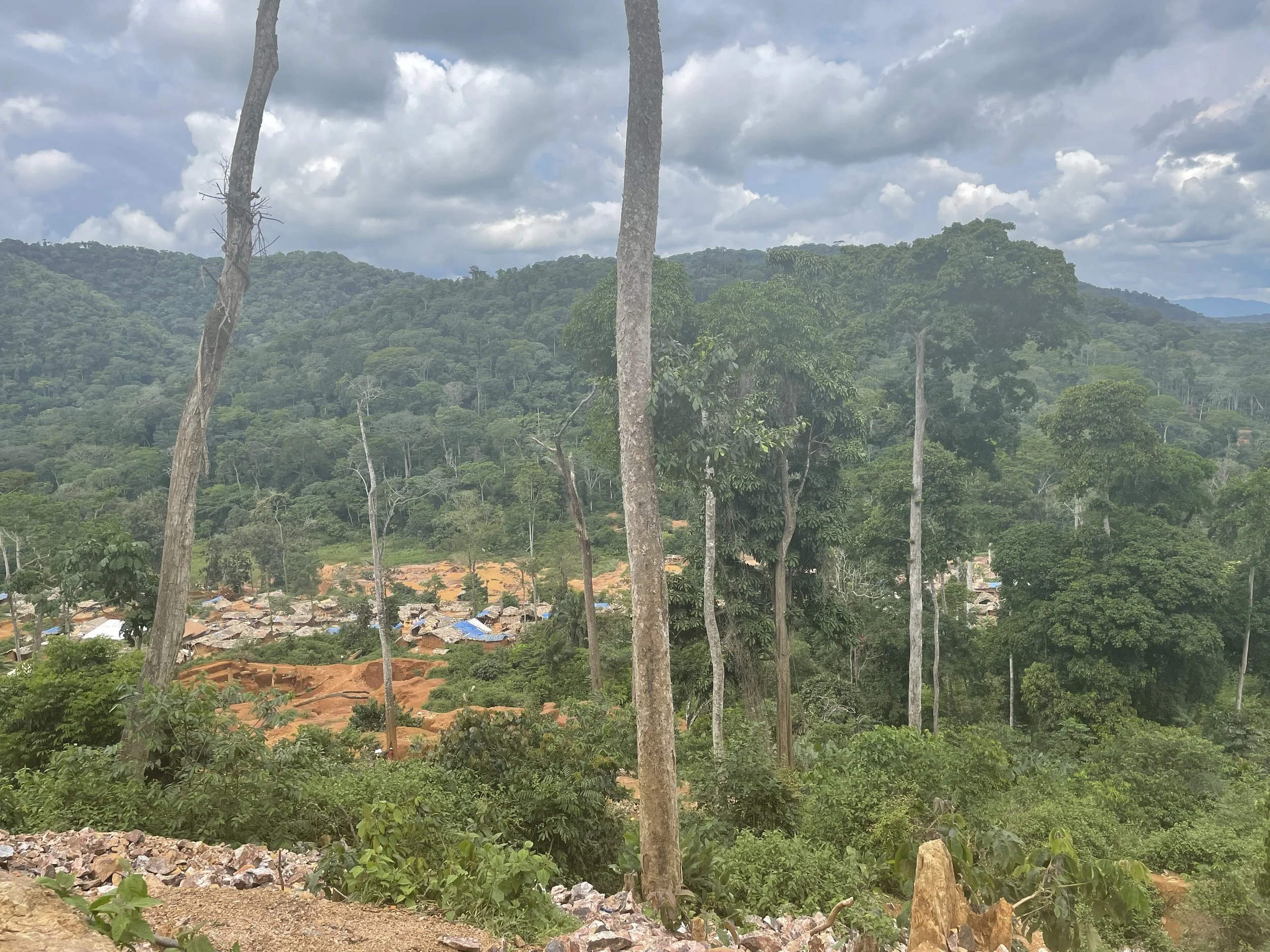
A small-scale gold mine located in the heart of the Democratic Republic of Congo. Photo by author.
Hearing some of the early stories of Fairtrade Gold and Fairmined Gold, it sounds like a fairy tale. Greg Valerio trekking to Oro Verde, a remote oasis in the Colombian Amazon where locals mined alluvial gold by hand — sifting it in the river without mercury, and even replacing and replanting the ground when it was time to move on. A veritable paradise where Mother Earth provides, and her children give back!
“Insanity is doing the same thing over and over again and expecting a different result.”
Oro Verde closed down years ago. And while the type of mining I’ve described does exist, it is not common. It is just one of hundreds of types of small-scale gold mining — which vary widely based on numerous conditions.
Statistics are never the full picture. Nonetheless, they can be useful in forming one. Here are a few:
There are roughly 40 million small-scale miners worldwide. 30-50% of small-scale gold miners worldwide are women, and nearly 100% are Black, Indigenous, and People of Color (BIPOC).
According to the Fairtrade Foundation, Fairtrade Gold supports 1,500 miners across 15 mines — all located in Peru. Fairmined supports 308 miners across four mines — two in Peru, and two in Colombia.
ASGM (artisanal and small-scale gold mining) is the largest single source of global mercury contamination, and an estimated 30% to 50% of newly-mined gold is used in jewelry.
Small-scale gold miners in the eastern DRC earn approximately USD $84.37 - $115 per month — often well below what would be needed to meet their family’s basic needs.
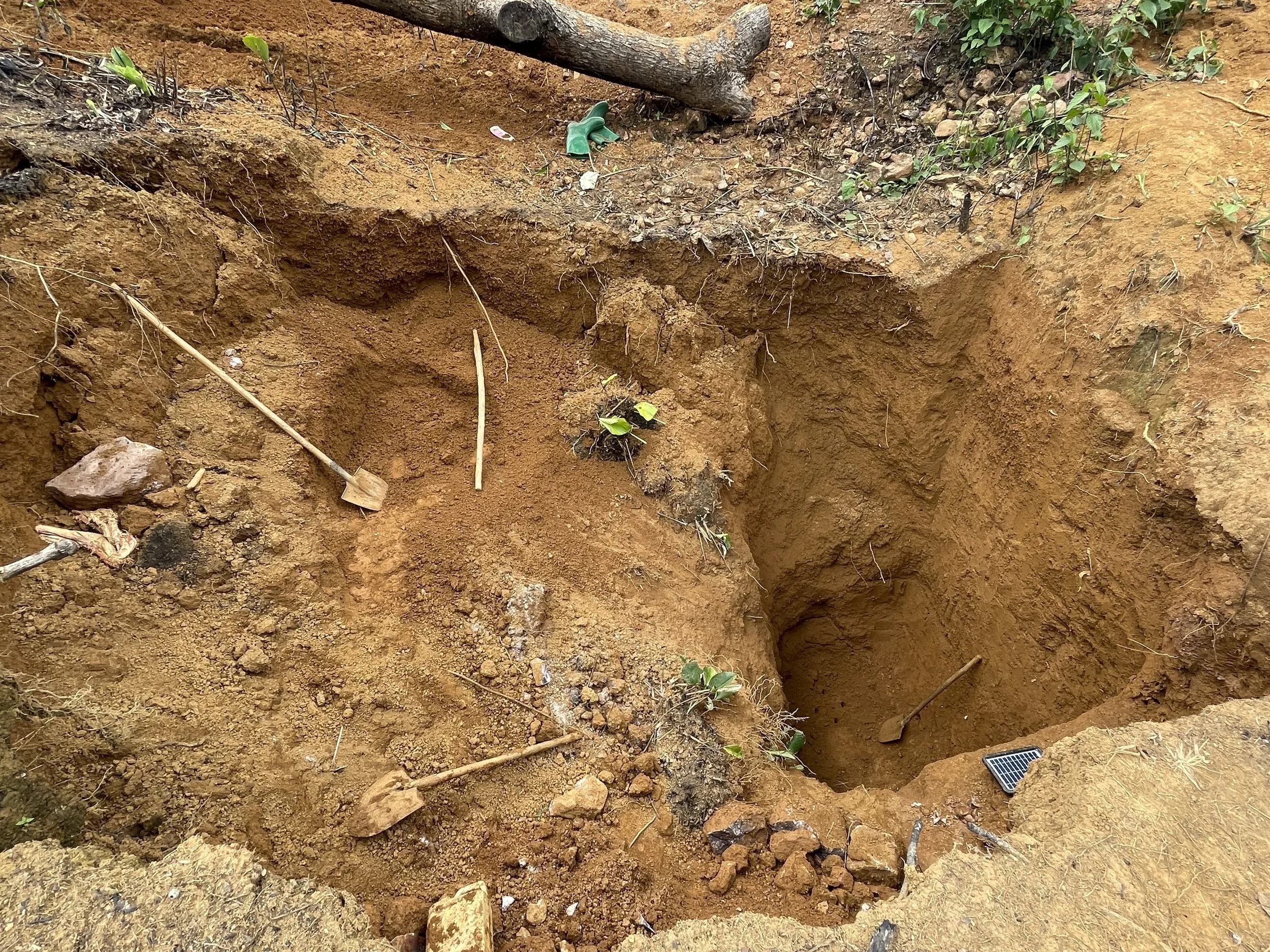
Shovels and debris line a pit at a small-scale gold mine in Maniema province, eastern DRC. Photo by author.
The Pitfalls of Fairtrade + Fairmined Gold
Let me be clear off the bat: Fairmined and Fairtrade Gold are both inspirational programs that have brought great benefit to the miners and communities they impact. The company I work for, Reflective Jewelry, has been the only certified Fairtrade Gold jeweler in the US since 2015. Likewise, I have a great amount of respect for those in the Ethical Metalsmiths community who create their jewelry partially or exclusively using Fairmined Gold.
Yet, from a market standpoint, Fairtrade and Fairmined are both failures. If this sounds extreme to you, please take a look at that second bullet-pointed statistic above. If we're only directly impacting 1,800 people out of 40 million after ≈15 years of effort, something needs to change.
To understand precisely what needs to change, we must consider some of the pitfalls. (Key word being “some” — what follows is not an exhaustive analysis.)
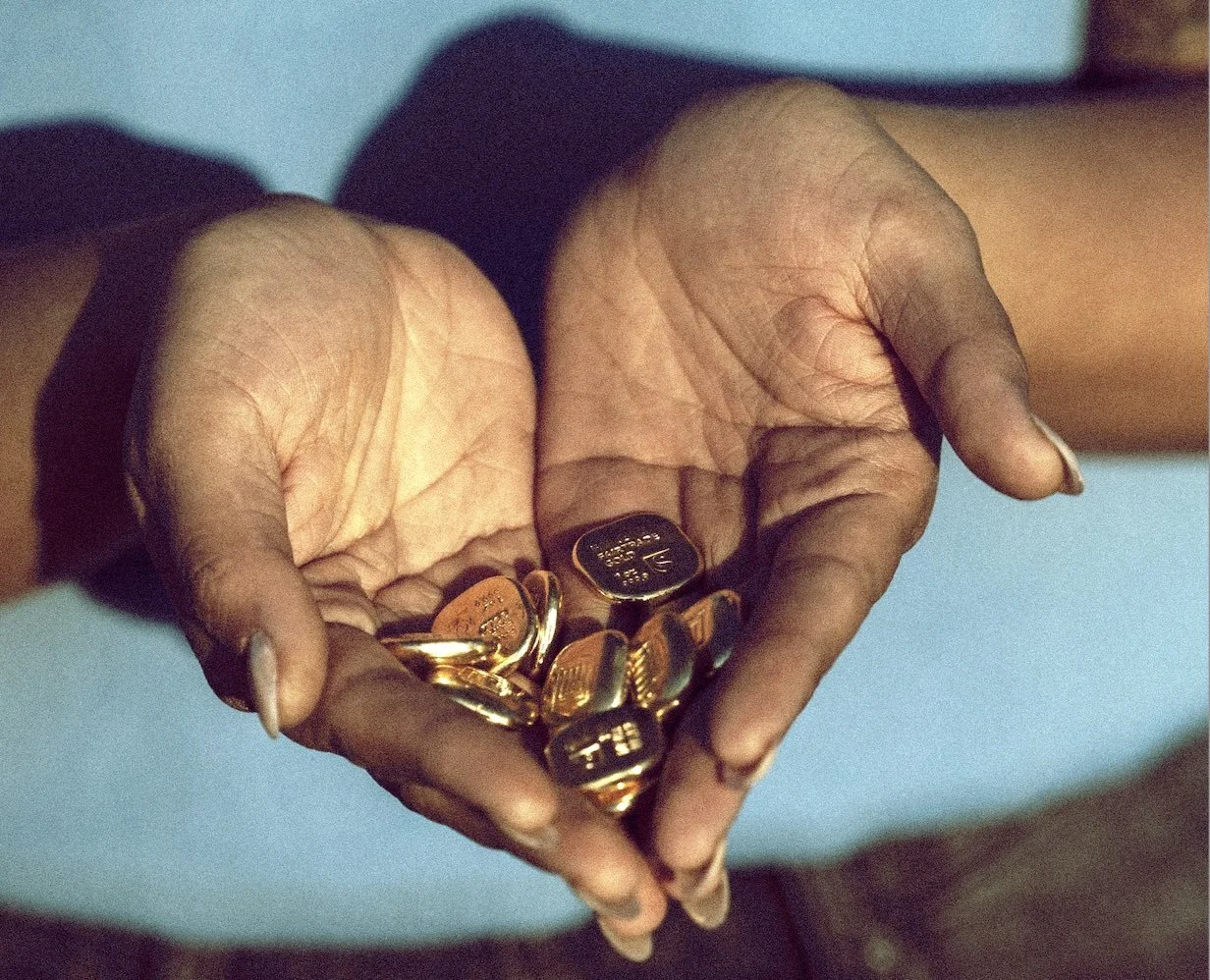
Ingots of Fairtrade Gold. Photo credit: Reflective Jewelry.
One major concern is commercial viability — aka price. While exact numbers vary, many jewelers pay upwards of 20% over spot for their Fairtrade or Fairmined Gold — possibly even higher for mill products. A premium this high, for a commodity that is already ridiculously expensive (especially in recent years), is simply not commercially-viable. Even if a jeweler wishes to purchase this gold, they then have to convince their consumers that it's worth the premium — or else absorb the extra cost themself, which is often not an option for small business owners who wish to stay in business.
The second major roadblock to expanding Fairtrade/Fairmined is the feasibility of achieving certification. ASGM very often takes place in extremely remote areas, including the highest elevation town in the world — and under very different circumstances from our own here in the US.
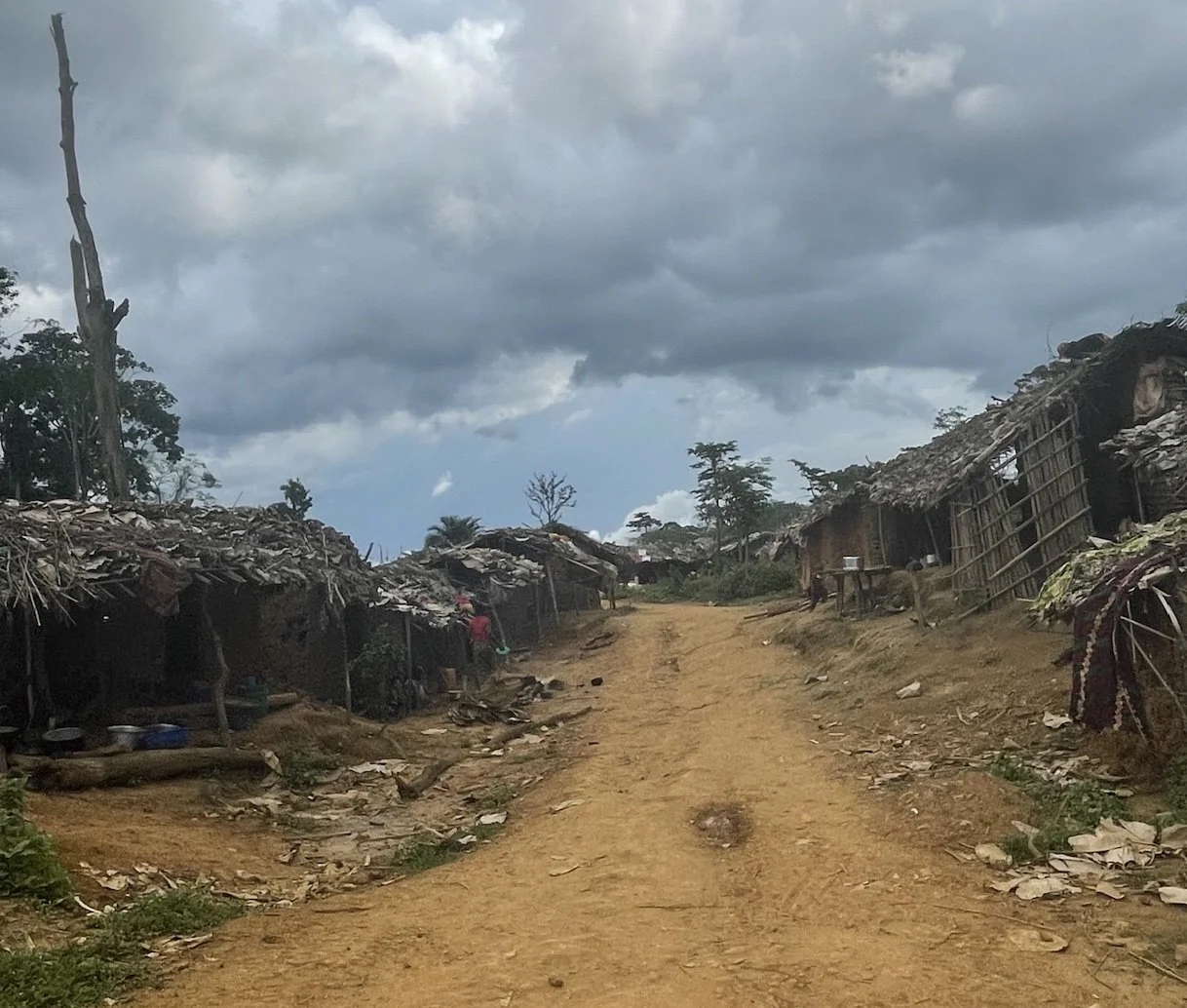
A typical village in the eastern DRC. Photo by author.
Fairtrade/Fairmined certification is also notoriously difficult to achieve. Just as a simple exercise, imagine trying to file your taxes without access to the internet, cell phone service, or the helpful services of H&R Block…maybe even without the ability to read. Case in point: there are currently ZERO certified Fairtrade/Fairmined Gold mines on the entire continent of Africa.
Part of the lack of expansion of Fairmined and Fairtrade Gold into Africa has to do with funding, as the capacity building required to achieve these certifications can be costly. But not all obstacles can be solved with cash. At one time Uganda held Africa’s most promising Fairtrade Gold mine site, whose capacity building had been funded by the organization Comic Relief. This mine was online for just six weeks before it was decertified sometime around 2017.
The simple truth is: even in an ideal world, with adequate funding — which is almost never the case — not every ASGM site is suitable for Fairmined or Fairtrade certification. The reasons why vary, but a greater understanding of the cultural context in which mines are located can help illuminate some of them.
The Arrogance of Western Ignorance
In October 2021, I traveled to the eastern Democratic Republic of Congo (DRC) to act as a representative for North American jewelers to USAID's Zahabu Safi (Clean Gold) Project. Zahabu Safi (which means “clean gold” in Swahili) is being implemented by Global Communities and Levin Sources, in partnership with due diligence and traceability partners BetterChain and RCS Global. An international community of jewelers and refiners, representing potential buyers, has already formed. Exports from one of the three mining sites they are working at in the eastern DRC are expected to begin in early 2022. (Full disclosure: Reflective Jewelry is part of this community of jewelers, and has a Memorandum of Understanding agreement with Zahabu Safi.)
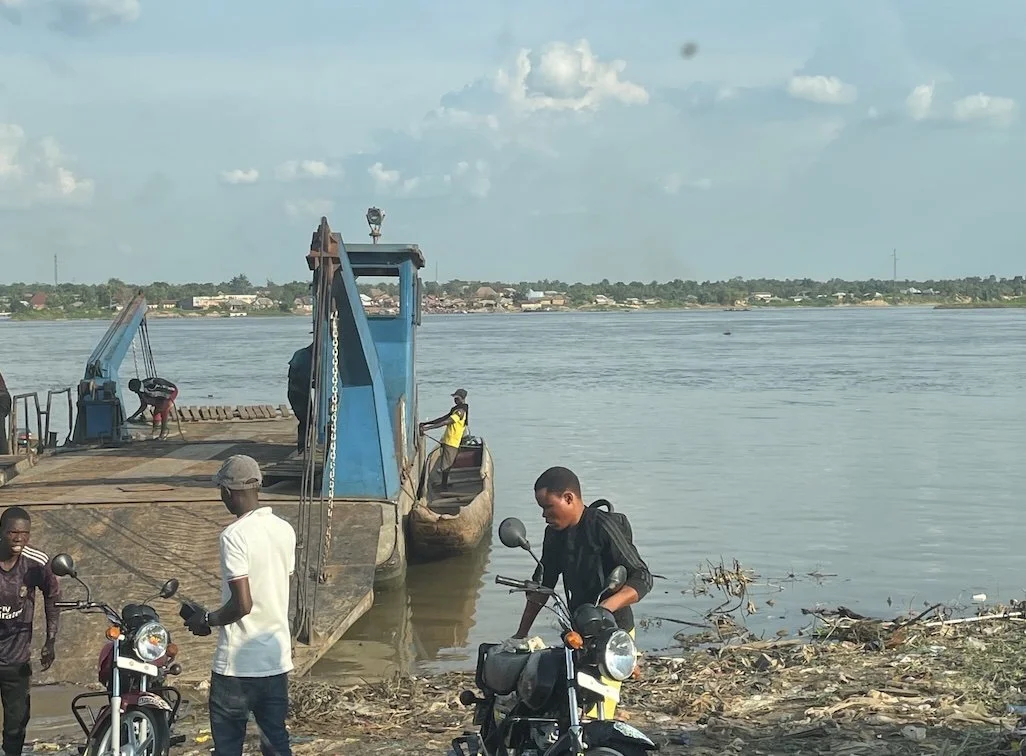
A barge preparing to take my colleague and I across the Congo river. The engine was out of commission, so a canoe-type boat harboring a small motor was strapped to either side to power it across. Photo by author.
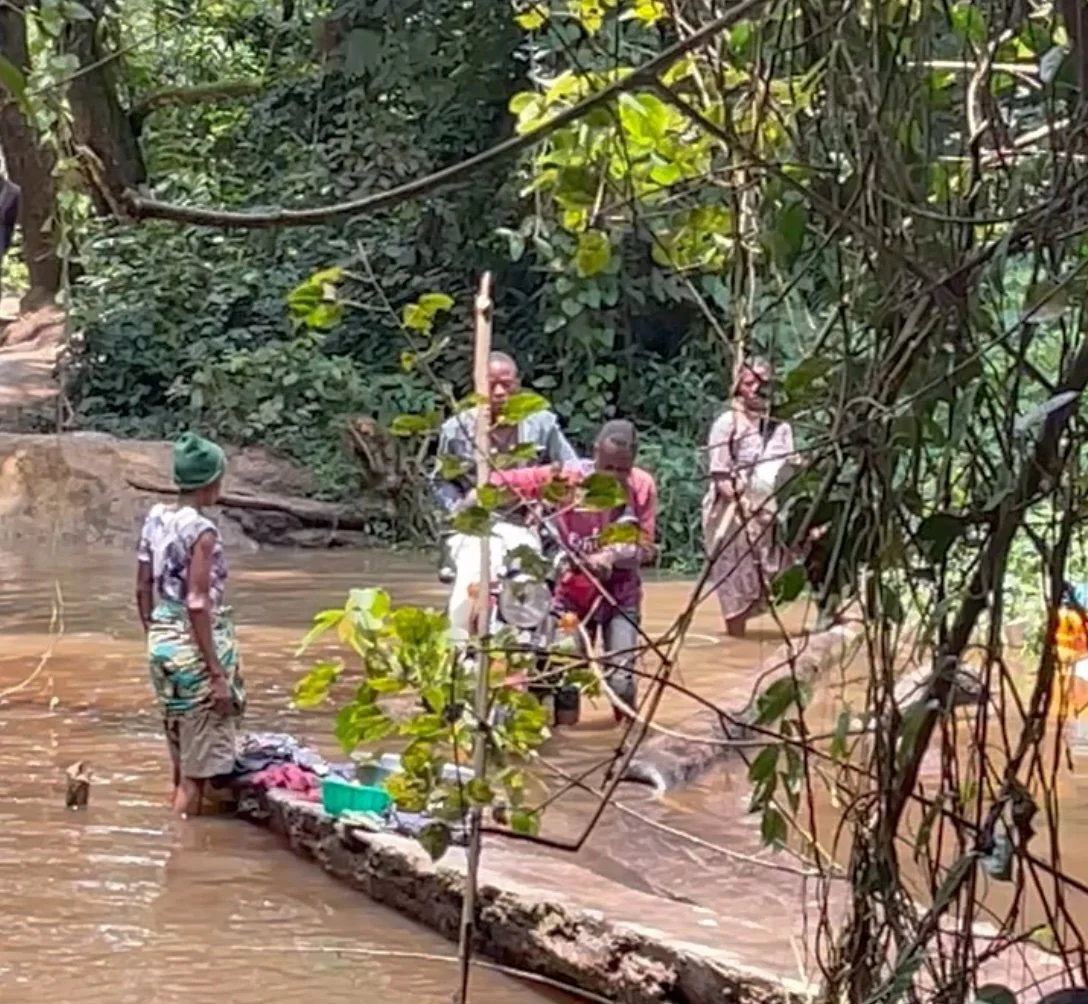
Scenes like this were a frequent occurrence while traveling to one of the mine sites. Photo by author.
While in the DRC, I visited several small-scale gold mines under the purview of this project. To reach one of these sites, I had to cross the Congo River on a barge, and continue for over five hours by car — plus another three hours by motorcycle when our 4x4 Toyota couldn't make it any further. The roads and paths frequently disappeared entirely into mud or swamp.
What I finally reached was pretty much a worst-case — yet typical — scenario of gold mining: a free-for-all where child labor and mercury use are commonplace, and safety standards are nonexistent. These miners are focused on one thing: survival. Some have traveled from hundreds of miles away just to find this work. (It needs to be noted that this mine is not currently exporting gold under the Zahabu Safi project, and could not under the conditions in which I viewed it…it is an example of a mine before engagement.)
This doesn’t sound like the kind of place many “ethical” or “responsible” jewelers would want to source their gold from. But before making snap judgements about the way these miners are operating, we should consider the context in which this mining is taking place. These miners are operating deep in the wilderness of an undeveloped country, which is still struggling to recover from the legacies of centuries of slave trade and brutal colonial rule, followed by decades of oppressive dictatorship — and, more recently, civil war.
It's a harsh reality. Yet, to quote James Baldwin (again), “…nothing can be changed until it is faced."
As Westerners largely unfamiliar with the daily lives of miners, I believe we should seek to understand before we condemn. Child labor, for instance, is sometimes seen as one obvious point we can rally against. And of course, I think most of us would prefer to see 7-year-olds at school rather than working at a mine — but what if there’s no school within 100 kilometers?
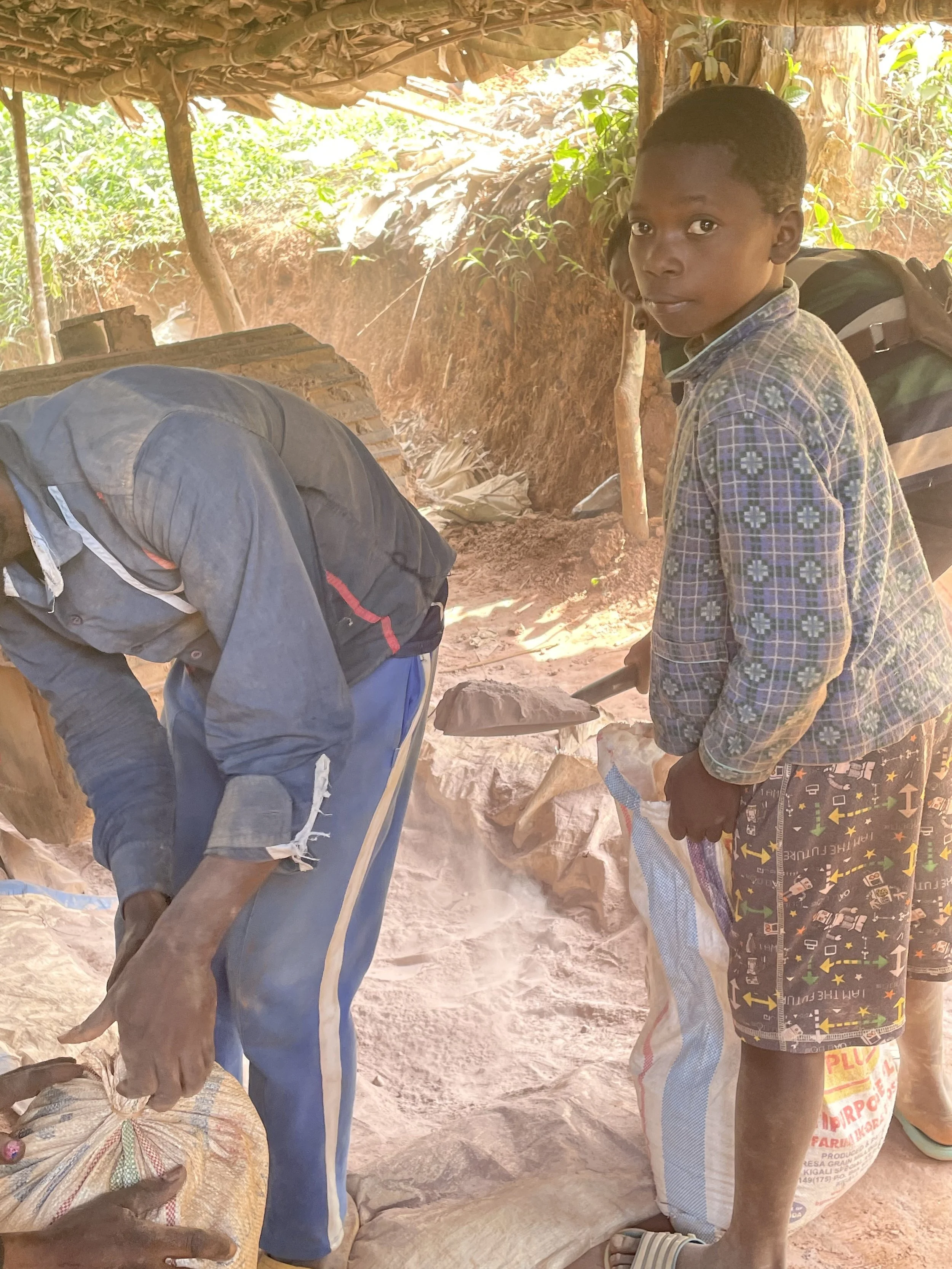
A boy sorts gold-bearing rock dust at a small-scale gold mine, eastern DRC. Photo by author.
In the words of Ndimi, the landowner of this site: “You have to understand the situation on the ground. Here, you'll meet a 15 year-old boy who has two wives. Or a 15 year-old girl who has two children of her own. So, for the purposes of child labor, do we consider them children or adults? They have families to provide for, and if their income is taken away, they will rebel.”
Consider how many other unknown cultural aspects we haven’t acknowledged. Is it right to assume we know what’s best for everyone, before we’ve done our due diligence to get the perspective of the miners themselves?
It's easy to say "I don't like what I'm seeing here" and walk away. In due diligence terms, this is termed a "risk averse" approach. It is much harder to look at a situation and ask, "how can I improve what I'm seeing here?" And infinitely harder still to take the next step to try to actually make those improvements. In due diligence terms, this is known as "risk mitigation."
Risk mitigation is where Fairmined and Fairtrade Gold sometimes fall short. Again, these standards achieve great results when and where they're implemented. They are bulletproof against criticism, the “gold standard” (if you will) that gives consumers a reliable assurance of responsible sourcing. But their rigidity is a double-edged sword: there are many situations where such standards can never be put into practice.
So do we simply shrug, and ignore the nearly 40 million miners who are left out? Accept that the conditions under which they earn their livelihood will never conform to our own Western notions of “responsible," and turn away?
To do so would be rather elitist, one might argue. The Congolese have suffered directly at the hands of the West, and indirectly in large part because of the influence of the West, for centuries. (See the CIA’s well-documented role in the assassination of Patrica Lumumba, the DRC’s first elected Prime Minister, who dared to demand economic independence. Or, start with King Leopold’s Ghost.) Who are we to say the Congolese are not sourcing gold correctly, and deny miners legal and fair access to international markets — which are their only lifeline to building a better future for themselves, their communities, and their county?
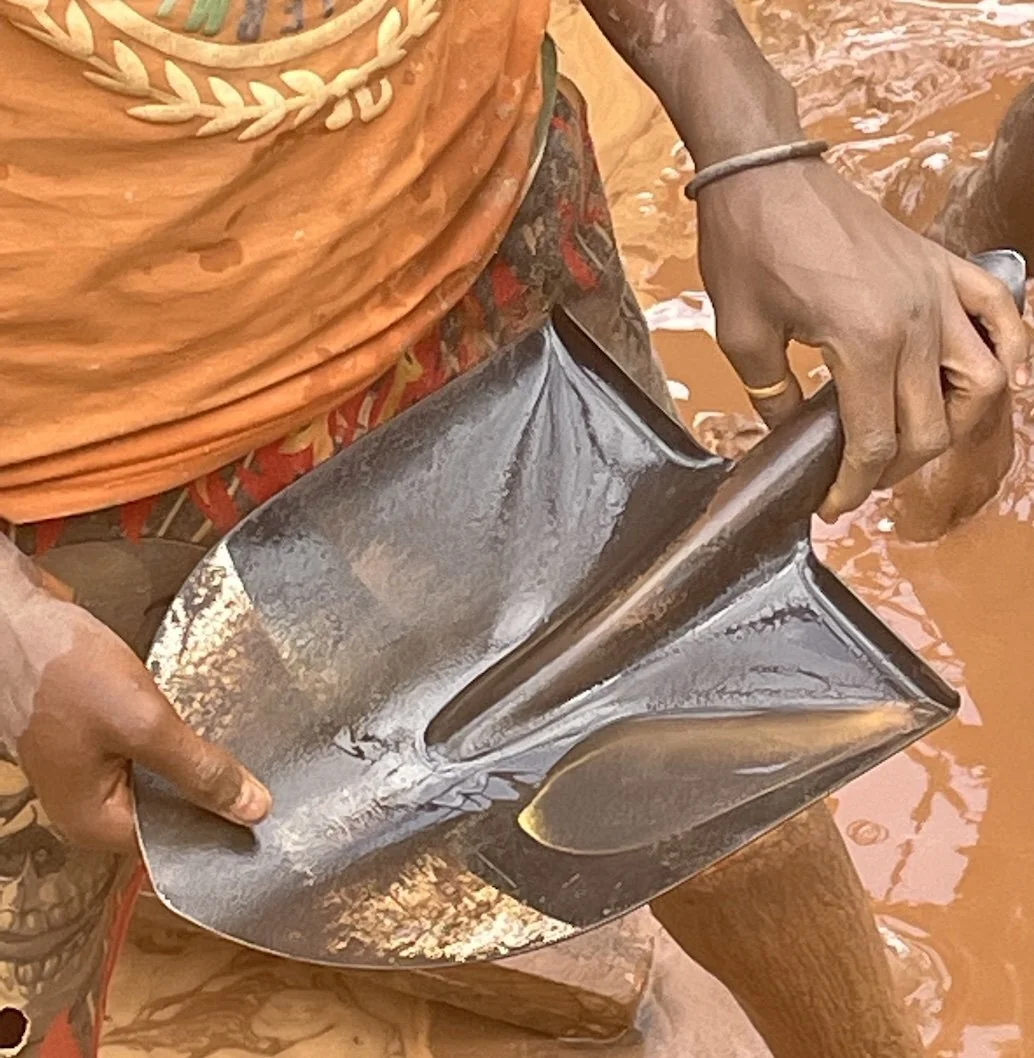
The glint of gold flecks can be seen in this miner’s shovel, post-sifting. This small amount, perhaps 1-2 grams, represents the culmination of many hours of work by multiple miners. Photo by author.
Let me put it another way:
Suppose you witness a woman mining without a helmet. Do you tell her, "I'm not going to buy from you until you wear a helmet," knowing full well she doesn't have the money to buy one? Or do you work with her — give her a better price than what she is currently getting for her gold, so that she can buy a helmet — and go from there?
A New Path for ASGM?
To bring benefit to small-scale miners like those I met in the DRC — and indeed, to realize impact beyond the 1,800 miners currently benefiting from Fairtrade/Fairmined in Peru and Colombia — we must shrug off the 15-year-old straight jackets born of our insanity, and try something new.
Zahabu Safi operates on a principle of “radical transparency” — meaning the project is committed to acknowledging the realities in which small-scale miners live and work, and the setbacks and drawbacks that inherently arise in these environments. If we accept that the established Fairmined and Fairtrade Gold standards are something akin to “perfect,” Zahabu Safi’s sourcing will not be. However, organizations under the Zahabu Safi project will be working to improve miners' labor conditions in incremental steps.
In practice, this entails a focus on the principle of continuous improvement enshrined in the CRAFT Code — a set of sourcing standards based on the OECD Due Diligence Guidance. (CRAFT was developed by the Alliance for Responsible Mining [ARM] — the very same organization that developed and implements the Fairmined standards.) “Continuous improvement” means accepting that processes won’t be “perfect;” but nonetheless committing to operate responsibly and put plans and systems in place to work toward getting there.
This is to say: Zahabu Safi is neither equivalent to nor a replacement for Fairmined or Fairtrade Gold. But by dealing with some of the obstacles to expanding Fairtrade/Faimined, which I’ve illuminated above, it does offer ways to work with small-scale gold miners that these more-established certifications don’t.
By focusing on market connections and bringing mines up to the more realistic standards of CRAFT, Zahabu Safi can help make responsible exports feasible in a complex and fragile environment — as well as potentially cut some of the burdensome costs that plague Fairmined and Fairtrade Gold. How might consumer demand grow if certified ASM gold were to be priced with just a small premium — around the cost of recycled gold — rather than 20% over spot?
Pair this with a built-in sensitivity to the realities of the lives of small-scale gold miners, and easier-to-achieve certification, and ultimately projects like Zahabu Safi have the potential to be scalable solutions that touch the lives of millions across the Global South.
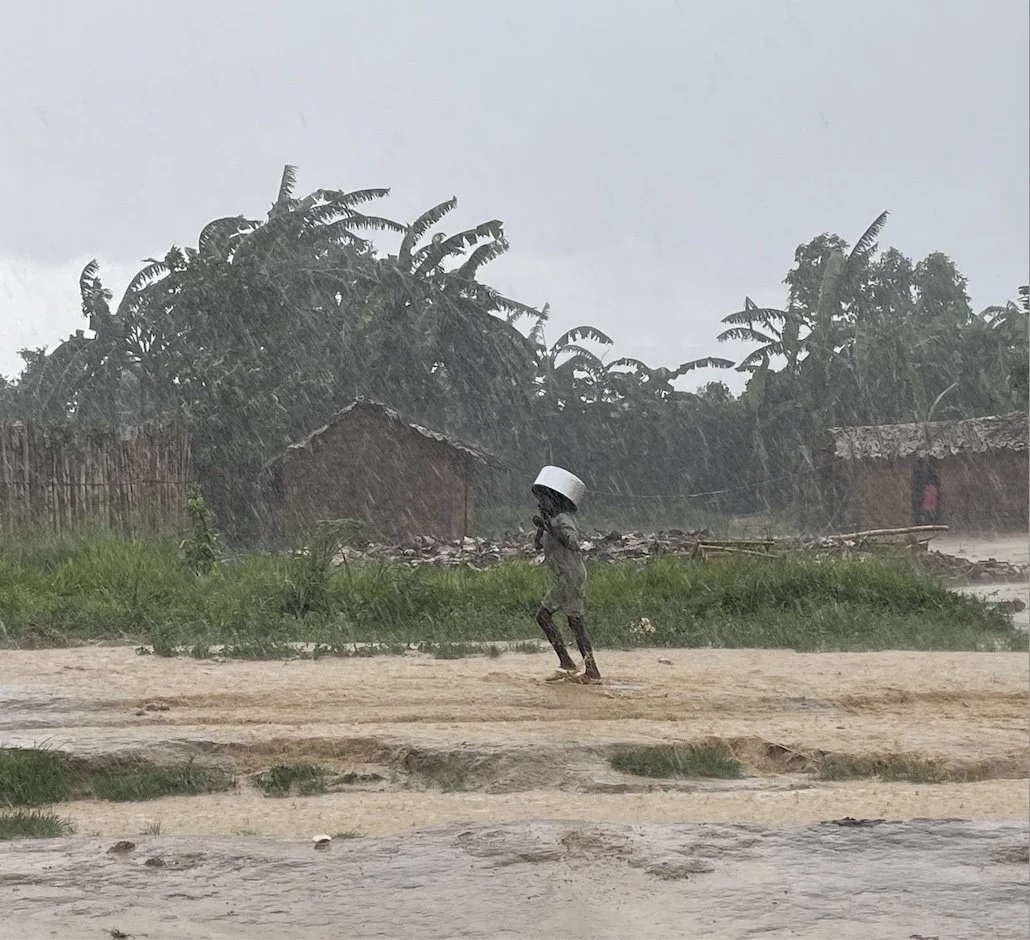
A sudden rainstorm. In areas near the equator, the DRC’s rainy season can be as much as 9 months long. Photo by author.
We need to recognize that exporting the products of ASGM legally, through formal trade, is a major feat in itself. Considering just the eastern DRC, there are corrupt government officials to contend with, entrenched traders used to profiting off the vulnerability of the miners, and other major hurdles such as organizing exports. (It is generally not profitable to export small quantities of gold, yet accumulating 10 or more kilograms is a beyond absurd task for miners who are working hand-to-mouth and don’t have an export license.)
Yet, taking a risk averse approach to DRC gold does not benefit Congolese small-scale gold miners, and in fact harms them by opening them up to further exploitation by traders who know miners have limited avenues through which to sell their gold. Traders can name their price, and then ship this gold off to refiners in Dubai — who ultimately send it to countries like America, where it winds up in the mainstream jewelry supply anyway.
It’s much more reasonable that we break the status quo to work with Congolese miners to formalize their supply chain routes, and provide them the money, tools, and education they need to mine and sell their gold safely and fairly.
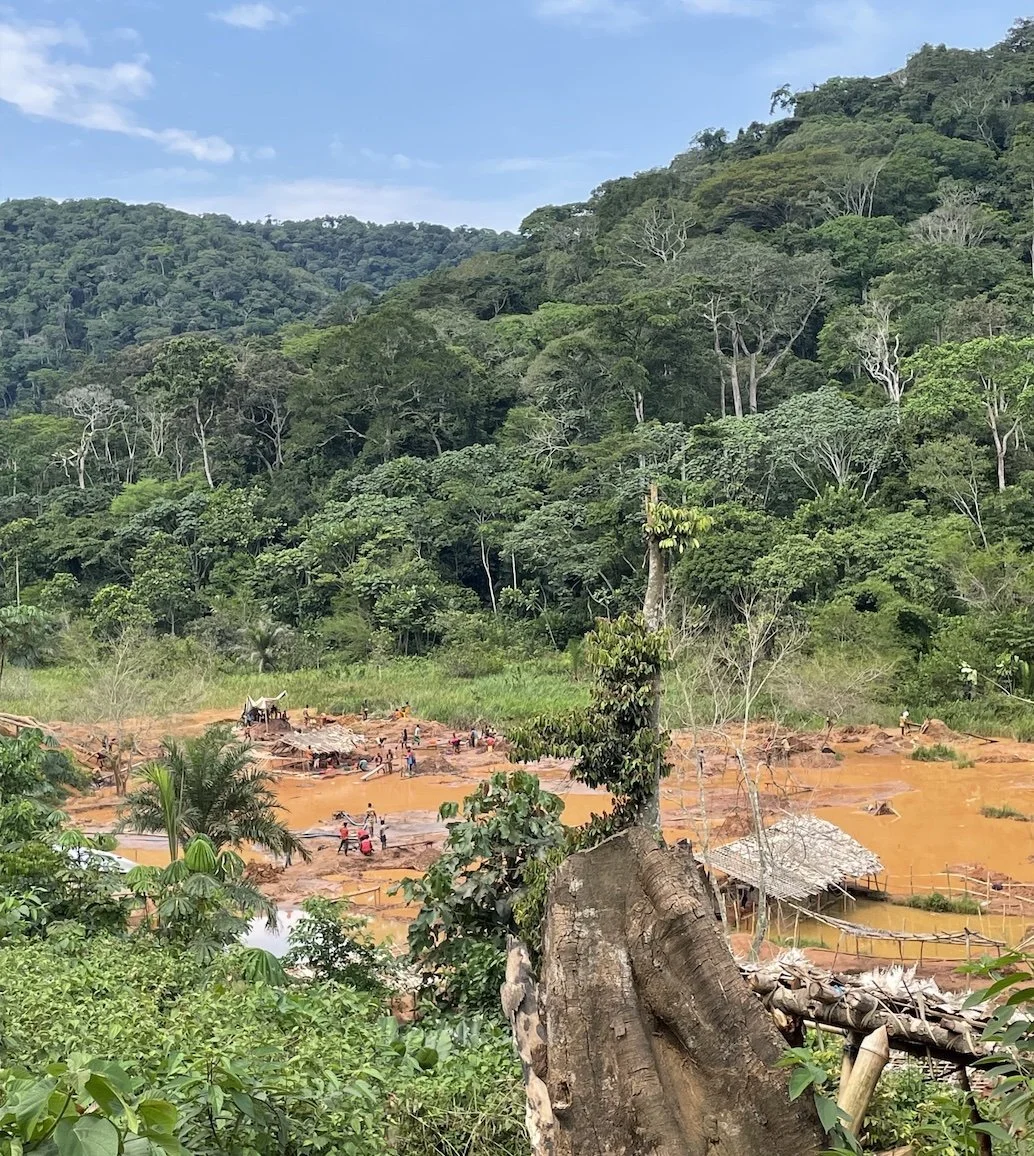
A large pool of mercury-laced water at a small-scale mine in the eastern DRC. Photo by author.
Are Fairmined and Fairtrade Gold Elitist?
Let me return to my initial query, the title of this piece: Are Fairmined and Fairtrade Gold Elitist?
This question might seem provocative, given the likely audience for this piece. Yet, it’s a genuine one that I found myself contemplating in a hotel room deep in DRC. How can we present the impoverished BIPOC of the Global South with an all-or-nothing ultimatum, Fairtrade/Fairmined or bust? Are Westerners really so lost in their own arrogance and ignorance, so full of a sense of superiority, so self-righteous, that they have no qualms dictating which miners from which part of the world thousands of miles away are acting “responsibly,” and which are not?
These are loaded questions with complex answers. But here is a bit of my perspective:
Fairmined and Fairtrade Gold have done a lot of good for a lot of people. The benefits of these programs extend far beyond the 1,800 miners they’re currently impacting, even beyond the families they support and the communities they live in. Fairtrade and Fairmined have proven that responsibly-sourced gold is both possible and desirable — case studies that can have resounding impacts if we put their lessons to good use. I, for one, would be THRILLED to see Fairmined and Fairtrade Gold expand far beyond their current capacity. And no, I would not label either certification “elitist."
That being said: Fairmined and Fairtrade Gold have provided us 15 year of experience to build on, and it would be irresponsible to squander this. Elitism is the product of arrogance and ignorance, and it is without question only arrogance and ignorance that could lead us to deny the kind of benefits Zahabu Safi could bring to the Congolese. Only arrogance and ignorance could see us turn up our noses at the labor of a people who have been stomped on by every turn of history for the past five centuries, and declare that the gold they produce just doesn’t work for us — while we sit at the other end, benefitting from many of the organizations and governments which oversaw their oppression. Their gold is nonetheless freely flowing into our supply chain, enriching less-than-savory characters rather than the people who deserve and need the money the most.
The world is a wide, complex place. Tailored solutions for problems as complex as ASGM are not a luxury: they are a necessity. The rise and potential of programs like Zahabu Safi provides me, personally, a lot of hope for the future.
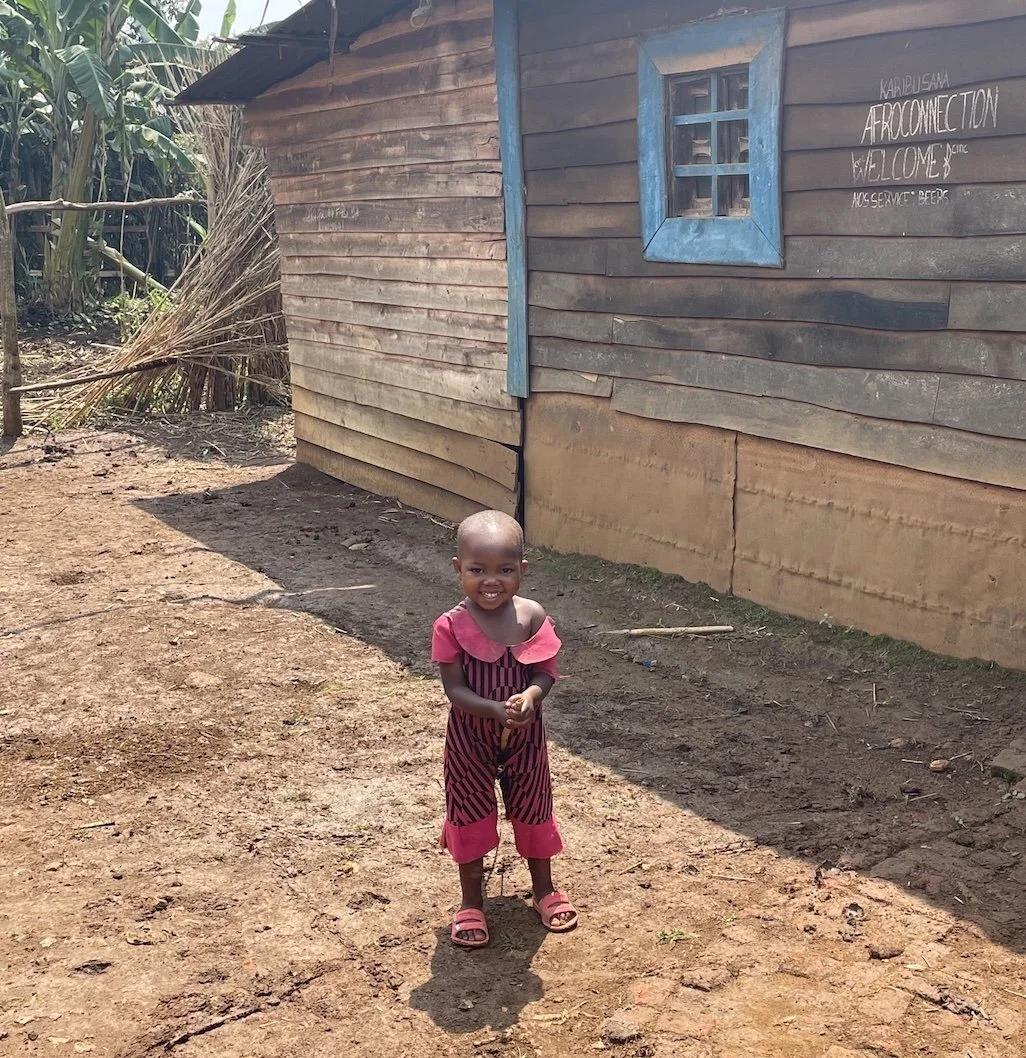
A small girl at a village outside a small-scale mine in the eastern DRC. Photo by author.
Are you a member of Ethical Metalsmiths interested in promoting certified ASM Gold sources?
Please contact me, Kyle Abram (the author), at kyle@reflectivejewelry.com. I am a part of EM’s newly-formed Action Coalition: an initiative where we tackle the real-world problems facing our industry. I, along with a few other amazing folks, am currently working on a consumer-facing ASM campaign.
We need your help!