Chicago Responsible Jewelry Conference: 2019 Recap

The content of this article is the opinion of the writer and was written for The Source

Chicago Responsible Jewelry Conference 2019 workshop led by Monica Gichuhi (far left) and Carrie George. Image credit Alix Hart
Flying home from the Chicago Responsible Jewelry Conference (CRJC) last year left me humbled and inspired.
(Note: The Founder of CRJC, Susan Wheeler, is an EM Board Member).
It was a weekend of incredible firsts for me: I met chiefs from different corners of the Amazon rainforest, I went to workshops with Tanzanian miners and I saw tech companies offering solutions that would further connect industry leaders to small business owners and miners. Thanks to the conference, I had the privilege of being in a jewelry store where the whole mine-to-market supply chain was represented.
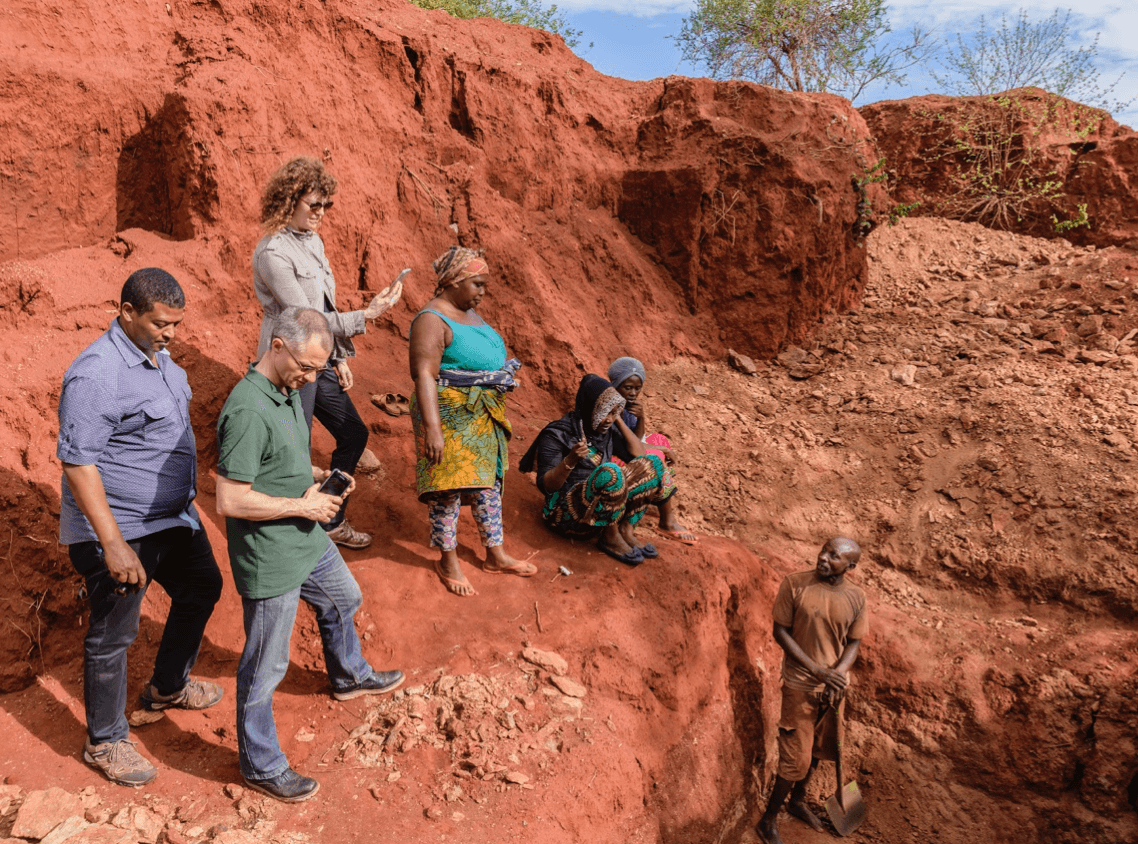
Moyo Gems collaborators, Anza Gems, Pact, Nineteen 48ltd and TAWOMA at Tanzanian gem mine. Image provided by Pact.
Meeting some of the East African women who mine our industry’s gems was a personal highlight. These women are part of a groundbreaking venture called Moyo Gems, a responsible sourcing effort born from the Chicago Responsible Jewelry Conference three years ago. Moyo Gems is a joint venture of an NGO called Pact, private companies Anza Gems, Nineteen 48, Everledger, and the Tanzanian Women Miners Association (TAWOMA) to source fully traceable colored gemstones using blockchain technology. (Note: Monica Stephenson, President of ANZA Gems, is on the Board of EM).
Their mission is simple: they strive to empower women miners to work safely, mine more effectively, improve their financial security, and create stable, equitable markets for fair trade of the stones they mine. Pact has also worked collaboratively with the Gemological Institute of America to help bring training to the same group of women miners, which has helped them significantly increase their incomes (on average by 3-5 times) and invest in their communities.
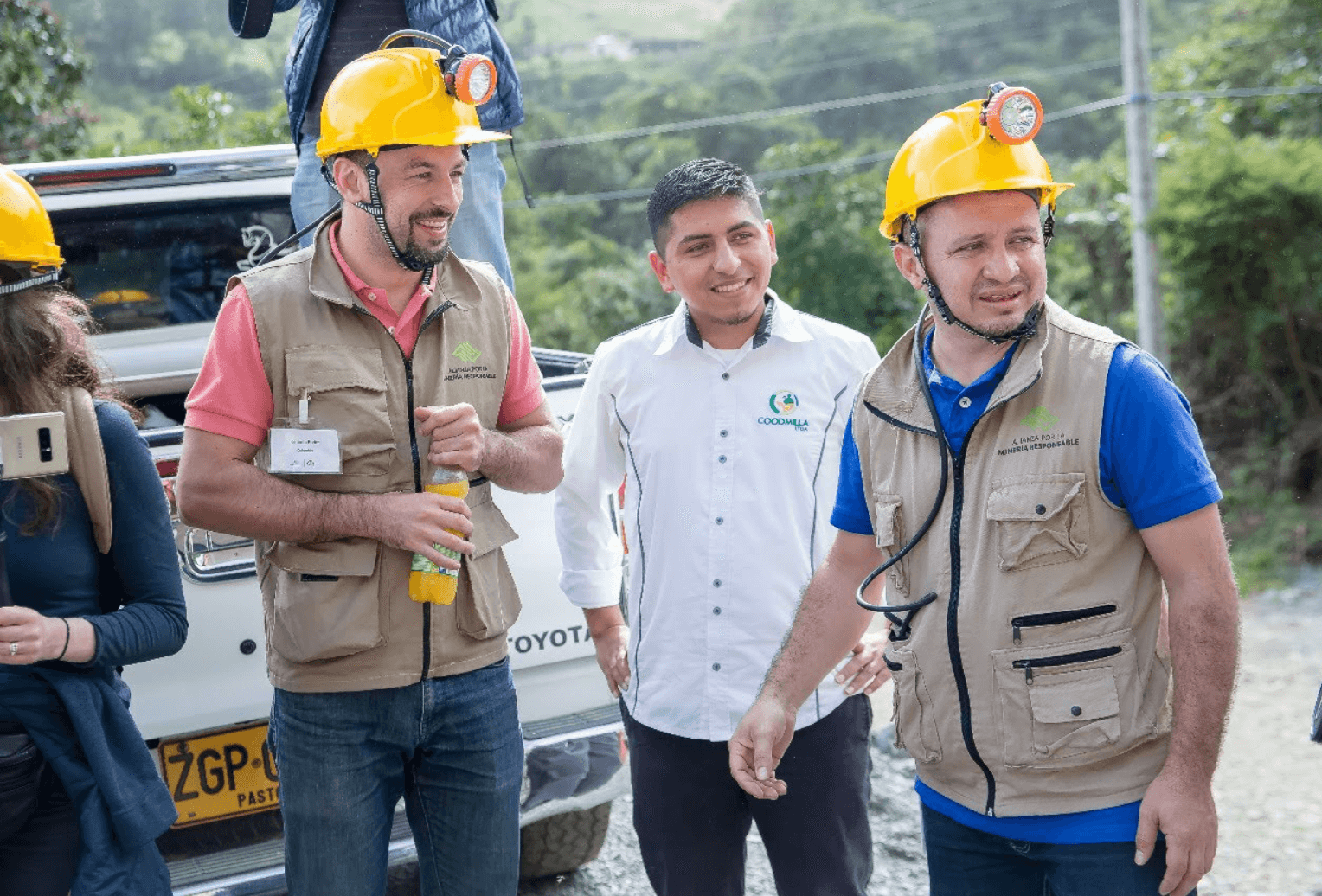
Coodmilla gold miners and visitors. Image provided by Coodmilla.
Another highlight was hearing from the Colombian gold mining cooperative Coodmilla, which presented at the conference. They showcased that they have eliminated the use of mercury and cyanide at their mine by organizing and becoming a certified Fairmined operation. Coodmilla is helping the local miners develop their community and are working to reforest the area surrounding the mine by planting over 7,000 trees. The miners would be the first to tell you that they are proud of the work that they do and that mining responsibly benefits everyone involved.
Both of these initiatives are proof that when artisanal miners organize, work legally, and reinvest in their communities and businesses, they can improve their lives. However, artisanal miners often still face challenges in scaling their operations to meet market demands and enter the legitimate export market. They want to do better for their families and communities by selling more, but all the additional organization requires quite a bit of capital investment.
This is part of what brought Chief Lucas of the Tukano tribe and Chief Miguel of the Paiter-Surui tribe to Chicago to address the jewelry industry, representing a coalition of 23 indigenous tribes from the Brazilian Amazon. Both leaders expressed a desire to work with people who have the capital and technological expertise to help them mine responsibly while also protecting their land from illegal mining that devastates the forest.
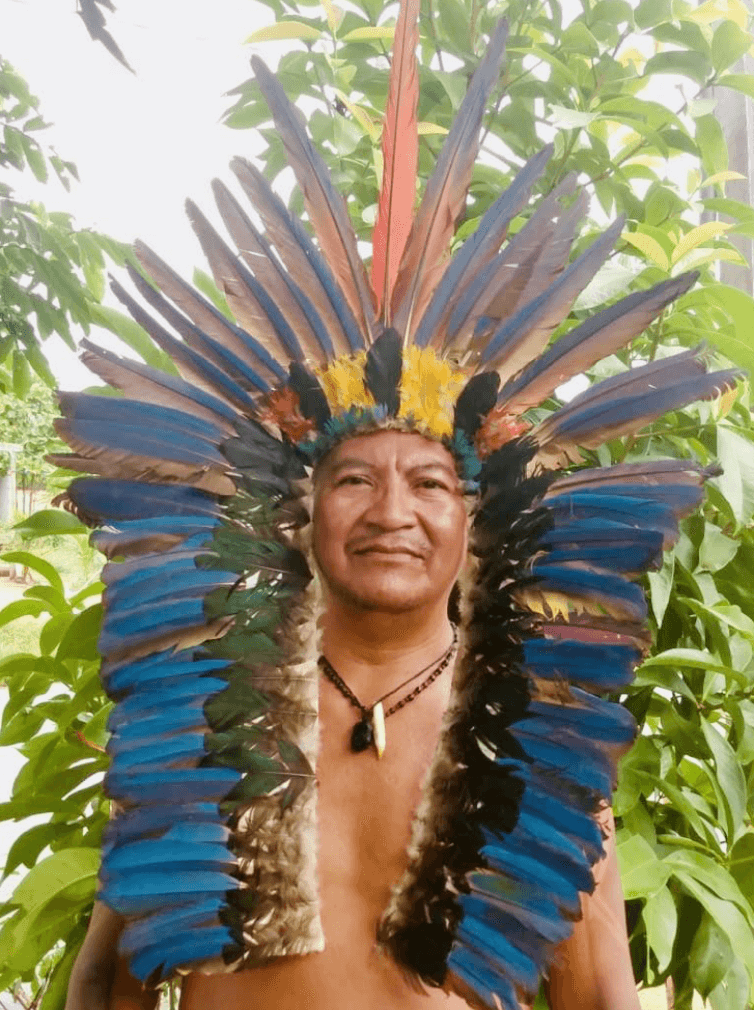
Chief Lucas of the Tukano tribe, photo credit Tina Rhodes
“Mining for gold and gemstones is responsible for about 10% of deforestation in the Amazon rainforest, according to Global Forest Watch.”
As I typed this post on my iPad, wearing my gold rings, sitting on an airplane flying back home, I realized I would not have been on that plane if we stopped mining altogether. You wouldn’t be reading this on your device without mining; it is simply a reality of our lives. What we can focus on is how we can do better and mine for these materials in a way where all stakeholders benefit.
Hearing the voices of Amazonian indigenous leaders and Tanzanian and Colombian artisanal miners is enormous for an industry that has historically shied away from giving them a seat at the table. It’s only by having all of the stakeholders represented in this dialogue that we can create solutions which work for everyone, not just the “big guys at the top.”
While this is a start, it isn’t an exhaustive list of all the good news and fantastic progress that has been made. Last year’s conference was a prime example of people working together to create an industry that truly benefits everyone in the supply chain. I believe it is important to celebrate these milestones in the effort to create a more compassionate and transparent jewelry industry. We are on our way - I hope you can find inspiration moving forward through these noteworthy movements.
While this year’s conference will be entirely virtual November 6-7, you can still learn more about international initiatives in responsible sourcing, join important dialogues that bring us closer to innovative solutions, and be part of the change you want to see in our industry.
Get details about this year’s conference and register here.
“What we can focus on is how we can do better and mine for these materials in a way where all stakeholders benefit.”
What to read next from The Source