

Consumers Don’t Know Gold Problems, but Like “Responsible” Option
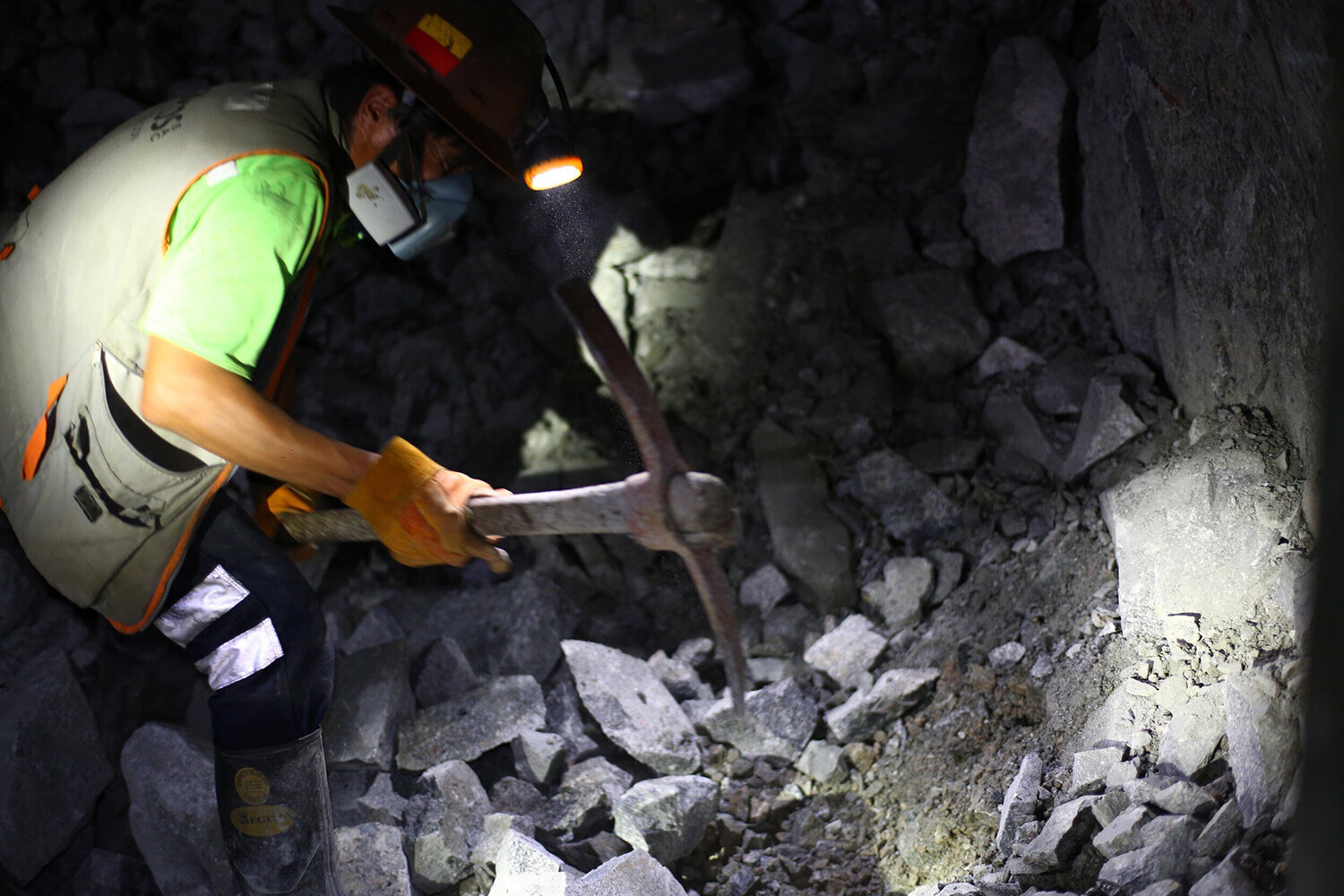
A miner works at the MACDESA mine in Peru. MACDESA produces both Fairtrade Gold and Fairmined Gold. Photo credit: Alan Frampton
Message from the EDITOR
This article was originally published by JCK on Jan. 6th, 2021. The Source Team has received written permission from JCK/Rob Bates to repost this article with credit given. We chose this article to repost because we want people in the industry to be aware that consumers will choose the more responsible option more often than not once they are educated. It is encouraging to see a major industry magazine supporting Fairmined and Fairtrade Gold when currently it is a small fraction of what is used by the industry. Join us in raising awareness about Fairmined and Fairtrade Gold!

Chloe Beaumont EDITOR-IN-CHIEF
Most consumers don’t know about the issues in the gold supply chain, but a significant number said they’d pay extra for certified responsibly mined gold products, according to a new survey by MVI Marketing.
The survey tallied 1,015 U.S. respondents, aged 25–50, with a household income greater than $50,000, who have purchased $200 worth of jewelry or more in the past three years. It was cosponsored by the Alliance for Responsible Mining (ARM) and Rio Grande.
The study found that less than 20% of those consumers were aware of the term “artisanal mining,” and most didn’t understand where gold was mined.
It did find that younger consumers consider the origin of gold, as well as the social and environmental issues surrounding its extraction, more important than do older ones. It also found that men considered these issues more than women.
The report did detect some increased, though still low, awareness of recycled gold.

Through Fairtrade and Fairmined, the MACDESA community earns a social premium that allows for better education and healthcare for their families. Photo credit: Alan Frampton
“Recycled gold is starting to catch on and it is an easy concept for the consumer to understand,” says MVI president Liz Chatelain. “It makes sense to consumers. People remember all the gold trade-ins, and it makes sense to them. It’s just a two-word concept, and consumers are gravitating toward that.”
However, in contrast to other kinds of recycling, MVI’s report said that gold recycling “does not contribute to waste reduction,” since little gold is wasted, nor does it “allow for the support of formal, livelihood-enhancing responsible mining.” (If the supply chain is not verified, recycled gold can also be vulnerable to mislabeling and money laundering, according to human rights groups).
In general, the respondents did not know about the available options for certified responsible artisanal gold, but once they did, over half of respondents said they would be open to them, Chatelain says.
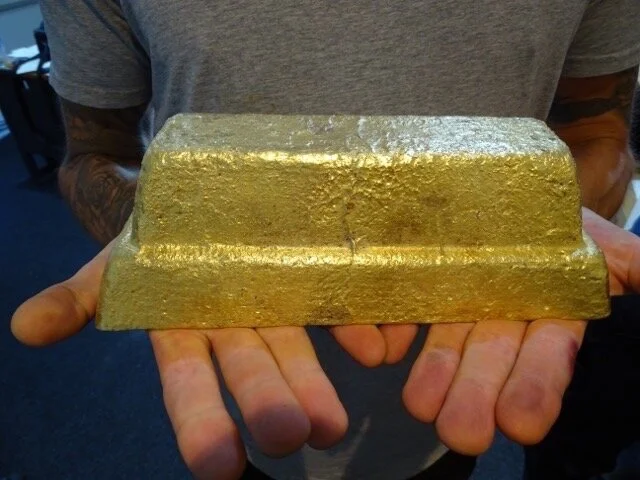
A 19.2 kg bar produced by the MACDESA mine. This bar is roughly 82% gold, and 18% silver. Photo credit: Alan Frampton
The pitch behind it is also simple, she says: “Historically, artisanal mining has been a dangerous profession. This shows a better way to keep those villagers still employed, but in a safer environment, and lets them make more money off it.”
The more respondents heard that this kind of gold could be available, “the more consumers said they might request it,” she says.
When asked if they would spend more for responsibly mined gold, three-quarters of respondents said they would—but there were limits. Over 40% said they would spend 11% extra or more, while 60% said they would spend 10% extra or less.
Chatelain said “there was some awareness” of logos like Fairtrade and ARM’s label Fairmined, both of which offer responsibly mined gold products, but that awareness was pretty low.
Ending Note from the Editor in Chief:
To help raise awareness about Fairtrade and Fairmined gold, follow and share their instagram accounts: Fair Mined and Fair Trade
Check out their websites: https://fairmined.org and https://fairgold.org


What do beekeeping and fish ponds have to do with diamond mining?