

Susan Crow on Traceability and Design
The content of this article is the opinion of the writer and was written for The Source
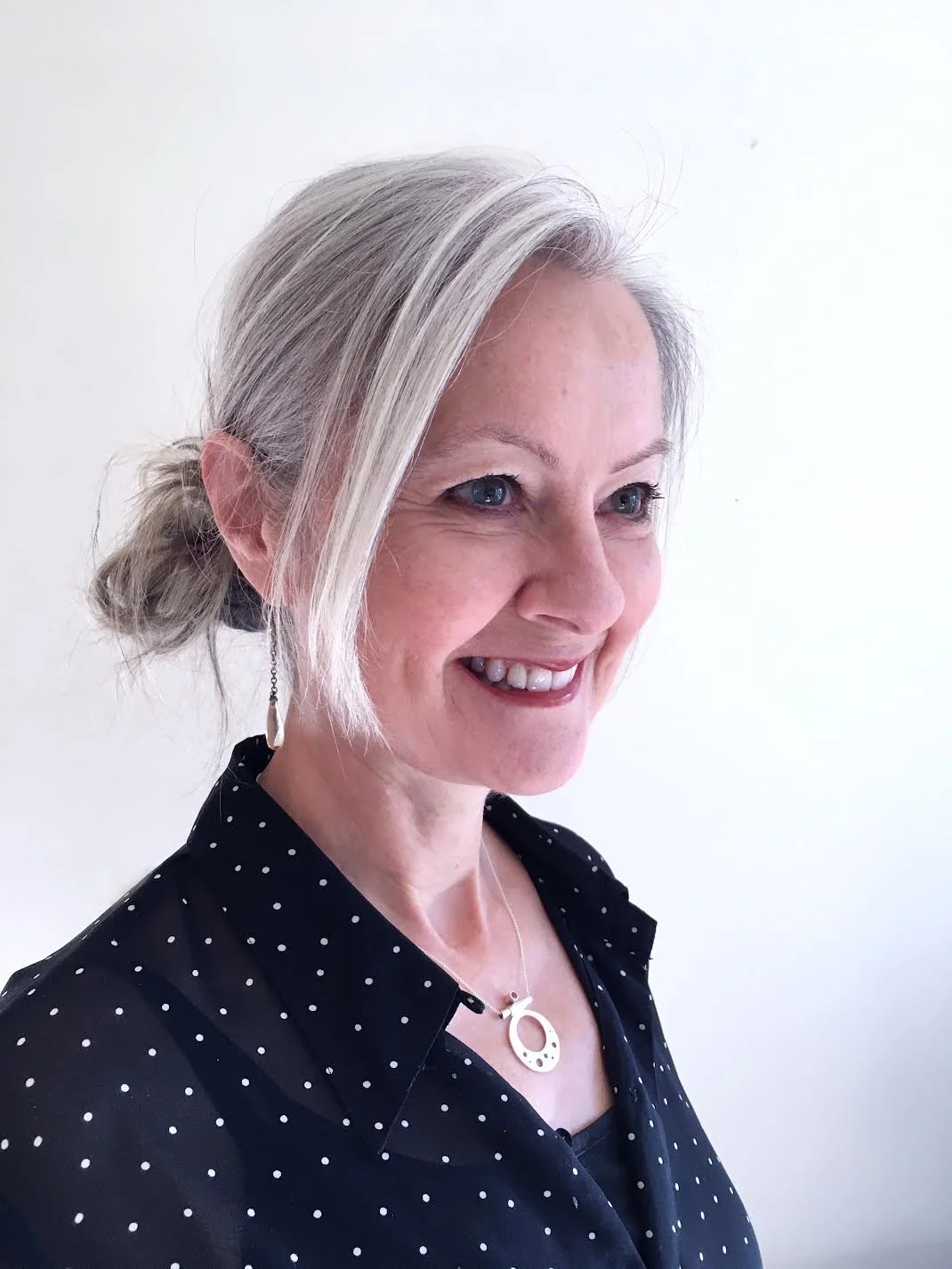
Caption: Portrait of Susan Crow. Photo courtesy Susan Crow.
Chloe Beaumont: For a little background: when did you become a part of the jewelry industry?
Susan Crow: I started college as a journalism major and realized it wasn’t what I wanted my freshman year. I wandered around the campus and found the Design Department. I ended up with a BS in Design specializing in Metalsmithing.
CB: Diamond origin has been a hot topic of conversation right now, with all that is going on as Russia attacks Ukraine. I saw that you recently started using SCS Certified Sustainably Rated Diamonds in your designs. What impressed you the most about this SCS-007 standard? What was the impetus for your adoption of these diamonds?
SC: I was previously not advertising or offering lab-grown diamonds to my clients, because of traceability issues. Since 2015, the majority—if not all—of my diamonds I sell are reused. When the SCS-007 diamonds became available, I decided to become accredited so that I could offer traceable lab-grown diamonds to my clients. Not only do I know where they are grown and cut, but one of their diamond growers is a female-owned company, which I loved.
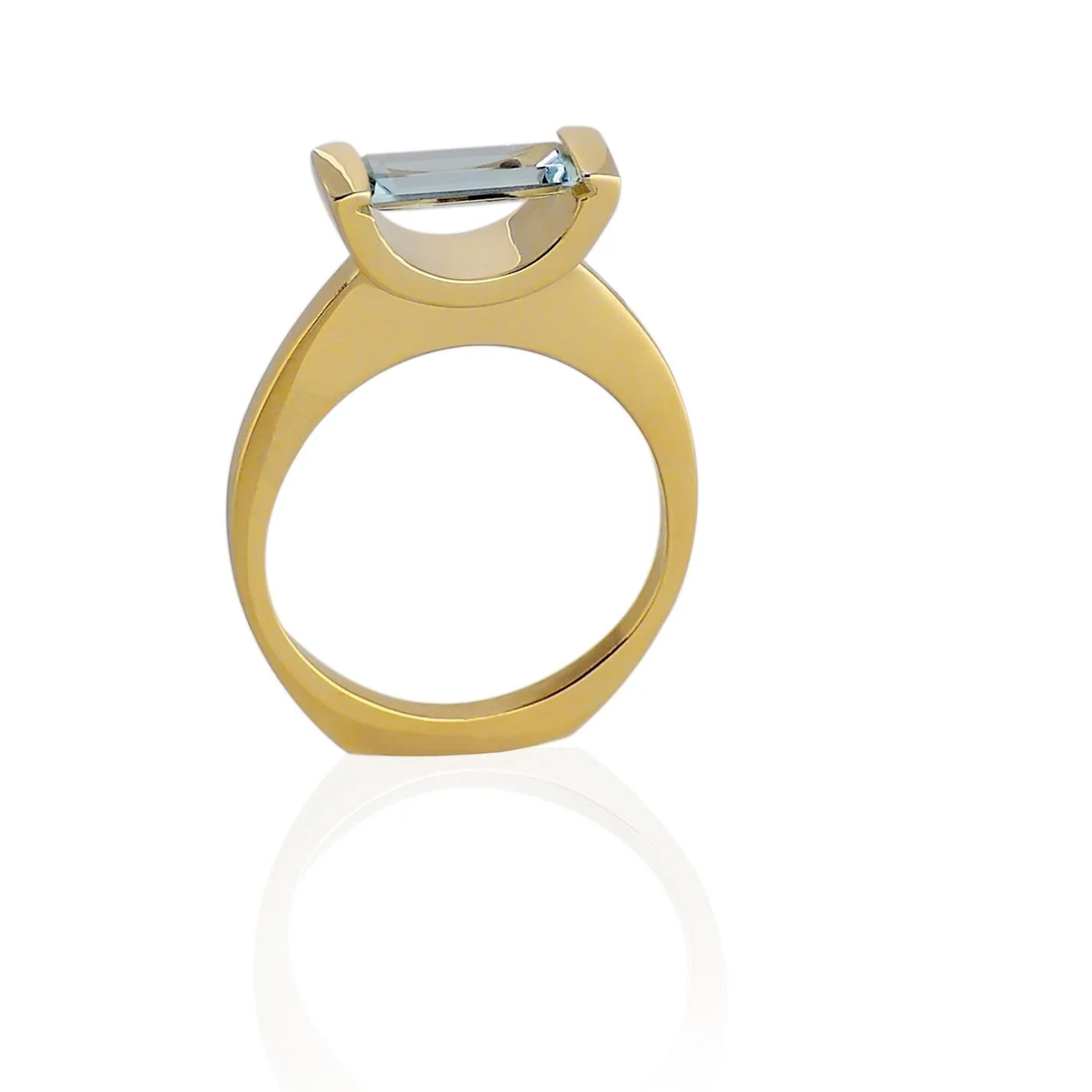
Caption: Sliver of Gold Fairmined Gold and Aquamarine Ring. Photo courtesy Susan Crow.
CB: Do you know if the diamond labs are located in the US?
SC: Yes, so there are three different US Labs that are SCS-certified. After I got accredited, I called SCS up and asked for more information about the labs, and that is how I narrowed it down to working with the female-owned company exclusively. I’m kind of a single-source addict.
CB: You were an early adopter of Fairmined Gold in 2013. How do your clients respond when you explain what Fairmined Gold is to them? Many of our readers are aware that Fairmined Gold comes at a premium, which is often worked into the price of retail markups. Have your clients accepted Fairmined easily, or does it ever take a bit more effort for them to get to that point?
SC: To back-track a little bit, 2013 was the year that Christina Miller put out a call for designers to onboard Fairmined Gold, and 23 jewelers, including myself, responded. That was the year the first kilo of Fairmined Gold came to the US. Going back further, In 2008-2010, I went back to school to study Sustainable Design at Minneapolis College of Art and Design. It focused on sustainability in everything from marketing to manufacturing, Circular Economics, among other things. It wasn’t a jewelry focus at all, but it taught us how to go out into the world and develop sustainable businesses. In 2011, I started looking around for other like minded jewelry designers and found Ethical Metalsmiths, so I guess I’ve been a member for a long time!
I do share a bit of this backstory with clients, and let them know what the outcomes of using Fairmined Gold have been. Some of them glaze over, but for some of them that’s the entire reason they came to me—and I get every reaction in between. Unless someone can’t afford it, they usually choose Fairmined. I don’t put a huge markup on it; only to cover the extra premium. Two years ago, I decided to go 100% Fairmined unless I absolutely couldn’t for a certain design.
Traceability is really important to me. I am not married to certifications, but I absolutely have to know where my materials are coming from. Actually, not just in jewelry, but also in my private life. I am excited about and involved with upcoming situations (Zahabu Safi) where we will be able to purchase gold from the DRC (Democratic Republic of Congo).
Precious minerals are simply not sustainable because they are extracted and don’t grow back. Using that as a business principle, I strive to find gold, diamonds, and gemstones that are as responsibly sourced as possible.
I like to partner with vendors and organizations that build schools, support mining communities, insist on gender equality, and create positive change for all stakeholders in the jewelry industry. The only reason I was okay with SCS-007 calling it “Sustainably Rated” was because these diamonds are lab-grown instead of mined, which in certain circumstances can perhaps be sustainable.
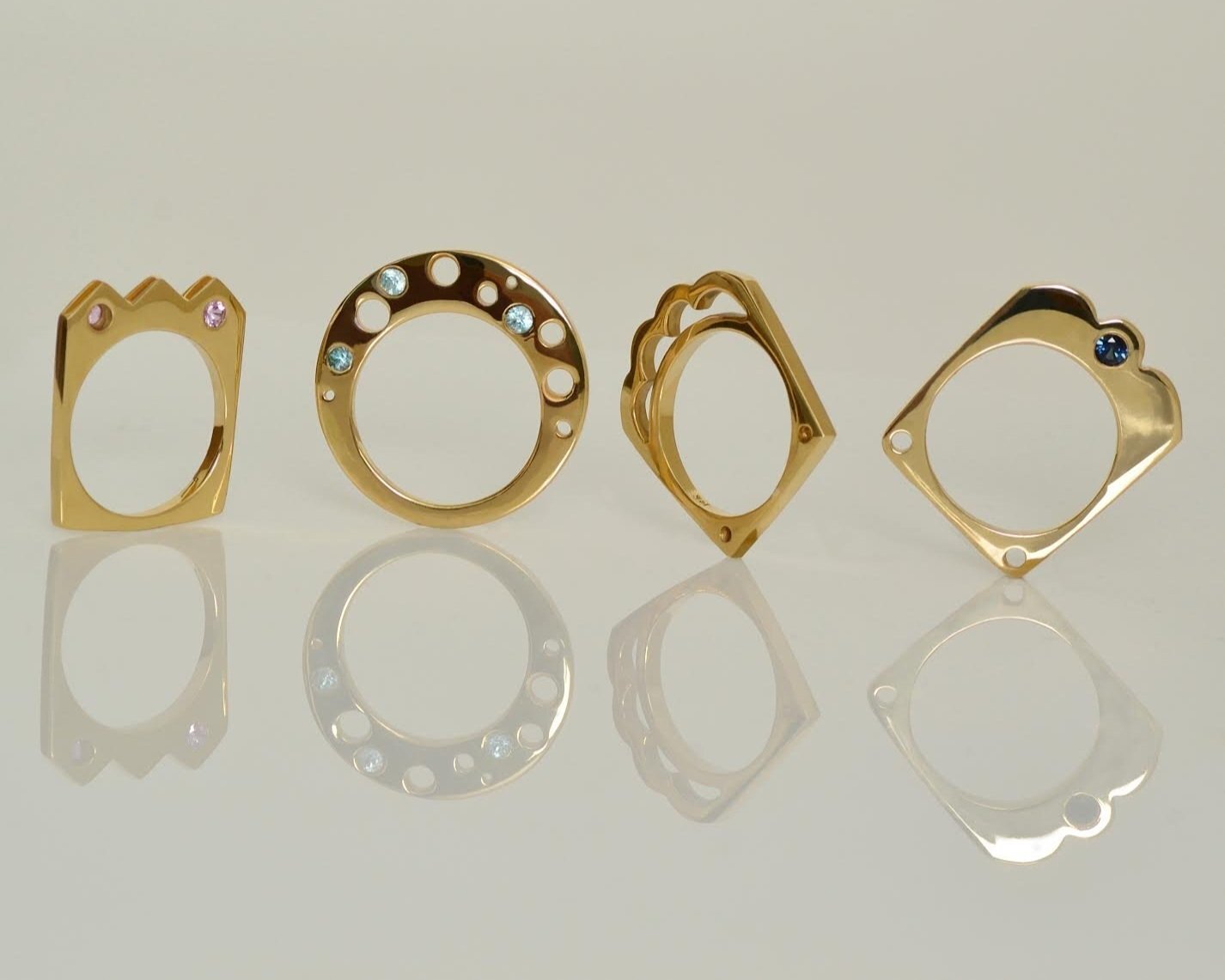
Caption: Rings from the Flat Ring Collection. Photo courtesy of Susan Crow.
CB: Let’s talk design—I love your “flat ring” collection and have never seen anything like them. What inspired you to design this collection?
SC: I actually designed the four main rings of that collection in 2000. My main love is design and solving problems through it. At the time no-one was doing rings like these. They were very well (and still are) received in Europe more than the US, where some fine jewelry tends to be more conservative. They even made it into a Malaysian fashion magazine one year.
CB: That’s awesome! If you could describe your clientele in three words, what would they be?
SC: Curious, aware, and considerate.
CB: What is your favorite thing about being a part of Ethical Metalsmiths, where you proudly serve as Board Member?
SC: Definitely the community. Most of us work by ourselves running our own businesses, and to have found so many similar souls with similar beliefs in our general membership and board members has been great. When we do meet ups in Tucson and Chicago, I’m always thinking to myself, “Wow, I just like these people so much!” I really think it’s because we have a lot in common.
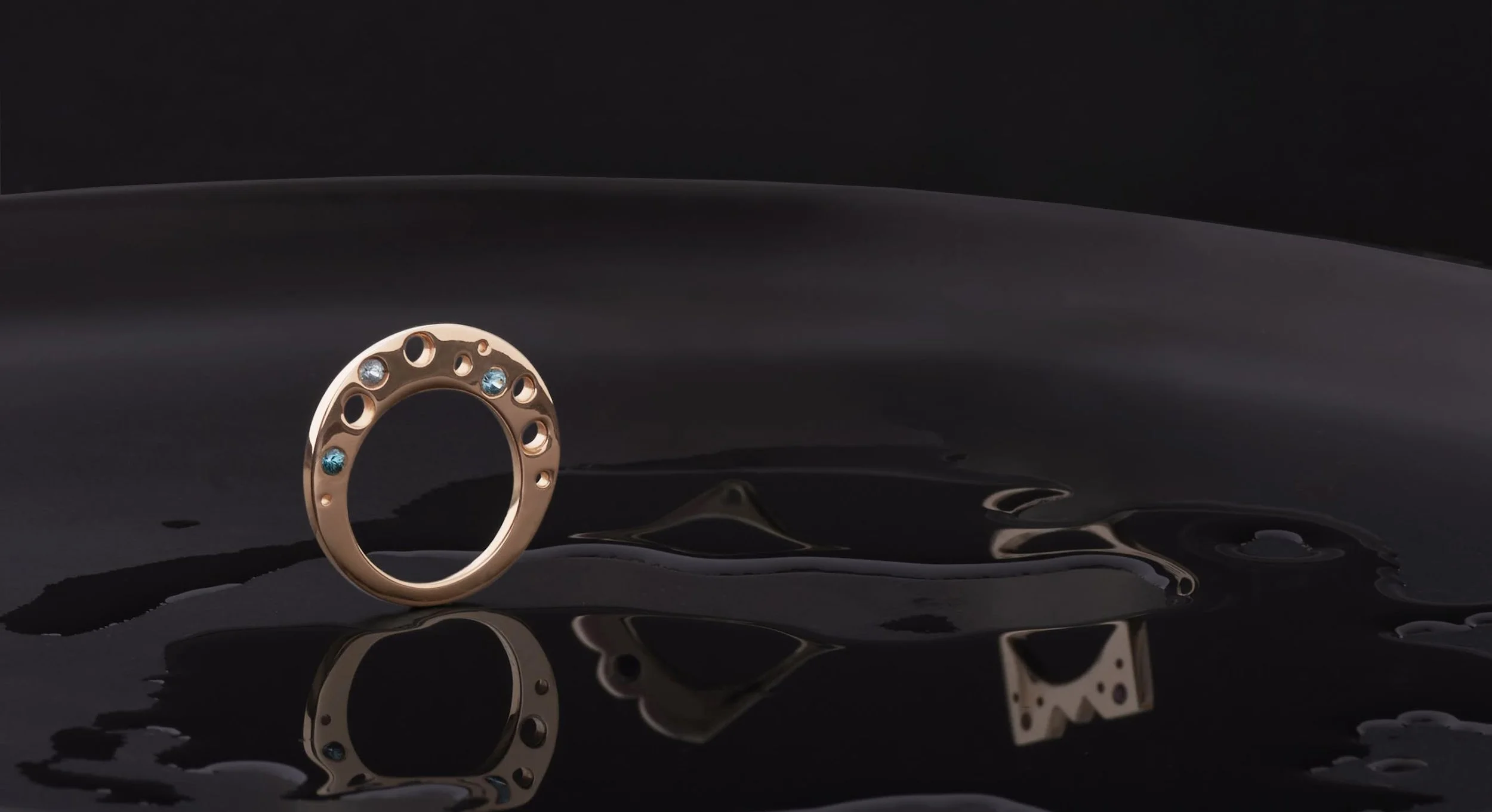
Caption: The Circle Flat Ring with Aquamarines. Photo courtesy Susan Crow.
CB: Susan, thank you for being my latest Illuminator and for sharing your knowledge and story with us!
What do beekeeping and fish ponds have to do with diamond mining?