

Living Room Session Recap: CRAFT Code & The New ASM Progress App

The content of this article reflects the views of the writer, and not necessarily those of Ethical Metalsmiths. Full disclosure: Christina T. Miller is on the Advisory Council for Ethical Metalsmiths.
We received a kind offer from the team at Christina T. Miller Sustainable Jewelry Consulting to repost this Living Room recap article originally published on their website on March 1, 2024.
Our team at The Source is choosing to repost this article because a considerable number of our EM Members and The Source readers have attended Christina Miller’s incredibly informative “Living Room Sessions,” or are at least familiar with her consulting company that is very aligned with EM’s values and mission. Whether you attended this Living Room Session in February 2024 or not, we hope you get something out of this recap that includes bonus answers to questions that were posed to Andres Ortega in the online chat!
~ Chloe Beaumont EIC of The Source


Gold mined by CRAFT compliant miners in Honduras. Photo courtesy of the Alliance for Responsible Mining.
For the February 2024 Living Room session, we invited Andres Ortega, the Mining Sustainability coordinator at the Alliance for Responsible Mining (ARM), to tell us about the Code of Risk-mitigation engaging in Formal Trade (also known as CRAFT) for artisanal and small-scale miners (ASM). Andres explained how CRAFT can become a bridge between ASM organizations and international purchasers. During the session, we looked at the new ASM Progress app developed by ARM as a verification tool that jewelry companies will also be able to use in the future.
We encourage you to check out the takeaways of the Living Room below or watch the recording to hear the full conversation.
The context of the ASM sector worldwide.
Artisanal and small-scale mining (ASM) accounts for 20% of the global gold production and employs 90% of the workforce behind gold extraction. At the same time, ASM has been characterized by informality, poor work and safety conditions, improper use of and disposal of hazardous chemicals, environmental issues, gender inequality, and child labor. Moreover, between four and five million of the workers are children and women, many of whom encounter sexual violence and harassment in the workplace. On top of that, unregulated artisanal and small-scale mining emits over 2,000 tons of mercury per year.
How can a mining group identify and mitigate these issues? And how can they demonstrate that they are a legitimate mining organization? The criteria presented in guidelines, certifications, and codes, such as CRAFT, help miners address these problems.
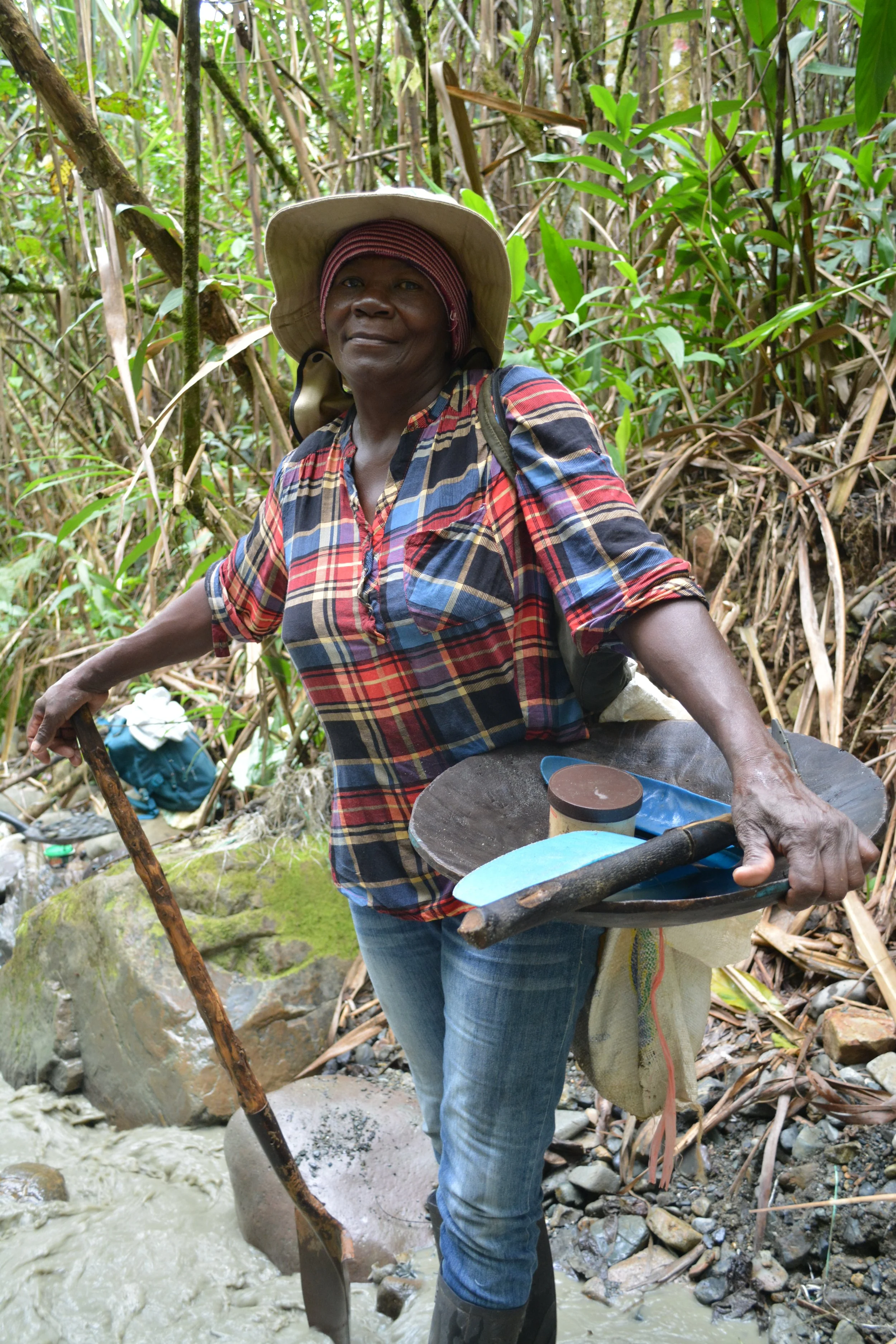
A woman miner in Suarez, Colombia where CRAFT code is being implemented. Photo courtesy of Alliance for Responsible Mining.
CRAFT: the Code of Risk-mitigation engaging in Formal Trade.
CRAFT is a tool for ASM and downstream industries purchasing material produced by artisanal and small-scale miners, created by the Alliance for Responsible Mining (ARM) and Resolve in 2016. The current version is applicable to different minerals: gold, cobalt, and colored gemstones. ARM is currently exploring the application of the CRAFT code in terms of many other minerals, regions, and countries.
The main idea behind CRAFT is to help miners validate their eligibility to mine and sell minerals so that they can join formal markets. With the help of the code, miners can demonstrate that they have identified and mitigated risks and that they are committed to better mining practices. CRAFT is expected to be key for downstream actors in enabling trade with the ASM supply chain.
The CRAFT code is currently recognized as a tool for the application of due diligence in the ASM sector by these international standards: OECD, LBMA, Responsible Jewellery Council, and Responsible Minerals Initiative
The CRAFT Code in a nutshell
CRAFT is an open-source standard, and is voluntary in nature. It enables ASM gold miners to connect with formal markets by participating in the due diligence of their supply chains as a way toward formalization.
The CRAFT code helps artisanal miners and international purchasers understand each other's needs better. The bridge being built by CRAFT ensures that artisanal and small-scale miners can benefit from international markets while improving practices and purchasers can meet international guidelines, such as the OECD Due Diligence Guidance, and responsibly include material from ASM communities.
Ultimately, pursuing CRAFT helps mining organizations to develop their operations and sets them on an optional path for becoming Fairmined certified, for example.
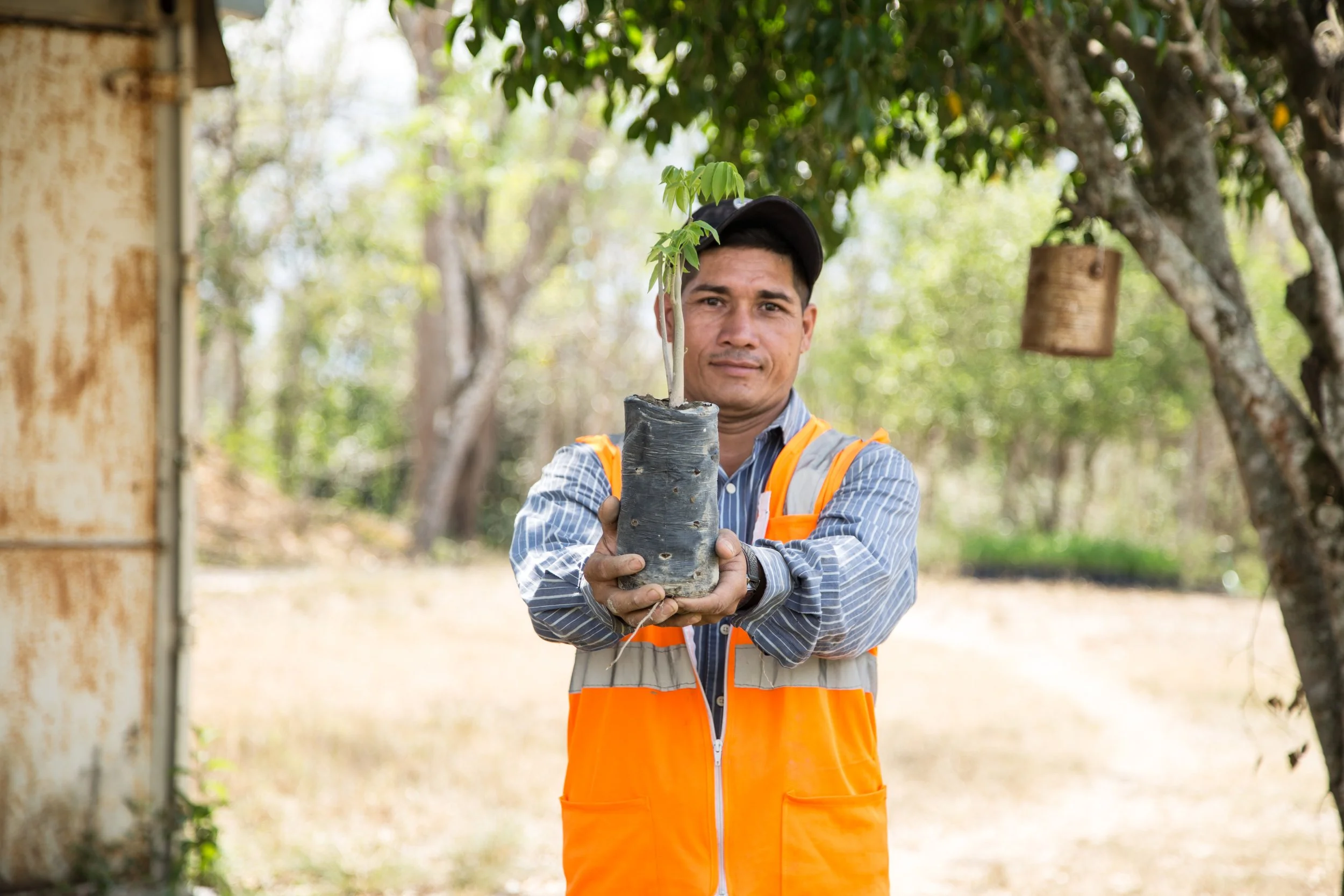
A CRAFT implementing artisanal gold miner in Honduras. Photo courtesy of Alliance for Responsible Mining.
What are the five CRAFT Modules?
The modules of the CRAFT code reveal the scope of the guidelines. There are five modules altogether with the first four being mandatory and the last one being aspirational. When a mining organization fulfills the first four modules, banks, refiners, and downstream purchasers recognize it as evidence of professionalism, opening the way to join formal markets. Below you can see the description of each module:
The first module, Adopting a Management System, is about a well-established organizational structure.
The mining group needs to share the list of members, their production and processing characteristics, and a basic point of contact for complaints.
They also need to commit to developing the CRAFT report and identify a person responsible for implementation of CRAFT.
Module two considers the legitimacy of the ASM Mineral Producer.
At this stage, the mining group needs to provide permits to operate: mining rights (or any other document that demonstrates formalization process or permit to extract the mineral), environmental license or any environmental instrument (environmental plan) valid for the authorities, and land ownership or permits.
This module can be challenging because the legitimacy in terms of legalization and formalization depends on the legal framework of each country.
Module three is related to risks that have to be considered according to the OECD Due Diligence Guidance.
The list of these risks includes the worst forms of child, forced or compulsory labor; torture, cruel or inhuman degrading treatment; gross rights violations and abuses; war crimes or other serious violations of international humanitarian law; mine sites and transportation routes controlled by illegal groups; and illegal taxation or extortion of money or minerals.
If any of these risks is identified on the ground, ARM requires immediate disengagement with the mining group.
Module four also analyzes risks, but the difference is that if one of these risks is identified on the ground, the mine still has the opportunity to develop and implement a mitigation plan.
These risks are related to direct or indirect support to public or private security forces that illegally extort or control its operation; hiring individuals or units of security forces that are known to have been responsible for gross human rights abuses; transparent payments to public security forces for the provision of security; payments to government; bribery and money laundering.
Module five is aspirational and not mandatory.
It considers basic safety rules (personal protective equipment); first aid and basic health services; whether the mining organization is accepted or integrated into the existing communities; coexistence between mining and other activities (in terms of the use of land and water); and basic wastewater treatment system.
The idea is that the mine could work on these aspects too, but they are not mandatory, unlike in the Fairmined standard where this is required, for example.
The Sustainable Mines Program in the Alliance for Responsible Mining
The ASM mining organizations can start their progressive pathway by implementing the CRAFT code, and later they have the chance to continue with the Fairmined standard and other criteria related to communities, environmental protection, health and safety conditions. The idea behind the Sustainable Mines Program is to give mining organizations an opportunity to reach sustainable development goals.
“...[In] the end, the goal is … that the mining organization implements very good mining practices and takes into account the sustainable development goals,” explained Andres.
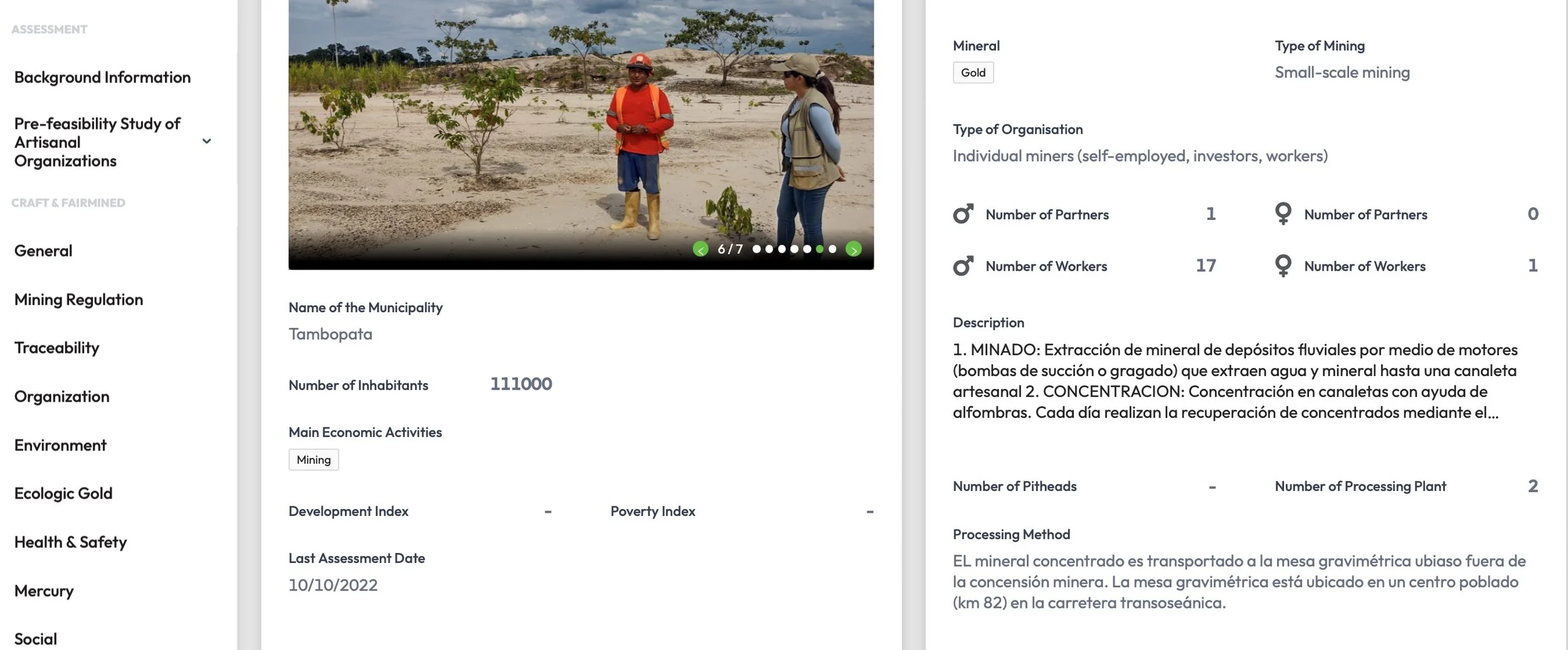
A screenshot of the ASM Progress App Mine Site page. Photo credit: Alliance for Responsible Mining website.
How can you engage with the ASM organizations?
There are three ways:
Sponsor a mine
Purchase credits
Source gold
The Fairmined scheme provides support for getting engaged: the miners who are Fairmined-certified receive a premium to invest in their progressive improvement. ARM is currently working on developing a similar premium for organizations that reach the CRAFT criteria in order to motivate them to continue improving their mining practices and, hopefully, also get the Fairmined certification.
About the ASM Progress App
The ASM Progress online computer application works as a database system for mining organizations where they can upload all their evidence for assessments. Different actors of the supply chain have access to this information and can see the improvement over time of any mining organization according to different criteria in the app.
For example, the main dashboard shows the basic information of the mining organization, such as the number of workers, the extracted minerals, the processing method, etc. One can also choose to see the full assessment, or the CRAFT and the Fairmined assessments separately. This way, it is possible to identify the gaps in the performance of any mining group.
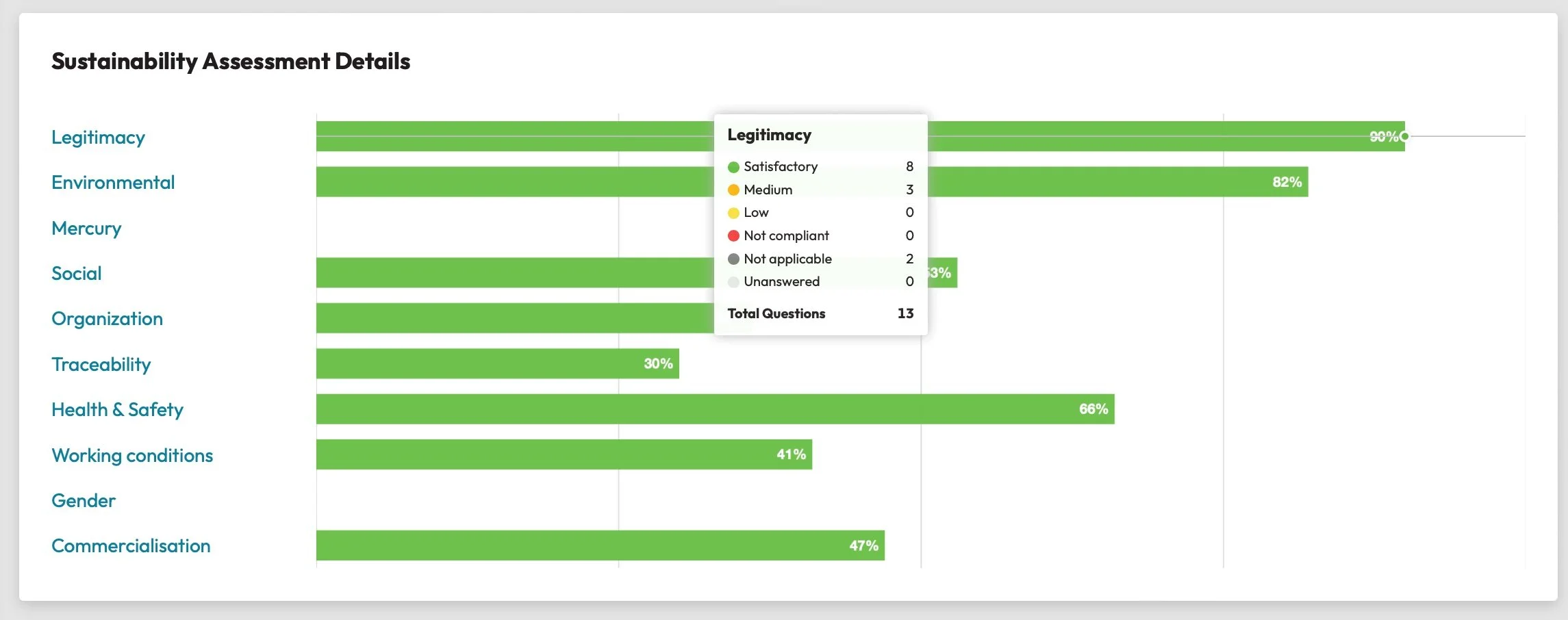
A screenshot sample of the Sustainability Assessment in the ASM Progress App. Photo credit: Alliance for Responsible Mining website.
How is this verification method different from other certification standards that we might be used to?
Andres Ortega has answered, “The third party audit is annual. So, they go to the ground and they do their assessment, and they have the performance of the mine each 12 months. But the idea with this app is that the mining organizations have the chance to upload information regularly and to show the improvement… because at the end of the day, the sustainable mines program is [about] progressive improvement…”
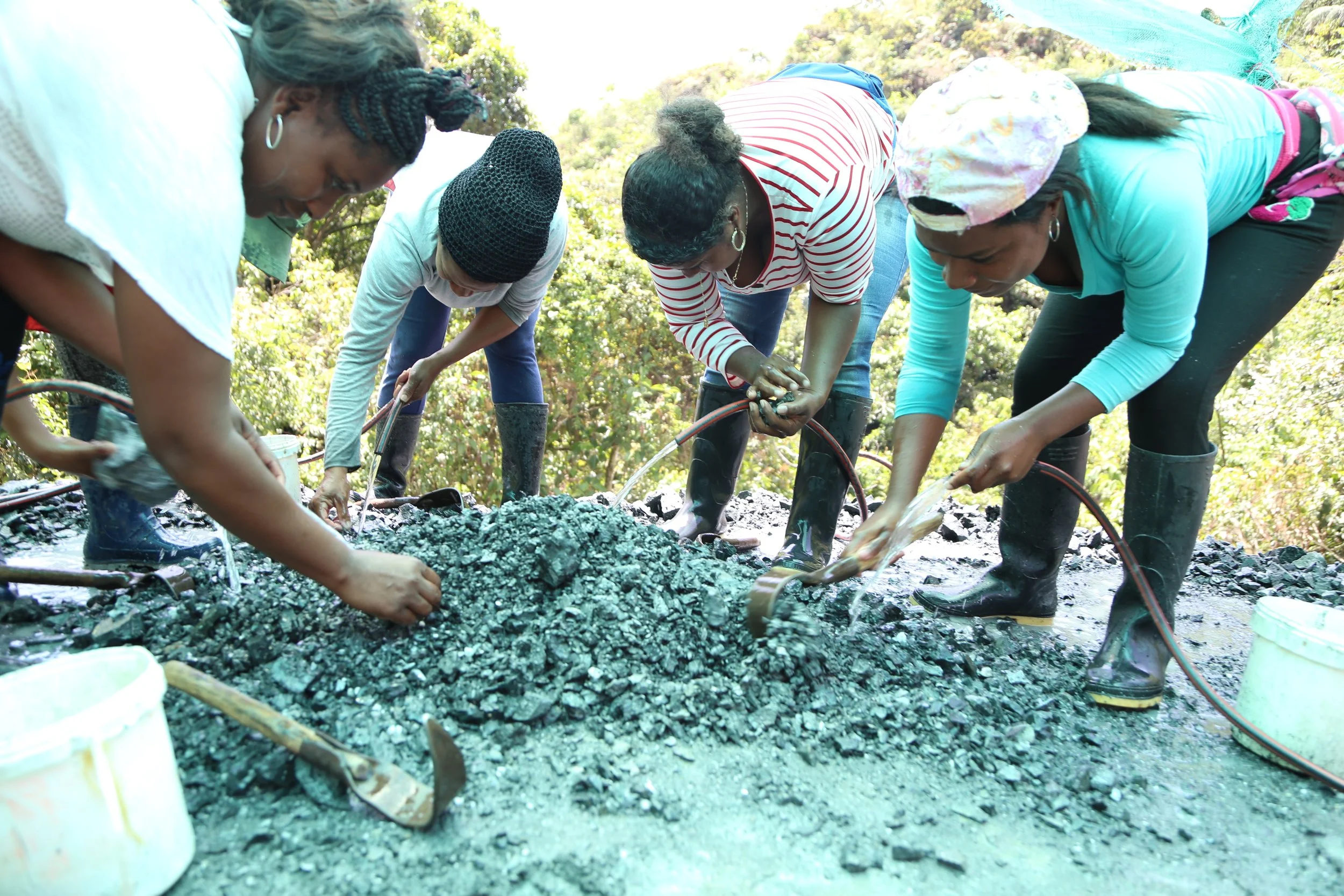
Female miners working together at a CRAFT compliant mine in Suarez, Colombia. Photo courtesy of Alliance for Responsible Mining.
BONUS Q&A
There was not enough time to answer all of the questions of the audience during the session, but Andres Ortega has kindly provided his responses to what was left uncovered afterwards. You can find his answers below.
Q: Can you speak to what may be the primary challenges that exist in creating a supply chain into the US and Europe of CRAFT-sourced gold?
A: The CRAFT Code hasn’t established a premium scheme yet, and does not include a certification itself, but rather a Code of Good Mining Practices. Additionally, CRAFT is “open source” which means that it could be applied on the ground by any supply chain actors.
For example, in the case of Fairmined Standard, the structure of the Fairmined supply chain is well defined: miners get certified Fairmined for their high standard practices, traders get the Fairmined permits to buy Fairmined Gold, and refineries and jewelers do the same. This has been a challenge in the CRAFT Code because in order to be an open source tool that many actors can use and apply, it creates a lot of variable situations that are a challenge for ARM to manage.
However, ARM is working on a business model that makes the CRAFT Code sustainable over time and can guarantee the benefits for miners and boost them to continue with higher standards like Fairmined.
Q: Is the platform showing the actors along the supply chain to follow the traceability of it? Or how does this work?
A: The platform shows the assessment results of a mining group in three sections (CRAFT Code modules, Fairmined Standards criteria, and General categories (Environment, Mercury, Traceability, Health & Safety, Organizational, Legitimacy, Gender, Social, Commercialization).
For example, if any mining group reaches 80% of fulfillment in the Environmental category, the platform also contains the evidence (text, documents, photography records) that support this score, and the same for all the other categories.
In the case of the sustainability plan implemented by the mining organization, you can also track the improvement evidence that bridges the gap between the past mining conditions and the current [conditions] after the implementation. The idea of the platform is to transparently map all the improvements and efforts that the mining [group] is doing to demonstrate good practices that are aligned with the OECD DD Guidelines and other standards (CRAFT, Fairmined, Forest Smart Mining).
Q: Is CRAFT focused on ASM grouped in organizations or is it applicable to individuals?
A: The CRAFT Code could also be applied to individuals but certainly in the process they need to create an organization (not necessarily legally formalized, it could be a de facto organization). The point is that it is not viable for individual miners nor traders (or any other actor of the supply chain) to apply the CRAFT Code individually and to implement some politics by themselves. It is necessary to have an “organization” where one can make decisions and can design and implement basic protocols for all the [participating] individuals.
Q: The beauty of “open source” is that everyone can use it. A potential downside is that then people can use it in ways that might be ideal for their projects (such as in gemstones and elsewhere) and the interests that shape their projects. Is that a potential reputational risk for CRAFT, and if so, how is that risk dealt with?
A: There are advantages to being an open source, like the one that you mention. That is why it has been challenging creating a CRAFT supply chain, because we could guarantee the work that we are related to (under ARM), but not how the tool is being used by other actors, and if the evidence that they gathered really met the criteria. I think it is clear in this point to consider that the CRAFT Code is a guide of good mining practices, but the verification of the application is not corresponding with ARM in all the cases. The tool is well designed, but the veracity sits with the actors that decide to apply it.
ARM offers a course about the CRAFT code in their ASM online learning platform for those who want to learn more.
You can also find more info about CRAFT on the ARM and CRAFT websites.
“We are a small team of passionate jewelry industry professionals and writers. We’d appreciate your support to grow our team and continue to be able to provide the best responsible jewelry content for years to come!”
Something we rarely talk about to the extent that it is almost taboo is what happens with a break-in, burglary or even a hold-up: How do we deal with the aftermath?