

We Cannot Open Doors We Aren’t Behind: LGBTQ+ Inclusivity in Jewelry

The content of this article reflects the views of the writer, and not necessarily those of Ethical Metalsmiths. This article was written for The Source.
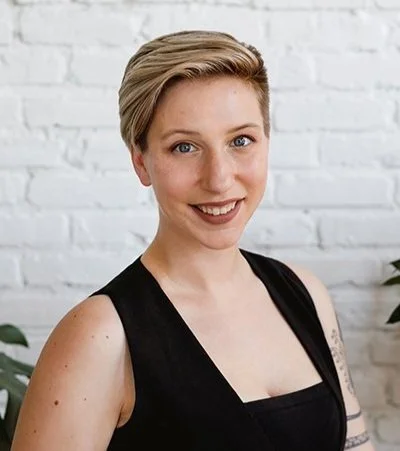
Sam Malandra-Myers, photographed by Tricia Farley of Love Me Do Photography. Photo courtesy of Emily Chelsea Jewelry.
As the Sales Specialist at Emily Chelsea Jewelry, I get to hear stories about what brought our clients to our business. One of the more bittersweet things that I hear, especially from our LGTBQ+ clients, is that they are sitting in front of me because other jewelers made them and their partners feel unwelcome. That, on one hand, fills me with pride; being a member of the LGBTQ+ community myself, being able to provide a space where people from my community feel comfortable has been a goal of mine since I first came out as a fourteen year-old. On the other hand, it is deeply disappointing to know that some of our couples have had to make the decision to travel across the country and/or work with us remotely through digital channels in order to participate in the jewelry industry as consumers — because of their comfort and, in some situations, their safety. This is unacceptable to me, as it should be to everyone involved in the jewelry industry.
I have heard a plethora of stories from our LGBTQ+ clients that span a wide range of severity in exclusion during their time working with different jewelers. Our clients have experienced being forced to explain that what they want does not fall under the often cis-heteronormative labels that have become the norm in the industry (and our society.) Or, they have had jewelry made under the guise of acceptance — yet had their feature removed from social media because of the store owner’s homophobia. These are just a few examples that have recently been shared with me; I could fill an entire article with the horror stories that I have heard. Each story that I hear shows me where there is room for the industry to do better, and we must do better.
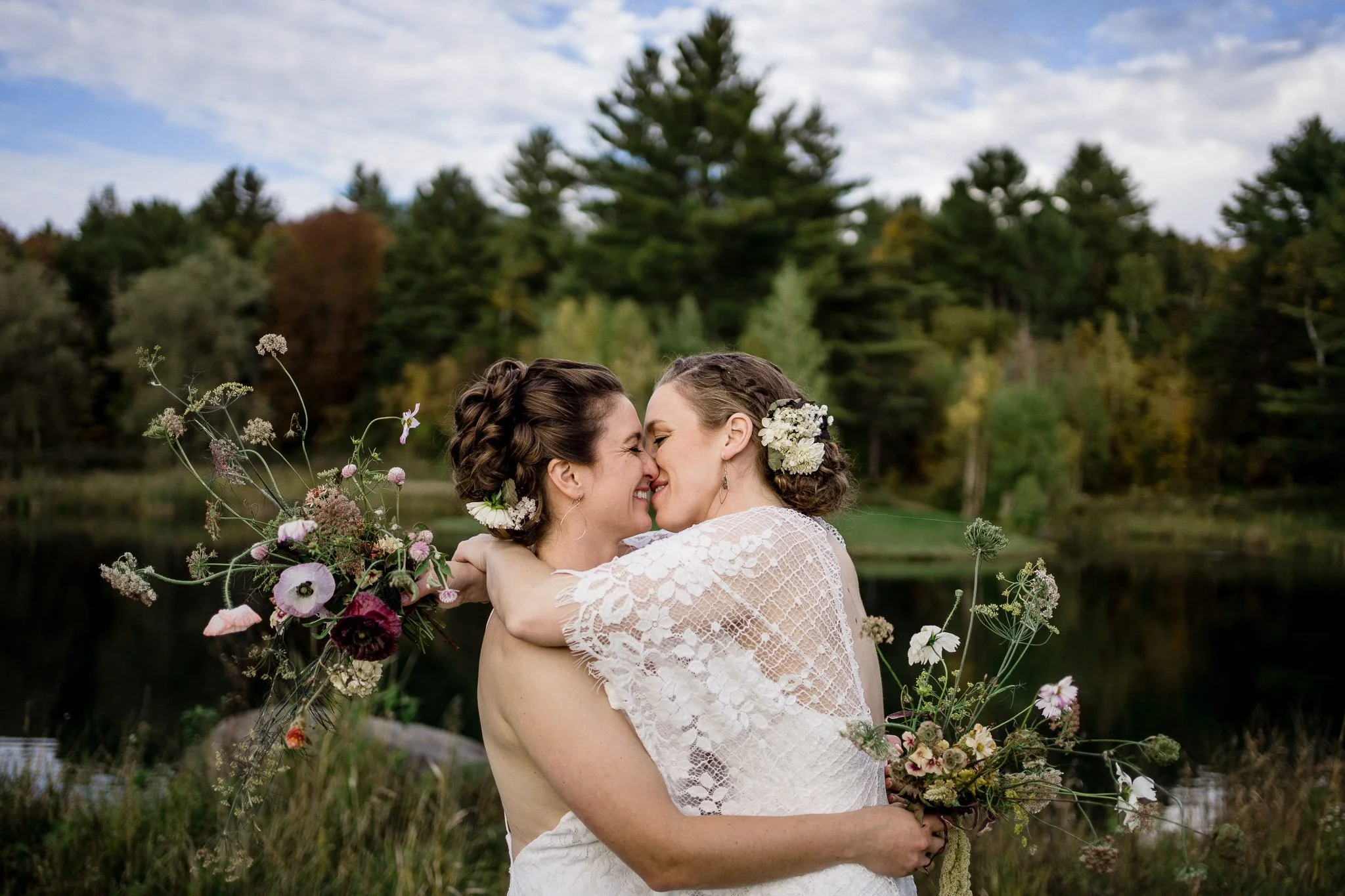
Allie and Ashlyn Angell Horwitz, photographed by Michael Tallman. Photos courtesy of Emily Chelsea Jewelry.
Clients have told me that it goes beyond seeing “LGBTQ+ ally” on our website’s homepage for them to choose Emily Chelsea Jewelry — though this was a promising sign. Seeing our social media feeds constantly highlighting all of our clients, including our LGBTQ+ couples, year-round and not just during Pride month was a step in the right direction. What has made most of our LGBTQ+ clients feel comfortable choosing us was reading through our Google reviews, hearing from their LGBTQ+ friends who had worked with us, and more recently reading our feature in the New York Times.

Allie and Ashlyn Angell Horwitz, photographed by Michael Tallman. Photos courtesy of Emily Chelsea Jewelry.
At the end of the day, it comes down to the experience that our clients have working with any of my colleagues. These are all factors that show we at ECJ do not just talk inclusive talk, but that we also walk the walk — and our clients know that. We care about the LGBTQ+ community, and our commitment to including the community shows up in our ethos as a company authentically.
After centuries of persecution, the LGBTQ+ community can spot fake acceptance from a mile away. (Think: Pride month being co-opted by greedy companies and so-called “rainbow capitalism.”) When researching the topic before writing this article, a quick Google search showed me that most of the content for the search “LGBTQ+ in jewelry industry” was about how to make more money off an untapped, spending-heavy demographic. That is not where your heart should be in order to engage with our community.
“We need straight-ally involvement in creating a more inclusive space in the jewelry industry for my community, because we cannot open doors that we are not behind. ”
Reading about how “allies” are excited to commodify our existence was gut wrenching.
Between the articles written about how to make money off our exclusion, there were articles about amazing LGBTQ+ jewelry makers and store owners. It seems like the easy answer is to point at these stores and creators as the inclusive side of the industry and call it quits. But when has the easy answer been the right one?

Two Emily Chelsea Jewelry Customized ring sets. Photo courtesy of Kate Scott at Emily Chelsea Jewelry.
As Ethical Metalsmiths members, each individual and business has chosen a harder path to travel because they know it is vital for the success and wellbeing of the jewelry industry. This same energy needs to be brought to the conversation about inclusion as well. I am not just talking about LGBTQ+ inclusion either, but the inclusion of other marginalized groups such as the Black and Indigenous communities as well the disabled community. You cannot be inclusive to the LGBTQ+ community without renouncing the racism that comes in tandem with homophobia.
Luckily, there are a few things that you can do right now to make your business more inclusive. Here are just a few things you can do for your business and your daily life that we also prioritize at Emily Chelsea Jewelry:
Stop gendering things without gender. This seems pretty simple but has the jewelry industry’s head spinning. Last time I checked, as long as it is the right size, any person can wear any ring. So why does the industry insist on having “men’s rings” and “women’s rings”? “Bridal?” –yuck. Let us let our customers decide what ring they want by their style, and stop prescribing boundaries on genderless items. All you have to do is describe the item: try “wide bands” or “thin bands,” instead of “engagement rings” use “rings with center stones”, or be more specific like “diamond ring” or “sapphire ring”, etc.
Stop assuming gender identity.You can not know someone’s gender identity by looking at them. At Emily Chelsea Jewelry, it is our policy to use gender neutral pronouns like they/them or just our client’s name, until our client uses their own pronouns. This avoids requiring someone to come out to us if they are not comfortable, and avoids us assuming their gender identity.
Stop assuming you know what someone means when they reference commitment jewelry. Most people in our industry hear “engagement ring,” and think of a man getting down on one knee and asking a woman to marry him with a diamond ring that is a surprise to her. That is simply not how every engagement goes! By only catering to that kind of client, you exclude anyone who has to explain to you that that is not what they want.
Start prioritizing inclusive professional development. Complete the EquallyWed Pro course. Yes, there is a wedding industry specific e-course on how to be more inclusive to the LGBTQ+ community! Attend any workshops, seminars, panel discussions, etc, that you can that focuses on inclusion of any community (does not have to be jewelry specific). Other great sources for opportunities like that are: Black in Jewelry Coalition, Women’s Jewelry Association, and Human Rights Campaign, and Coursera.org, among others.
Start requesting inclusion-based seminars at any jewelry industry conference or show you attend. When you receive the emails after attending events requesting your feedback, tell them to prioritize inclusivity training.
Equally Wed Button you receive after you complete the Equally Wed Pro course. Photo courtesy of Equally Wed.
“We are a small team of passionate jewelry industry professionals and writers. We’d appreciate your support to grow our team and continue to be able to provide the best responsible jewelry content for years to come!”

Something we rarely talk about to the extent that it is almost taboo is what happens with a break-in, burglary or even a hold-up: How do we deal with the aftermath?