

Gold!

The content of this article is the opinion of the writer and was written for The Source
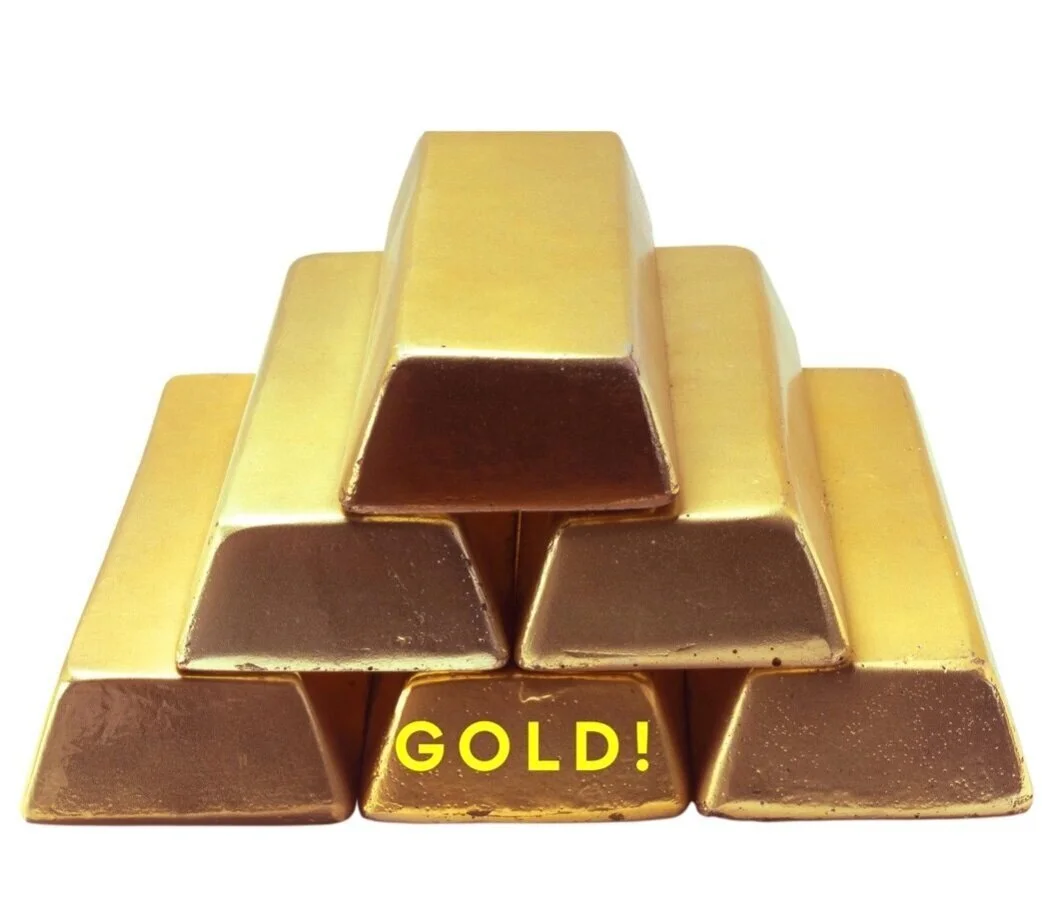
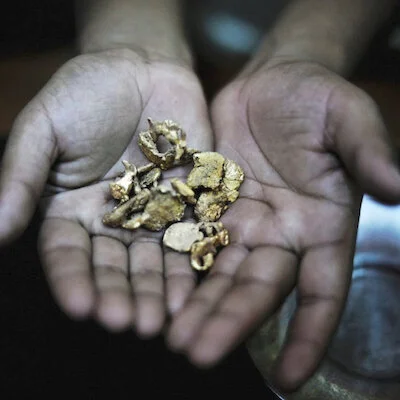
Bricks of gold. Image by Christina Malle.
Gold is fascinating!
Learn more from these films, books, and sites and please add your suggestions below. Or find me on Instagram and suggest other ways we can all continue learning.
Thank you!
Image courtesy of Amazon Aid Foundation.
River of Gold
We had over 400 people register to watch with us on June 3rd, and hear from our kickass panel! Missed it? River of Gold is streaming online; see Amazon Aid Foundation’s site for details on how to stream the documentary. And check back with Ethical Metalsmiths on action items and follow up; our actions make a difference!
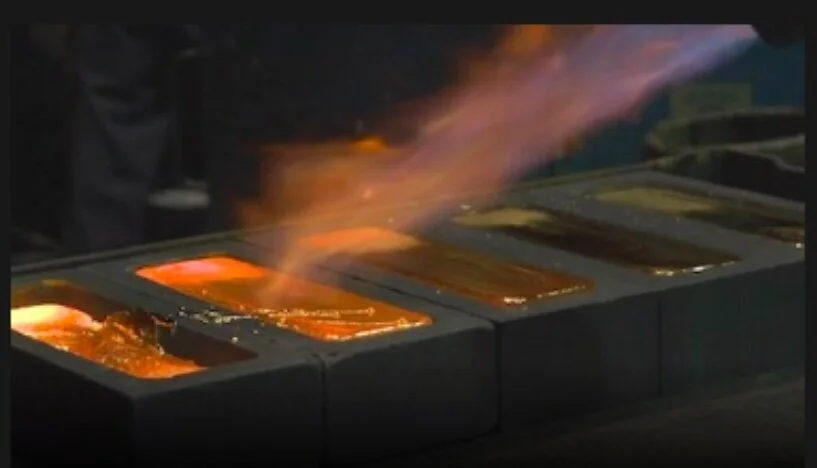
Image from Netflix. Behind the huge quantities of gold flowing into the U.S. each year lies a TANGLED web of money laundering, illegal mining and ENVIRONMENTAL destruction.
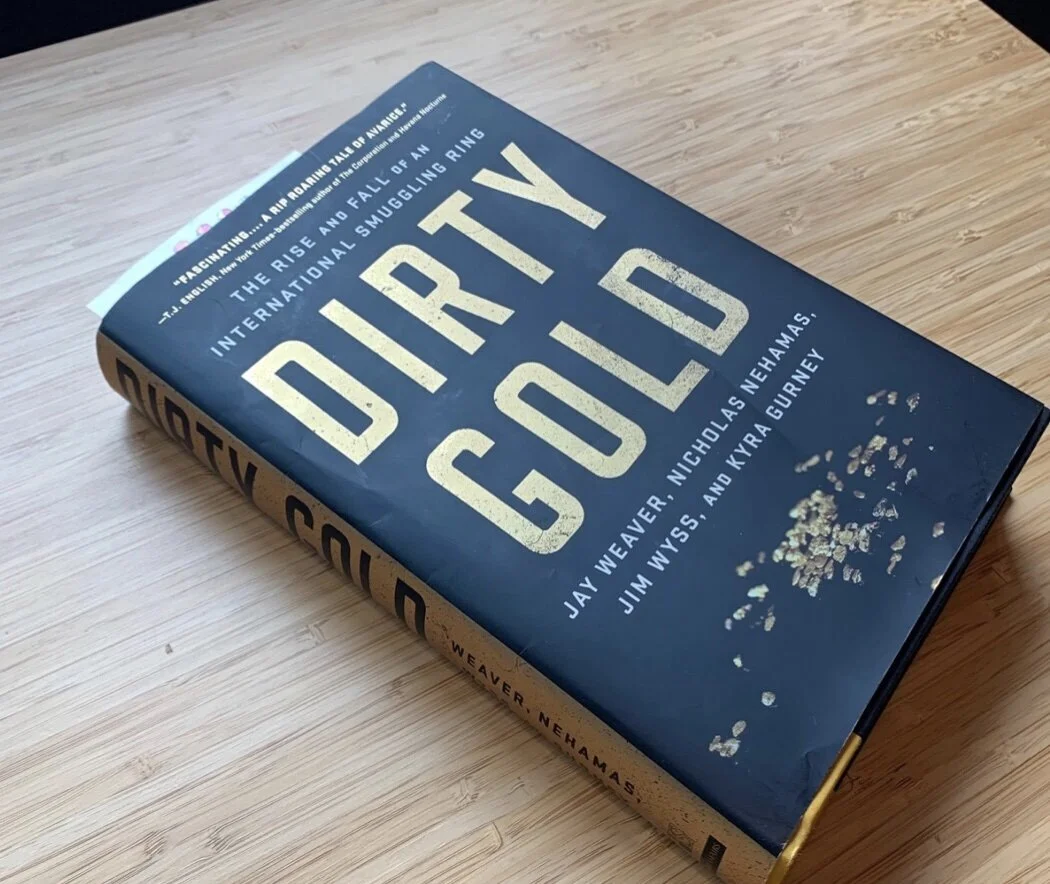
Dirty Gold, the Pulitzer Prize nominated authors. Photo credit: Megan Cochran of EM.
Dirty Gold
By Miami Herald journalists, whose earlier reporting on the subject was nominated for a Pulitzer Prize.
Co-author Nick Nehamas was part of the June 3rd panel discussion after the River of Gold screening; we invite him, his three co-authors and other journalists to continue to engage with us on these topics.
The Source
Yes, this very same site! Please see my article on what is “recycled” gold, exactly? Or the one about using the word “sustainable” for extractive industries like metals and minerals. Or last month’s Can ASM [artisanal and small- scale mining] change lives for the better? And more!
Still more places to learn:
Human Rights Watch
Jewelers Can Trace Their Gold (click to read).
A marketing association for the gold industry (read: large corporations, or so it seems), with all sorts of charts and data on gold prices, consumption, projected production and more. The World Gold Council’s Gold Data Hub has a great deal of information. The WGC issued a report in 2020 called “Gold Mining’s Contribution to the UN Sustainable Development Goals,” and while keeping in mind that this is a marketing association, one can learn a great deal from the 2020 report.
ASGM
United National Environmental Program
This group has abundant material on artisanal and small-scale gold mining.
The London Bullion Marketing Association. This is the group that seems to speak for banks, commodities traders, and bullion folks, and they do have their own “Responsible Sourcing Programme.” That said, why don’t we hear their voices in the jewelry industry talks on origin, inequity, and environmental impact?
Swiss gold, meaning gold from Swiss refiners, is not necessarily ‘clean’ gold. The NGO Global Witness provides details and explains why.
An excellent book by Mark Pieth; Pieth explains the gold trade and its vulnerabilities, including problems of illegal gold shipped to Dubai and then to Switzerland. Gold from Swiss refiners is not necessarily ‘clean’ gold.
Deep-Sea Mining
Yes, another part of our beleaguered planet is being explored for precious metals and rare earth metals.
Click here to read a Harvard blog on the subject.
This is not science fiction, regardless of how you feel about it!
Goldsmithing
And on a completely different note, here is a perennially-useful book for the maker: The Complete Metalsmith by Tim McCreight. His books are essential for students and professional goldsmiths alike. How to make it all.
Readers, I moved the opener of this article to the end, to honor close readers like yourselves:
Do you have any gold jewelry? Do you own a phone? Do you drive a car? Or use another gadget with smart capabilities? Millions of us are contributing to gold consumption, even if we aren’t buying gold grain and wire to make jewelry. We may as well all learn more about it!
As Susan Wheeler, founder of the Chicago Responsible Jewelry Conference has wisely said, this isn’t just about cleaning up your own gold supply chain, but about improving the entire industry. (Full disclosure for the sake of transparency: Susan is on the Board of Ethical Metalsmiths.) Tech, aviation, banks, and central governments also contribute to gold consumption and trade —so, basically, we can all benefit by learning more.
Check out the supply chain pages regarding gold on websites such as Apple, Ford Motor Company, and Microsoft. These companies are among those that have worked hard to trace their own gold supply chains. Traceability does not necessarily equate ‘responsibility,’ but it is a fine place to begin an inquiry. Where is the gold from and how did it get here? Who has benefitted along the way?
A question before signing off: does anyone know any commodities traders out there? Or people at banks who are financing gold refiners? The people who move kilos of gold around the world have been largely silent on the inequities and environmental impact of gold mining, while we jewelers have been agonizing over mere pennyweights. That is starting to change, and we invite you to join the conversation.



What do beekeeping and fish ponds have to do with diamond mining?