So Fresh + So Clean 2020
Our annual online international student exhibition
All applicants are Student Level Members
2021 Jury
Student Committee, VCU Chapter: Sarah Parker, Andy Lowrie
Guest Juror: Erin S. Daily and Brian Weissman, co-founders, Brooklyn Metal Works
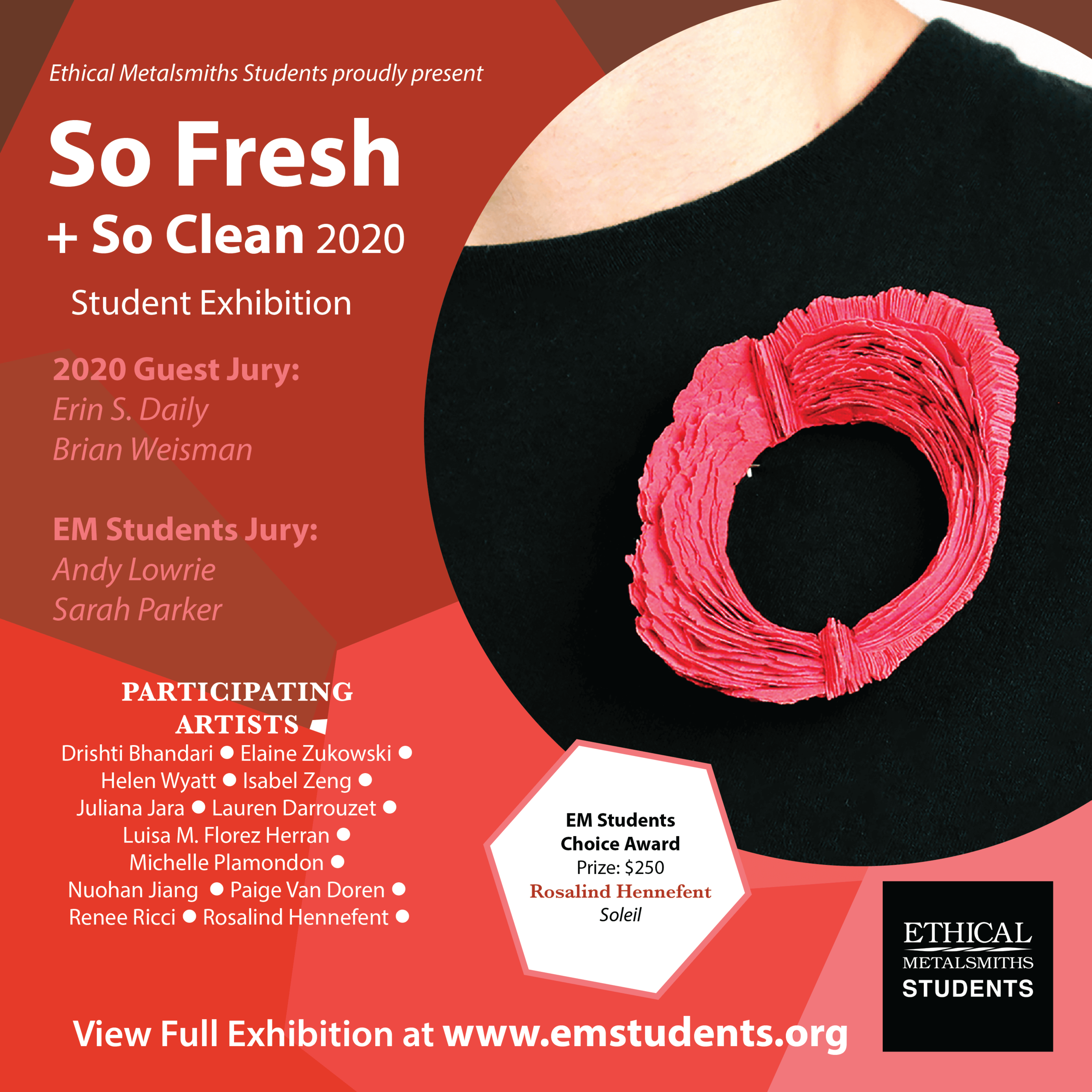
So Fresh + So Clean 2020 Award Winners
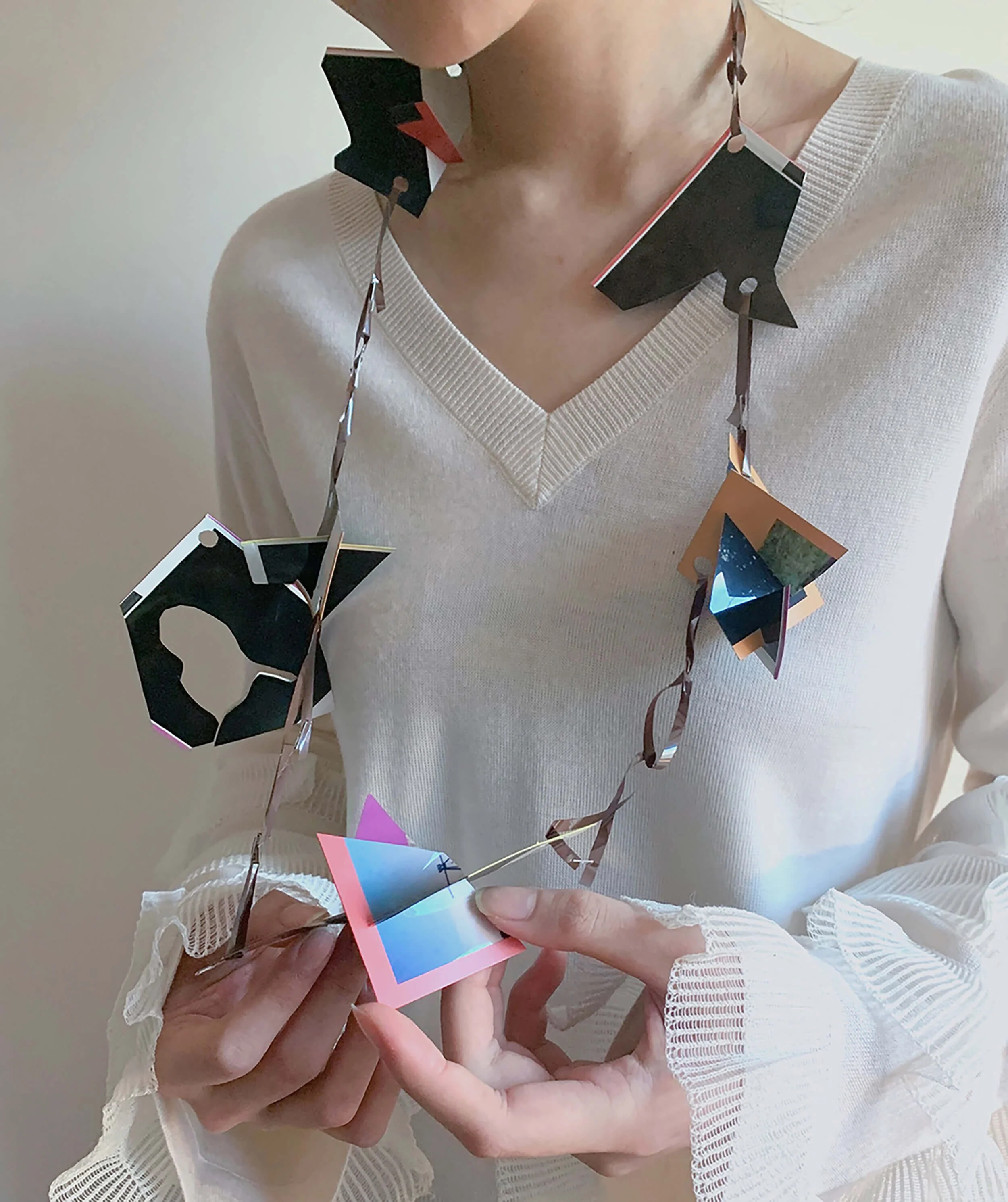
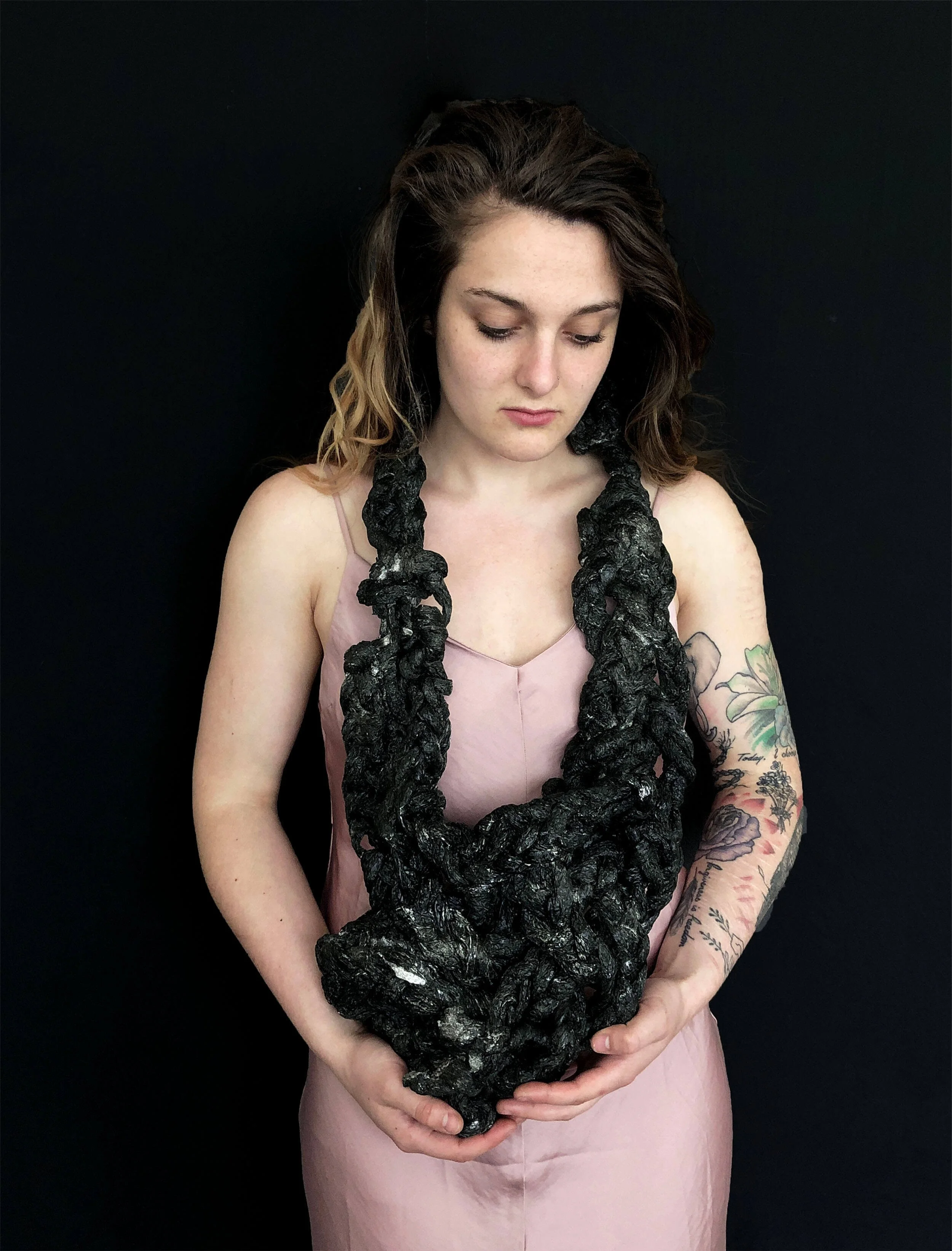
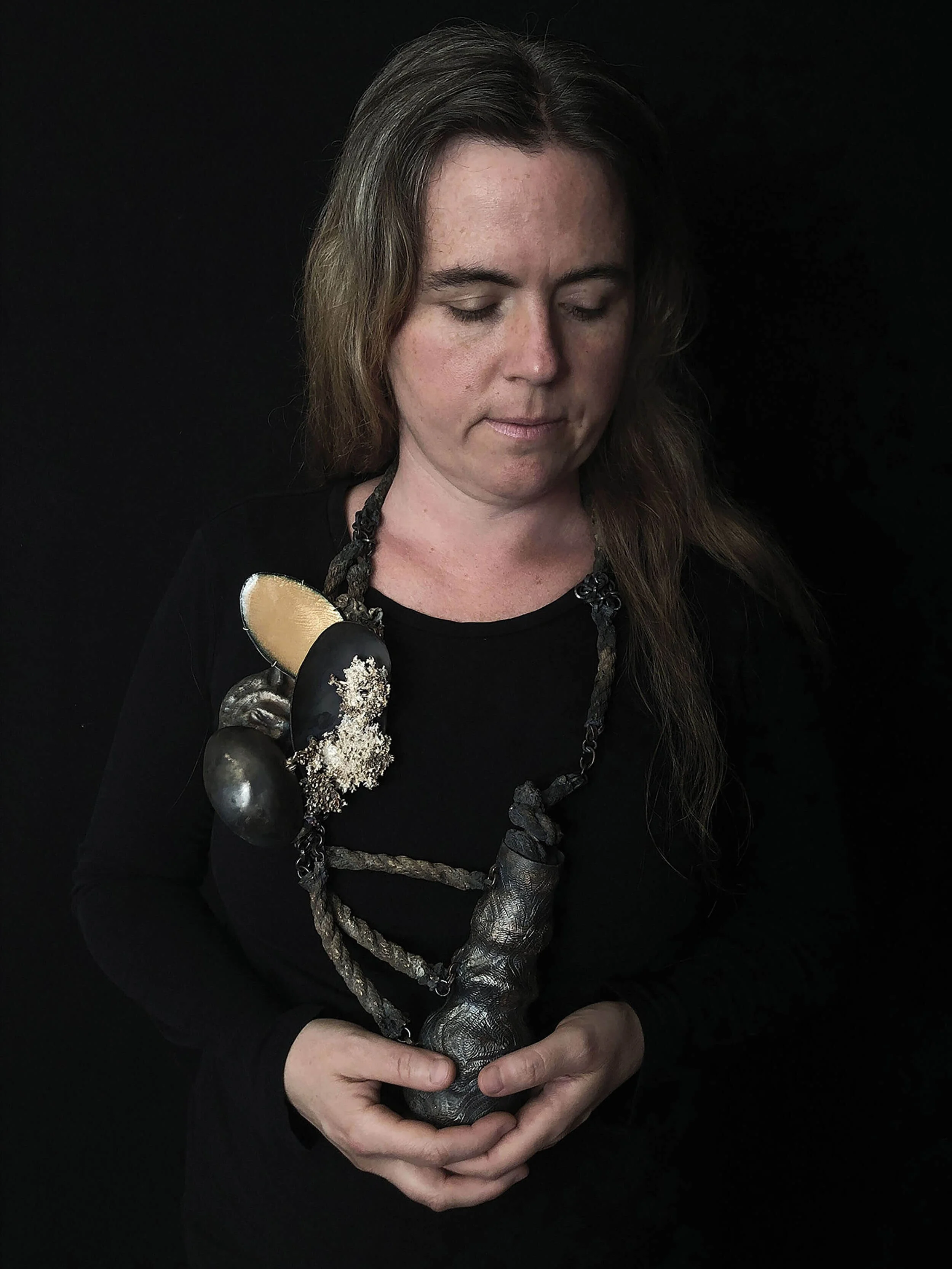
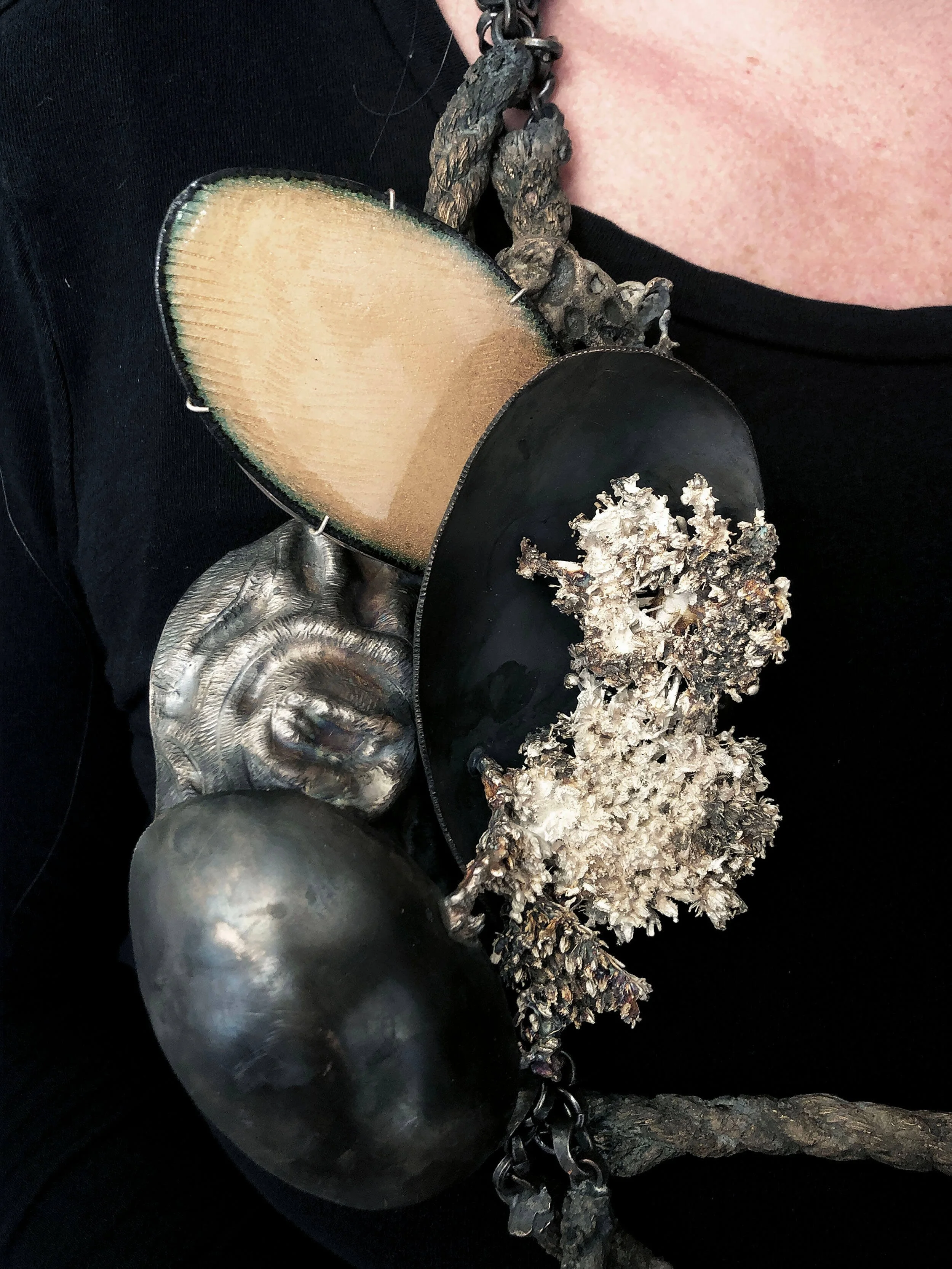
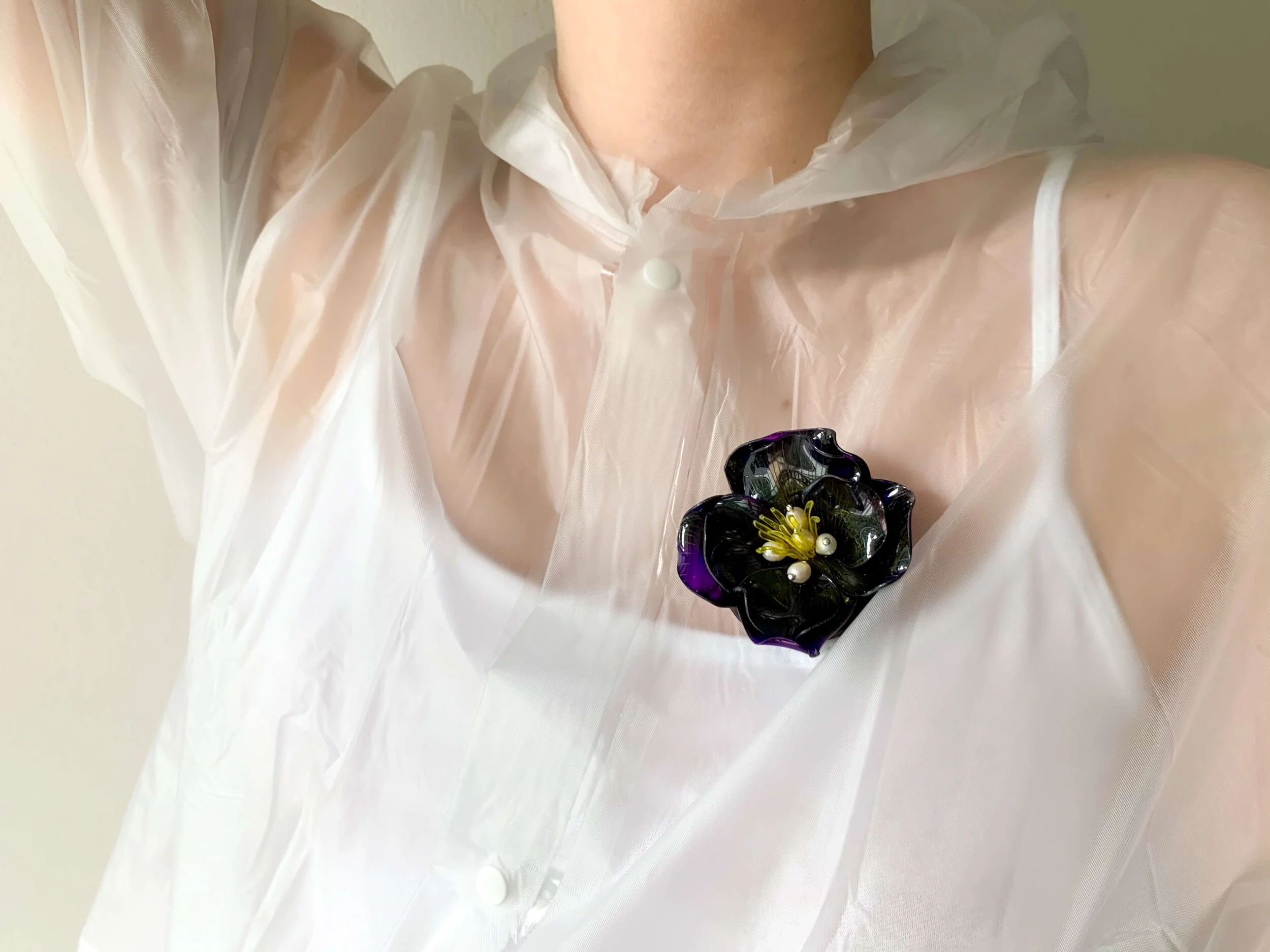
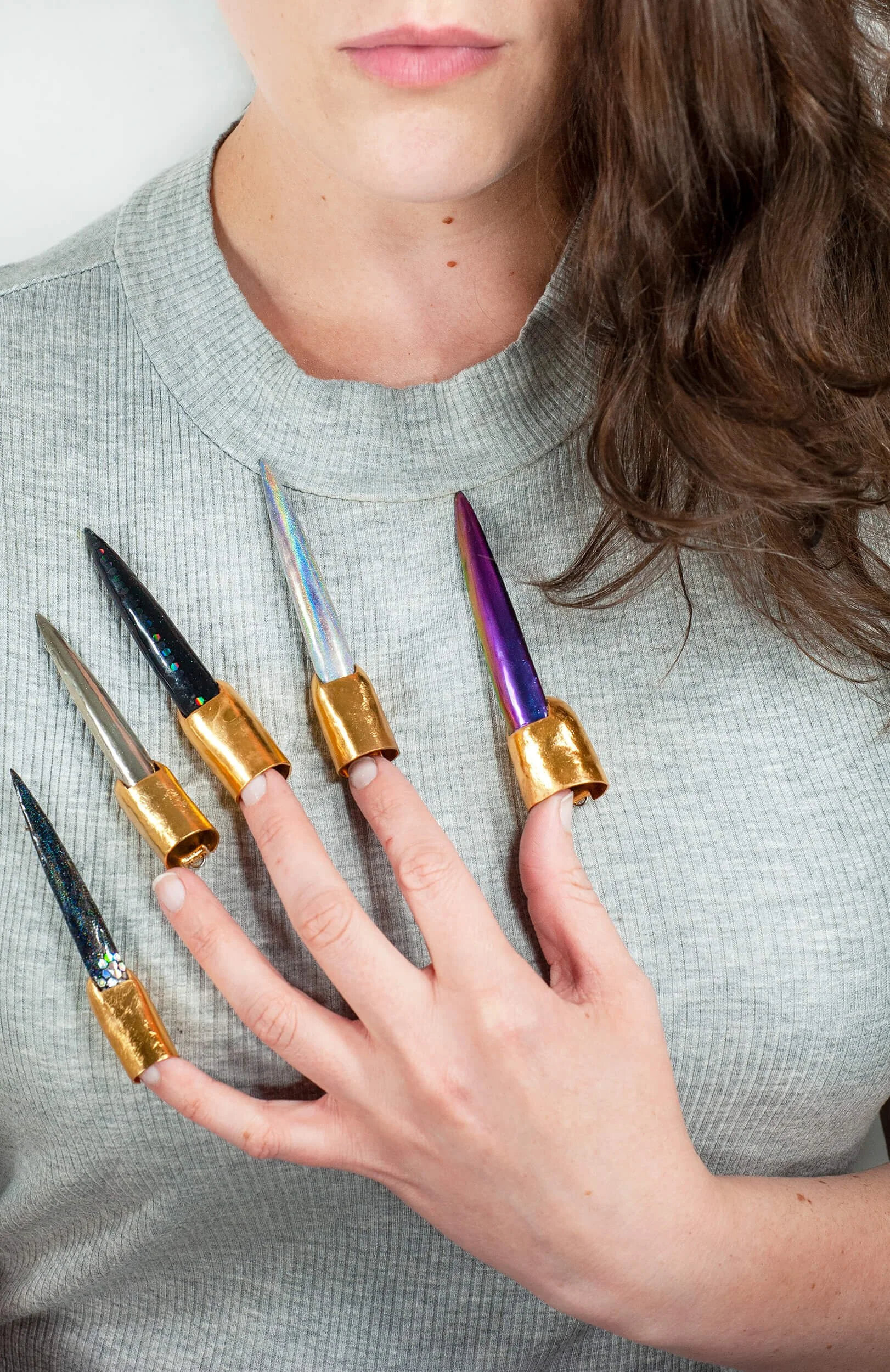
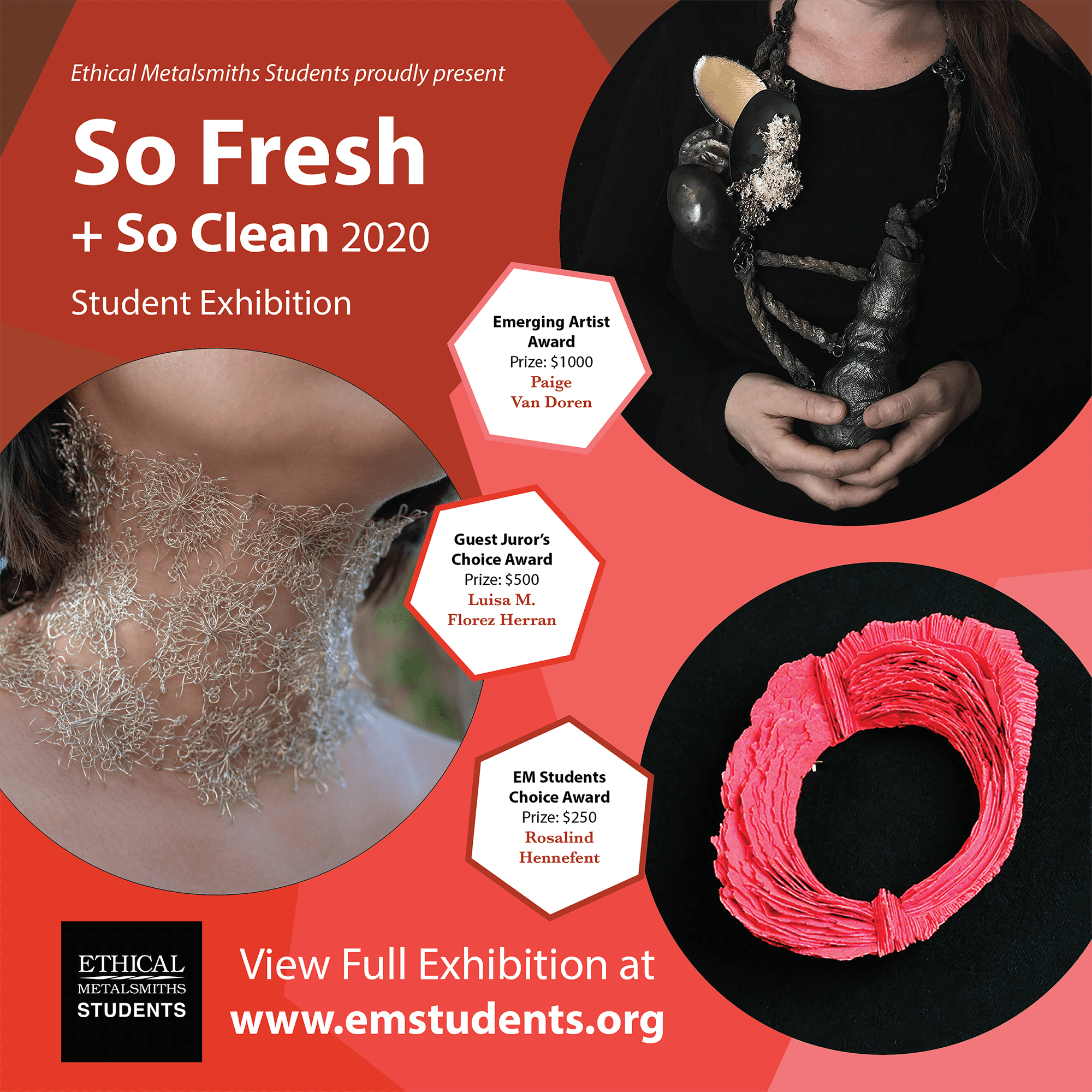
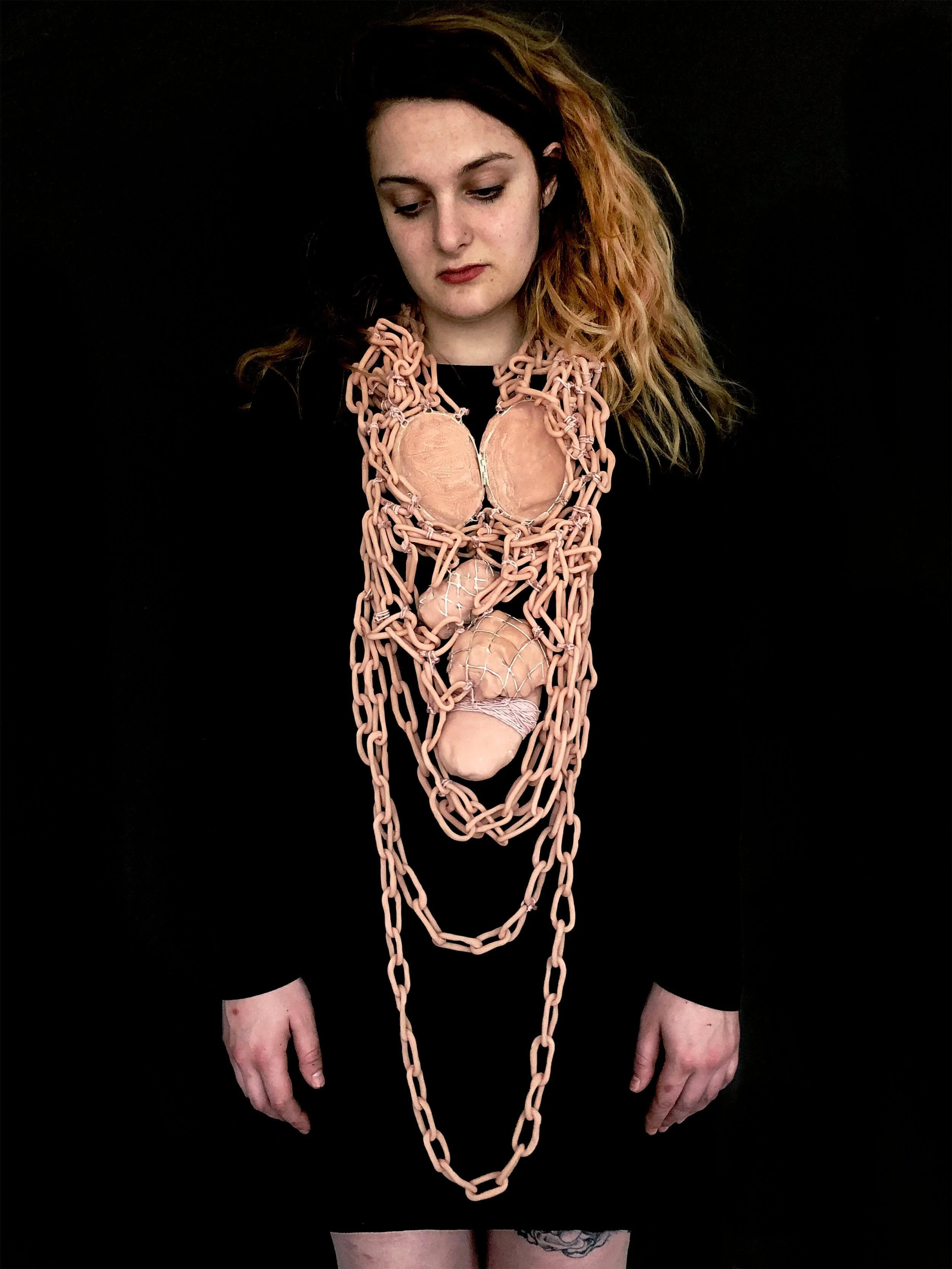
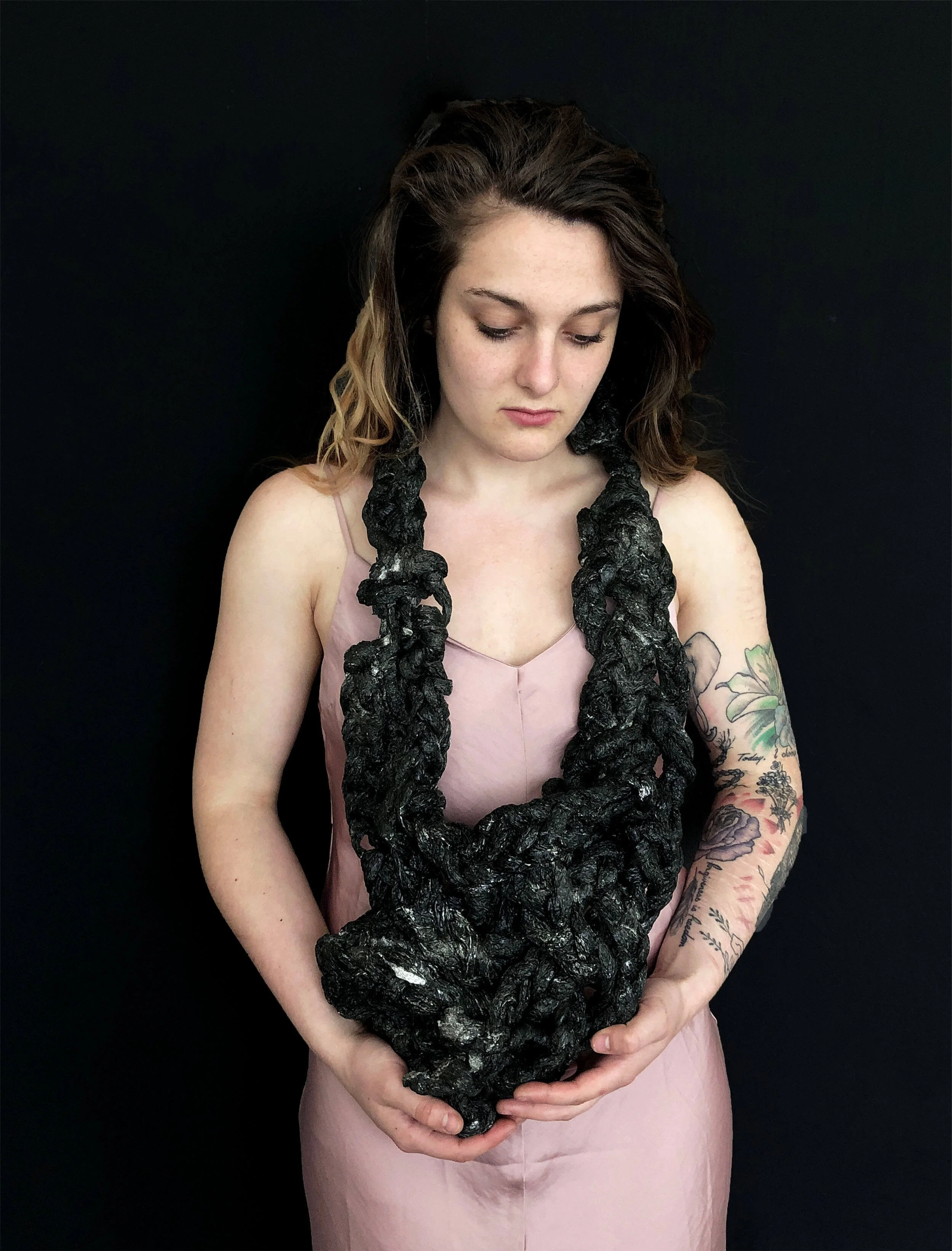
Paige Van Doren
2020 EMERGING ARTIST
Prize $1000, Sponsor: Richline Group
Bachelor of Fine Arts, 2020, University of Oregon, USA
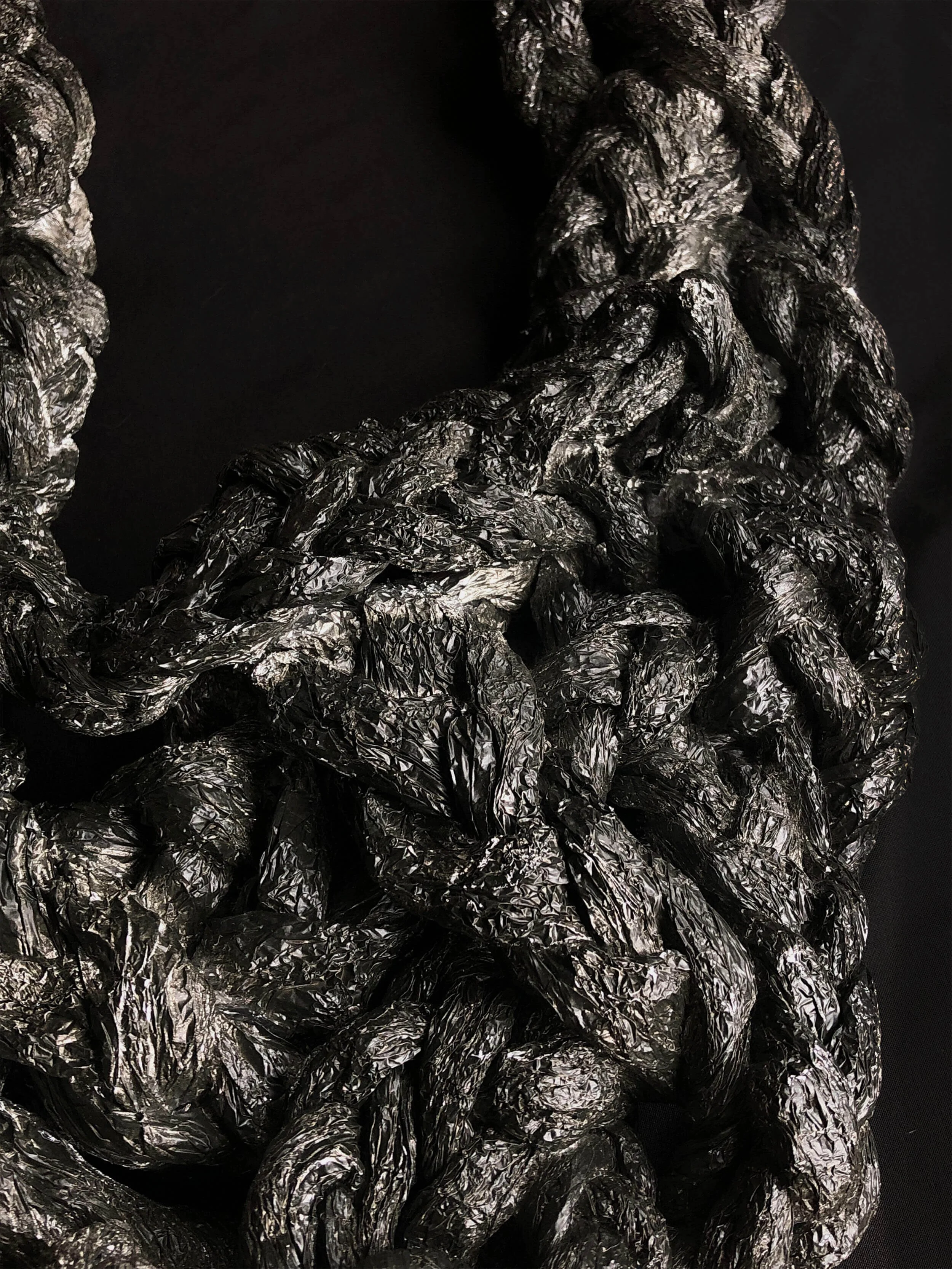
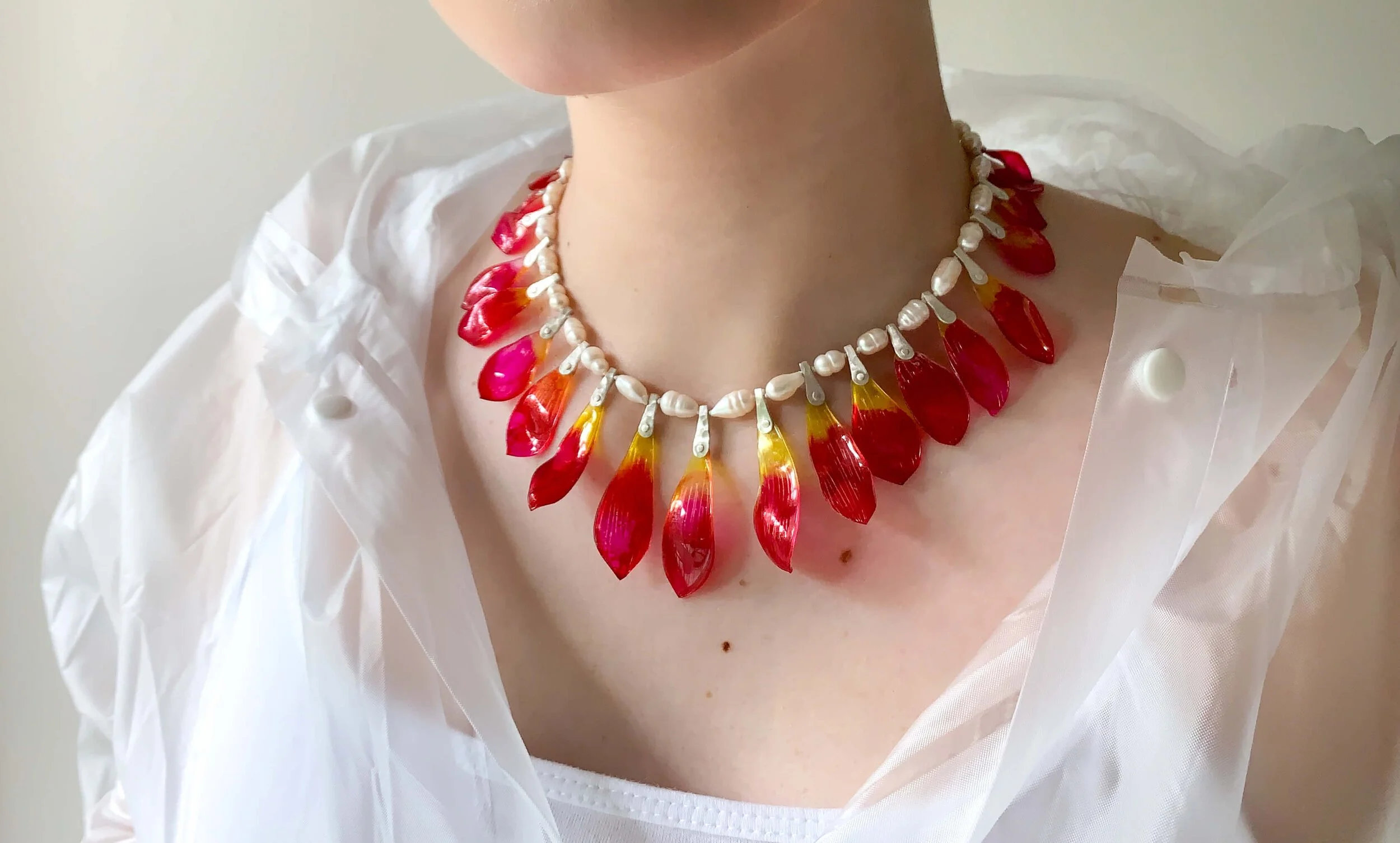
“Establishing my own studio space brought with it questions about how to independently develop a safe and ethical way of working. What became clear through this process is that knowing how to reduce health hazards and sustain an environmentally conscious practice is not intuitive; it requires ongoing research and maintenance.
The process of developing an ethical lens has carried over into the making as well. These past months, I have worked heavily in aluminum foil, which is recyclable when clean. While using alternative materials like this is one approach I take towards a responsible practice, I do not fully depart from metalsmithing and the complicated material ethics of the field. However, I now have an understanding of what it can mean to approach work ethically and a commitment to continue.”
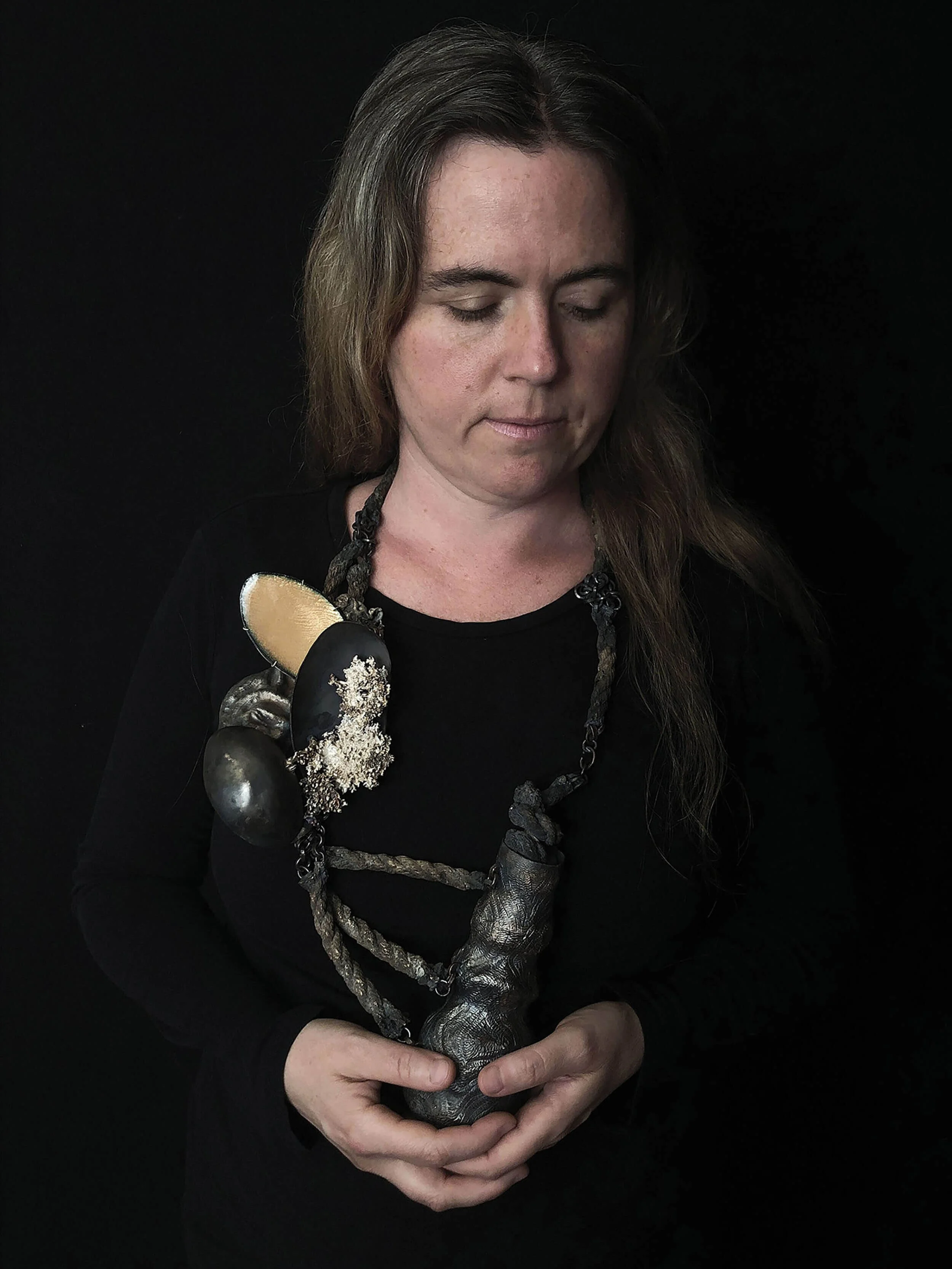
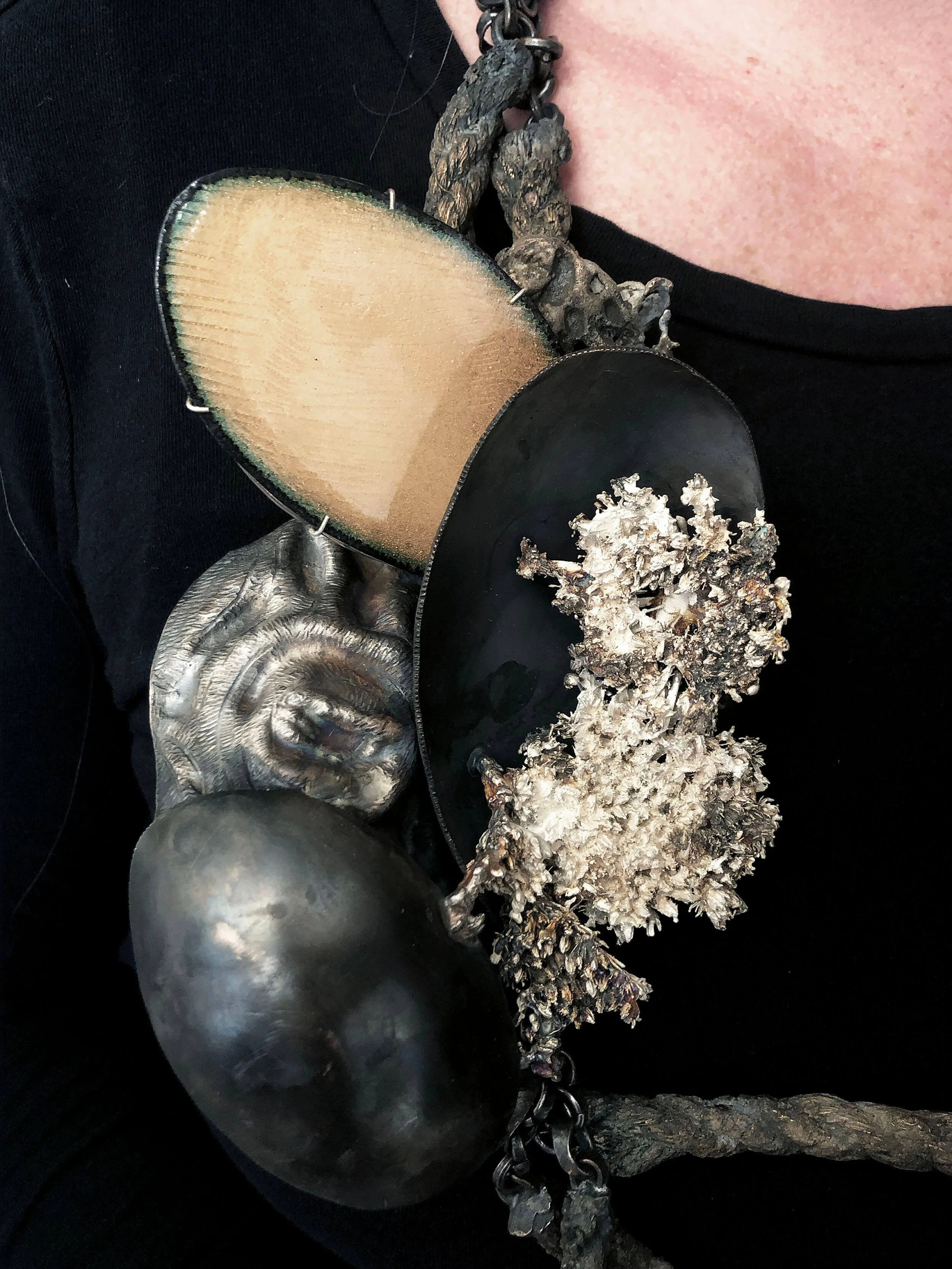
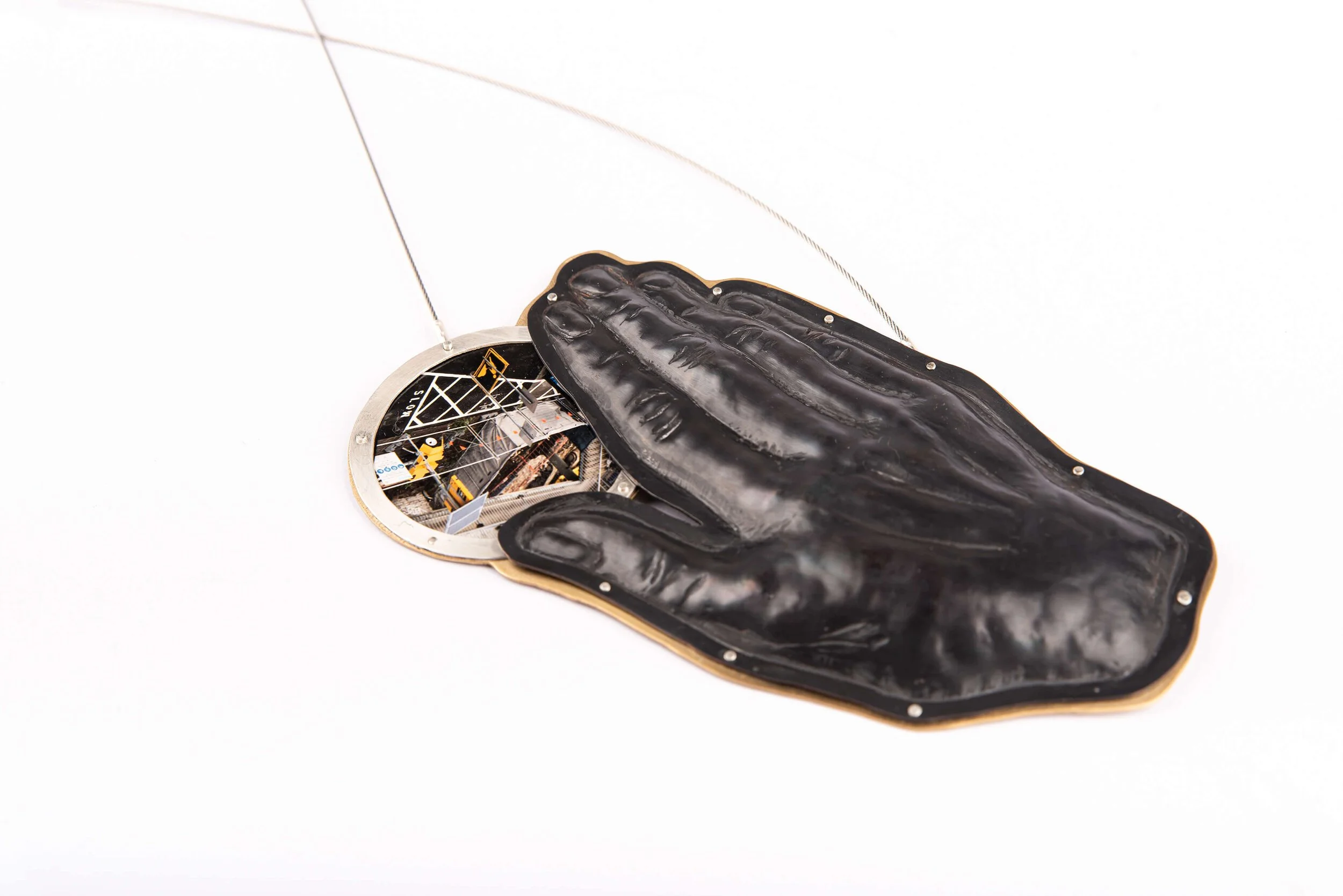
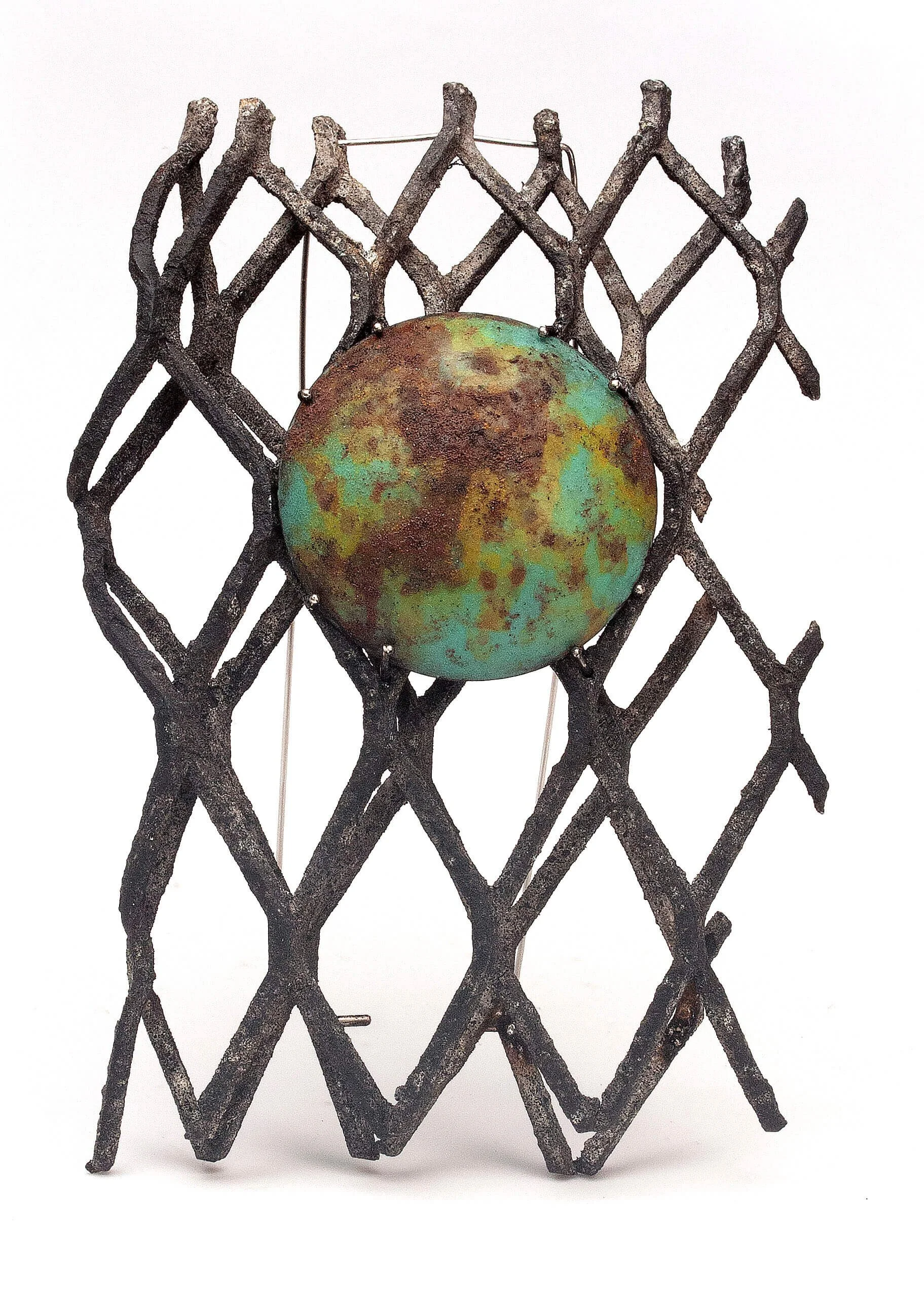
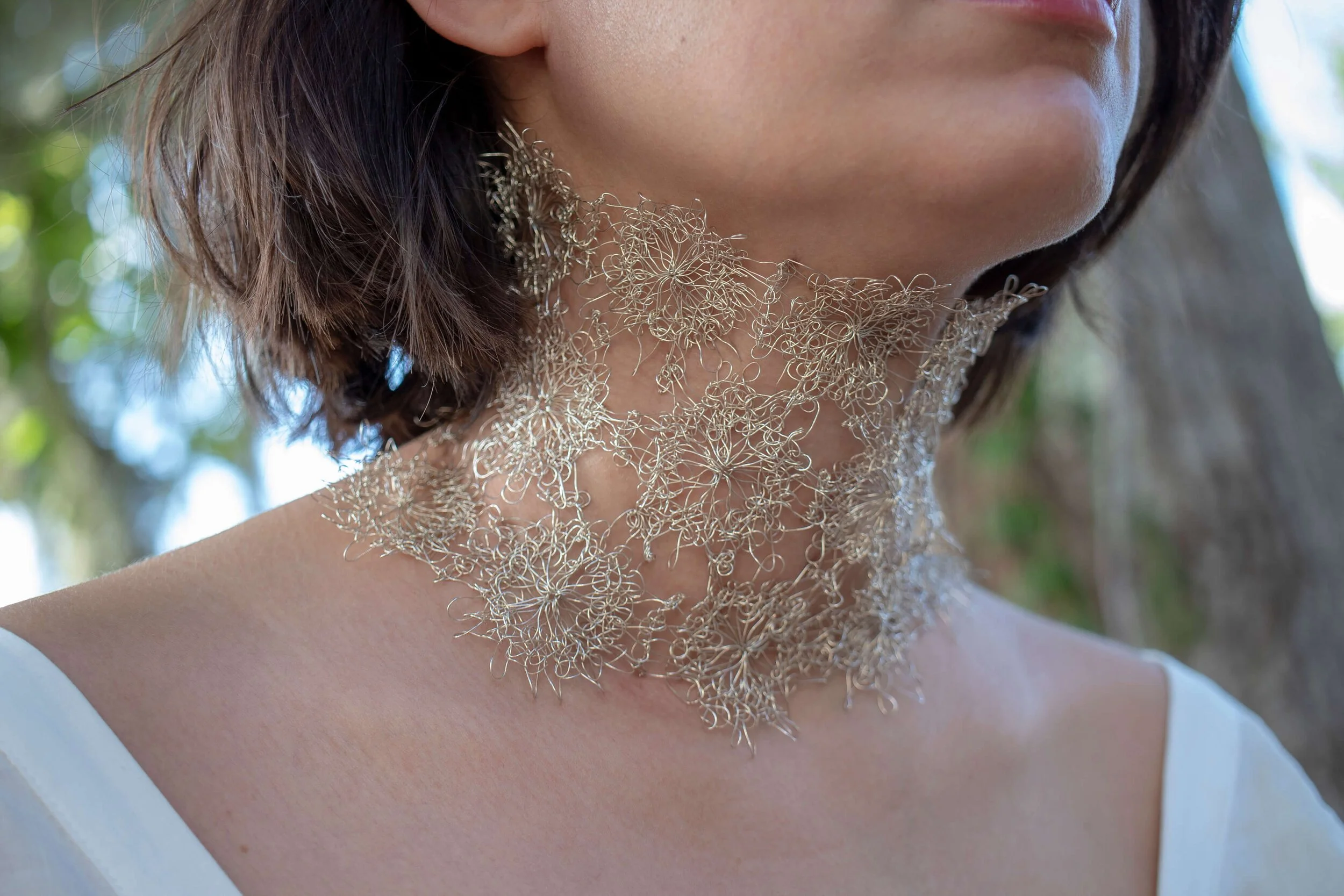
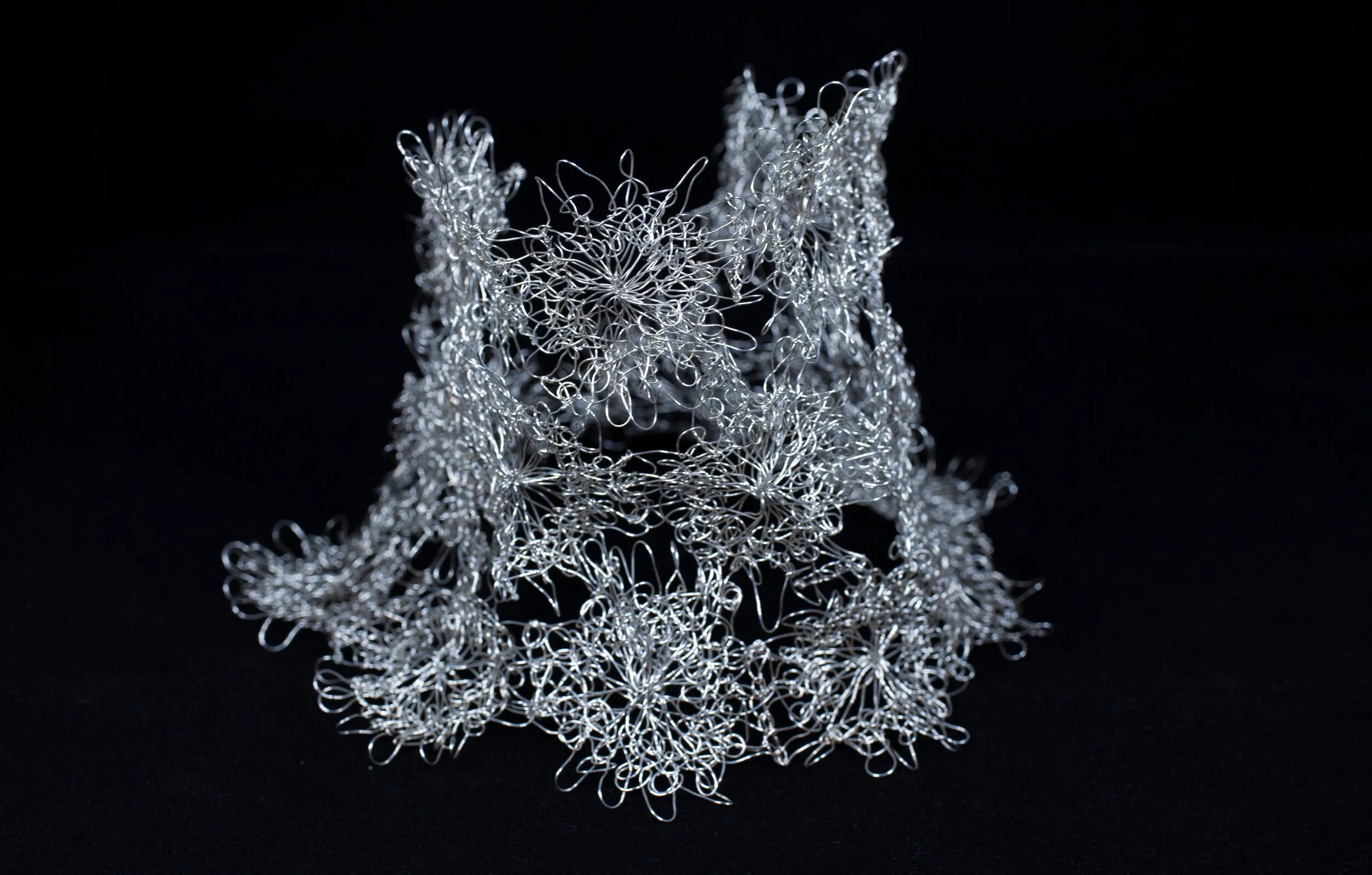
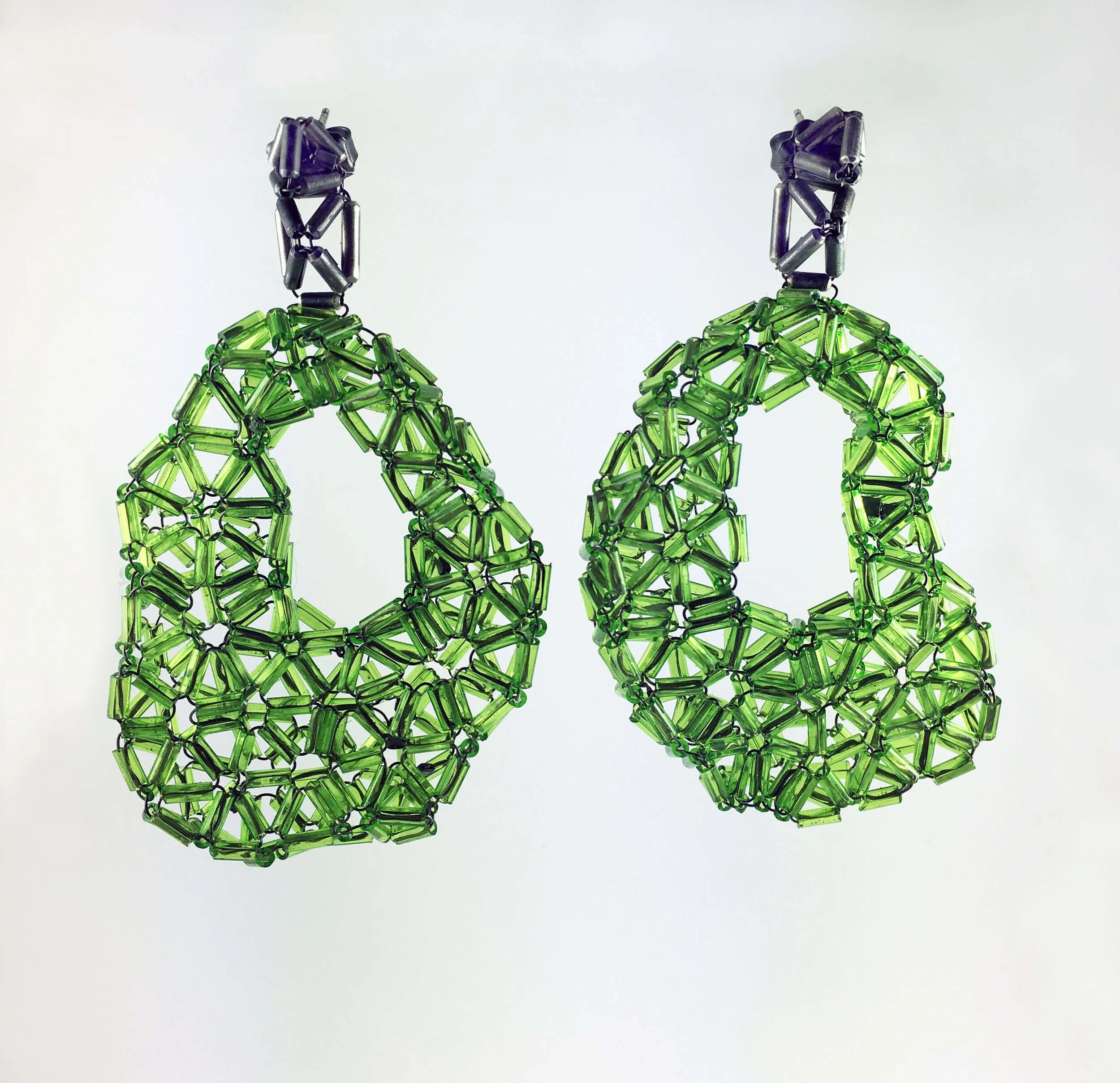
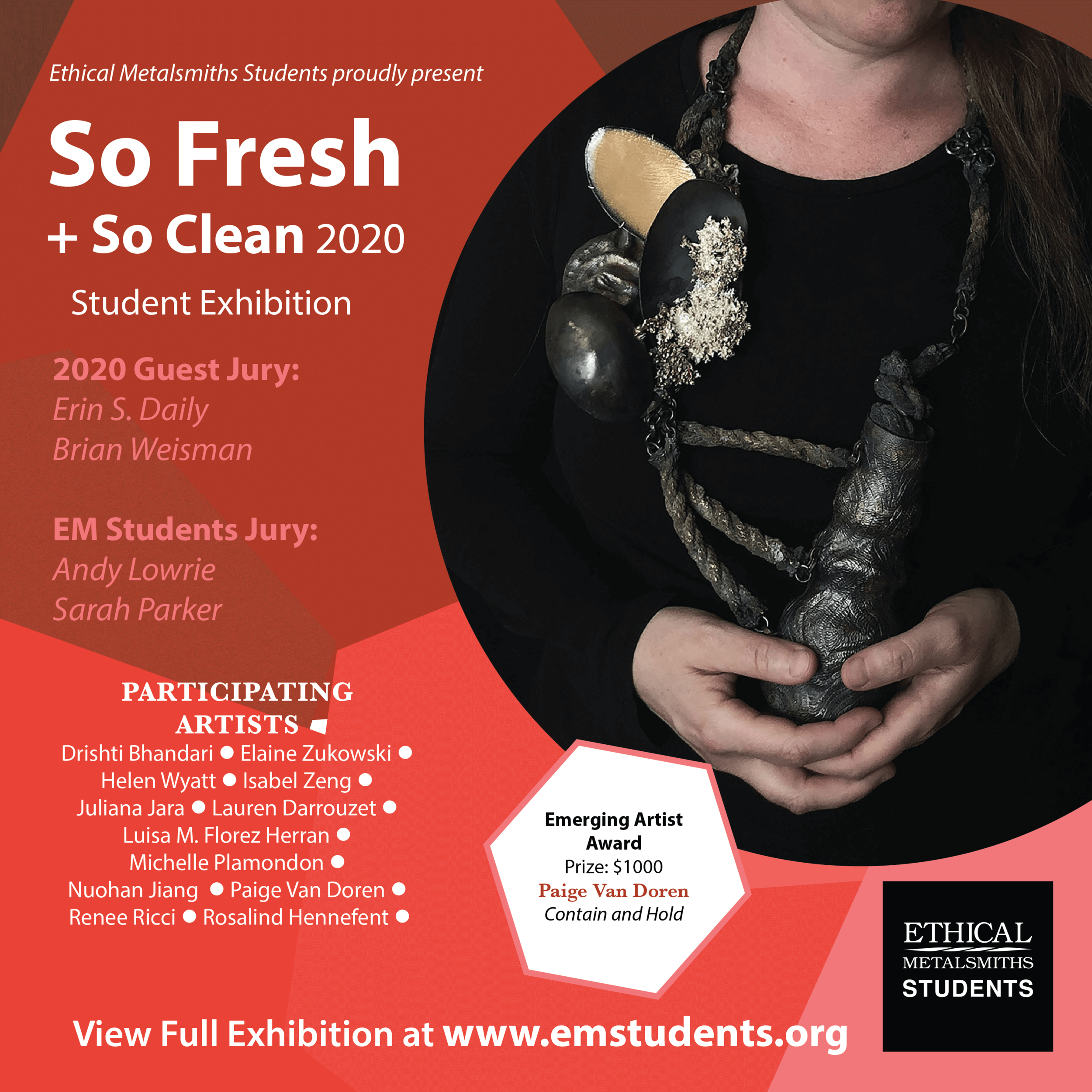
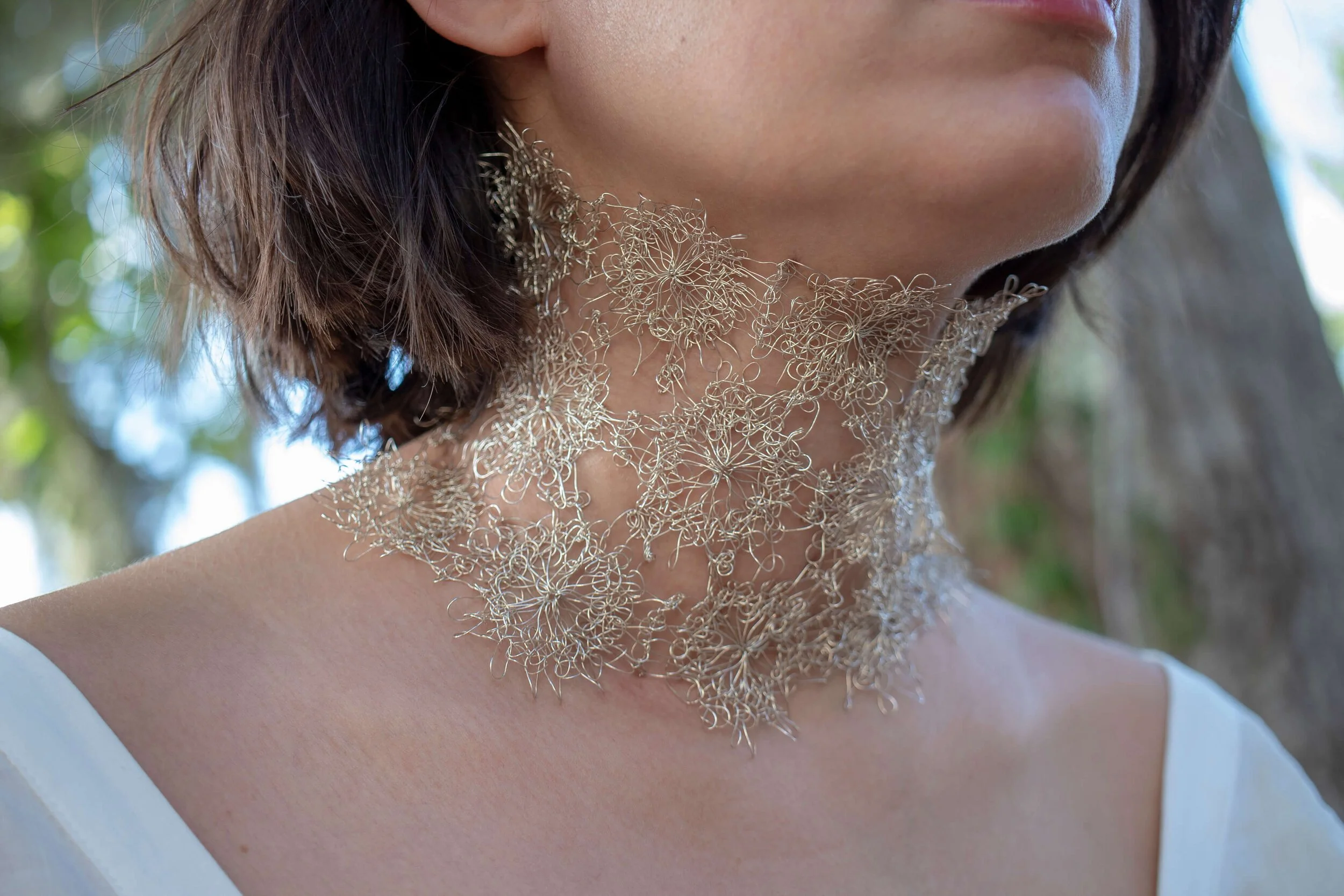
Luisa M. Florez Herran
2020 GUEST JUROR'S CHOICE
(Erin S. Daily & Brian Weissman)
Prize $500, Sponsor: Rio Grande
Master of Arts, 2021, Savannah College of Art and Design, USA
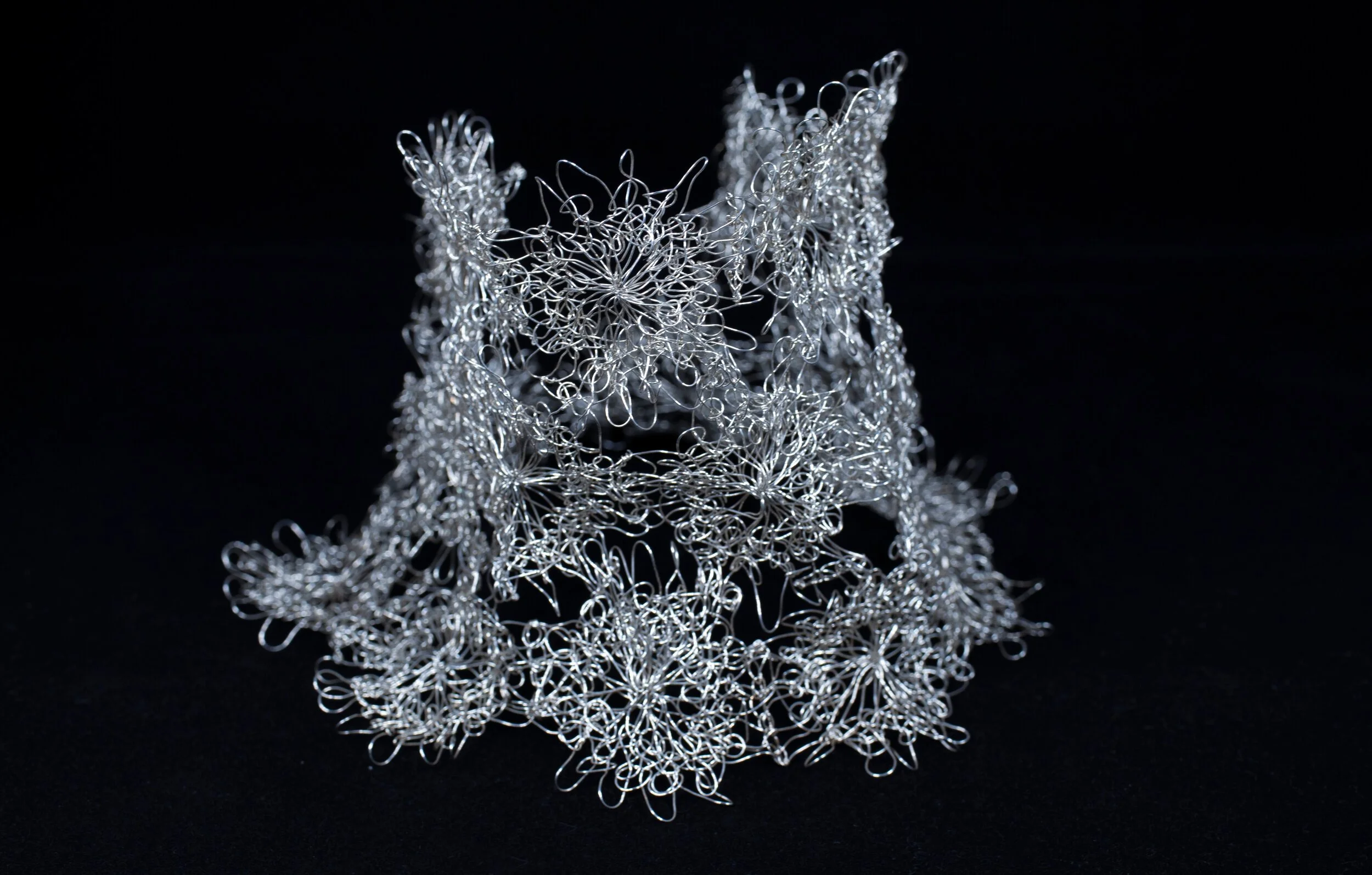
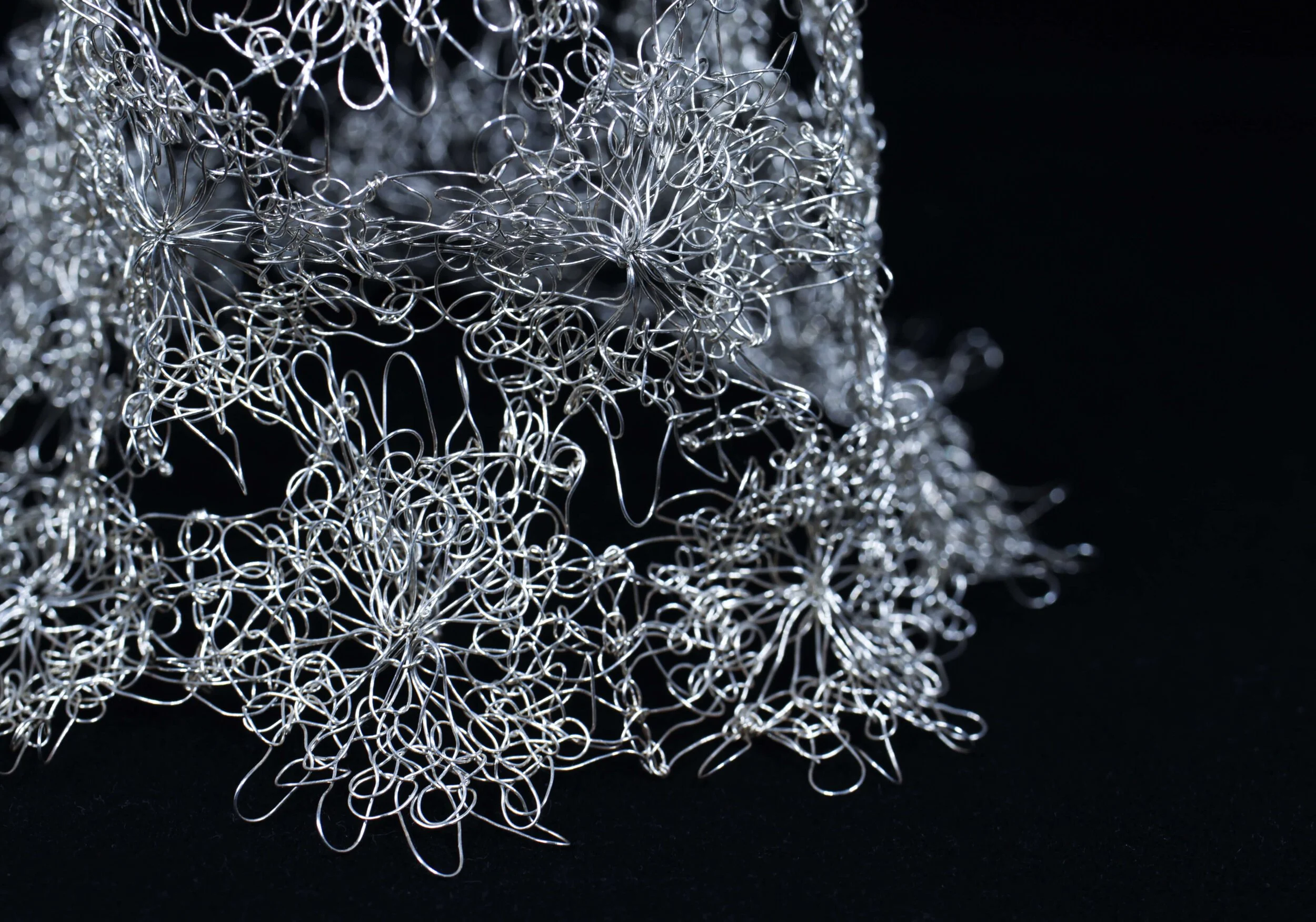
“Our relationship with jewelry is so substantial that we have found in it not only improves our physical well-being but is also a comfort to the mind and soul. Jewelry has the ability of protecting those who have contact with it in many aspects. In this case, it has protected the maker’s mind through the meditation that can be achieved by the repetitive, just as in a mantra. The technique of crocheting wire has fulfilled a necessity of motion that comes from an uneasy mind. This repetitive technique has the ability of quieting an agitated mind.
Additionally, the practice does not use chemicals or forging fires, other than the ones utilized when the wire was manufactured. It also does not use machinery, limiting the ecological footprint. This contributes to a cleaner practice for the maker and uses less material compared to other pieces of the same size.”
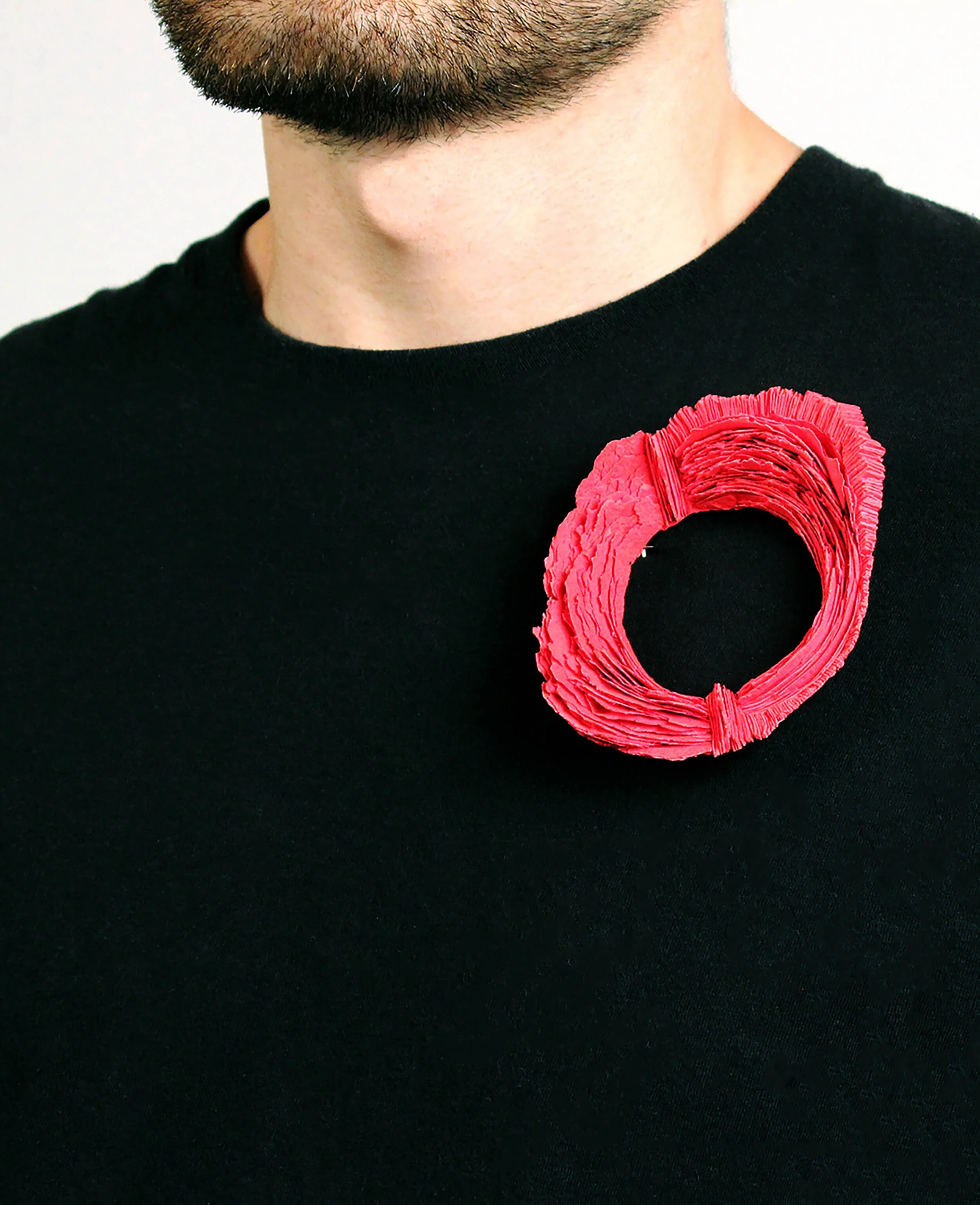
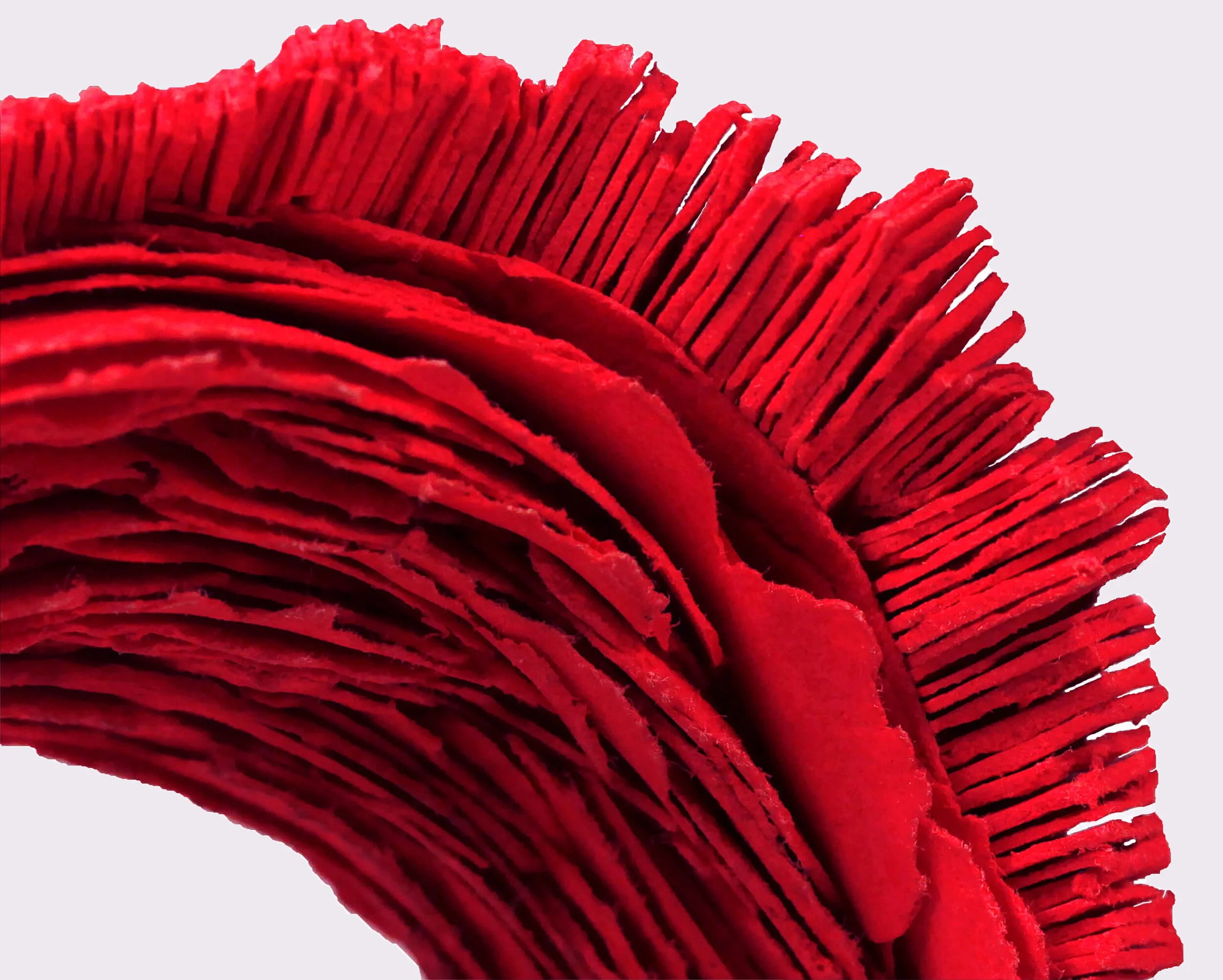
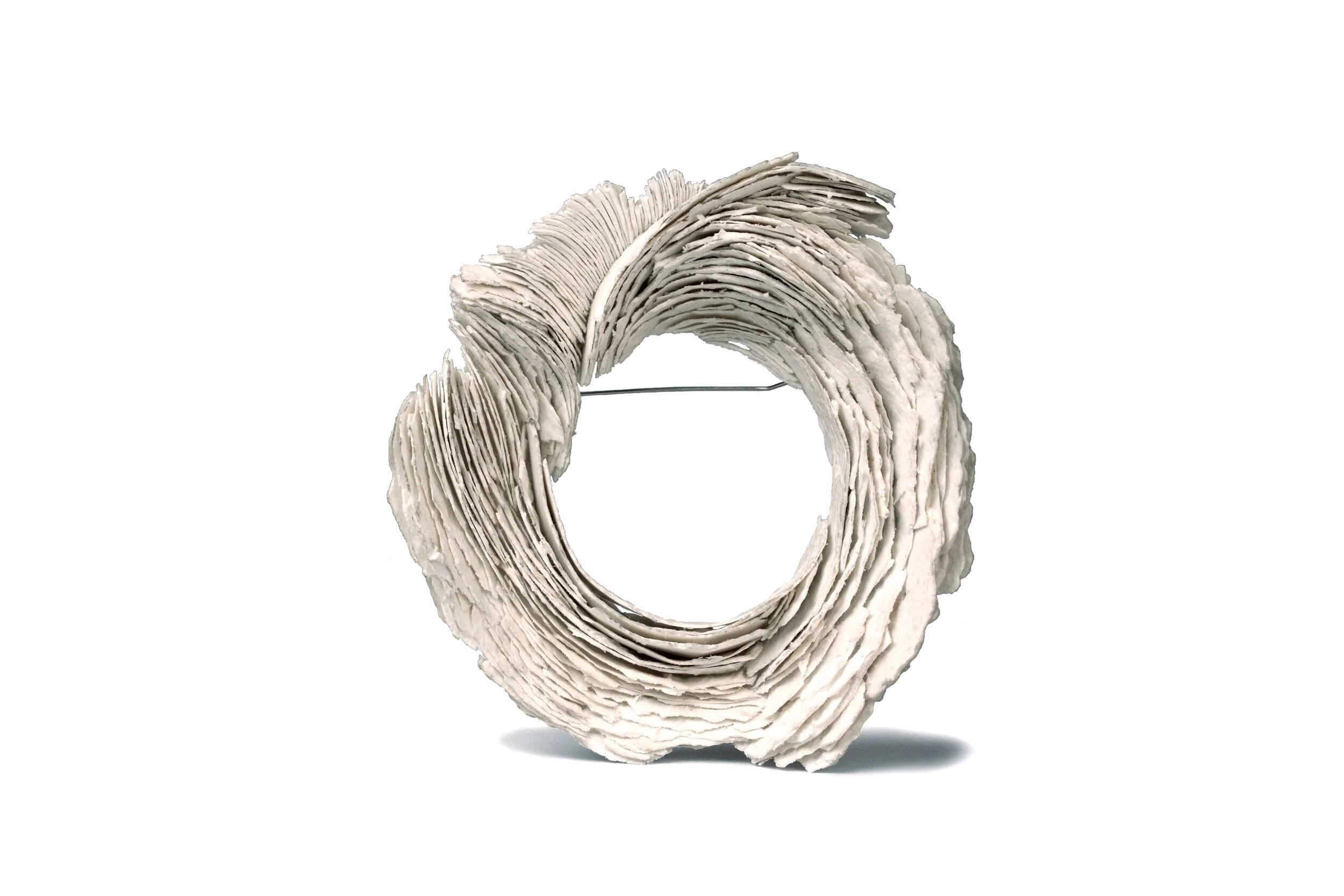
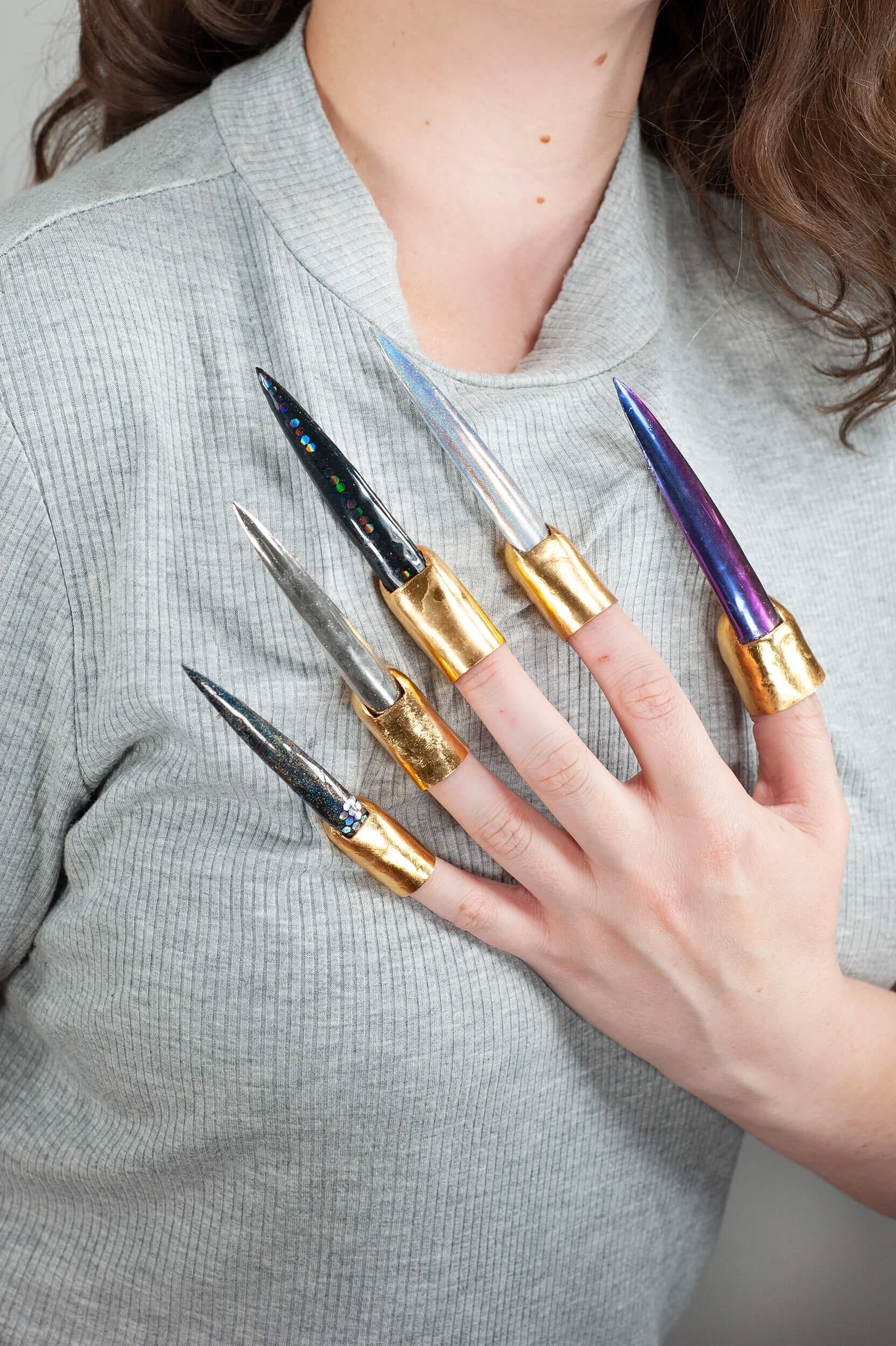
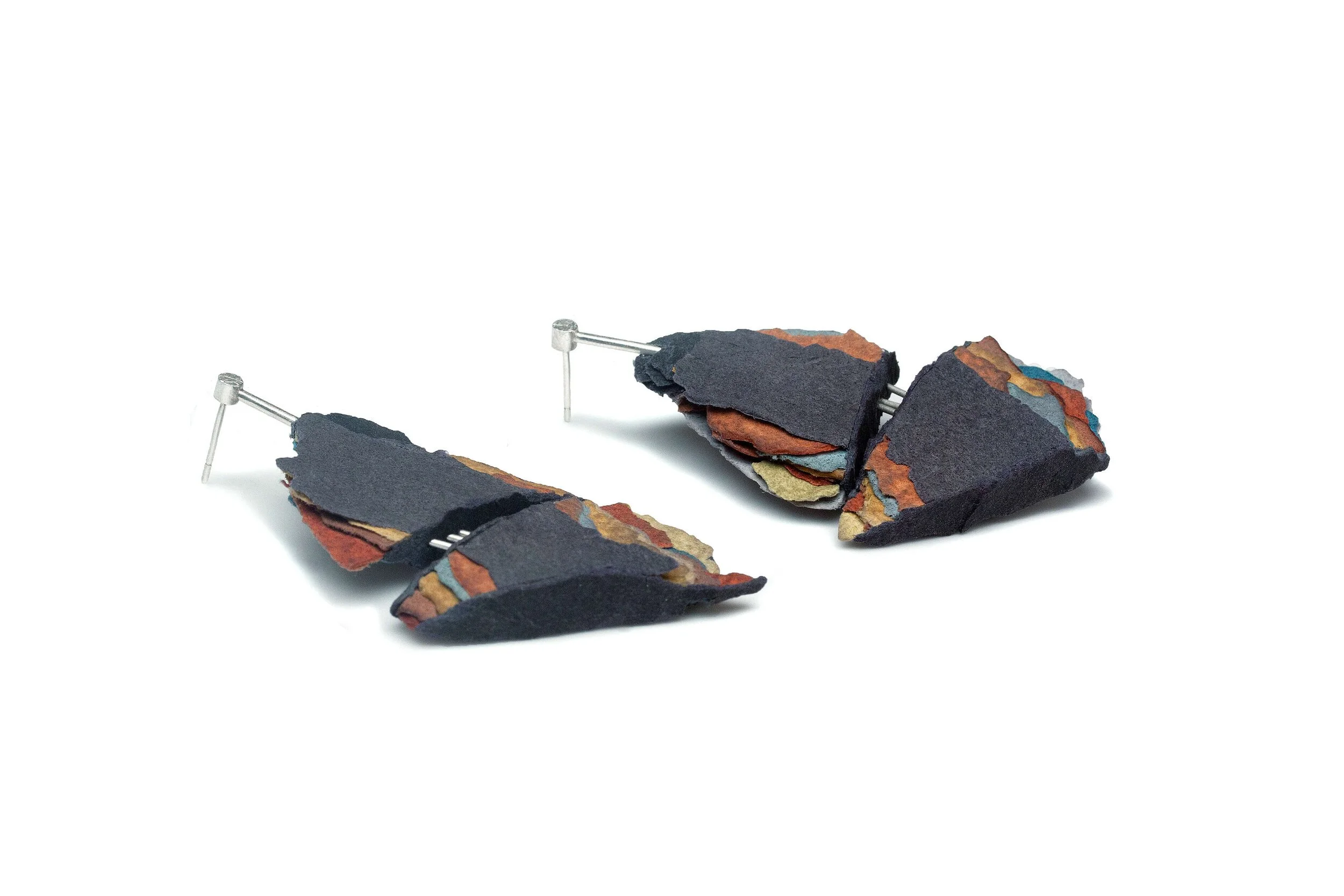
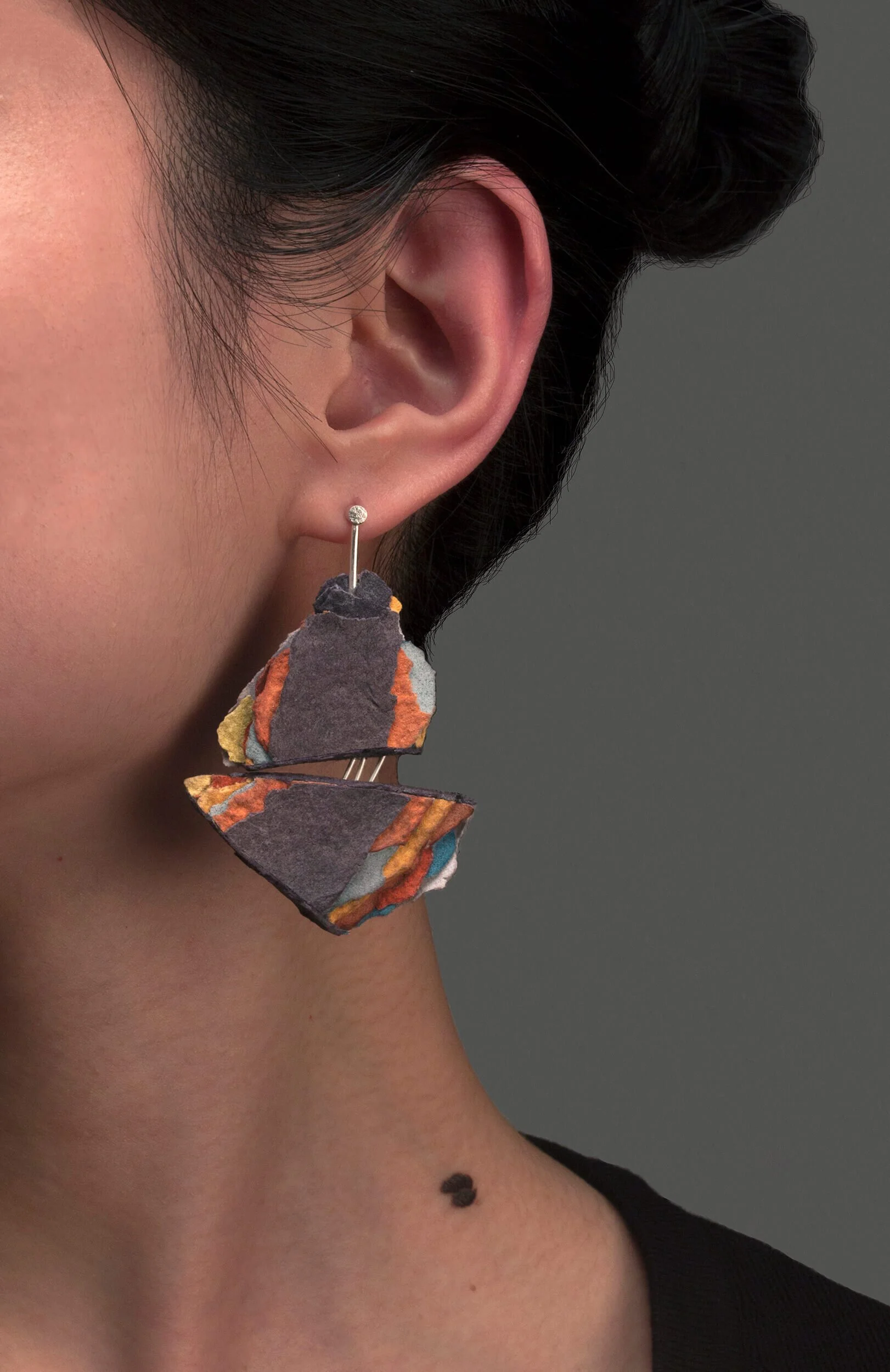
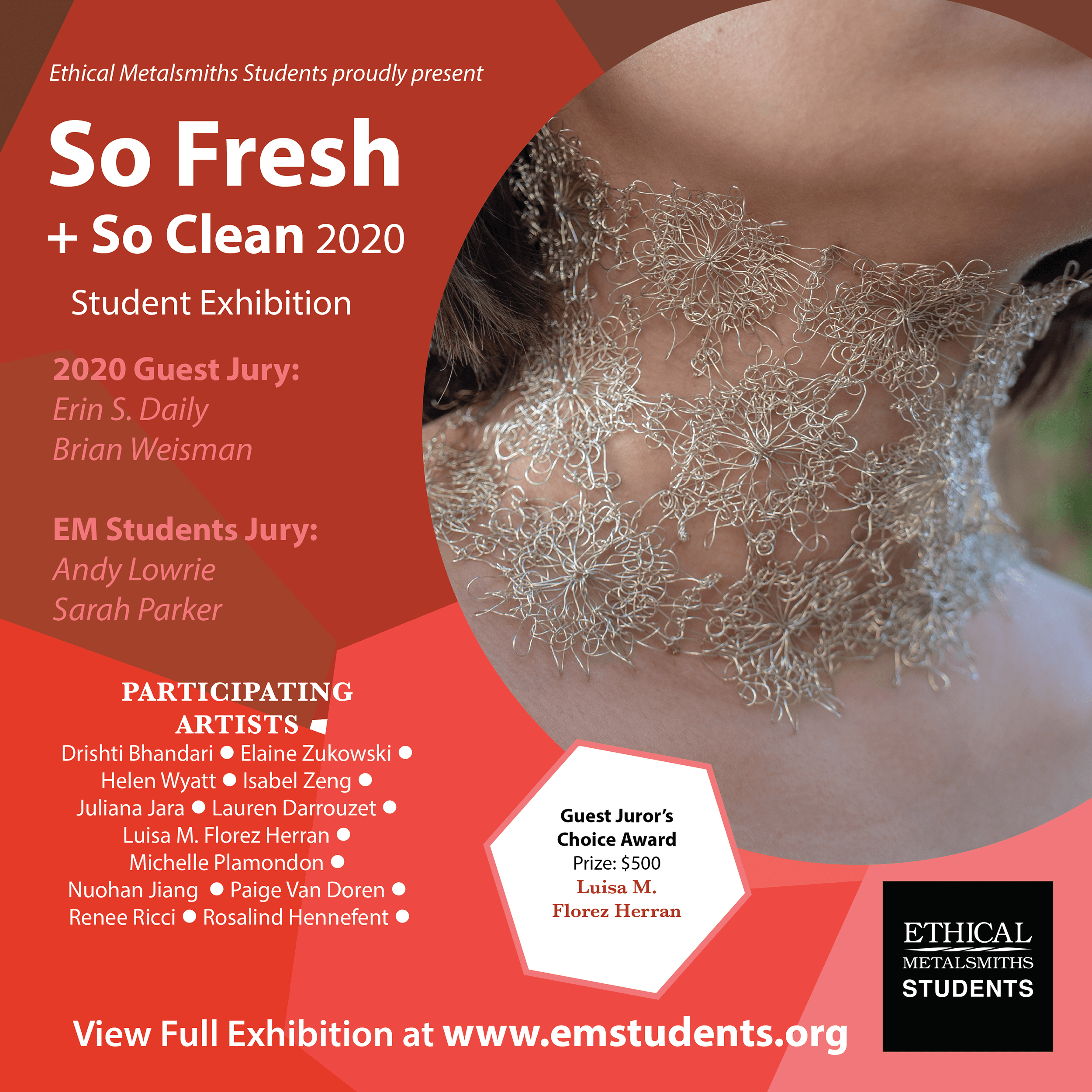
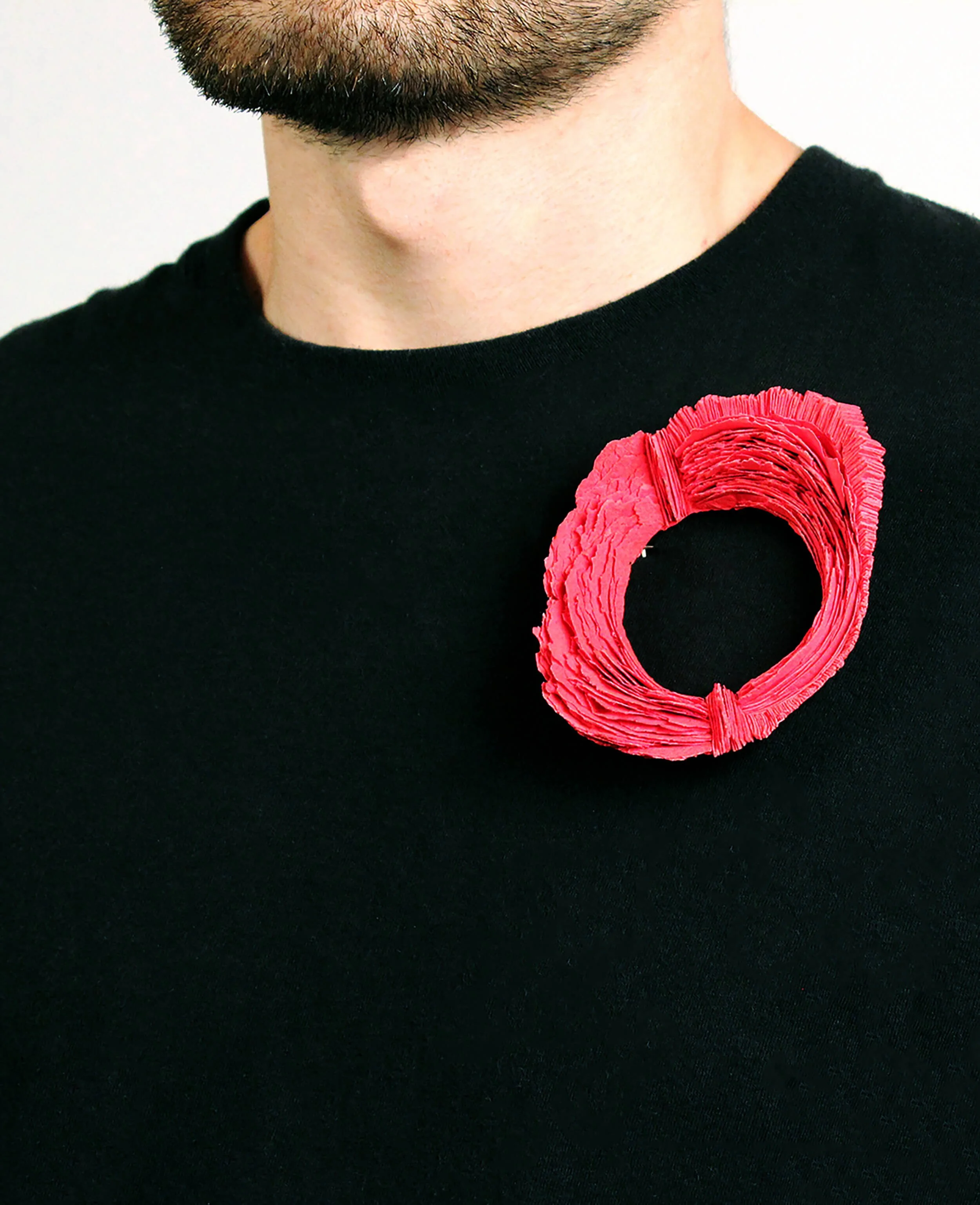
Rosalind Hennenfent
2020 STUDENT'S CHOICE (VCU Chapter)
Prize $250, Sponsor: No Dirty Gold
Bachelor of Fine Arts, 2020, Nova Scotia College of Art and Design, Canada
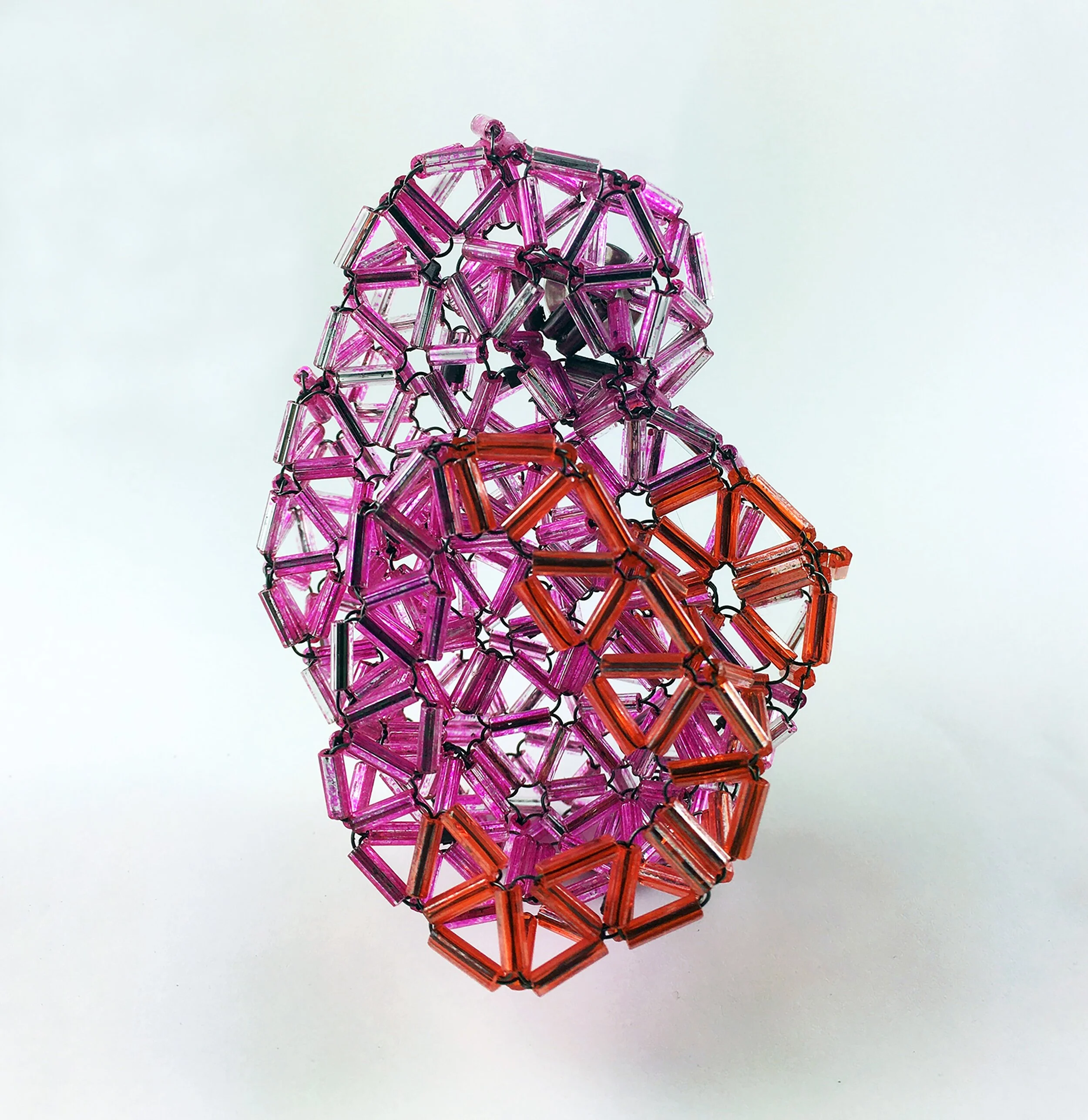
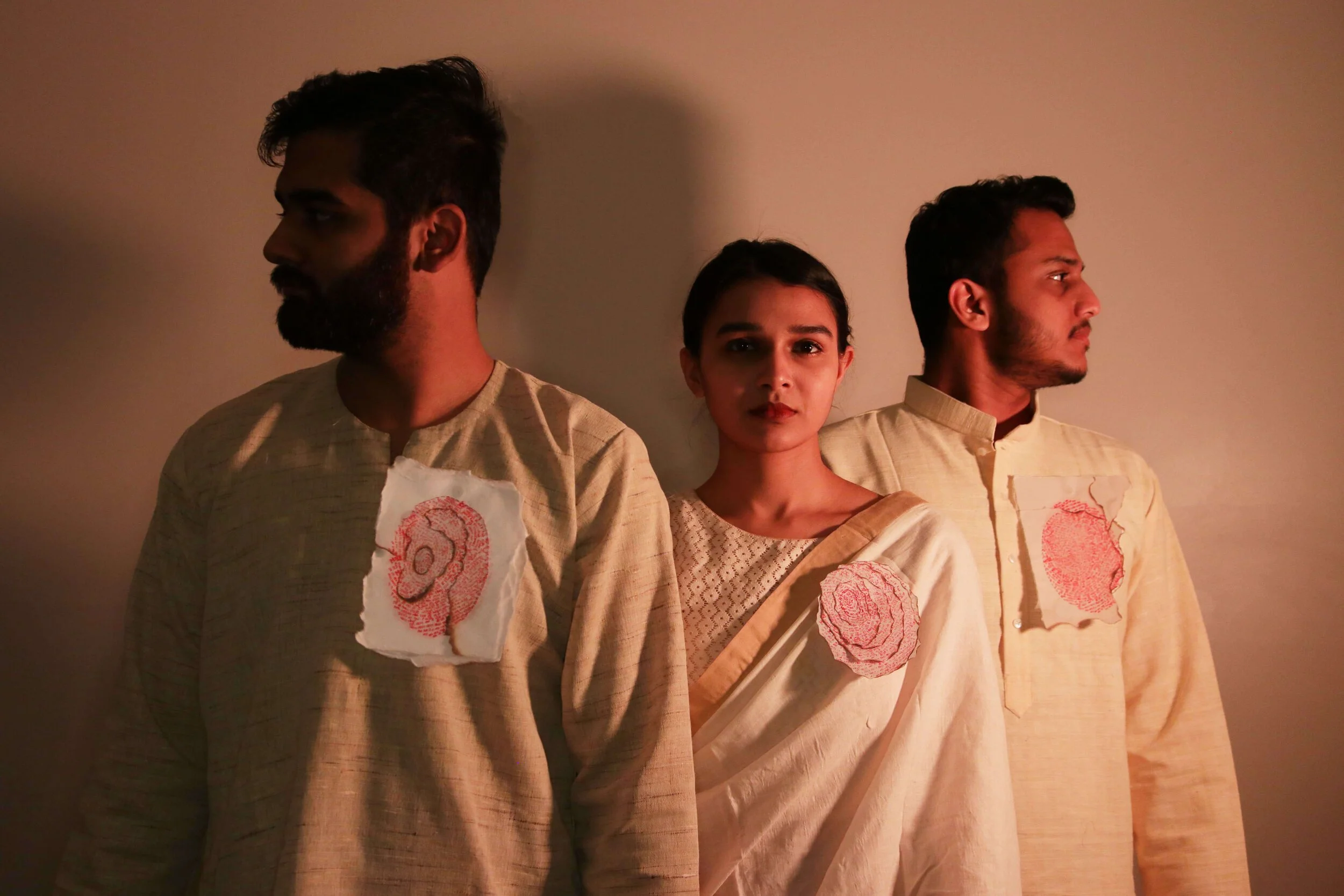
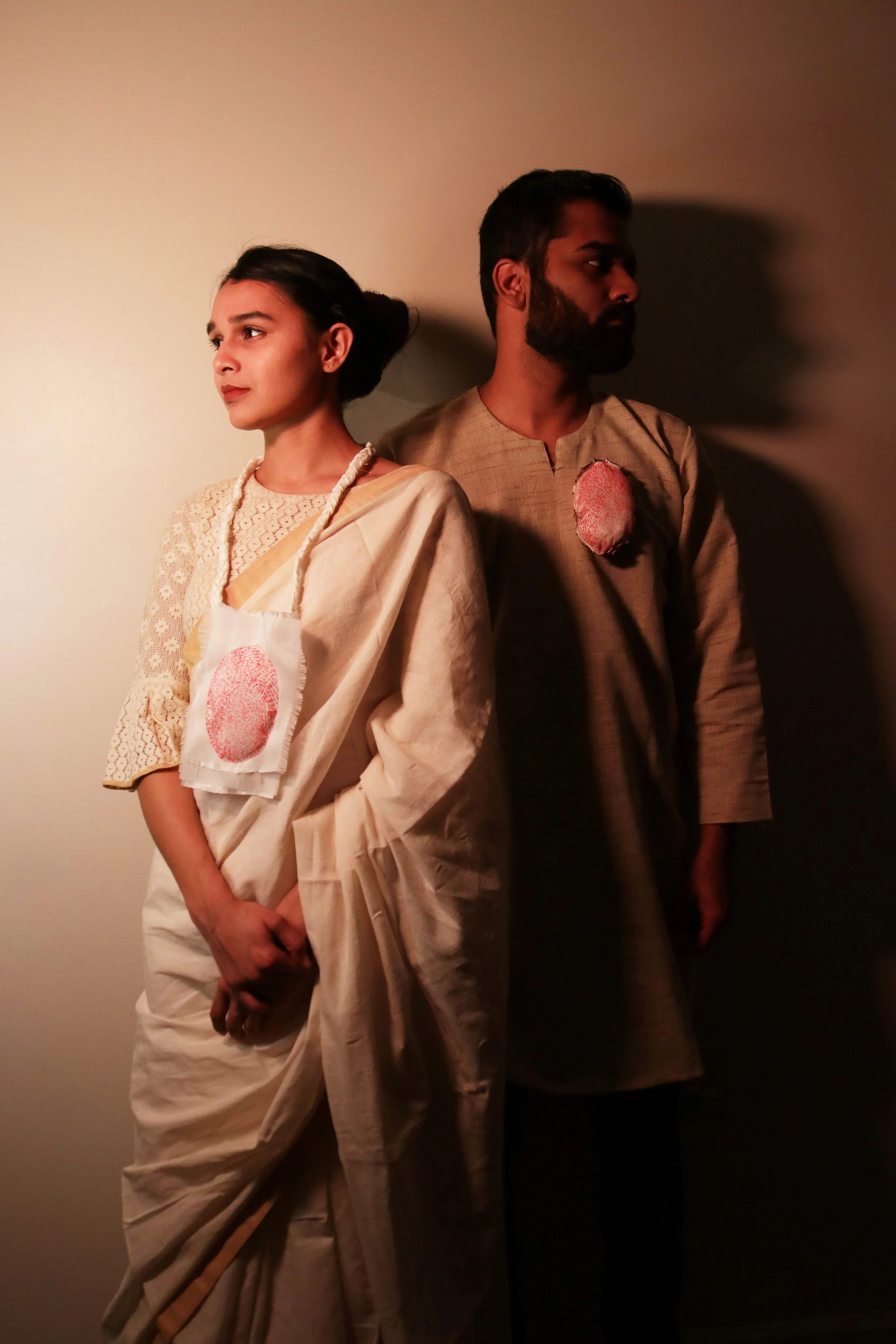
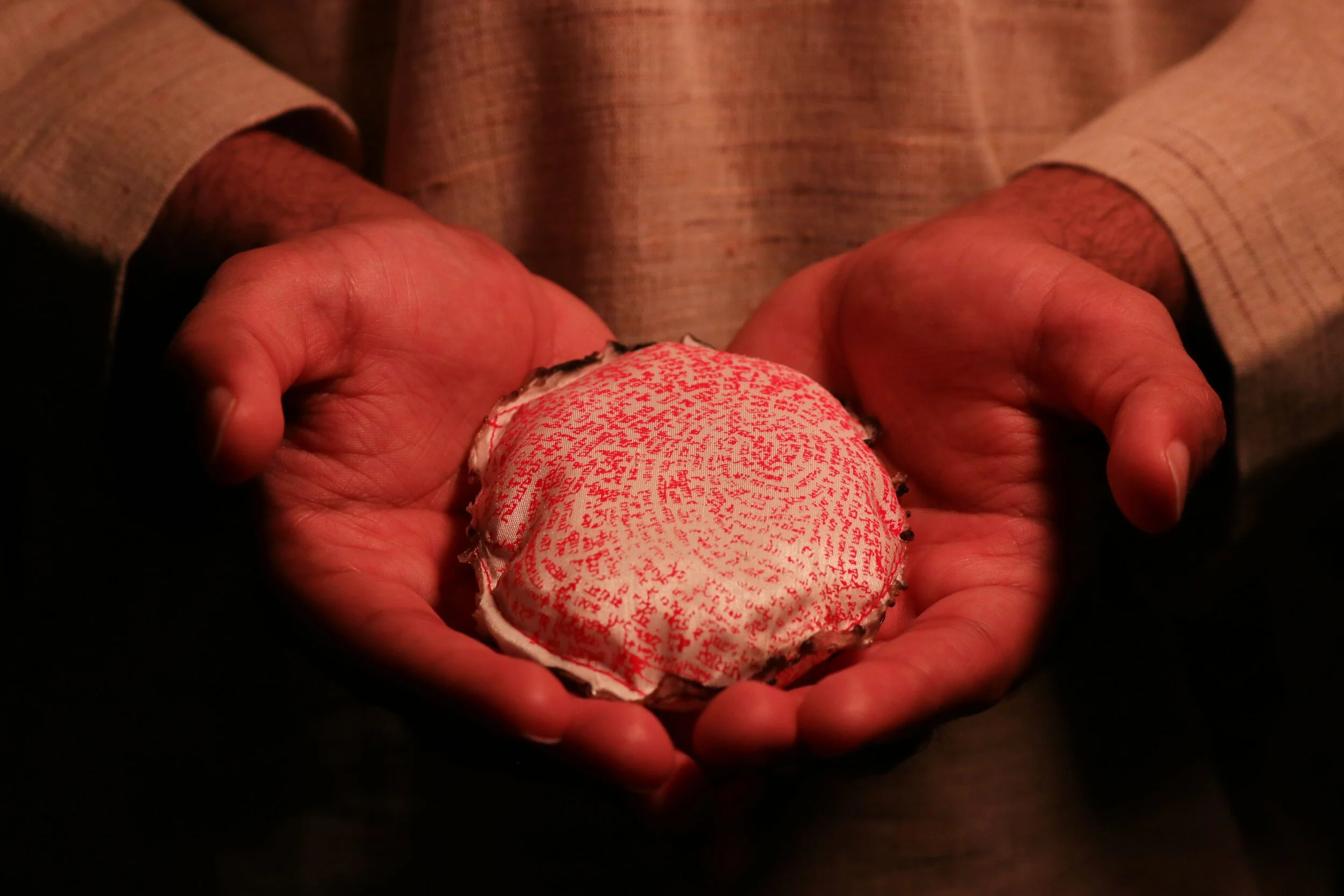
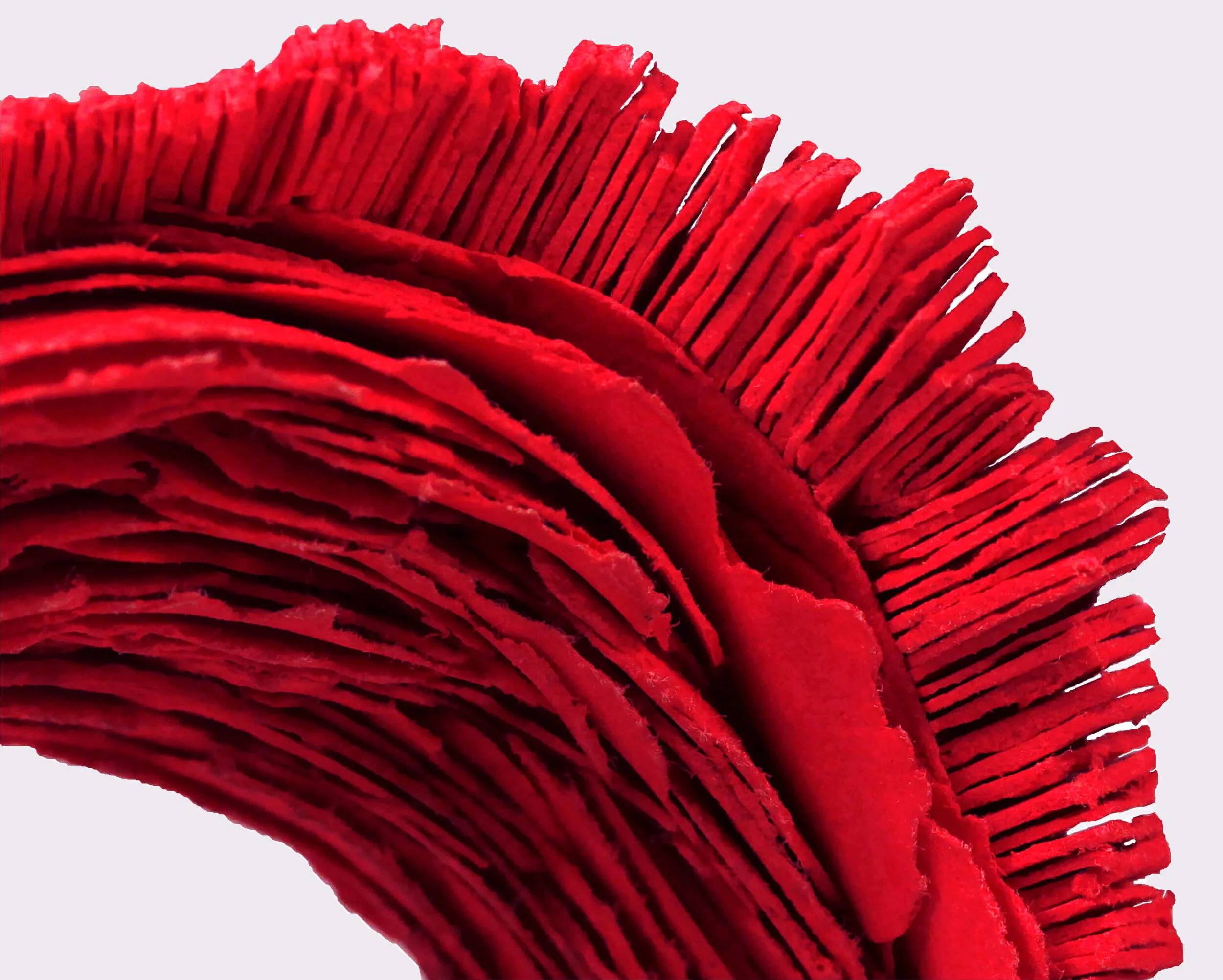
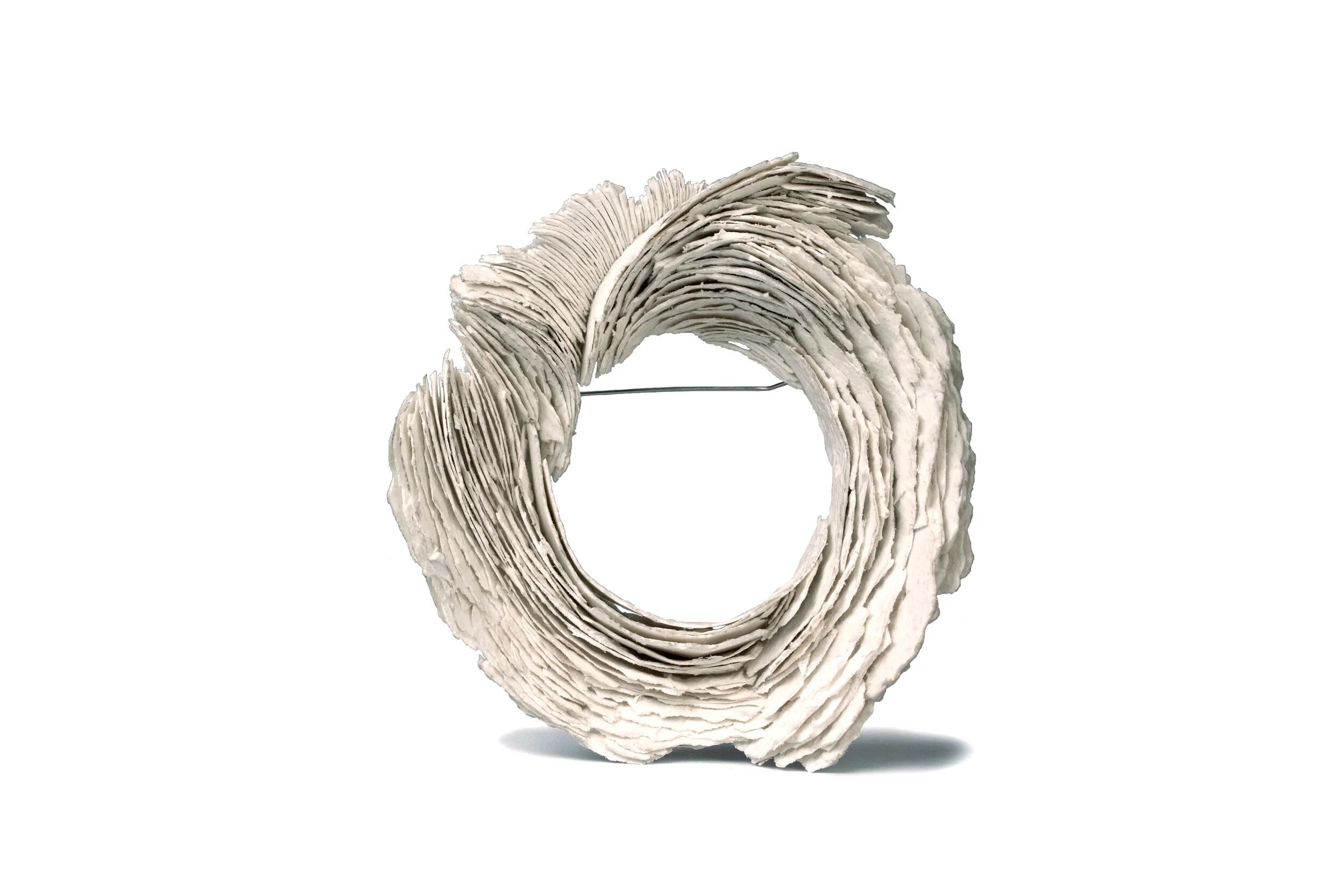
“I wanted to physically craft the material I use in my jewellery. I like the idea of pulp, its presence in nature and its function for humans over centuries. Making pulp is physical. It necessitates getting up from the jewellery bench, and breaking down and recycling fibres to reconstruct a completely different form that is lightweight yet durable. It allowed me to play with scale and layering to grow organic forms into wearable art; a new pulp medium to make wearable art, bringing value to pulp.
Exploring alternative materials for jewellery allows for minimal traditional jewellery materials and practices. Immersing myself in nature is an integral part of the research for my practice. Pulp is tactile and the repetition used to grown a form clears and quiets the mind and is meditative. There is an autonomous flow to organic patterns, bringing nature back into the studio. Grounding myself, future pulp will incorporate organic material indigenous to Nova Scotia.”
A Message from the Jury:
2020 has given us all an opportunity to reflect on aspects of our lives and consider what is relevant, important, and why. Education, held in high regard, offers access to teachers who are valued for their expertise and deep knowledge and access to facilities that provide the physical infrastructure that students build their practice on. It is noteworthy that this year many students wrote in their applications that this lack of access completely altered their working methods. This shift led to a resourcefulness of raw materials and a refinement in process to achieve desired outcomes. In some cases this was a comment on the moment, and in others it underlined the importance of setting up a safe and healthy studio practice once schooling is complete. Without access to the resources an institution may provide, how do you store that chemical? What do you do with its waste? Is that process even necessary given all of the environmental concerns? It was heartening to see this new challenge being considered in light of our current global crises, the coronavirus and climate change.
In Luisa Florez Herran’s Protection Necklace we see a poetic interpretation of the anxieties surrounding health and wellness, feelings we have all been experiencing since the pandemic began. There is an immediacy in the handling of the material, that her movements are marking time while finding expression in metal. That this process feels necessary is important and that it results in a covering for the throat is all the more relevant. To be able to gather your resources in your hands and create a structure that is meaningful through minimal processes while being mindful of their impact makes a strong statement. There is power in this determined focus and refinement of approach. We felt this in Flores Herran’s work and we appreciate the sentiment deeply.
In a world where there are more and more materials that come with a host of environmental and supply chain implications that adversely impact people and the planet, it is hard to know where to turn when determining what resources to use to create artwork. Once the realization has been made to consider these questions, the real work begins to determine one’s place in this process of responsible sourcing, and responsible making. At its very core metalsmithing has always utilized metal’s inherent ability to be recycled. It is problematic that so many people currently reference saving scrap metal and refining their materials as a large part of their responsible studio practice. Refining has always been a fundamental part of metal fabrication. To note this core principle, while important, does not alleviate concerns about the many other materials and processes that contribute to circular design considerations.
It is our wish that as students move towards a more responsible art making practice, they work to analyze the full lifecycle of all of their tools and materials. May they too help build and support the responsible supply chains and waste management systems that are so important to their work. There are very few material alternatives that completely solve all social and environmental concerns at the moment, but there is hope. Thanks to the diligence of organizations like Ethical Metalsmiths there are initiatives in place that offer real opportunities to make lasting change for the better. These avenues are still quite new and rely on people like you and me to make them a reality. Creating and implementing solutions is what is necessary so that everyone can continue to participate in the development of jewelry and metalsmithing. These students are on this path and we are looking forward to journeying with them.
Erin S. Daily & Brian Weissman
Co-founders, Brooklyn Metal Works
So Fresh + So Clean 2020 Guest Juror’s
So Fresh + So Clean Showcase
So Fresh:
Work that’s happening now, challenging how we define the field of metalsmithing and jewelry.
So Clean:
Looking at how our studio practices impact the environment and human health.
To view all image and artist details, use a computer rather then phone. Click on image and hover to see details.